Logo
SakenowaRecord your sake experiences and discover your favorites
もよもよもよもよ
一白水成から酒にはまりました、二児の父です。近場の酒屋で日本酒を漁るのが楽しみになってます。コロナの影響で従来の飲み代を日本酒にまわすことで消費量が増えています。日本酒を飲む機会も増えたので、色々なお酒の情報を共有出来ればと思います。

Registered Date

Check-ins

364

Favorite Brands

17

Sake Map

The origins of the sake you've drunk are colored on the map.

Timeline

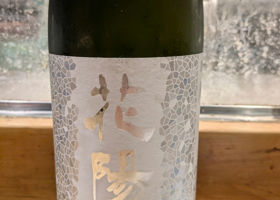
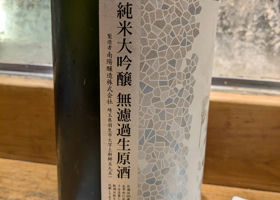
Hanaabi純米大吟醸 無濾過生原酒純米大吟醸原酒生酒無濾過
alt 1alt 2
居酒屋 純ちゃん
外飲み部
68
もよもよ
Huayouyoku is a brewery in Saitama, Japan, and is quite difficult to enter due to its characteristic fruity nature. The brewing volume to begin with is about 100 koku, or perhaps 10,000 bottles on a per bottle basis. I happened to be able to have some. This one is as gorgeous as the label says. It has an apple-like flavor with a tangy sourness, and is truly a pineapple. It is similar to the pineapple-like taste of Kameizumi cel24. It is a good sake if you enjoy the gorgeousness of the sake on its own. If you want to enjoy it with a meal, it might go well with sweet-and-sour pork.
Japanese>English
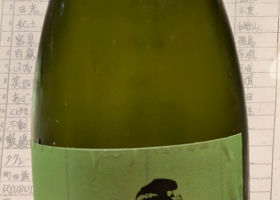
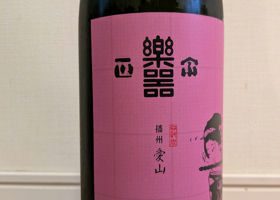
Gakki Masamune出羽燦々 中取り純米吟醸純米吟醸原酒無濾過
alt 1alt 2
居酒屋 純ちゃん
外飲み部
69
もよもよ
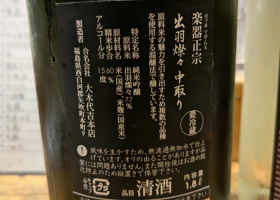
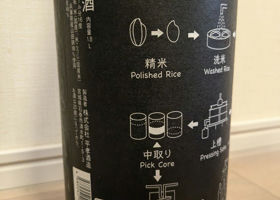
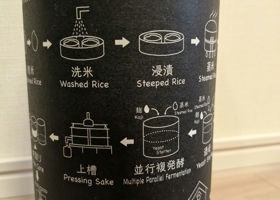
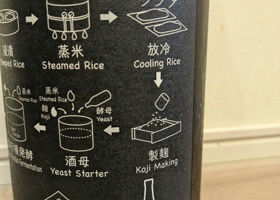
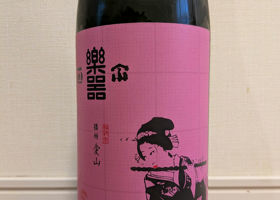
This sake is brewed mainly with Dewa Sanzu from Musical Instrument Masamune. It is brewed using the mixed brewing method, in which 77% Dewa Sanzu is mixed with other varieties in order to bring out the best in the sake. It is unfiltered and unpasteurized to take full advantage of its flavor. When you drink it, you will find it to be a refreshing, slightly sweet sake that is typical of the instrumental style. The aroma and sweetness are like the honey of flowers. In terms of flavor, it reminds me of peach, melon, and apple. This is what I imagine instrumental Masamune to be like. I think it would go well with a slightly sweet and salty meal.
Japanese>English
Takachiyo59 AI-IPPON(愛山×一本〆) 無調整生原酒 純米吟醸特別純米原酒生酒無濾過
alt 1
alt 2alt 3
居酒屋 純ちゃん
外飲み部
66
もよもよ
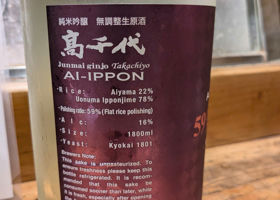
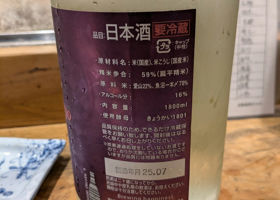
Takachidai's 59% rice polishing ratio series. This time, Aizan and Ipponshime are used. Ipponshime is mainly produced in Niigata, and seems to be a cross between Gohyakumangoku and Toyobai. Since it is a Takachidai unadjusted raw sake, it has a creamy, bachi-bachi feeling, and together with the acidity, it has a Calpis-like taste. Is it the color of the label? It has a refreshing feeling of grapes and apples mixed together. Delicious without being too sweet!
Japanese>English
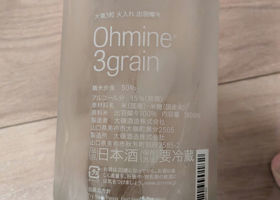
Ohmine Junmai3粒 出羽燦々50 3grain DewaSansan
alt 1alt 2
かがた屋酒店
家飲み部
68
もよもよ
This is a summer sake version of Daimine, using Dewasanbara rice. Dewa Tsanzan is actually the first original Yamagata sake rice, and it is said to have been used for about 10 years. It is quite exciting that such rice is used in Yamaguchi Prefecture after going through the evaluation process. The specs are also Junmai Daiginjo specifications with a rice polishing ratio of 50%. As one might expect, all of Omine's sake is refreshing and easy to drink. The sake is not heavy, and the acidity is slightly suppressed. It tastes like peach and a hint of apple. It has just the right amount of sweetness. I wonder if the water from Akiyoshidai is low in hardness. It is not a strong type of water, so it may be easy to drink with sushi.
Japanese>English
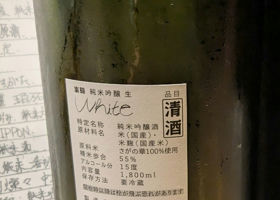
Azumatsuru白麹 WHITE 純米吟醸生純米吟醸生酒
alt 1alt 2
居酒屋 純ちゃん
外飲み部
57
もよもよ
This is the white malted rice side of the Higashi Tsuru drinking comparison. This is an unusual sake, as sake is usually brewed with yellow malted rice, but this sake is brewed with black and white malted rice, respectively. The white malted rice has a sour, apple-like taste, and perhaps because the rice and milling ratio are the same, it has a very similar taste with a refreshing acidity and sweetness. The white malted rice is a bit more acidic and refreshing, but you may not notice it unless you are told. It is not a black-and-white comparison. Both are very tasty.
Japanese>English
AzumatsuruBLACK 純米吟醸生純米吟醸生酒
alt 1alt 2
居酒屋 純ちゃん
外飲み部
56
もよもよ
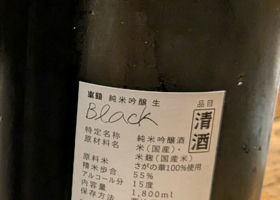
Higashitsuru is one of our recent favorites. It is a rare sake that is usually brewed with yellow malted rice, but this sake is brewed with black and white malted rice, respectively. We happened to be able to compare them at an izakaya, so we decided to give it a try. Both black and white malted rice sake have a sour, apple-like taste. It is very tasty, with a refreshing yet sour and sweet taste. It also has the freshness of a fresh sake. If I had to say, I would say that black malted rice is a little richer. You can't go wrong with Azumakizuru. It was very delicious.
Japanese>English
NabeshimaSummer Moon 吟醸吟醸
alt 1alt 2
家飲み部
65
もよもよ
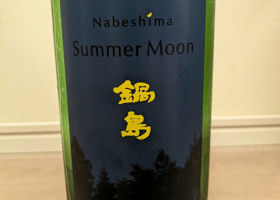
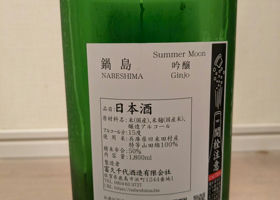
This is Nabeshima's summer seasonal sake. This is a ginjo-shu made with Yamada-Nishiki and served with aluzuki. Nabeshima has many fruity flavors, but what about this one? When opened, it was energetic and slightly carbonated. It has a more robust rice flavor than I expected, but also has acidity. If it were a fruit, I would say it tastes like apples and oranges. It is a well-balanced combination of classic and modern flavors. It is good to drink it chilled, but I think the balance of sweetness and sourness is better when it is at room temperature. I think it would be good as a food sake.
Japanese>English
Hidakamiフローチャートラベル 中取り純米大吟醸 山田錦45純米大吟醸中取り
alt 1alt 2
alt 3alt 4
かがた屋酒店
家飲み部
68
もよもよ
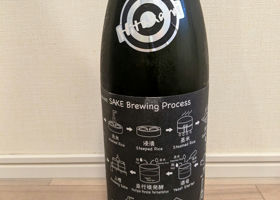
It is a well-known Hikkami if you are going to do it with fish, but it is a delicious enough Hikkami even without fish involved. The flow chart label is Junmai Daiginjo Nakatori and the specs and obviously delicious specs, but the label is also pleasing to the eye. It is bottled and fired, so I guess it is bottle warmed and fired. The taste is clean, not too acidic, and tastes like pear and melon. There is not much sweetness, so it would go well with a meal. It also has a moderate alcohol content and is very tasty. I usually drink it chilled, but it is also delicious at room temperature. It seems to cover a wide range of dishes, not just fish.
Japanese>English
Gakki Masamune混醸愛山 純米吟醸純米吟醸
alt 1alt 2
かがた屋酒店
家飲み部
62
もよもよ
This is Aizan main sake from one of my recent guesses, Masamune Instrument's Aizan. 80% or more of the sake is made from Aizan. Almost all Aiyama. It's the diamond of sake rice. The gentle feeling when you drink it is typical of Musical Instrument Masamune. It also has a white wine-like feeling, but the sweetness and a bit of floridness give it a strawberry-like flavor. I feel that these characteristics become stronger at room temperature. The alcohol content is 15%, and it can be drunk in a gentle way. It has a light fruity taste and is very easy to drink.
Japanese>English
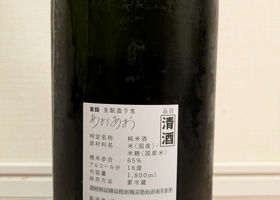
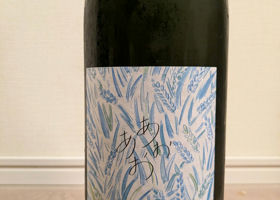
Azumatsuruあおあお純米生酛生酒
alt 1alt 2
かがた屋酒店
家飲み部
64
もよもよ
Higashitsuru is rapidly gaining popularity among my customers. This is a traditional sake made from the traditional sake yeast. The name "Namahashimoto" usually tends to give the impression of a classic sake, but what about this one? When opened, it is a bit vigorous and you can feel a bit of a tangy carbonation. The taste is quite refreshing, with a banana or pear nuance without much acidity. It is not too sweet, so it is easy to enjoy. At room temperature, it tastes a little like melon and is very tasty. It has a bit of a "sake yeast" character, but it is fruity and easy to drink. I wonder if it goes well with steak or heavy dishes. It was a delicious sake.
Japanese>English
alt 1alt 2
かがた屋酒店
家飲み部
56
もよもよ
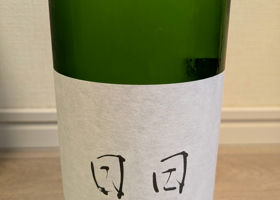
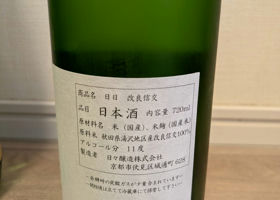
Nichinichi is a sake brewed by Hidetsuhiko Matsumoto, who used to brew Sawaya-Matsumoto, as an independent brewer. The brewery is located in Fushimi, Kyoto Prefecture, and all of the sake is made using the original brewing method. Normally, they brew with rice from their own rice paddies, but this one is a sake original and is made with Akita's Koudou-Shinkou. When you drink it, you will notice a weak carbonation and a refreshing sweetness. At 11% alcohol, it is low in alcohol and can be drunk quickly. The low alcohol content (11%) makes it easy to drink. It is not at all like a traditional sake, but rather a modern sake. It is a good choice for beginners because it is as light and low in alcohol content as it is rumored to be.
Japanese>English
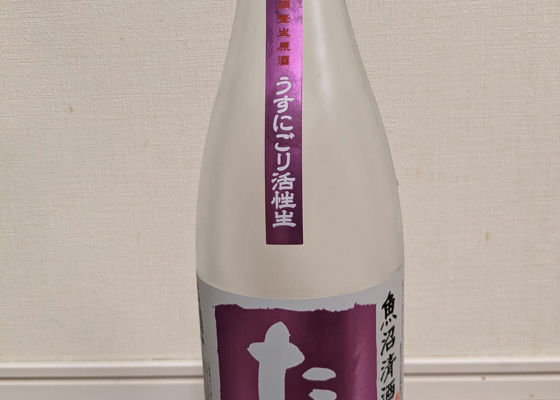
TakachiyoSPARK 紫ラベル うすにごり活性無調整生原酒原酒生酒
alt 1
alt 2alt 3
かがた屋酒店
ひらがなたかちよにハズレなし
77
もよもよ
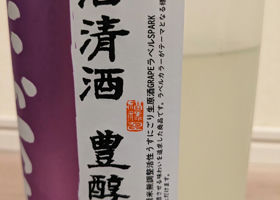
Hiragana Takachiyo has little information on the label. The stance is to drink and experience the label color. Dare to read on the label. Is the message of piquant grapiness from the words "unfiltered and unadjusted" and "SPARK" really true? When you drink it, it is easy to understand: fresh acidity, sweetness and aroma. The color image may be intended to "show the direction of the taste with the color". The taste is creamy with a sense of Kyoho grapes and rice. There is no complex weight, and it is easy to drink even for beginners. It is easy to understand why it is called "Fanta Grape. However, I am sure that the taste will reach sake lovers as well. It is simply refreshing and delicious, so you will want to pair it with junk food such as hamburgers and fried food. It is also delicious on its own.
Japanese>English
Ohmine Junmai大嶺3粒 夏純かすみ生 山田錦生酒
alt 1alt 2
外飲み部
60
もよもよ
This is a summer sake version of Daimine. The specs are a combination of nama-shu and kasumi, which seems to have a cool and refreshing taste. The first sip revealed a sour taste with hints of muscat and rumminess. The alcohol content is slightly low at 14.5%, making it easy to drink. It is as tasty as ever with a refreshing sweetness. I would pair it with white meat fish sashimi and salads. Daimine is as always a sure bet.
Japanese>English
Minami特別純米 出羽燦々 生酒特別純米生酒
alt 1alt 2
かがた屋酒店
家飲み部
62
もよもよ
A special edition of Tosa's famous sake, Minami. It is a highly anticipated bottle. I have never had it properly, so I will taste it thoroughly. The specs are that it is a special junmai nama-zake made with Dewa Sanzu, and that it is usually made to be served as a nama-zake, instead of being made to be a fall-soaked sake. As for the taste, it is a bottle with fairly low acidity and a strong sense of rice sweetness. It is also good as a mealtime sake that looks great as a substitute for rice. By itself, it has a banana-like sweetness, but it has a gentle taste without being too sweet. It is not very fancy, but it is a good sake that you will never get tired of drinking. It would be good with yakitori (grilled chicken) with sauce.
Japanese>English
Suminoe低温瓶貯蔵 雄町 純米吟醸純米吟醸生詰酒
alt 1alt 2
外飲み部
56
もよもよ
Suminoe is a sake brewery in Ishinomaki City, Miyagi Prefecture, that strives to brew sake with class. I have never had much of it, so I had high expectations. This one is made with Omachi. Apparently, Omachi is easy to dissolve, and the characteristics of the sake brewer are especially easy to show. First of all, the aroma is very fruity and nice. However, when it comes time to enjoy it, it has a refreshing taste with a low sweetness. Aromatic but refreshing, it seems to go well with a light meal. Even if you drink it by itself, you will not get tired of drinking it. It is a bottle that should be drunk chilled.
Japanese>English

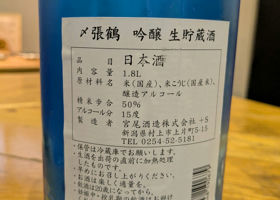
Shimeharitsuru吟醸 生貯蔵酒吟醸生貯蔵酒
alt 1alt 2
外飲み部
58
もよもよ
One gets the impression that SNAKEIHARIZURU is one of the most fancied in Niigata, the kingdom of Japanese sake. Overall, the rice polishing ratio is high, and it has established a position as a light, umakuchi (flavorful) sake. This is a freshly stored summer sake, which means that it is fired before being pinned for shipment. The taste is sweet and delicious, more like sugar water than fruity. However, it can be drunk smoothly without being sticky. I checked to see if the alcohol balance might be good, and found it to be slightly low at 15%. It is a bottle that I would like to drink chilled, and it goes well with dishes with vinegar like shime saba (mackerel) or slightly spicy dishes like gochijang namul. It is a good sake that seems to go well with food.
Japanese>English
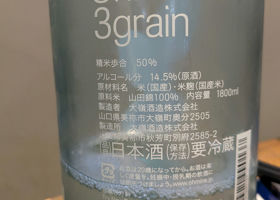
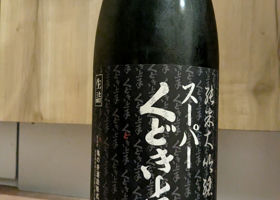
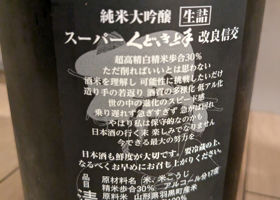
Super Kudoki Jozu改良信交30 純米大吟醸生詰純米大吟醸生詰酒
alt 1alt 2
かがた屋酒店
家飲み部
65
もよもよ
At Matsuo Taisha, a shrine dedicated to the god of sake, there is an event where more than 1,000 people vote to select the best tasting sake. This is the first champion of that Sake-1 Grand Prix. The rice is from the Kame-no-o lineage, and is made with a luxurious 30% of it. It is truly super. Just hearing about it makes it delicious. The aroma is fruity, probably because it is a fresh sake. Kudokigake is characterized by its low acidity, but this one has a balance of acidity and sweetness like passion fruit. It also has a slight peachiness. It is similar to other modern sake with acidity and sweetness, but in a different genre. I think it tastes best when drunk chilled.
Japanese>English
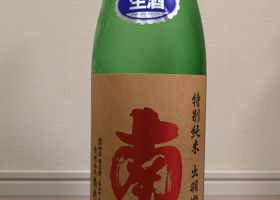
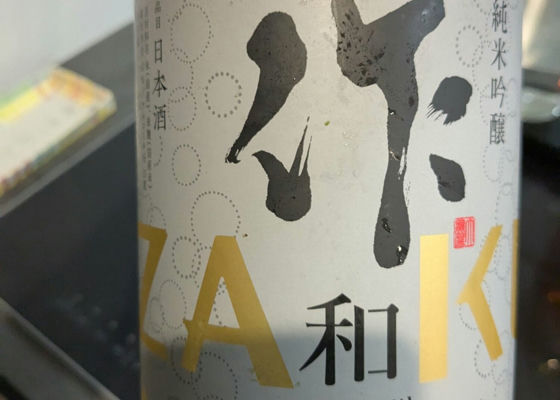
alt 1
alt 2alt 3
家飲み部
66
もよもよ
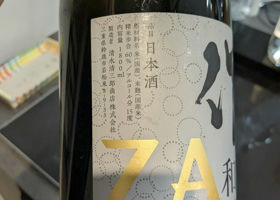
Saku no Waetsu seems to be limited to restaurants, but I happened to be able to have it. The specs are that it is a junmai ginjo with 15% alcohol. I tasted it without detailed information. It is refreshingly fruity, which I think is a characteristic of Saku. The flavor is somewhere between melon and peach, without much acidity. Sake without much acidity may be easier to match with food. I feel this kind of design is on a high level. We served it cold, but it might be good even if the temperature is raised a little. It seems to be easy to match with simmered dishes made with soy sauce. If served cold, it might go well with sashimi.
Japanese>English
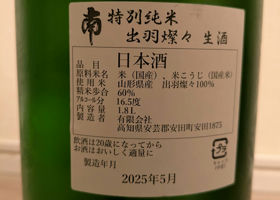
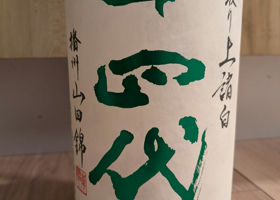
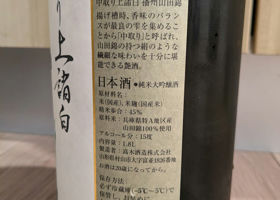
Juyondai純米大吟醸中取り山田錦上諸白純米大吟醸
alt 1alt 2
家飲み部
65
もよもよ
One of the most famous brands, Jyushiyo, happened to be available. Since it is a good opportunity, I decide to enjoy it with my friend. It is the original mellow, umami-guchi, fruity type, and this time it is Kamimorohaku, a type that focuses on the grinding of the rice. The taste was clean and low in acidity. I felt a white peach-like nuance. It has a slightly classic aspect with the umami of rice, but it is not too rich. With 15% alcohol, it can be drunk smoothly. I have the impression that fruity sake is on the rise due to its popularity, but compared to the fruity sake such as Akabe and Omine, this sake was a bit more subdued. It is still a delicious sake.
Japanese>English
ジェイ&ノビィ
Hello, Mr. Moyoyo😃! Kochira no Jyushiyo-san! I only had one glass, but I had it on Saturday when we drank outside 😋I'm jealous that you can drink this slowly at home 🥹.
Japanese>English
もよもよ
Jay & Nobby. I am thankful that I happened to get it. It is not only delicious, but I think it is suitable for drinking with a group of people because it has a buzz. It is good to have such a good sake without keeping it to yourself.
Japanese>English
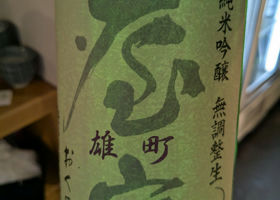
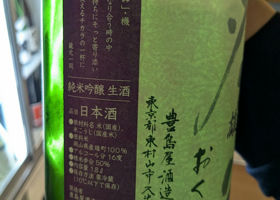
Okunokami純米吟醸 無調整生 雄町純米吟醸生酒
alt 1alt 2
Kamosuya (かもすや酒店)
外飲み部
59
もよもよ
Toshimaya Shuzo, a sake brewery in Higashimurayama City, Tokyo, usually uses Hachitan-Nishiki, and the type using Omachi is said to be rare. The Yamori I had previously received was quite fruity, but this one was a little older after opening, or perhaps it was the graininess that I felt when drinking it. It has a banana and melon-like texture that makes me think it is somewhat more classic. Maybe it is a low acidity type. Maybe it would be interesting to raise the temperature a little.
Japanese>English