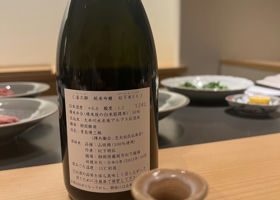
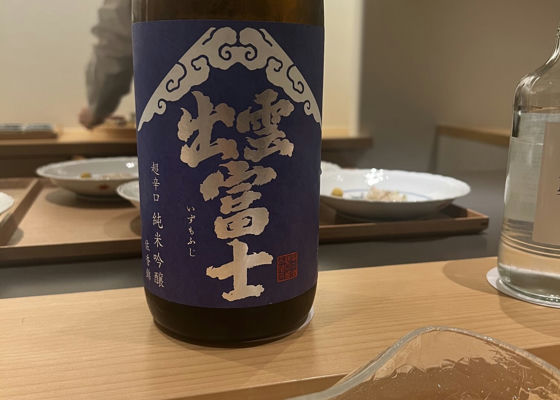
Speaking of Shimane, I am Tenju.
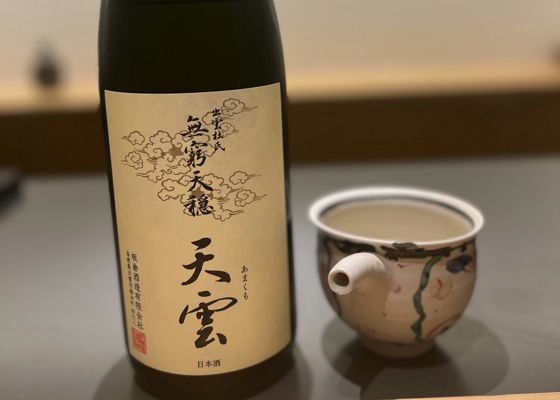
This is a sake called Mukai Tenju.
It has elegance.
It leaves a beautiful aftertaste. I guess this is what they call a lingering aftertaste.
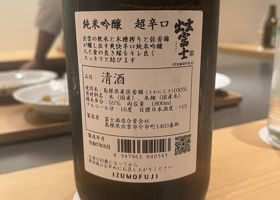
Ingredients: rice (domestic), rice koji (domestic)
Rice: 100% improved Omachi produced in Shimane Prefecture
Rice polishing ratio: 60
Alcohol content: 13%.
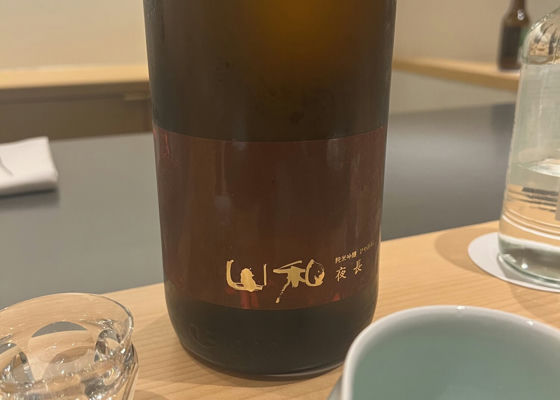
Higashiyama Mukunin
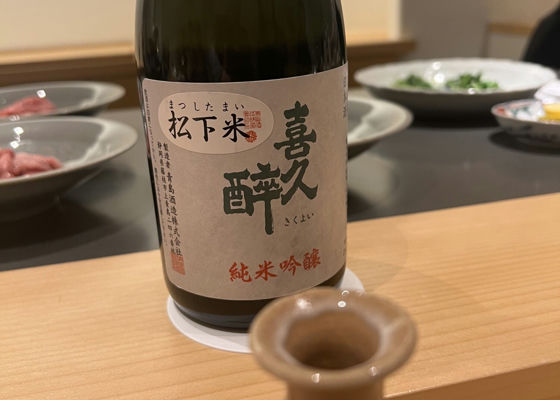
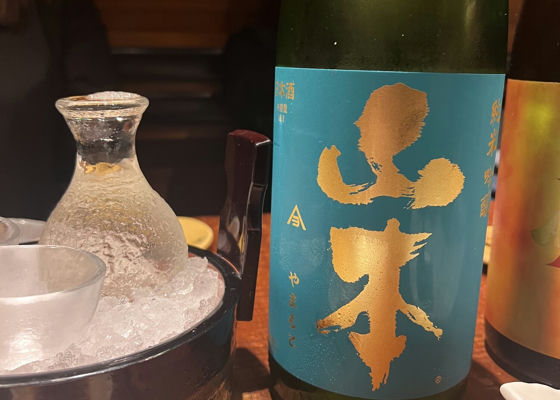
I heard that the sake rice produced by Mr. Matsushita is called Matsushita rice. Yamada-Nishiki is organically grown without using any pesticides.
It has a soft mouthfeel and elegant aroma.
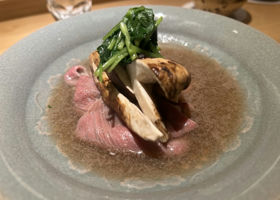
Served with matsutake mushrooms and Omi beef shabu-shabu.
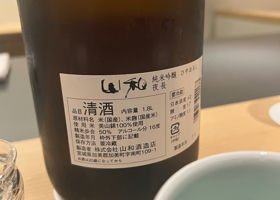
Rice used: Yamadanishiki (Matsushita rice)
Polishing ratio 50%.
Sake degree +6.6
Acidity 1.2
Higashiyama Mukunin
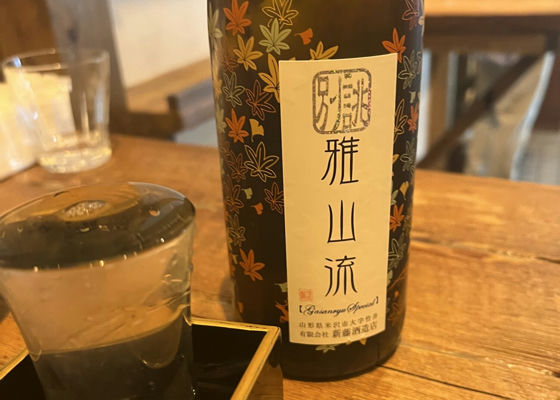
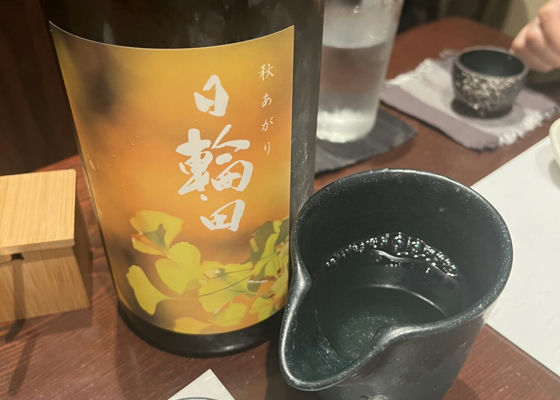
Hiyoroshi" is a sake brewed with Miyamanishiki from Nagano Prefecture and Miyagi yeast.
Fairly mild taste.
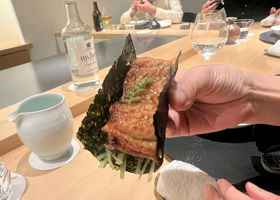
Served with unakyu (eel) from Lake Shinji.
Rice used: Miyamanishiki produced in Nagano Prefecture
Polishing ratio: 50%.
Sake meter degree: +2
Acidity: 1.7
Amino Acidity・・・1.1
Alcohol content・・・16
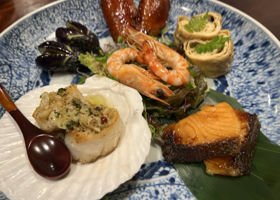
Pairing at a somewhat nice kappo restaurant.
Since it was a fish dish, a very dry wine was served.
It was indeed crisp and good!
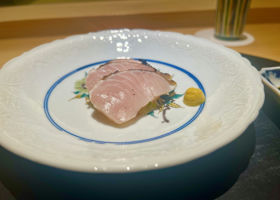
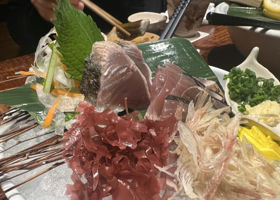
With Yamagata's straw-roasted Spanish mackerel.
Rice used: 100% Sakanishiki from Shimane Prefecture
Rice polishing ratio: 55
Alcohol content: 16%.
Sake degree: +15
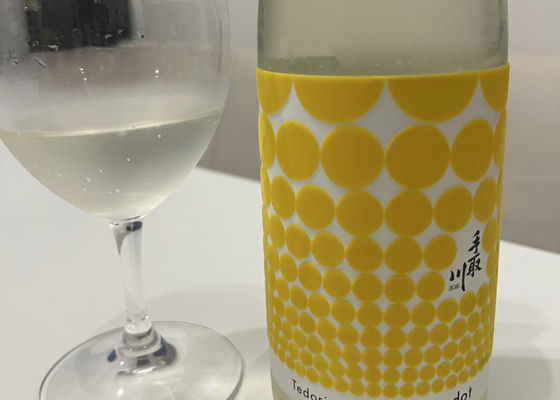
It is a sparkling dot of Tetorigawa, which is one of my five favorite sparkling wines of nature, very well-balanced, aromatic, and very tasteful to enjoy in a glass of wine.
The bottle was opened and emptied on the same day.
I like the felt feel of the label.
Ingredients : rice, rice malt
Alcohol content: 13%.
Sake Degree : Undisclosed
Acidity : Undisclosed
Rice type:Ishikawamon
Rice Polishing Ratio : 60
The third drink in Sendai. I don't remember much, but I think it was a mellow type.
Ingredients: rice (domestic), rice malt (domestic)
Rice polishing ratio: 60
Alcohol content: 16%.
Heartfull Whinase
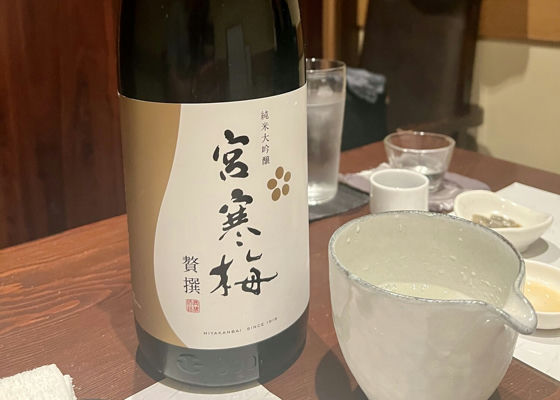
The second cup from a store in Sendai. This is Miyakanbai's Luxury Select.
It seems to be a standard sake all year round.
It has a strong umami flavor in a gorgeous taste.
It is beautiful but drinkable.
Ingredients Rice (domestic), Koji rice (domestic)
Rice used: 100% Kura-no-hana
Rice polishing ratio 40
Alcohol content 15
Heart Tsukushi Whinny
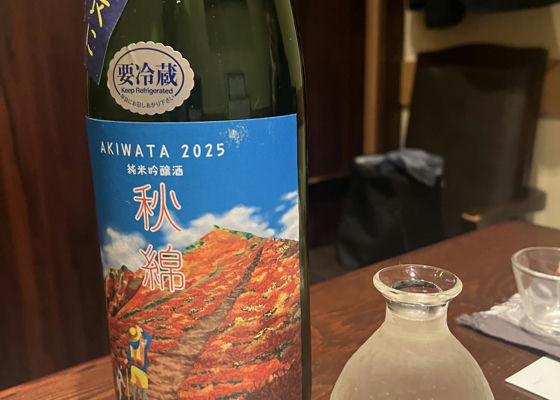
At a Japanese restaurant I stopped by briefly on a business trip to Sendai.
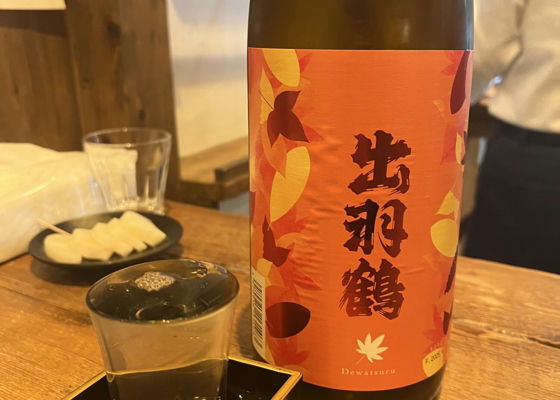
Wataya's autumn sake.
The acidity and sharpness are perfect for autumn meals.
Rice: Yamadanishiki produced in Miyagi Prefecture
Rice polishing ratio: 55
Alcohol content: 15
Sake meter rating: +3
Acidity: 2.1
Kokoro Tsukushi Whinase
It is quite sharp and dry, with a sake strength of +13.
It should be paired with fried food.
Rice: Miyamanishiki from Nagano
Rice polishing ratio 65
Alcohol content 16
Sake degree +13
Acidity 1.7
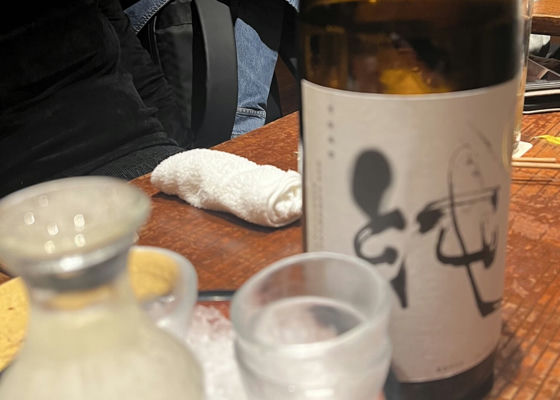
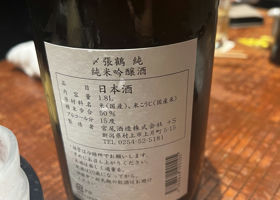
I'm out of focus, but this is Jun, a classic sake from Niigata's Sukajirizuru.
Light and tasty.
I drank it cold, but it might be good warmed.
Ingredients : Rice, Rice malt
Alcohol content: 15
Rice type: Gohyakumangoku
Rice Polishing Ratio:50
This autumn sake has a low alcohol content and a dark depth, yet it can be drunk in gulps.
Rice: Iwate rice
Yeast: Iwate yeast
Rice polishing ratio: 50%.
Alcohol content: 13%.
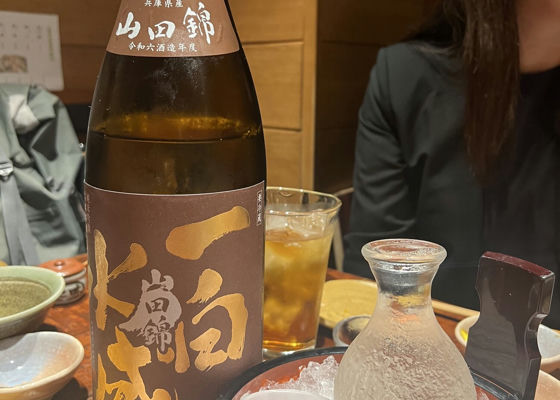
I have been drinking a lot of Isshaku-Suisei lately.
This Yamadanishiki has a sweet, gorgeous, beautiful fruitiness.
Rice:Yamada-Nishiki (Hyogo grown in Hyogo)
Polishing ratio: 50%.
Yeast used: Akita yeast
Alcohol percentage: 16
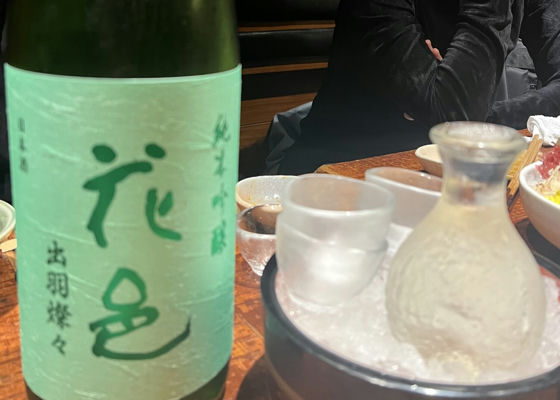
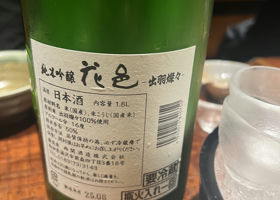
This is the second time this week at Hanamup Dewa Sanzan.
It is a delicious sweet fruity sake, but also has a good balance that does not fight when paired with sashimi.
Rice used: 100% Dewasanbana
Rice polishing ratio: 50
Alcohol content: 16%.
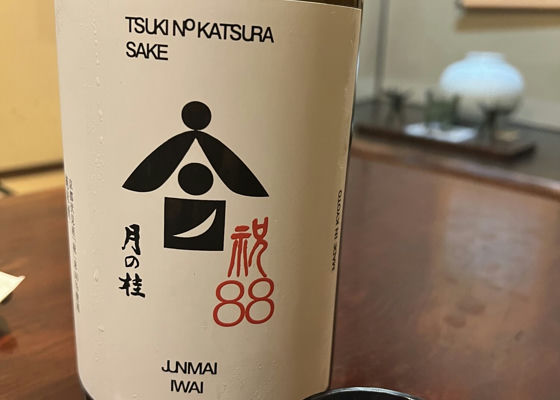
The sake is made from 100% Sakamai, a celebratory grape variety from Fushimi, Kyoto, and polished to 88%, a level of flavor that would be impossible without organic cultivation, but with a clean finish that is completely free of any cloying flavors.
The sake is made using the Edo Period (1603-1867) brewing method called jumizu-jikomi. The rice used is pesticide-free rice.
Ingredients: rice (domestic), rice malt (domestic)
Rice polishing ratio: 88
Ingredients: 100% "Shuku" produced in Fushimi, Kyoto
Alcohol content: 15
Jyunidanke Main Store
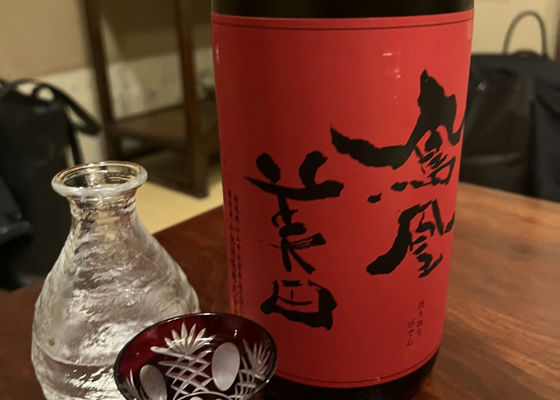
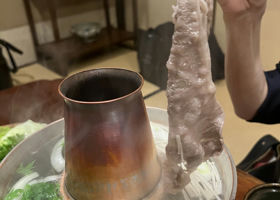
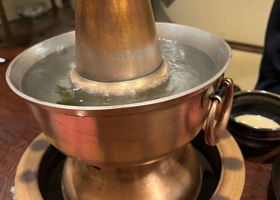
To match with beef shabu-shabu is dry Hououmida Aka-han.
This aromatic and dry Hououmida goes well with the fat of the Kyoto beef served in this shabu-shabu bowl that is heated over a charcoal fire!
Delicious!
Rice used: Yamadanishiki
Rice polishing ratio: 40
Alcohol content: 16-17%.
Junidanke Head Office
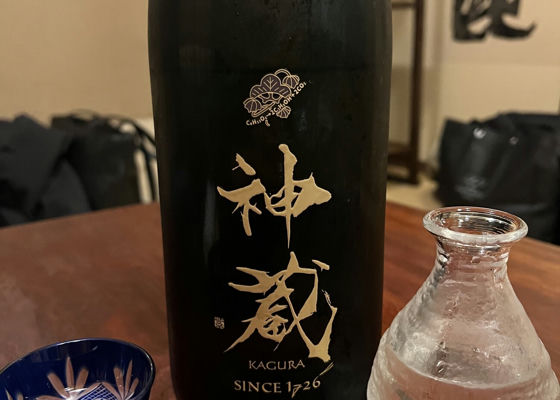
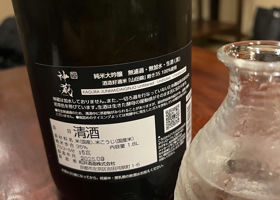
The first sake, Kagura Junmai Daiginjo, was served at the main restaurant of Junidanke, which is said to be the birthplace of shabu-shabu in Gion.
Polishing 35, it has a clear, elegant sweetness and a fruity taste. Delicious.
Served with 5 appetizers.
Ingredients: (U.S.A.), Rice Koji (domestic rice)
Ingredient Rice Yamadanishiki, Sake Brewing Rice
Polishing ratio 35
Alcohol content 15
Junidanke Head Office
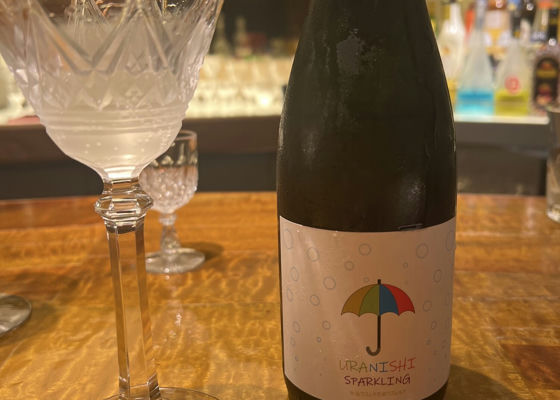
The day ended with URANISHI SPARKLING by Shiraki Hisashi, a sweet and sour, slightly sparkling sake using Milky Queen as the rice ingredient.
It contains a lot of orikori, which gives the sake a cloudy, shwashy taste.
Rice used: Milky Queen from Tango
Rice polishing ratio: 60
Alcohol content: 15.2
BAR@ART MON ZEN KYOTO