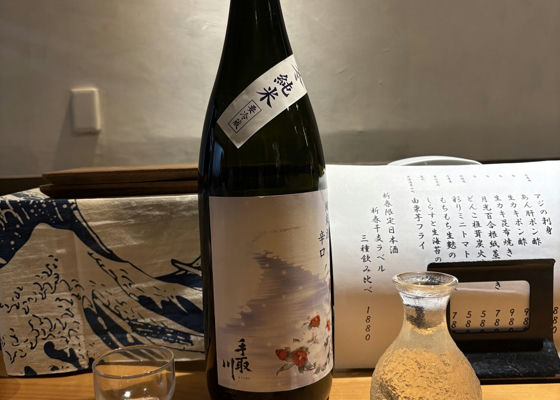
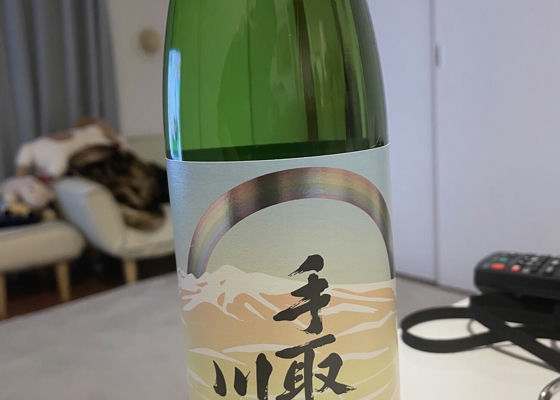
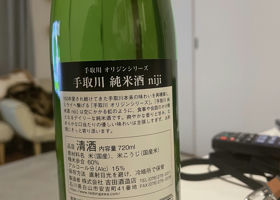
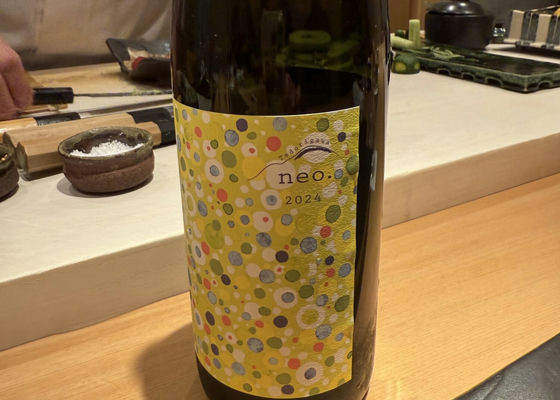
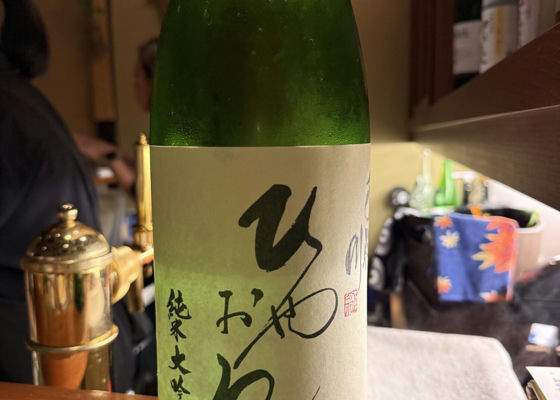
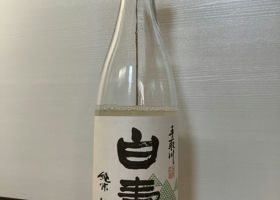
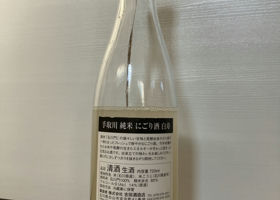
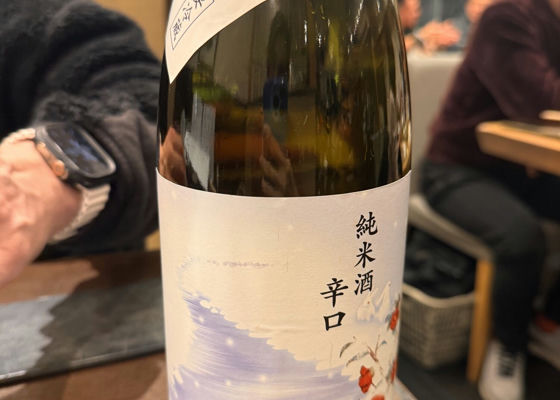
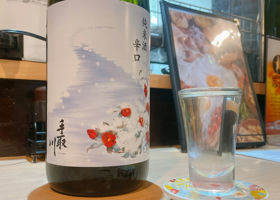
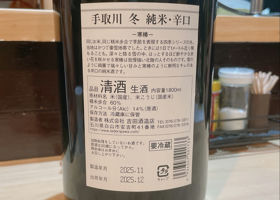
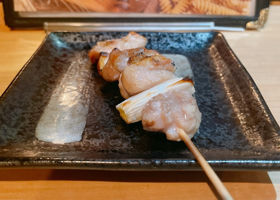
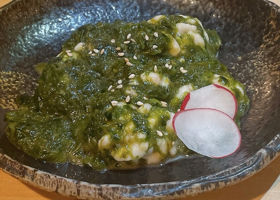
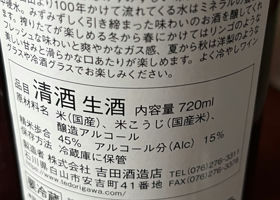
Purchased at the company's product fair Recommended as a meal accompaniment The taste is refreshing and crisp, yet a gentle sweetness lingers softly—truly delicious It has a slight melon flavor that I really enjoy
From Mr. Oikawa
I drank this sake last time and loved it!
I heard it is recommended to be served cold to lukewarm.
but it's also great hot.
It's so smooth on the palate!
You can feel the full flavor of the rice, and the sake is great on its own.
It's great as a stand-alone sake, but it's also great as a food sake
but it's also great as a food sake 👍
I'm sure it will be empty in no time.
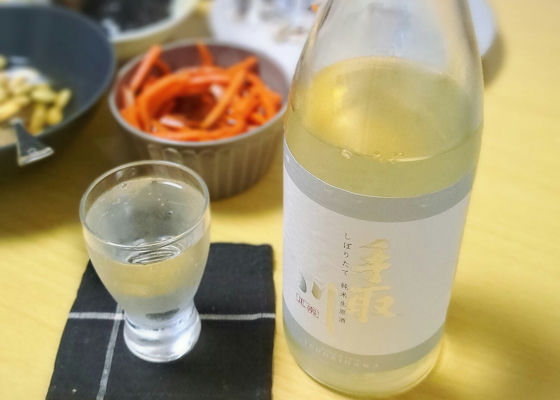
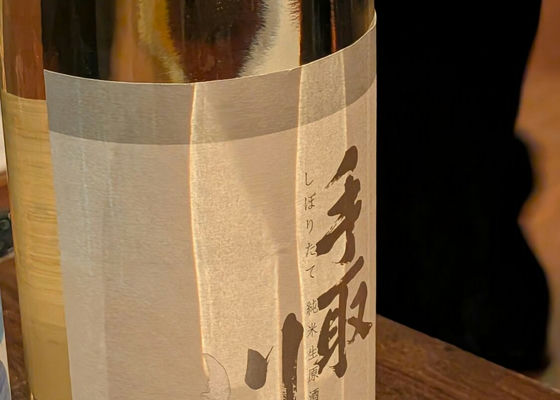
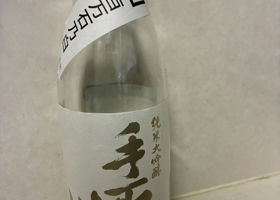
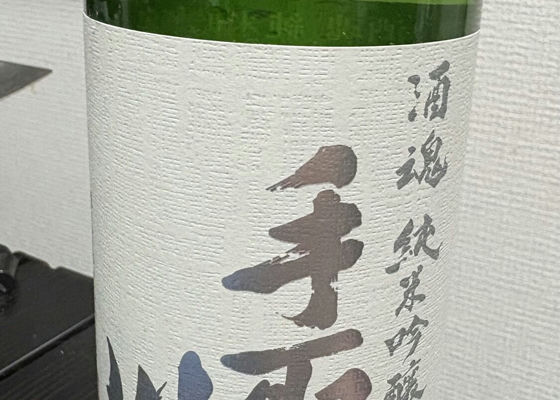
Tetorigawa Shiboritate Junmai Nama-zake
Opened a bottle of Tedorigawa that was given to me by a former boss in Kanazawa.
It has the freshness of freshly squeezed new rice and the delicious sweetness of rice that is typical of Tedorigawa.
It is delicious!
Thank you!
#Tedorigawa Shiboritate Junmai Nama-shu
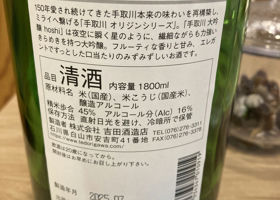
#Yoshida Sake Brewery
#Tedorikawa
Tedorigawa Junmai Nigori Sake Hakusyu 720ml.
Fresh sweetness and,
Deliciously gassy feeling. ❤️
A fresh and refreshing bottle.
This is another winter nigori that you can't miss. ❤️


 「手取川」を醸す株式会社吉田酒造店(石川県白山市)は、2021年5月に電力小売り事業者の「みんな電力(現:UPDATER株式会社)」と契約を結びました。これにより蔵で使用する電気が、環境負荷の少ない再生可能エネルギーに全面的に切り替えられます。 従来から持続可能な社会や環境問題の解決に向けてさまざまな対策をとってきた吉田酒造店の取り組みについて、代表取締役社長の吉田泰之さんを取材しました。SAKE Street | プロも愛読の日本酒メディア
 「SDGs(Sustainable Development Goals)」とは、国連が定めた17の持続可能な開SAKETIMES | 日本酒をもっと知りたくなるWEBメディア
 株式会社ユナイテッドアローズ(東京都渋谷区)は、株式会社吉田酒造店(石川県白山市)とコラボレーションした日本酒SAKETIMES | 日本酒をもっと知りたくなるWEBメディア