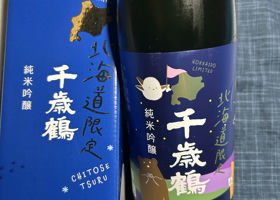
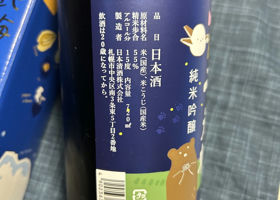
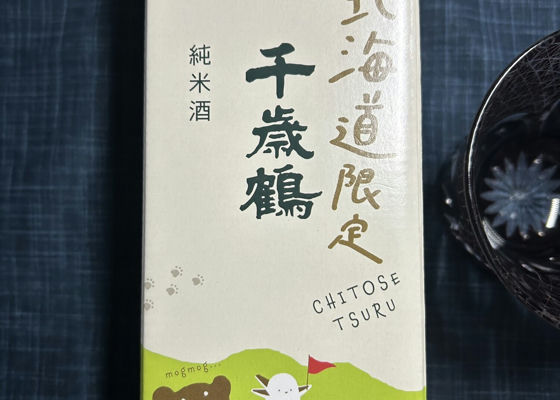
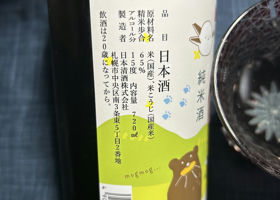
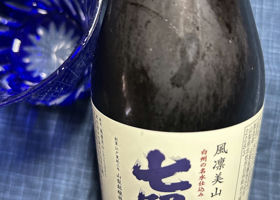
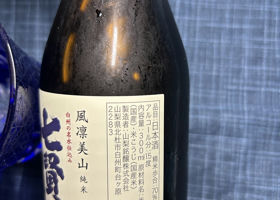
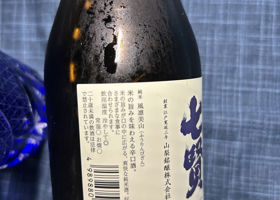
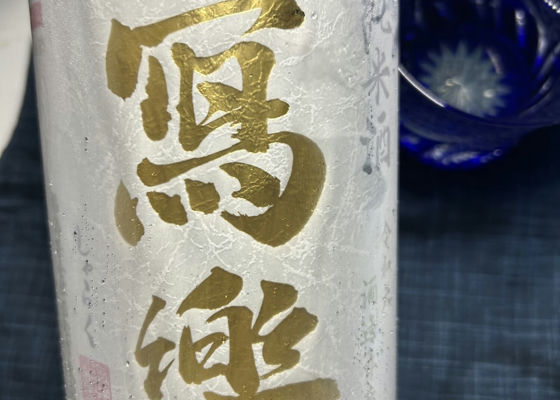
Rice polishing ratio 55
Alcohol content 15%.
It is a refreshing and tasty food sake.
It was a hometown tax payment from Sapporo city.
Thank you very much!
Hokkaido/Sapporo City
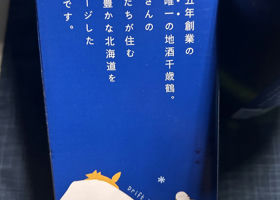
Chitosekuru is Sapporo's only locally brewed sake, established in 1872.
It is brewed with the image of a sake that can be enjoyed while talking about memories and daily life in Hokkaido.
Junmai-shu is brewed with sake rice born in the magnificent land of Hokkaido and water rich in natural blessings.
It has an aroma that gently envelops you like the northern land and a rich flavor that spreads in your mouth.
It was a hometown tax payment from Sapporo City.
It is a food sake🍶.
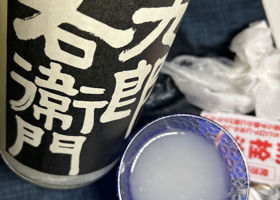
If only I had a bottle of Juichu 😊.
As you can see.
I opened it gently 😖.
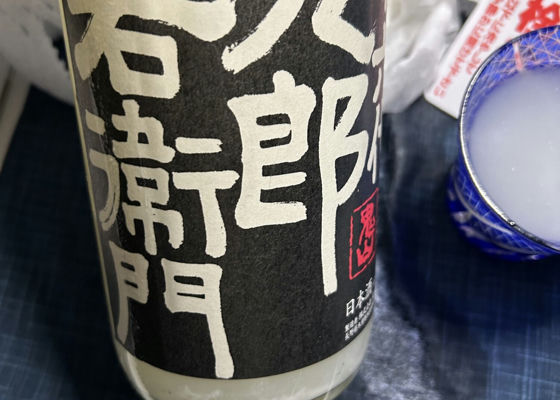
Poof! It was a "plop".
≫≫≫Be careful when opening the package.
The foam is strong and easily blows out when opening the package.
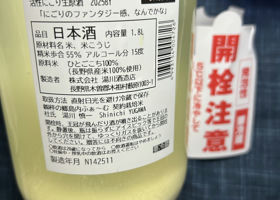
Yukawa Sake Brewery was founded in 1650, in the early Edo period. It has the second oldest history in Nagano Prefecture. In the Kiso valley, rice was obtained instead of paying annual tribute in the form of high-quality timber. It was with this rice that Kuroemon II began brewing sake.
The Yabuharajuku area of Kisoji, where the Yukawa Sake Brewery is located, was home to many day laborers who came from all over to work in the mountains, as well as many travelers and inns as the area was located near the difficult Torii Pass and was a junction to the Hida Highway.
Among the 11 inns in Kiso, the Honjin was the largest, and many feudal lords stayed there, as well as a side Honjin and two wholesale stores. Sake was in great demand at the inn, and sake brewing flourished, with two breweries in addition to the Yukawa family listed in an 1869 document.
I have been curious about this drink 🍶 lately.
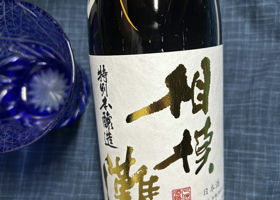
Rice】100% Miyamanishiki produced in Nagano
Polishing ratio: 60
Sake yeast No. 9 [Sake meter] +3
Acidity] 1.4
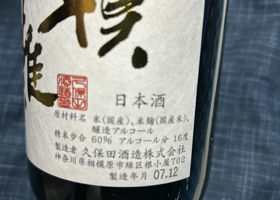
This special honjozo is made by polishing up to 60% Miyamanishiki produced in Nagano. It is one of the few honjozo type sake from Sagaminada, but it is brewed completely by hand in the same way as daiginjo-type sake. It has excellent cost performance, so it is ideal for those who want to enjoy the rice flavor and clarity typical of Sagaminada. Nama-shu is available only during the winter season.
1,440 yen including tax
This is outstanding!
It is good as usual.
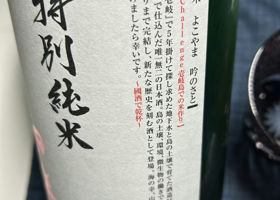
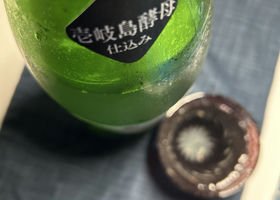
After 5 years of brewing, the first sake brewed with "Gin-no-sato" rice from Iki Island, marking a new history!
Rice cultivation on Iki Island was positioned as the Next Challenge.
The first chapter has now come to fruition.
This is a one-of-a-kind sake brewed with "Gin-no-sato," rice suitable for sake brewing, grown on the island's soil and groundwater that we spent five years searching for on the island of the gods, "Iki.
From rice cultivation to sake brewing, the soil, environment, and microorganisms of Iki Island complete this sake, which marks a new history.
It is characterized by its gentle banana aroma, elegant and resilient flavor, and clean body.
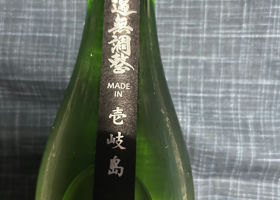
Living with Iki, sake brewing that roars around the world
Iki Island in Nagasaki Prefecture is called the "Island of the Gods" because it is said to be the fifth island created in the myth of "Kojiki," or the creation of the country.
Cheap and tasty!
No doubt about it 😊.
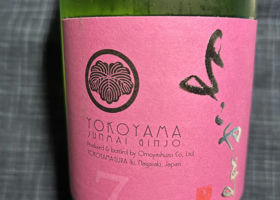
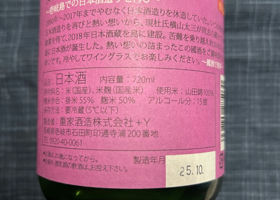
I continued with Yokoyama-san.
Bringing Japan's National Sake to the World
Established in 1924, Taisho 13. Iki Island is located in the northern part of Nagasaki Prefecture. It is also called a border island and was registered as a Japanese Heritage Site in 2015. It is also a fruitful island where fishing and agriculture are said to have flourished since ancient times due to its rich nature, mild climate, and nourishing soil. Iki, where grain grows well, is also considered the birthplace of barley shochu. Sake loved around the world is delivered from Iki. We want to make sake again with the water and rice of this land... We have revived the sake brewing in Iki with the desire to once again make sake with the local water and rice. Starting with sake brewing training, searching for water suitable for sake on the island, cultivating Iki-produced Yamadanishiki, and various other trial and error processes, we have finally succeeded in producing top-quality sake.
It is said that the insects are big on Iki Island.
Sake 🍶 is good!
The thick, powerful flavor of Yamada-Nishiki and the softness of Omachi,
and the softness and prettiness of Yumachi.
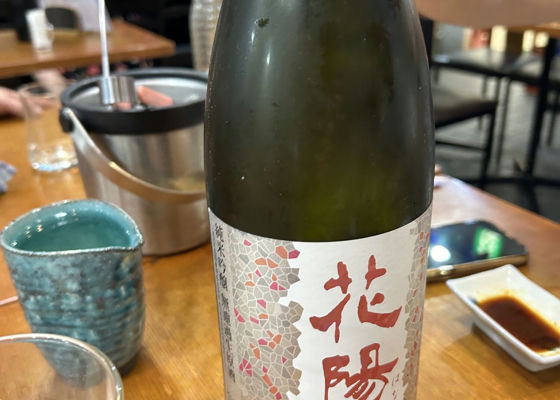
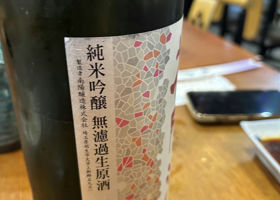
Hana-yoso Junmai Ginjyo
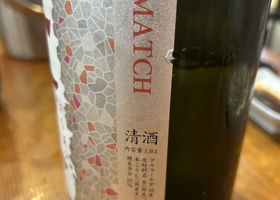
THE MATCH55
Unfiltered Nama Sake".
It's good!
It's been a while since I've had The Match.
The aroma is as strong as ever 😊.
This junmai ginjo nama sake is made with Yamadanishiki 55 and Omachi 55.
A very limited edition that perfectly matches the charms of Yamadanishiki and Omachi.
Rice used: Yamadanishiki and Omachi
Rice polishing ratio: 55
Alcohol content: 16%.
Storage method: Refrigeration required
Producer: Nanyo Jozo (Saitama Prefecture)
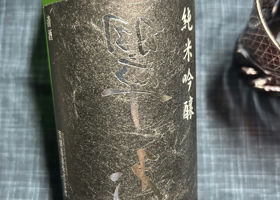
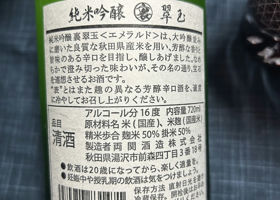
Junmai Ginjo Ura Suitama (Emerald) is brewed with high-quality Akita rice polished to the level of Daiginjo, aiming for a dry taste with a mellow aroma and delicious flavor. As the name suggests, the smooth and clear taste of this sake is reminiscent of a jewel.
It is a mellow, dry sake with a different flavor from the "Omote" label.
I think it is hard to convey the sense of dryness because it is so mellow.
It is delicious!
Too good to open right away 😊.
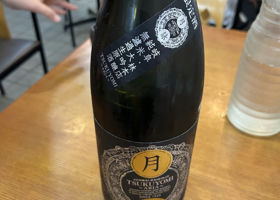
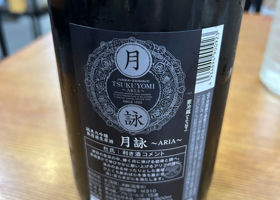
Tsukuyomi - ARIA - Tsukuyomi
Dewa Sanzu Junmai Daiginjo Unfiltered Nama-shu
The latest limited edition from Hayashi Honten, the brewer of "Hyakujuro"!
Junmai Daiginjo-Unfiltered Nama-shu, brewed with 50% Dewa Tsannin polished rice x M310!
A melody and tune dedicated to the moon shining peacefully in the silent night sky.
It has a deep and relaxing aroma like an emotionally rich and elongated "aria" sung by a mixture of ancient tales of the gods and modern sensibilities, which echoes in the silence you cannot help but listen to.
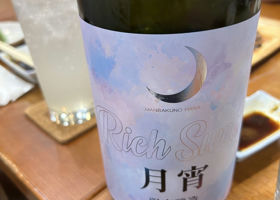
I had both "Tsukiyo" and "Gekiyo" at the store, and I was not sure what they were!
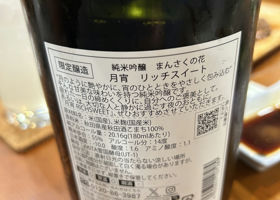
This product was created as a limited-edition brewed sake to be paired with Hinomaru HYPER DRY (super dry).
We initially considered naming it "Hinomaru Extra Sweet," but decided to go with a product that is not an extremely low-alcohol, sweet sake, but rather a product with a "sweetness typical of mansaku-no-hana," which led to the release of this product.
The word "Tsuki Yoi" (moonlight evening) on the label expresses our wish that this sake be enjoyed not in the depths of the night, but in the "evening hours," shortly after sunset.
It is characterized by a refined sweetness that is in harmony with the acidity, and the sweetness that spreads to the tip of the tongue remains in the mouth until the moment it passes down the throat. The sweetness is wrapped in a hint of bitterness, and even when paired with food, the wine is well-balanced without tiring.
The very soft and gentle sweetness that is unique to "Mansaku no Hana" is a perfect match with food.
Is it spicy? Mmm.
Yum😊.
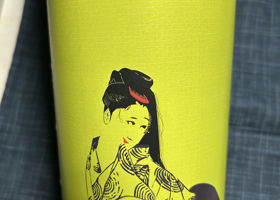
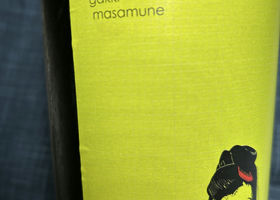
The popular brand "Gakki Masamune" was created by "Daikichi Nidaime" who laid the foundation of the popular Oki Daikichi Honten and was a local favorite during the Taisho Era (1912-1926).
The current president, Mr. Yuta Ohki, has taken over the spirit of "Daikichi Nidaime" and revived it in the modern age by introducing a more advanced brewing culture.
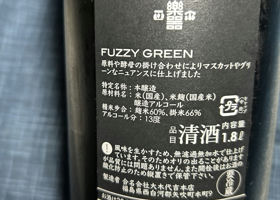
Gakki Masamune" FUZZY GREEN
Honjozo
Light-bodied, refreshing taste
Muscat and melon-like aroma.
It has a refreshing, green, cool feeling.
The mouthfeel is clean, light and tight.
This! This is soooo good 😊.
Cheap! Delicious!
It was a souvenir from the warehouse!
A dry sake that lets you taste the flavor of rice.
A refreshing junmai sake with the delicious taste of rice spreading in the mouth. This dry sake can be served cold, at room temperature, or lukewarm. It can be served cold, at room temperature, or lukewarm, and can be paired with a variety of meals at your preferred temperature.
I got it in August.
Thank you for the sake.
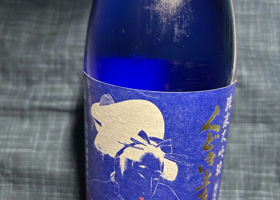
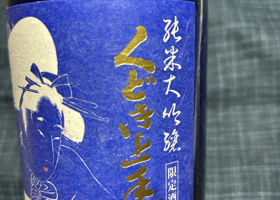
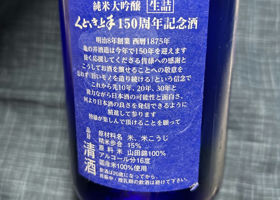
Junmai Daiginjyo 150 years in business!
In 1875 (Meiji 8), the company disposed of its rice paddies, fields, and forests and used the proceeds to buy shares in a sake brewery, and the sake brewing business began.
To celebrate the 150th anniversary of the company's founding, two types of Kudoki-Ute were produced: Yamada-Nishiki, the king of sake rice, and Yamadaho, its mother rice, polished to 15%.
The "Yamada-Nishiki" rice is polished to the utmost limit to produce 15% polished rice, and brewed with M310 yeast and Association No. 10 yeast (Akari Ogawa yeast) to produce a superb bottle of sake.
M310 yeast produces a fruity aroma that combines a gorgeous aroma of ethyl caproate reminiscent of green apples with subtle banana nuances. Because it ferments slowly at low temperatures, it is characterized by low acidity and a clean, delicate flavor. On the other hand, Association No. 10 yeast brings out an elegant ginjo aroma.
Rice used: Yamadanishiki
Rice polishing ratio : 15
Alcohol content : 16.0%.
The winner is the following It is the winner🏆.
Too good 🐴.
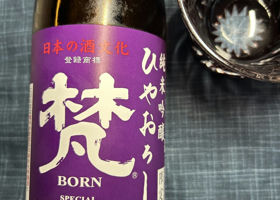
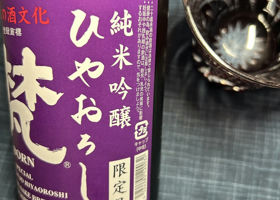
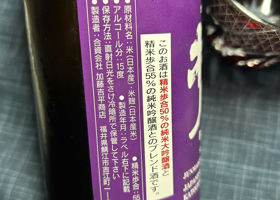
Bon hiyaoroshi is a blend of junmai daiginjo (50% polished rice) and junmai ginjo (55% polished rice). The rice used is Gohyakumangoku and Yamadanishiki from the special A district of Hyogo Prefecture, and this hiyaoroshi is a luxurious spec hiyaoroshi from which the most flavorful parts are extracted. It is aged in ice temperature until mid-summer, and has a mild and structured flavor.
The aroma is gentle, sweet, and noble. The taste is clean and tight when you take a sip. The mouthfeel is smooth and crisp like a clear stream. When heated up, the smooth, deep flavor and lingering aftertaste are truly mellow and umakuchi!
Hi Hiyaoroshi" is only available in the fall, but it is so popular that some fans say, "If I could drink it all year round...".
Rice used: "Yamadanishiki" from the special A district of Hyogo Prefecture / "Gohyakumangoku" from Fukui Prefecture
It has a pleasant bitterness.
It is a slight bitterness like coffee ☕️, so it is an aftertaste! Is it just me? I'm sure it's just me lol
I thought I would prefer the gold since it's the same price, but this bitterness is delicious😊.
Collage
Sharaku Junmaishu
It is made from "Yume-no-Kou" rice, which is suitable for sake brewing. The rice is produced together with farmers in the Aizu area. It was developed by the prefectural government to suit the climate and natural environment of Fukushima Prefecture. It has a slightly subdued nose with a hint of sweetness. In the mouth, the fresh, fruity aroma spreads, and the flavor and richness of the rice can be tasted. The subtle acidity in the finish tightens the taste, making it a crisp, clean, standard Junmai-shu.
Ingredients: Rice, rice malt
Rice polishing ratio 60
1 time
Good😊cheap🙆No doubt.
The price of rice is so high these days that the price of sake 🍶 has gone up tremendously!
I've gone from Junmai Daiginjo to Junmai Ginjo, and I can no longer buy only Junmai sake 😖.
I'm sure there are some people who can only afford junmai sake 😖, so this is 3,247 yen.
Junmai Daiginjo
Hiiryu
Gohyakumangoku
Polishing ratio 50%.
Alcohol content 16%.
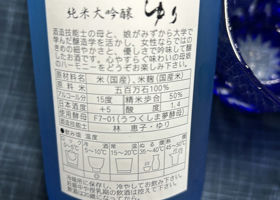
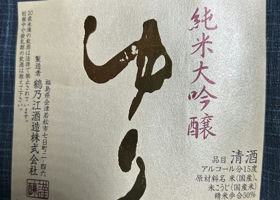
Gentle sake "Yuri" brewed by a mother and daughter brewmasters
Sake is a living thing. It is important to be attentive and considerate.
The charm of sake brewing is the taste created by the delicate balance of sweetness, spiciness, acidity, astringency, and bitterness. It is a demanding world that responds honestly to the skill of the brewer and the effort he or she spares, and does not tolerate any treats from the heart. As a child, I did not know how sake was made, but as I studied brewing in college, I became interested in sake brewing and joined the family brewery with the goal of becoming a female toji.
In the past, women were not allowed in the sake brewery. However, with the delicate attention to detail that only a woman can provide, and with the cooperation of the toji and the brewery staff, a gentle sake was born.
Yuri" is a sake created from "Japanese brewing quality sake" and brewed together with my mother, who is a sake brewing engineer, as if we were loving it. It has a fine, delicate flavor that can be served not only with Japanese food, but also with a little bit of Western food.
I received this as a thank you 🙇 for your kindness!
Thank you very much!
We enjoyed it deliciously 🍶.
It's a spicy sake and goes well with any meal.
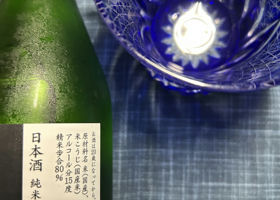
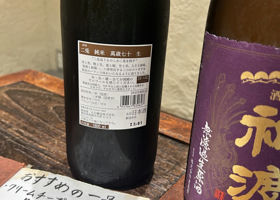
Rice polishing ratio 80
Alcohol content 15
We had it!
It is slightly colored.
It is a food sake.
It is 300ml, so it will run out quickly😄.
It was a gift!
The taste of harvest delivered by Usagi
The deep flavor of special rice
From Nitoshi, a famous sake brewed in Okazaki City, Aichi Prefecture, comes "Junmai Manzai 70" made with special rice. This sake is made from a variety of rice called Manzai, polished to 70%. It is a carefully brewed sake with a calm, hi-ire style.
Manzai is a historic variety that was dedicated at the time of the Taisho era (1912-1926) to the "Otamesai," a ceremony held on the occasion of the Emperor's enthronement to pray for a good harvest and the peace of the country. At the time, the Okazaki area was selected as a field to cultivate Manzai for the dedication at the Omame Festival, and thus this sake rice has a strong connection with the Okazaki area. Its cultivation had ceased at one point, but has been restored after 100 years by volunteer farmers in Okazaki. Although it is a rice, it is considered to have excellent sake brewing qualities and is as good as Omachi.
It was a delicious sake and food.
Thank you very much 😊.
This year's Taro Series is Mochizuki Shoten's private brand at Sumikawa Sake Brewery
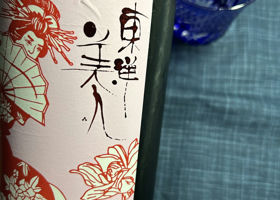
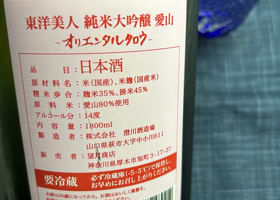
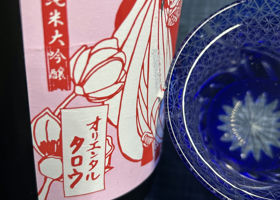
Toyo Bijin Junmai Daiginjo Oriental Taro Aizan 45%💗.
14% alcohol by volume ✳︎
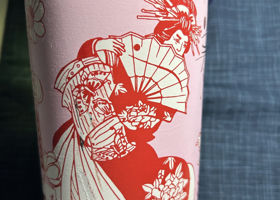
The gorgeous dancing Taro expresses the glamour and deliciousness of Toyo Bijin. ⭐︎ The fan is decorated with the Mochizuki Shoten logo and looks as if it is about to start moving.
Toyo Bijin in full bloom is made with Aizan, and the gorgeousness and sweetness that is typical of Toyo Bijin are still present.â
The bitter aftertaste is unbelievably delicious compared to the raw sake, and it is easy to match with meals. ❣️
A direct match with a great sharpness.
Delicious!
Now that it's scorching hot, Taro is fired up and it's Taro's turn 🔥.
2025.8.19
This is a delicious sake 🍶 with the sweetness of Aizan.
It is lighter than raw and you may wonder if you can drink it for the rest of your life🙆
Mature taste with deepened umami
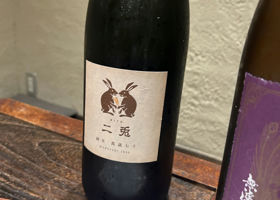
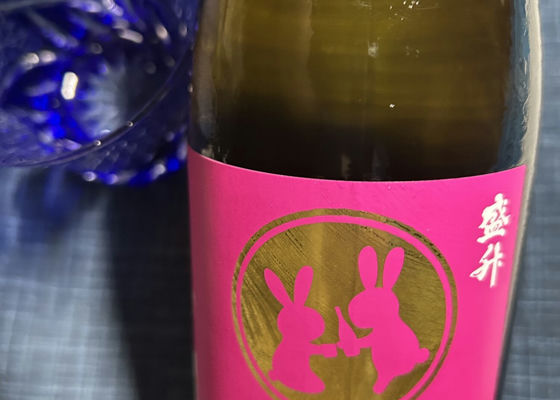
Junmai-shu Hiyoroshi, brewed in winter and matured over the summer
It has a mild flavor from maturation and a good balance of sweetness and acidity. The rabbit standing in the moonlit night is perfect for a quiet autumn night to savor slowly. It can be enjoyed either cold or warmed, and when paired with autumnal delicacies, it offers even greater depth of flavor. Why not take the time to savor it and feel the change of the season?
Specifications
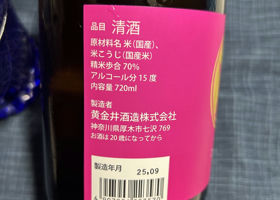
Rice polishing ratio 70%.
Alcohol content 15
Sake meter degree +1.0
It is colored!
Well, well, well, well, it tastes good 😊.
That's how it tastes.