出汁巻き
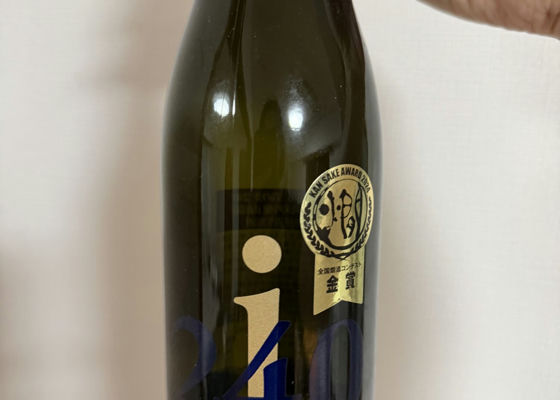
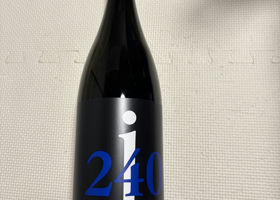
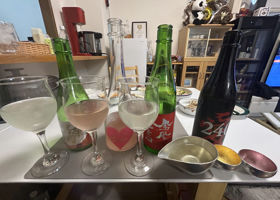
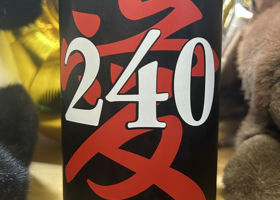
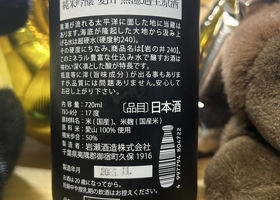
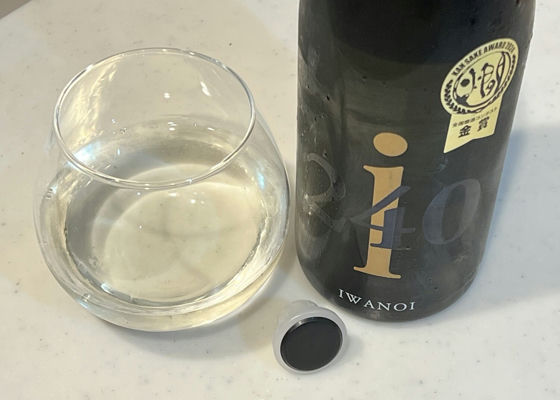
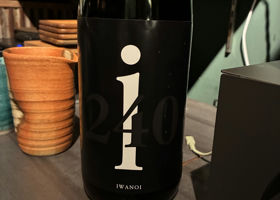
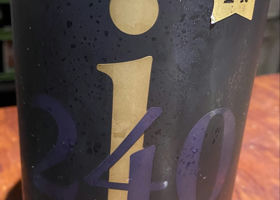
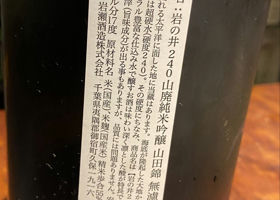
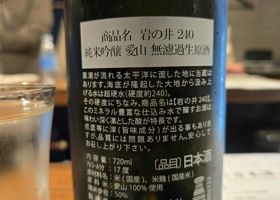
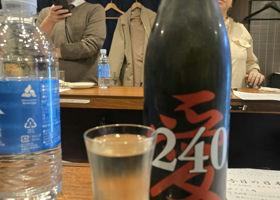
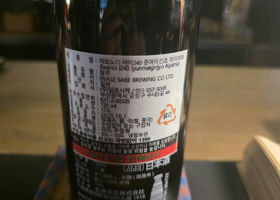
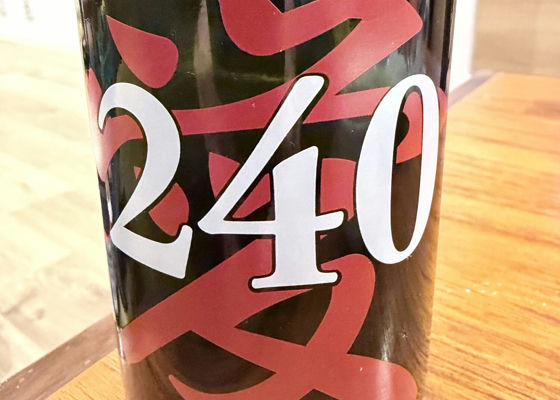
A gift. Aisan 100% means it looks pretty expensive lol.
It's a big weight.
Japanese>English
A chart created from flavor analysis of user comments.

Tags generated from flavor analysis of user comments.
We analyze the flavors based on everyone's comments and select similar brands.
 熟成古酒の復興と研究を目的に活動する長期熟成酒研究会は、「第6回『熟成古酒探検団』@岩の井」を千葉県御宿町にあSAKETIMES | 日本酒をもっと知りたくなるWEBメディア
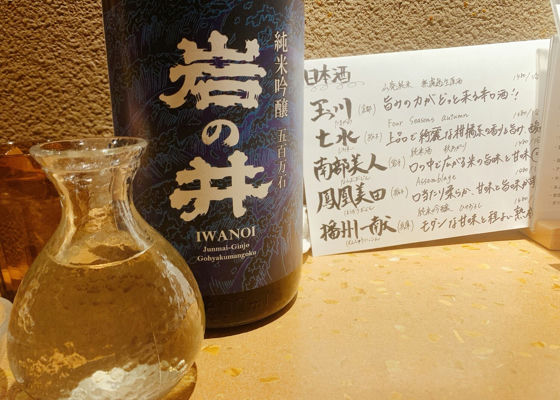
 日本でも有数の硬度をもつ仕込み水で醸される、千葉県・岩瀬酒造の日本酒「岩の井」。 硬い仕込み水は発酵を促進するSAKETIMES | 日本酒をもっと知りたくなるWEBメディア
 千葉県・岩瀬酒造の「岩の井 山廃純米大吟醸」は、世界的なワインの指標である「パーカーポイント」をはじめ、各国のSAKETIMES | 日本酒をもっと知りたくなるWEBメディア