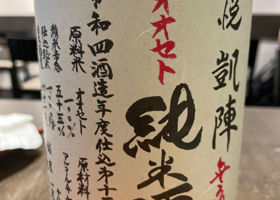
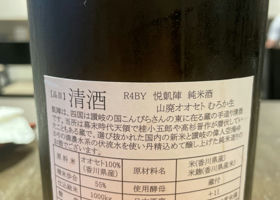
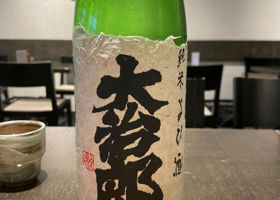
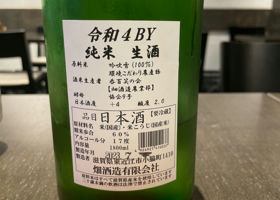
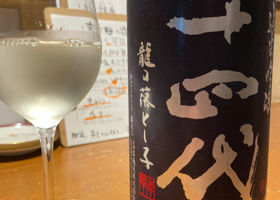
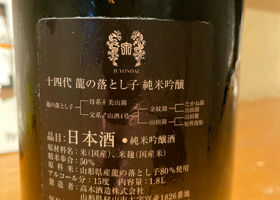
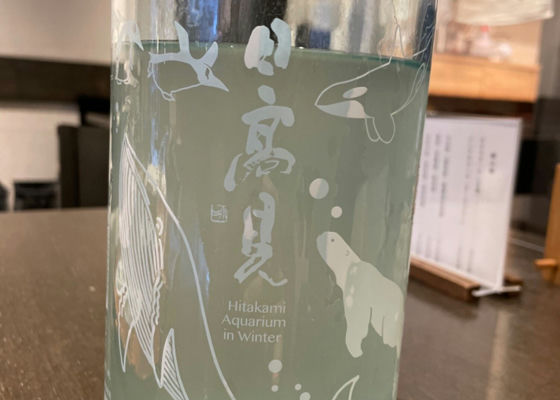
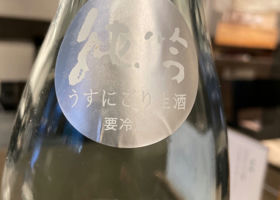
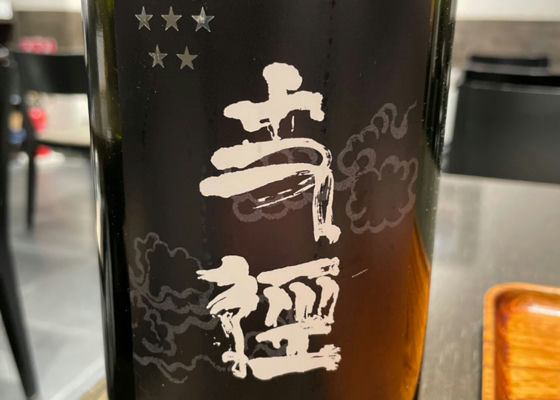
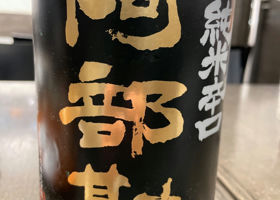
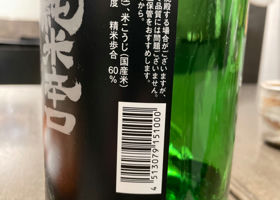
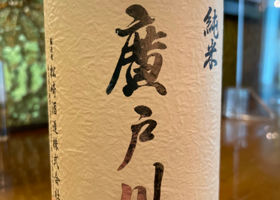
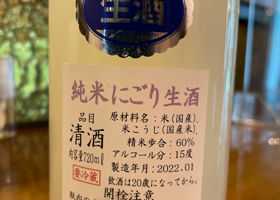
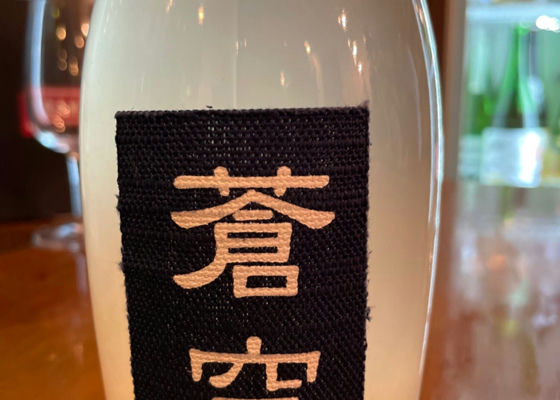
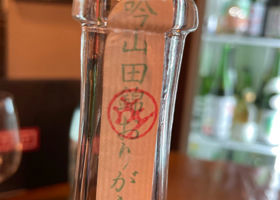
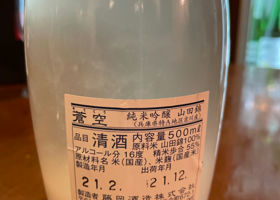
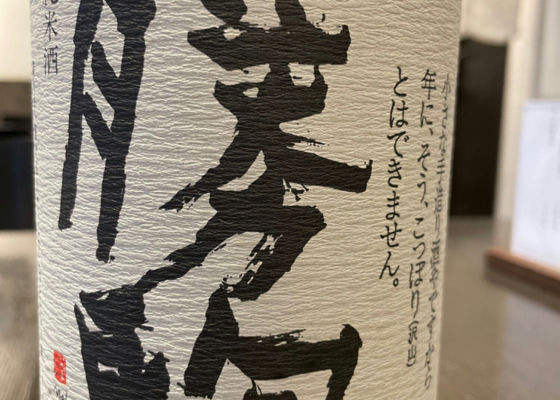
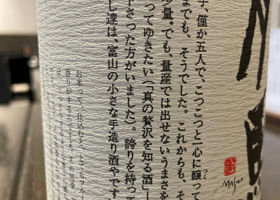
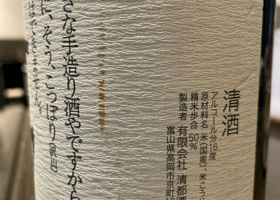
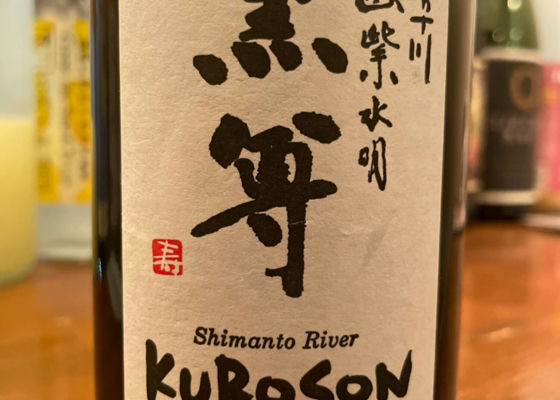
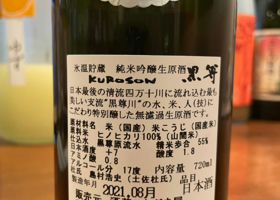
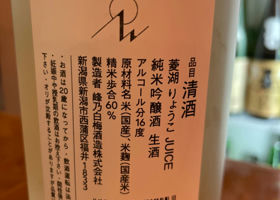
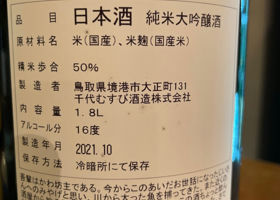
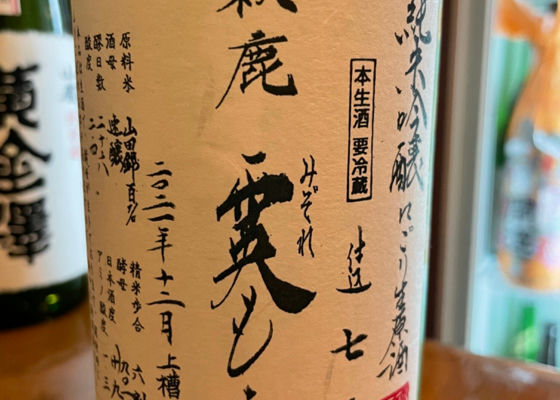
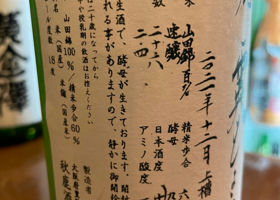
It has a sweet and sour taste that is typical of unfiltered, unfiltered, raw sake, but it is not that strong, and has a crisp and light taste.
The aftertaste is short, yet leaves a deep impression.
The brewery was damaged by the earthquake, and we hope that this flavor will be restored!
Almost no color and aroma.
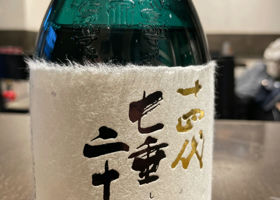
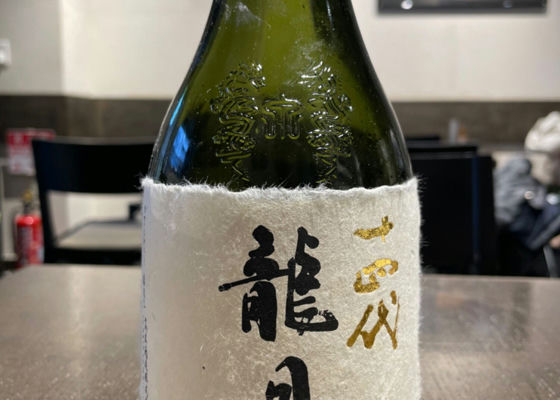
Like Ryugetsu, it has an elegant Japanese sweetness and a slight acidity.
Unlike the ice-aged Ryuzetsu, the lightness comes to the fore, and the freshness that still pops on the tongue is impressive.
I personally think that the impact on the palate, and the clean lingering aftertaste without bitterness or astringency, is a characteristic common to all Jyushidai, and is a strong point of the brand.
Slightly colored and almost no aroma.
In the mouth, sweetness and slight acidity like fine Japanese sweets.
The aftertaste is short, with no bitterness or astringency.
Overall, the taste is elegant, but not light, leaving a solid impression throughout the body.
There is no other way to describe it but to say that it is a masterpiece!
The aroma is light, but the taste has a firm acidity and umami as is typical of Yamahai.
This, combined with the clear water quality, gives the impact of a refreshing aftertaste and crispness.
It goes well with vinegared miso, which has a firm flavor and is weighted on acidity, rather than light dishes such as sashimi.
Light aroma and slightly yellowish color
No sweetness, light and clear acidity and supporting umami
There is almost no aftertaste, and the sharpness is vivid.
It is a little too strong for protein-rich foods such as raw octopus, but goes well with fatty white fish such as kampachi.
It goes well with fatty white fish such as kampachi.
Fairly clear taste among the Jyushidai.
Although it is clear, the sweetness characteristic of the Jyushidai is present, so it has a delicate yet firm structure.
It has the ability to go well with a wide range of dishes, from simple flavors such as kombujime sashimi of scallops and ishikage clams, or chilled tofu served with salt or ponzu (Japanese sauce made from citrus juice), to more profound flavors such as cured ham or Yamagata beef steak.
Melon-like fruit aroma.
Slightly smooth on the tongue, with a fresh sweet and sour taste in the mouth.
The overall line is thin and the texture is gentle.
The finish is short, leaving a slight bitterness at the back of the throat.
A rich, sweet, raisin-like aroma.
Light carbonation on the tongue with a tangy taste first.
Despite the sharpness, it has a calm sweetness.
The acidity is moderate, and the flavor comes later with a clear outline.
The sharpness is very good, and although the overall impression is thin, the flavor is not bland.
Slightly subdued melon-like aroma.
On the palate, a slight sweetness and a rounded flavor spread out first, followed by a firm acidity and a light bitterness.
The overall taste is very clean, polished, and clear.
The aftertaste is short, clear and fragile like a glass.
Refreshing rice aroma
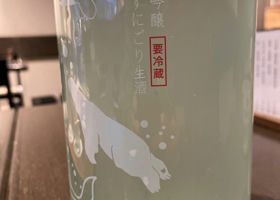
An overwhelming sense of freshness and a silky texture characteristic of nigori.
The sweetness and acidity are moderate, with a slight bitterness in the aftertaste and a short aftertaste.
Moderate scent
An overwhelming sense of piquancy.
It has a champagne-like effervescence, a beautiful acidity reminiscent of citrus fruits, a gentle sweetness that follows afterwards, and a short, light bitterness that finishes it off.
No.6 produced in the southern land
Apple-like aroma reminiscent of acidity.
Smooth texture, refreshing acidity, and soft sweetness and umami underneath.
It is not dense, but it has a certain impact, and yet the aftertaste is short.
Lightly colored, light fruity aroma.
Despite the sweetness of the aroma, the mouthfeel is surprisingly clear and soft.
There is no sweetness or sourness, and the taste of rice spreads softly, with a graceful aftertaste that fades into the background.
At the end, it leaves a slight alcohol feeling in the back of the throat.
Kure's limited edition sake
It has the rich, sweet flavor that only unfiltered, unpasteurized sake can deliver.
The sourness is very light and the alcohol feeling is thin.
What is noteworthy is its sharpness.
The impactful taste disappears in the next moment with such grace.
It is impressive that it has a thick core that does not lose to strongly seasoned dishes, and a short aftertaste that does not destroy the seasoning.
It's so piquant that you'd think it was sparkling.
A crisp, refreshing acidity, followed by a light sweetness and bitterness that accentuate the crisp, clean finish.
Overall, it is very fresh and leaves a vivid impression.
Clear, very soft, watery, light sweetness.
I don't know to what extent the alcoholic acidity affects the taste of the wine, but there is no sourness or alcoholic taste at all, and the aftertaste disappears quickly.
Light Cemedine smell with a hint of alcohol.
On the palate, a sweet and sour taste with a little more acidity spreads quickly.
The aftertaste is short and soon followed by a light bitterness that cuts the overall impression short.
Almost no weight, light impression.
Fresh fruit aroma with a hint of fragrance.
Mild sweetness, a hint of acidity, and then a crisp finish.
The overall taste is very modern, but very transparent.
The stimulation stings the tongue as if it were active nigori.
The silky taste of muddled sake and the fresh and impactful acidity of freshly brewed sake spread in the mouth in a rough but well-balanced manner.
It is not sweet and has a good sharpness, so it is interesting to pair it with western style dishes.
 Zunpapa