Logo
SakenowaRecord your sake experiences and discover your favorites
tobikkotobikko

Registered Date

Check-ins

64

Favorite Brands

0

Sake Map

The origins of the sake you've drunk are colored on the map.

Timeline

alt 1alt 2
24
tobikko
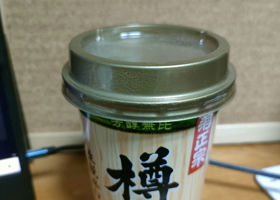
When I was working at a company in Shinbashi in my twenties, my senpai would take me to the izakaya (Japanese style pub) where they always had a good sake, and I remember drinking the sake that spilled out of the glass or had it heated to a hot temperature. Now that I have had a variety of sake, I find that it is as clear and smooth as its watery color, with a refreshing rice flavor and a slight alcohol aftertaste, and I feel the aesthetics of subtraction. I think this is the kind of Japanese spirit of harmony that the Japanese seek, which does not interfere with any food.
Japanese>English
alt 1
alt 2alt 3
25
tobikko
It has a strong aroma of cedar barrels, which is in line with the phrase "cask sake." It has a nostalgic aroma that I remember from when I worked at a liquor store as a student that sold sake in casks, and it also has the aroma I felt when I opened a cask of sake with a mallet at a company celebration, The sweetness of the rice is retained, yet it is dry and tasty, and the cedar elements may have been used to keep the aroma and taste simple because the other elements would have gotten in the way.
Japanese>English
alt 1alt 2
25
tobikko
The fresh melon and umami of the rice can be felt clearly, and although it is clear, it is difficult to judge whether it can be called dry or not, and because the aroma and taste are different, it is difficult to explain to others, but the fruity and umami that are not just dry are interesting and not like Niigata sake.
Japanese>English
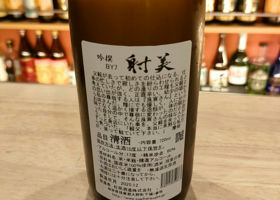
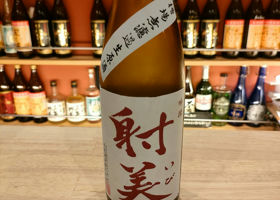
Ibi吟撰 槽場無濾過生原酒
alt 1alt 2
28
tobikko
Strong, strong sweetness, not as fruity as rumored, low acidity, mild and calm anyway, high alcohol content and richness, strong umami, specializing in sweetness anyway, best when recommending sweet sake to others, good for dessert after dinner rather than with food as it itself is a fruit-like sake. It is a fruit-like sake, so it is best for after-dinner desserts rather than for serving with food,
Japanese>English
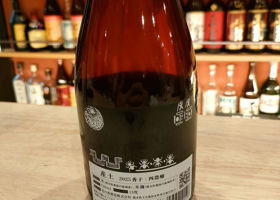
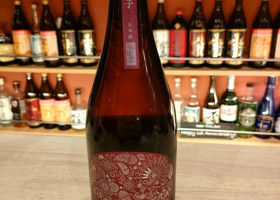
Ubusuna2025 香子 四農醸
alt 1alt 2
23
tobikko
Although the specifications are unknown, it has a strong rice flavor that you would expect from a low-polished sake, but I can't tell if this is a characteristic of Kako or due to its production method. There is some gasiness.
Japanese>English
alt 1alt 2
21
tobikko
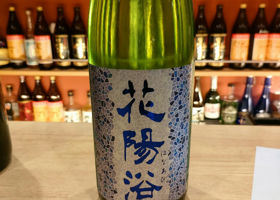
The second time in my life, I drank Huahangyoshu, it was just like a ripe pineapple, tropical fruitiness, too fruity with a cemedine smell, acidity felt at the back of the mouth with a bitterness, sweet and very high umami despite the Hachitan Nishiki, bitterness lingers on the finish, as it approaches room temperature, the aroma and sweetness settle down but a sourness also comes out, the last one I drank was too fruity and sweet, so I drank it as a grown up Huahangyoshu. The last time I drank it, it was fruity and sweet all the way through, so this is an adult Hanahayo.
Japanese>English
alt 1alt 2
21
tobikko
Unlike the usual Kubota, it is modern and tasty, the aroma is mellow and melon-like, the acidity is relatively low, it is a modern type, but you will never get tired of drinking it, it is a ripe tangerine, it is clear, yet somehow calm and soothing, it is a modern type suitable for a mid-meal drink, which is appreciated at restaurants.
Japanese>English
Jikon八反錦無濾過生
alt 1alt 2
29
tobikko
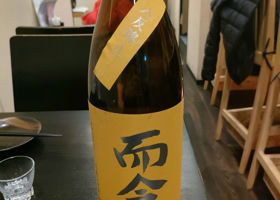
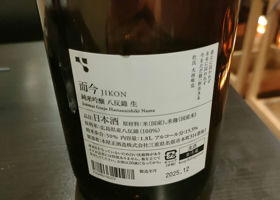
It maintains the sweet and fruity taste of Jikin, but has less rice umami due to the Hachitan-Nishiki, and has a clear and pure sake quality, with a slightly strong bitterness and miscellaneous tastes, which is good to enjoy as a variation if you are bored with the usual Jikin.
Japanese>English
alt 1
alt 2alt 3
22
tobikko
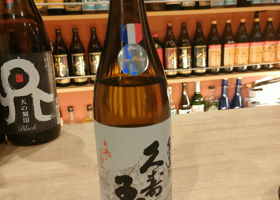
I met the brewer at an izakaya in Gifu and he introduced it to me. I am not interested in Japanese contests, but there is a French flag sticker on the bottle because it won a prize at a French contest. It is possible to taste some smokiness, and definitely has a royal flavor and acidity that spreads in the mouth, if you like classic types, you will definitely like it!
Japanese>English
alt 1alt 2
20
tobikko
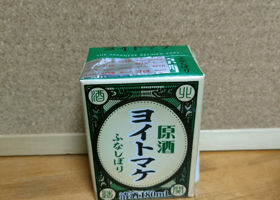
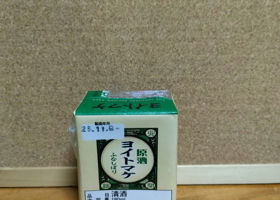
It has a very strong punch with an alcohol content of over 20 degrees, a rich rice flavor and added sugar to weaken the attack, and as the word "yoitmake" describes the hard labor, it soaks into your tired body with a heavy impact, and if you pour this sweet sake into your exhausted body, you will fall asleep instantly. We must accept the fact that this kind of alcohol saved the lives of the common people after the war.
Japanese>English
Kamotsuru生囲い 氷点熟成 生貯蔵酒
alt 1
alt 2alt 3
20
tobikko
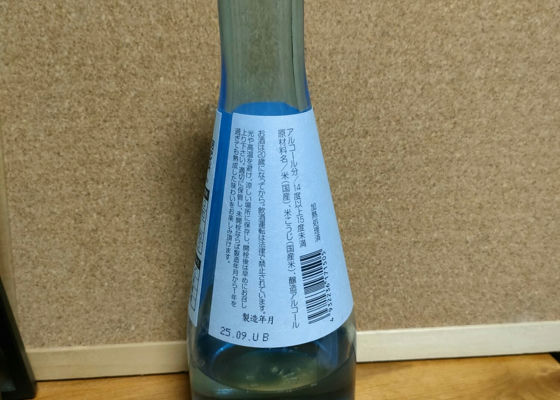
Basically, it is light and slightly sweet, with a clear and light aroma that is typical of a freshly stored sake, a rummy aroma from highly polished rice, a mild ginjo aroma, and a mild citrus aroma like ponkan. If you don't like these elements, you should drink it cold.
Japanese>English
alt 1alt 2
22
tobikko
This may be the first time I've ever consciously drank a sake that is stored and sold in a convenience store, and compared to the standard sake, it clearly has a freshness that is close to that of a nama-shu, the aroma is mild apple, slightly peach, mild ginjo aroma, and a mature aroma with a very slight hint of smokiness, the rice polishing ratio is low and the alcohol content is 15%. The sake is well-balanced with a lot of sake-like elements. It is best to drink it cold to weaken the attack and taste it with strong flavored dishes.
Japanese>English
alt 1alt 2
17
tobikko
It is the number one selling sake with its overwhelming cost performance. At best, it goes with everything, at worst, it has no personality. When you are tired and exhausted, the gentle taste that does not make you tired will give you a healing effect.
Japanese>English
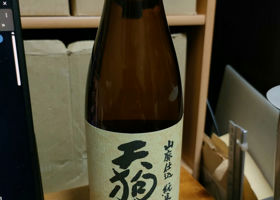
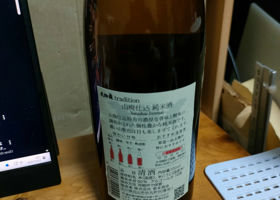
Tengumai山廃仕込み 純米酒
alt 1alt 2
27
tobikko
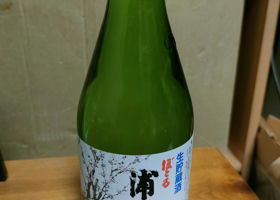
I was curious about this sake because it was introduced as a sake that goes well with raw oysters in a certain anime "Mimi-shimbo". The anime depicted it as having no fishy smell when paired with raw oysters, but I wondered if a sake with such a strong aroma and taste would really go well with raw oysters.
Japanese>English
alt 1
alt 2alt 3
21
tobikko
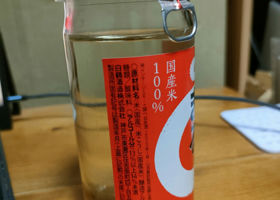
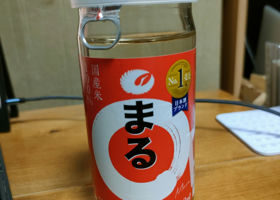
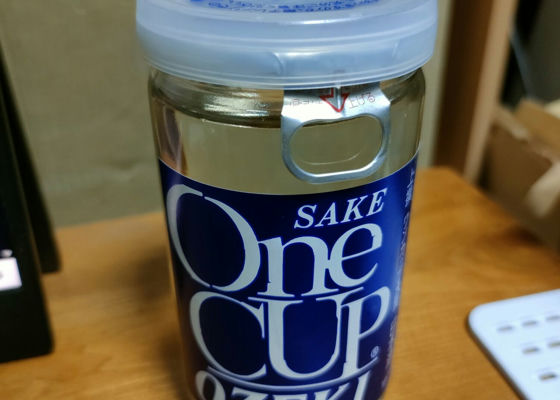
You can't call yourself a sake lover without drinking this one-cup Ozeki. The aroma is classic and slightly matured, and it goes well with izakaya (Japanese-style bar) dishes such as yakitori (grilled chicken), oden (oden stew), and motsuni-stew.
Japanese>English
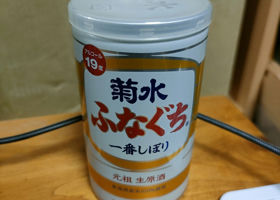
Kikusuiふなぐち 菊水 一番しぼり
alt 1alt 2
27
tobikko
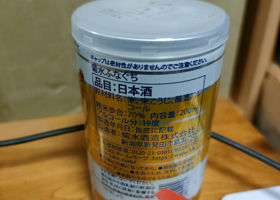
The bottle we received had a strong aroma of caramel and caramel coloring. The rice polishing ratio is relatively low at 70%, so the complex flavor of the rice is still present.
Japanese>English
alt 1alt 2
25
tobikko
It has a mild and mellow rice aroma, and although it does not have a flashy fruity flavor, it has a clear and clean aroma, which makes it easy to recommend as a mid-meal sake,
Japanese>English
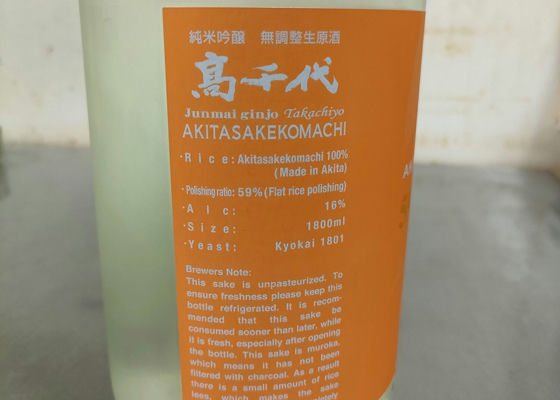
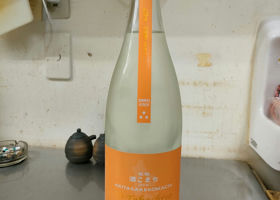
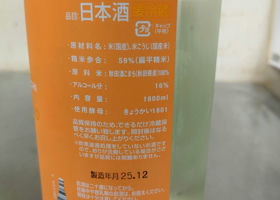
Takachiyo秋田酒こまち100%
alt 1
alt 2alt 3
23
tobikko
The modern, ripe melon-like aroma, sweet like juice, and the delicious taste overflows in the mouth, the stereotype of so-called modern sake, Amami, suitable for aperitifs, sweet oysters, white fish, etc. I personally like this sake very much.
Japanese>English
alt 1alt 2
23
tobikko
It has a very strong umami and sweetness, a mellow aroma like a matured melon, a moderate acidity, and a quality of sake that retains the umami of rice, which is typical of four-stage brewing, combined with the clearness that is typical of nama-shu.
Japanese>English
nabe
Hello. This sake is the one that got me hooked on sake.
Japanese>English
tobikko
Thank you for your comment. It is a very tasty drink and I can understand why you are hooked on it.
Japanese>English
alt 1alt 2
18
tobikko
It is a sake for warming up, and the sweetness of the sake is controlled, so it is a sake for warming up. It is a little dangerous because it has no unpleasant taste and no alcohol stimulation "due to the low alcohol content of 14%".
Japanese>English
1