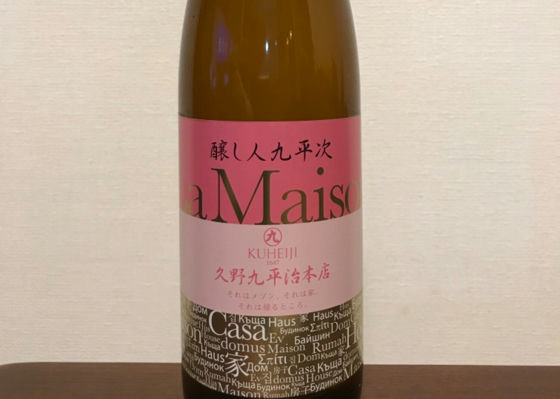
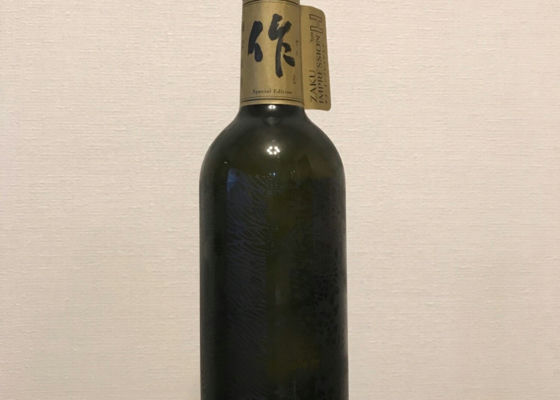
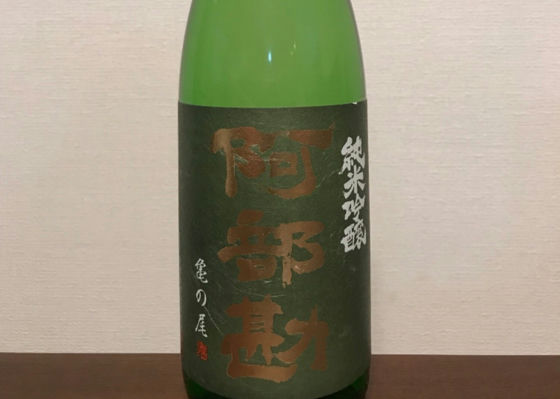
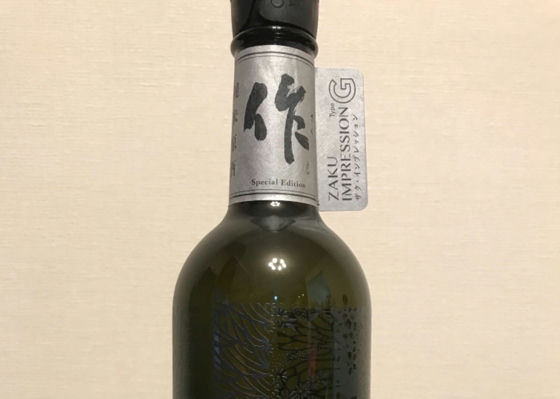
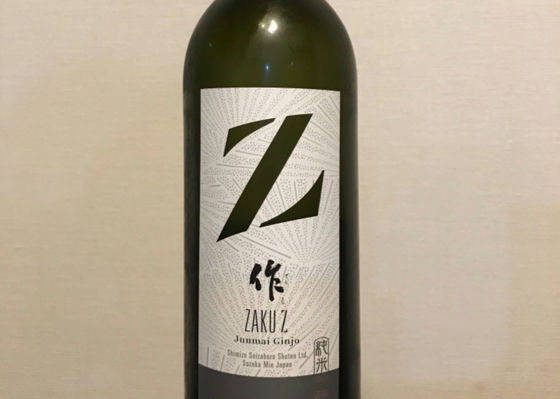
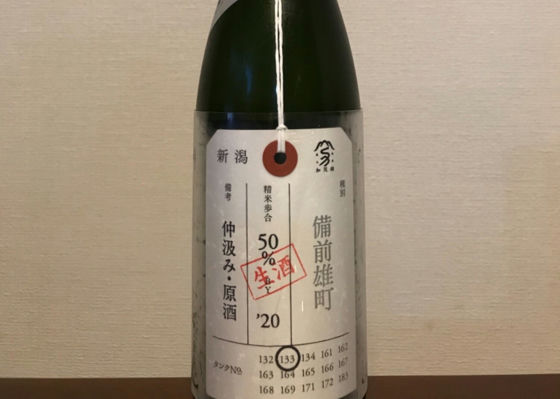
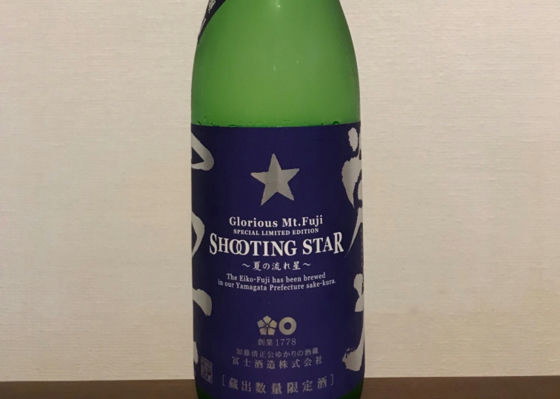
Good acidity and sweetness.
The aftertaste is also refreshing.
It was an easy to drink sake.
Rice type: Yamadanishiki
Polishing ratio 50%.
Alcohol 15 degrees
Honochi's direct drawing Arabashiri.
Fruity sweet aroma and taste.
The petiteness was modest and it was a refreshing drink.
Raw rice: Mie no yume, etc.
Rice polishing ratio 60%.
Alcohol 15 degrees
Gennochi's direct pumping original sake
The gorgeous aroma and fresh taste are the best.
It's like a fresh sake with a sharp, gassy taste.
Raw rice Gennochi
Rice polishing ratio 60%.
Alcohol 16 degrees
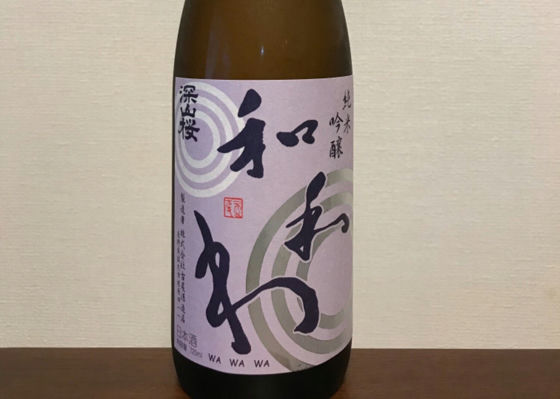
It's a good feeling that the character of "Wa" on the label
It is a good feeling that the letter "Wa" on the label gradually changes to "Wa".
The taste is mellow, but dry.
It seems that the name "Miyamazakura" is read as "Miyamazakura".
Raw rice: Toyama Osan Nishiki
Rice polishing ratio 55
Alcohol 16 degrees
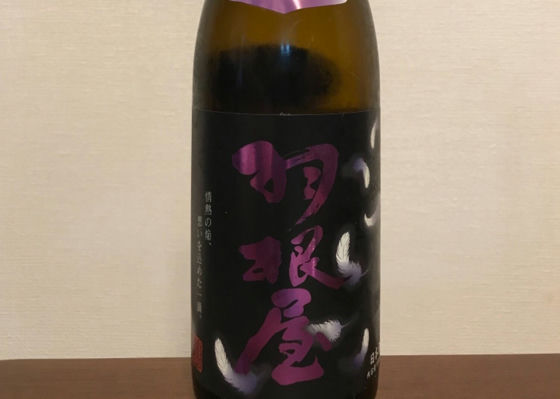
It has a fruity aroma.
It is also refreshing to drink.
It was my favorite sake.
Raw rice: Toyama Gohyakumangoku
Rice polishing ratio 50%.
Alcohol 15 degrees
The usual fresh aroma is somewhat subdued.
It has a refreshing taste.
It was very easy to drink.
Raw rice: Okayama Asahi
Rice polishing ratio 50%.
Alcohol 15 degrees
Anyway, it is easy to drink.
The mouthfeel is light and
I finished it at once.
Rice type: Yamadanishiki
Rice Polishing Ratio Not disclosed
Alcohol 15 degrees
(unfiltered)
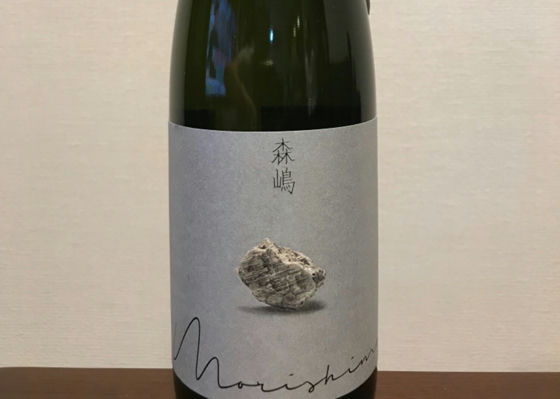
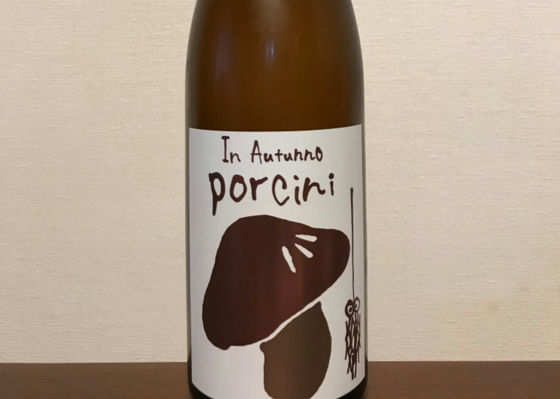
The autumnal label is Porcini from Italy.
The mouthfeel was clean and
It had a light acidity and a slight astringency.
It was a Junmai Ginjo sake with a high aroma like porcini.
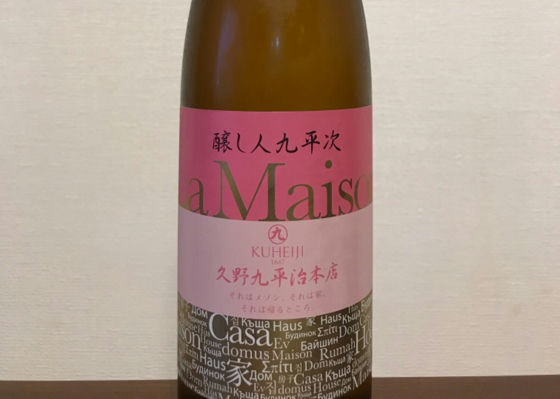
Rice type: Gin no Sato
Rice polishing ratio 60%.
Alcohol 15 degrees
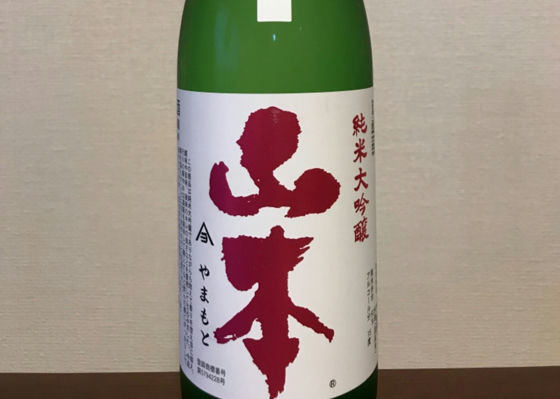
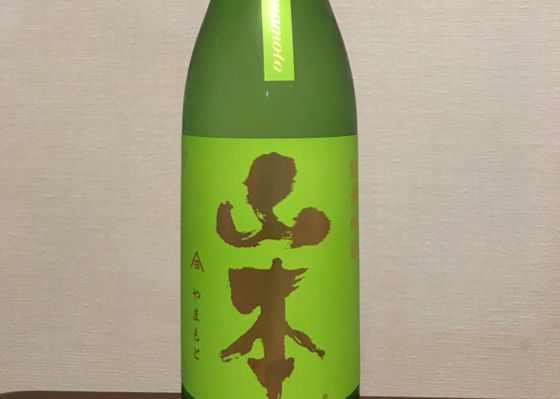
This is a Junmai Ginjo-shu brewed with Misoshiki in limited quantities.
Slightly dry and juicy acidity is
The best balance.
Yamamoto is delicious.
Rice used: Misoshiki
Rice polishing ratio 55%.
Alcohol 15%.
The design of the bottle and label is
It looks like a wine and it's nice.
The mouthfeel was fresh like a raw sake
It was a refreshing drink.
Raw rice: Mie no yume
Rice polishing ratio 60%.
Alcohol 15%.
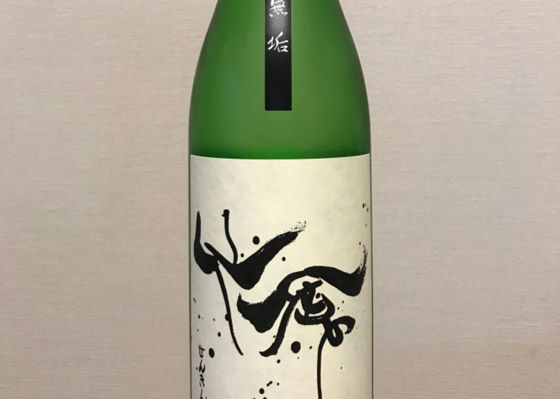
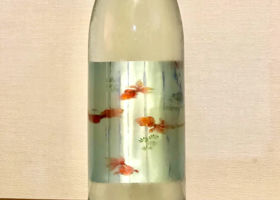
On the back side of the label, goldfish are swimming.
It is a light summer ginjo sake.
You can enjoy it even in appearance.
Raw rice: Sasanishiki
Rice polishing ratio 55%.
Alcohol 15 degrees
Fruity Ginjo aroma and
and a crisp, moderate taste
It is very well balanced and delicious.
Rice used: Homo Fuji
Polishing ratio 55%.
Alcohol 15 degrees
The balance of sweetness and sourness is good.
The taste is light and easy to drink.
It's been a long time since I drank Honjozo.
It was delicious.
Rice used: Yumenoko
Rice polishing ratio 60%.
Alcohol 16 degrees
It has a faint sweet aroma and a smooth mouthfeel.
And it is not peculiar at all.
It is not gorgeous, but it can be matched with anything
It was a well-balanced sake.
Rice used: Yamada Nishiki from Ryuoh
Rice polishing ratio 60%.
Alcohol 15%.
Nakakumi Namazake
The balance of sweetness and acidity is good.
It was delicious with a fresh feeling.
Rice used: Omachi 80%, Yamadanishiki 20%.
Polishing ratio 50%.
Alcohol 15 degrees
Limited edition summer sake
It has a strong sweetness.
but not peculiar
It is a sake with a good feeling in the mouth that can be drunk refreshingly.
Raw rice: Haenuki
Rice polishing ratio 60%.
Alcohol 15.8