Thank you for your continued support this year 🙇 I've been slacking off a lot 💦.
I've been slacking off a lot 💦.
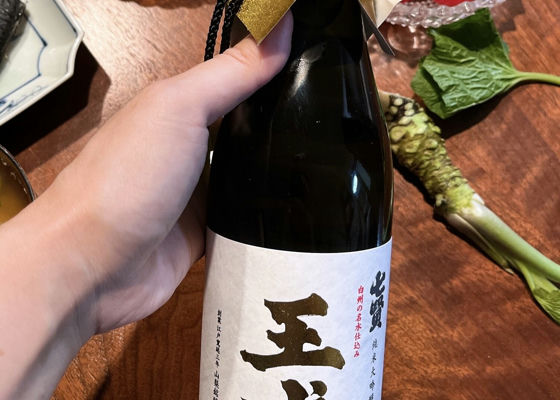
At the usual place
As usual
As usual
We had a delicious meal...
Thank you for your continued support this year 🙇 I've been slacking off a lot 💦.
I've been slacking off a lot 💦.
At the usual place
As usual
As usual
We had a delicious meal...
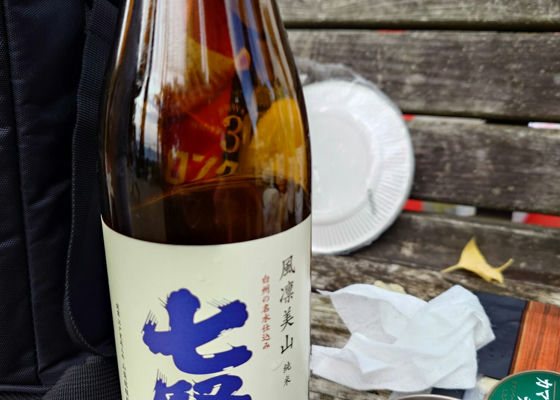
Buy at Aeon
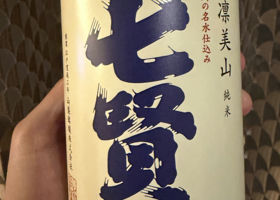
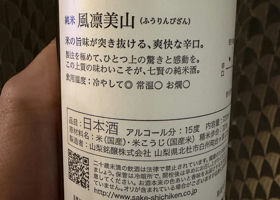
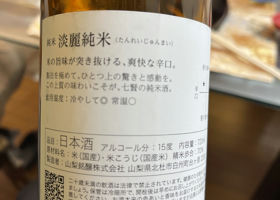
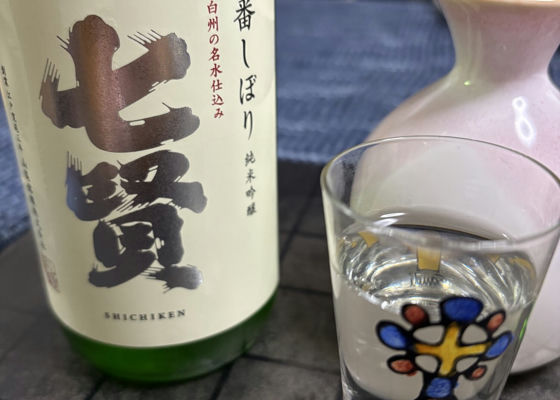
You can taste the flavor better if you drink it a little warmer than it is perfectly chilled.
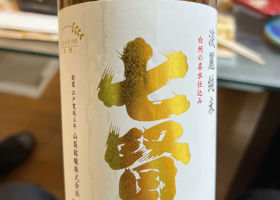
It has a gentle sweetness like pear and a refreshing taste, but the water must be good, too, because it has a gentle feeling and is very tasty!
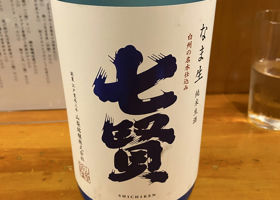
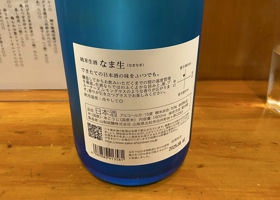
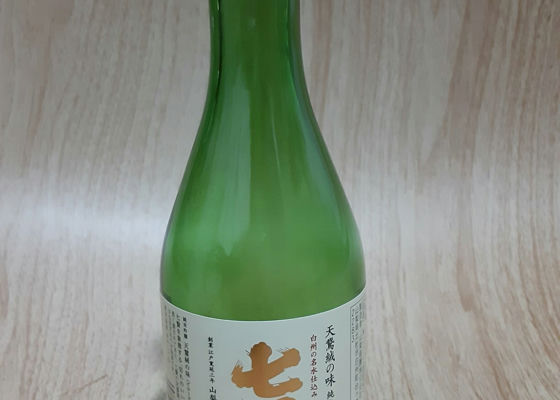
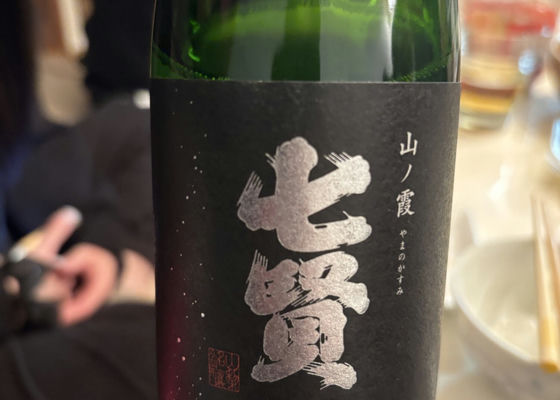
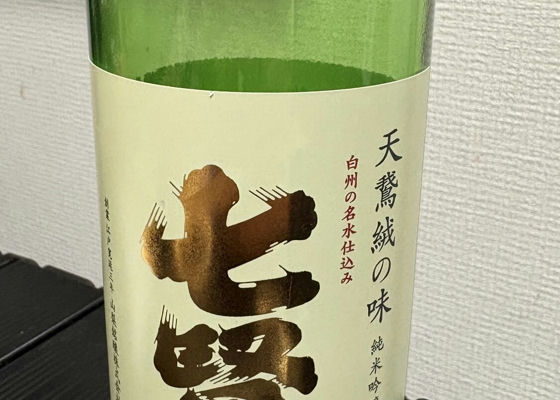
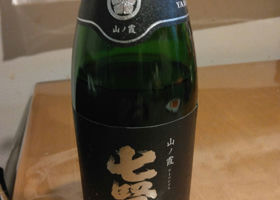
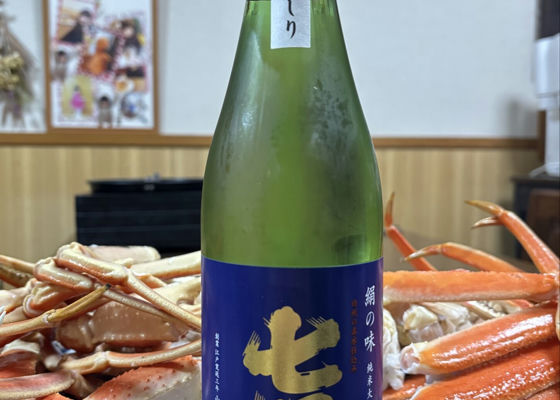
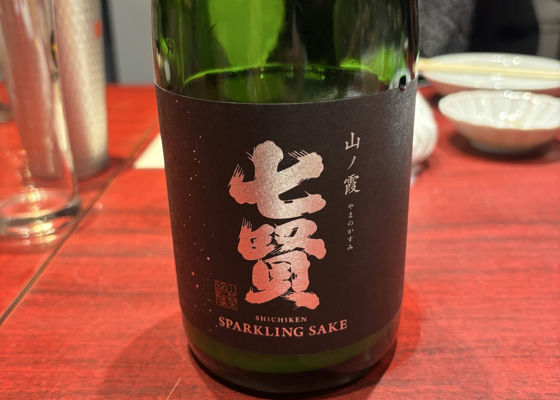
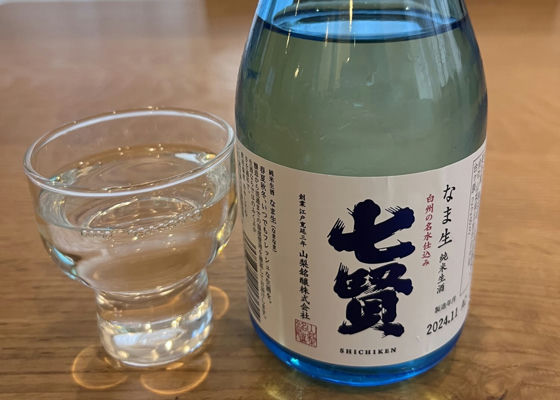
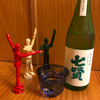
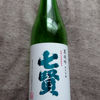
The last of the New Year vacations is Shichiken from Yamanashi Prefecture at a family restaurant.
It has a good taste that seems to be popular with everyone!
A little late, but Happy New Year 🎍.
The first post of 2026 is Shichiken.
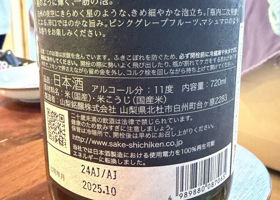
It is as shwashy as cider, with a moderate sweetness for this type of sake, and a strong rice flavor. It is a cider for adults!
Happy New Year, Mimomyo🐾 🌅.
I look forward to working with you again this year: 🙇🏻🙇🏻♀️
Shuwashuwa Shichiken-san! I'm tired of the festive 🍱 and it would go well with kenta or something like that: ‼️
Happy New Year to you, Jay & Nobby!
We always enjoy reading your reviews 😊.
It sure looks like a kenta match! I'll give it a try next time. Please keep up the good work this year: 🙇♂
Happy New Year everyone! Let's enjoy drinking again this year!
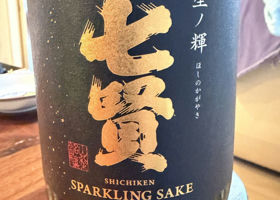
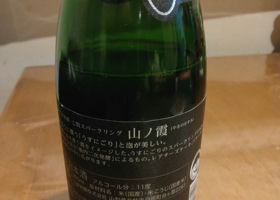
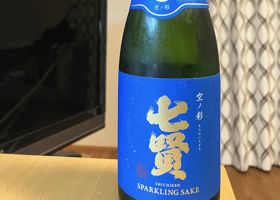
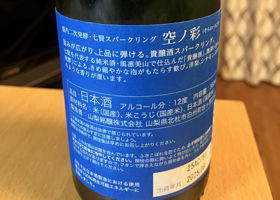
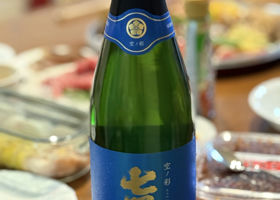
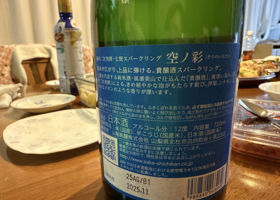
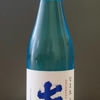
The first bottle of 2026 is Shichiken's Kijoshu Sparkling!
We drank it last year and it was so delicious!
The perfect amount of carbonation will make you feel like celebrating the New Year!
Happy New Year, Mr. Nochi 🎍 and best wishes for the new year: 🙇♂️
Is it Shichiken's sparkling kijoshu, sweetly carbonated, from the beginning of the year? I've never had it and would like to try it 😋.
Happy New Year, Mr. Noci 🌅.
Please keep up the good work this year: 🙇🏻🙇🏻♀️
New Year's Spark is going to be a blast ‼️ Let's keep drinking and celebrating 👋
Happy New Year, Jay & Nobby!
This Shichiken is a very tight-fitting, cool, and crispy guy, so if you see him, please drink him. Please drink when you see him.
Happy belated New Year, Nochi-san 🌅🎍⛩!
It's a great start to the year with Shichiken Sparkling 🥳and also Kojo-shu🙌!
Let's have fun this year too! Thank you ✨
Happy New Year, Kotaro-san!
I hope you drink more of this because it's delicious, but I don't want it to go viral because I can't afford to buy it.
Let's enjoy drinking this year too 😋.
Firm and fruity
Fruity and easy to drink!
It seems to be made with the same water as Hakushu
It is said to taste good even after the carbonation has worn off.

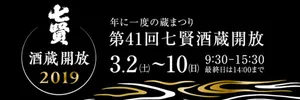 「七賢」を醸す山梨銘醸株式会社(山梨県北杜市)が、酒蔵開放を3月2日(土)~3月10日(日)に開催するそうですSAKETIMES | 日本酒をもっと知りたくなるWEBメディア
 山梨銘醸株式会社(山梨県北杜市)は山梨県立美術館とのコラボレーションにより誕生したスパークリング日本酒「SHISAKETIMES | 日本酒をもっと知りたくなるWEBメディア
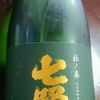
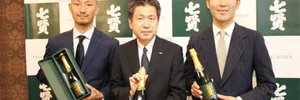 山梨県北杜市で「七賢」を醸す山梨銘醸株式会社が、ウイスキー樽を使ったスパークリング日本酒「杜ノ奏(もりのかなでSAKETIMES | 日本酒をもっと知りたくなるWEBメディア