Logo
SakenowaRecord your sake experiences and discover your favorites
YSTJYSTJ
東京から全国の銘酒に想いを馳せて飲み進めています。 家飲みが中心ですが、イベントには結構参加しています。 造りに込められた想いや背景などビハインドストーリーへの共感を大切にし、どんな種類のお酒でも美味しくいただくことを心がけております!

Registered Date

Check-ins

684

Favorite Brands

0

Sake Map

The origins of the sake you've drunk are colored on the map.

Timeline

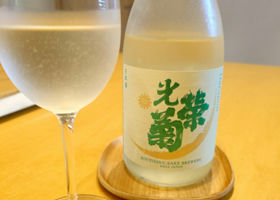
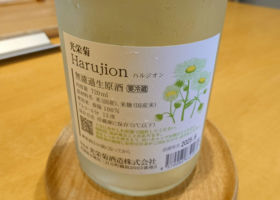
KoeigikuHarujion純米原酒生酒無濾過
alt 1alt 2
alt 3alt 4
外飲み部
70
YSTJ
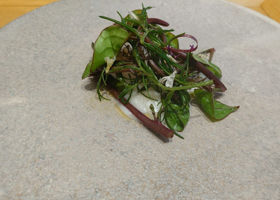
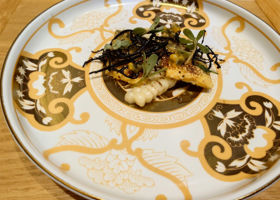
Koei Kiku Harujion. At SENTI.U, a house Italian restaurant in Kanoya, Kagoshima, Japan. The Italian cuisine served at the restaurant, which is listed on Gault et Millau, is based on local gastronomy and uses ingredients from the Oosumi Peninsula. Harujion is made from Shunyo, a low-protein rice that is noted for its high aromatic content. It has a refreshing heady aroma with hints of lychee and muscat, The mild sweetness is followed by a refreshing acidity that tastes like white wine. The first dish paired with this dish is a meichi-dai (sea bream) from Furue, served with a pesto of mullet, okahijiki, jasmine rice and basil. The sticky texture of the perfectly cooked meichidai and the viscosity of the pesto were a perfect marriage with the acidity of the koei chrysanthemum! The next dish was a crispy skinned sweetfish from Shibushi, served with passion fruit along with Sakurajima hijiki and white corn. Again, the acidic flavors were a perfect match!
Japanese>English
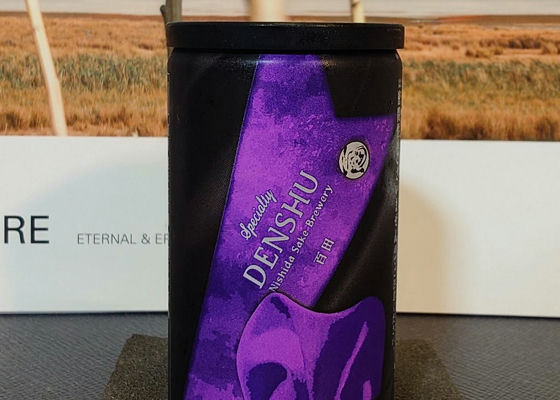
Denshu純米大吟醸 四割五分 百田純米大吟醸
alt 1
alt 2alt 3
家飲み部
78
YSTJ
Tasake Junmai Daiginjo Shiwari-Gobu Hyakuda. This is Tasake's first attempt at a stylish canned sake! They use the new sake rice Hyakuda, which was developed in Akita Prefecture and began full-scale distribution in 2021. It has an apple-like aroma, a soft and mellow mouthfeel, a smooth flavor and beautiful acidity, and the canned form makes it a sake that can be enjoyed on any occasion!
Japanese>English
HououbidenWINE CELL純米吟醸原酒生酒無濾過
alt 1alt 2
家飲み部
79
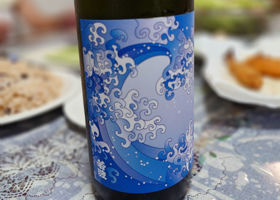
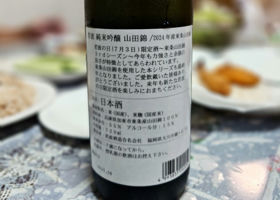
YSTJ
Hououmida WINE CELL Junmai Ginjo Unfiltered Honkaku. Yamadanishiki grown in the Nishiwaki district of Hyogo Prefecture and brewed with wine yeast, this is the unfiltered, unpasteurized version that is shipped this time of year. It has a refreshing muscat-like aroma on the nose, a mellow sweetness, a full-bodied flavor, and an astringent aftertaste reminiscent of wine, with a clean finish. It is an exquisite sense of balance in which each of the components of the flavor asserts itself while maintaining harmony!
Japanese>English
alt 1alt 2
家飲み部
77
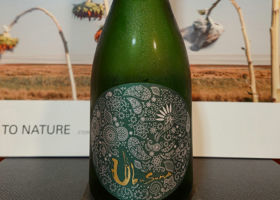
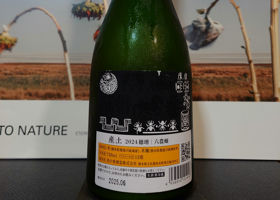
YSTJ
SANDSO 2024 HOMASEN ROKUNO Brewery. Today is a brief summer vacation, and on the first night, we took the plunge and popped a bottle of San-do Hozasu Rokunosake! It is made from Hozasu grown in the Kikuchi River basin with no pesticides or fertilizers, and brewed in a wooden vat with no yeast added. It has a banana-like aroma on the nose with nuances derived from the wooden vat brewing process. It has a thick texture, balanced with a pleasant gaseous sensation, and a rich, layered flavor. This year's characteristic bitterness finishes off the lingering aftertaste. It was a great start to the summer vacation!
Japanese>English
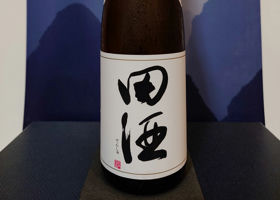
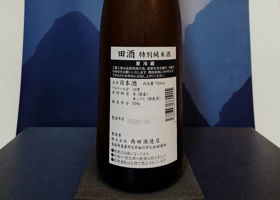
Denshu特別純米酒特別純米
alt 1alt 2
家飲み部
85
YSTJ
Tasake Special Junmai Sake. We have had it outside, but it had been a long time since we had it at home. It has an apple-like aroma and a fresh chili sensation in the back of the throat, which I guess is due to the fire-roasting process. The full flavor of Hanafukietsu spreads out, and it finishes crisp and clean with a bitter aftertaste. It has a great stability that allows you to drink it with peace of mind. The last half gou of sake is served hot. The acidity is more pronounced and the spread of umami is more balanced. Hot sake is also good in midsummer!
Japanese>English
ma-ki-
Good morning, YSTJ! The Tasake special junmai looks delicious 🤤. I'm looking forward to getting a bottle of this sake, too, because I can't decide when to open the bottle to drink it 😁✨. I'll be copying you on the heated sake 🤗
Japanese>English
YSTJ
ma-ki-, Hello 😄Tasake Tokusen Junmai is a timeless classic sake that is perfect for any occasion, please try the heated sake as well😆.
Japanese>English
alt 1alt 2
家飲み部
78
YSTJ
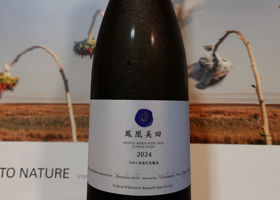
Houou Mida ASSEMBLAGE 2024. IMADEYA's hanpukai GUITO! The July delivery was an unexpected assemblage from Houou Mita, a bottle created by an encounter with the god of assemblage in France. The first sip of this wine has a mild muscat-like aroma and a mellow sweetness that fills the mouth. The first sip is full of mellow sweetness, followed by a deep, full flavor spread and elegant acidity. We enjoyed the new frontier that Houou Mita has opened up!
Japanese>English
Denshu純米吟醸 古城乃錦純米吟醸
alt 1alt 2
家飲み部
77
YSTJ
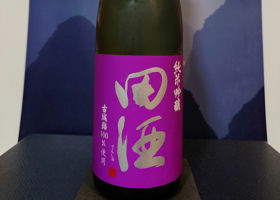
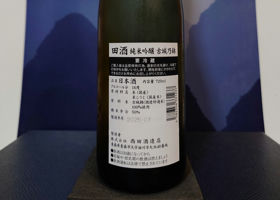
Tasake Junmai Ginjo Koshirono-Nishiki. Junmai Ginjo-shu made from Aomori Prefecture's Kojo-nishiki, the name "Kojo-no Nishiki" was used as the product name until 2021. It has a mellow, apple-like heady aroma, a soft mouthfeel, and a well-balanced harmony of juicy sweetness and full flavor. The beautiful acidity and pleasant bitterness firmly control the impression of the aftertaste. It is a well-balanced bottle that brings out the characteristics of Kojo-nishiki without regret!
Japanese>English
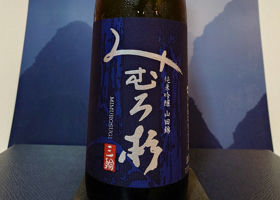
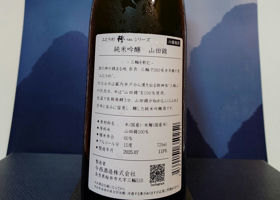
Mimurosugiろまんシリーズ 純米吟醸 山田錦純米吟醸
alt 1alt 2
家飲み部
75
YSTJ
Mimuro Sugi Romain Series Junmai Ginjo Yamadanishiki. We will be receiving a Junmai Ginjo of Yamadanishiki from Imanishi Shuzo Mimuro Sugi, which has a brewery in Miwa, Sakurai City, Nara Prefecture, the birthplace of Japanese sake. The refreshing, cool, apple-like aroma on the nose is followed by the mild sweetness of Yamadanishiki, and then the umami spreads out. The clear, fresh acidity finishes off the crisp finish. Today, we served this sake with Miwa Somen, the birthplace of Somen, which is made from the same brewing water as Mimuro Sengen. The sourness of the ume-flavored dipping sauce is a perfect match!
Japanese>English
Morishimaひたち錦 辛口純米吟醸生酒
alt 1alt 2
蕎麦カネイ
外飲み部
65
YSTJ
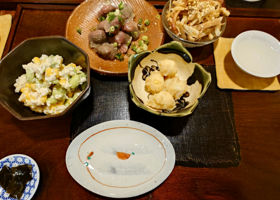
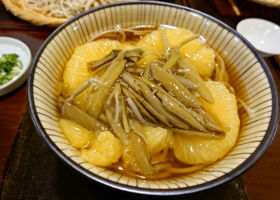
Morishima Hitanishiki Dry Junmai Ginjo Nama. Serve with soba noodles in the middle of a hot afternoon. The mild gasiness and restrained sweetness give way to a full flavor and refreshing acidity. The rich flavor of the pickled quail's egg in miso goes well with it. The salty natsumikan citrus fruits served cold with junsai (junsai with sweetened citrus fruits) as a finish is also an exquisite marriage!
Japanese>English
ポンちゃん
Hi YSTJ 🐦. I was looking at the bowl on the right, and I see that it is a natsumikan! I'm curious to know how the summer orange and junsai taste like 😊. Miso pickles and sake are the best 😋.
Japanese>English
YSTJ
Hi, Pon😄 Yes, the bitterness of the well salted summer honeydew was a very appetizing dish 😆.
Japanese>English
KamonishikiBRILLIANCE 越淡麗純米大吟醸
alt 1alt 2
家飲み部
78
YSTJ
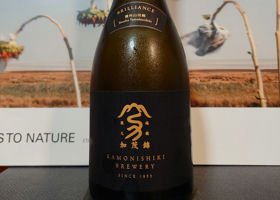
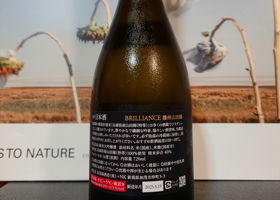
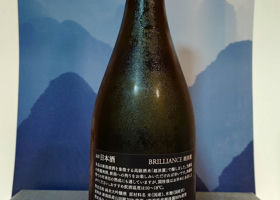
Kamo Nishiki BRILLIANCE Koshi-tanrei. From Kamo Nishiki BRILLIANCE, a bottle of Koshitanrei, a cross between Yamadanishiki and Gohyakumangoku, developed with the prestige of Niigata Prefecture. It has an aroma of melon and pear, and a smooth mouthfeel with a good amount of gas at the back of the throat. The light flavor is followed by a fullness of umami and a dry acidity. As the temperature rises, the umami and acidity spread more and more, adding color to the flavor. This is the cutting edge of Niigata light sake as expressed by Kamo Nishiki!
Japanese>English
Hououbidenミクマリ FLY HIGH 2nd純米大吟醸生酒
alt 1alt 2
家飲み部
84
YSTJ
Houou Mita Mikumari FLY HIGH 2nd Junmai Daiginjo Nama-shu. Mikumari FLY HIGH debuted last year and has been very popular since its first appearance at the Craft Sake Week in Roppongi last year. It has a refreshing berry-like aroma on the nose, and on the palate it is even more gassy and gassy than last year's. It has a clear, transparent quality. The clear, transparent sake has a fresh acidity and a refreshing umami flavor, with a firm bitterness that finishes off the palate. As the temperature rises, the spread of sweetness increases and shows a different expression.
Japanese>English
高天ファーストテイク typeD純米
alt 1alt 2
ずくだせ!信州の日本酒
71
YSTJ
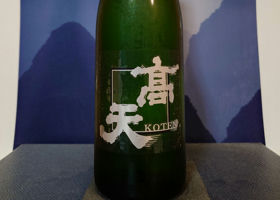
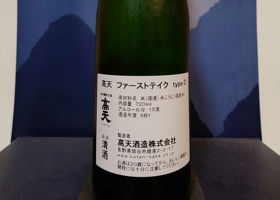
Takaten Shinshu Secret Sake Hanpukai 2025 Gold Course First Take typeD. The second bottle for July in the Shinshu Secret Sake Hanpukai 2025 Gold Course is from Takaten. The challenge of this first take is that both are a cross between Yamae-Nishiki and Hitogokochi, both produced in Nagano Prefecture, and both use Alps yeast. The specs are: sake degree ±0, acidity 1.3, and alcohol 15.5. It has a fresh, honey-apple-like top aroma and a soft mouthfeel. The mild sweetness and refreshing acidity gradually spread the umami taste, and the aftertaste is clean and crisp. The light and refreshing flavor was a good match with simmered squid and daikon radish!
Japanese>English
Meiho Kikumori信州秘密の酒頒布会 2025 ゴールドコース純米大吟醸生貯蔵酒
alt 1
ずくだせ!信州の日本酒
65
YSTJ
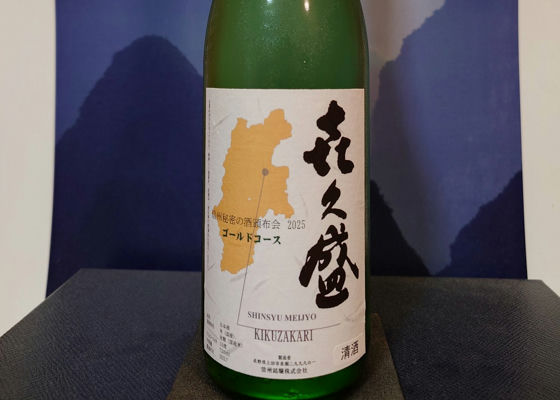
Kikumori Shinshu Secret Sake Hanpukai 2025 Gold Course. From the July Shinshu Secret Sake Hanpukai comes Kikumori from Shinshu Meizo. Shinshu Meizou, which has a brewery in the Ueda area, exhibits a freshly stored sake that has been aged in a thermal tank for two years at ice temperature. It is a 100% Miyamanishiki Junmai Daiginjo, with a Sake degree of -2 degrees, an acidity of 1.6, and an alcohol content of 16 degrees, making it a dark, mellow, sweet sake. It has an aroma of muscat and apple on the nose and a mellow sweetness on the palate. The extremely mellow and soft mouthfeel, which has lost its angularity due to aging, even gives the impression of lusciousness. The rich umami flavor spreads out firmly, and it finishes smoothly with a beautiful acidity. It is a rare opportunity to enjoy an aged sake that has been stored in its raw state, and the flavor is perfectly balanced and delicious!
Japanese>English
alt 1alt 2
家飲み部
70
YSTJ
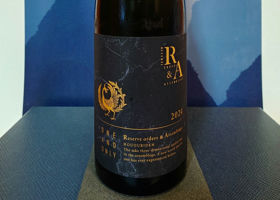
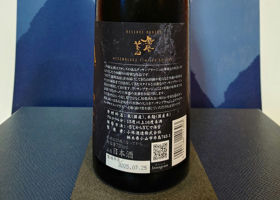
Houou Mida Aikoku. This is an "Agricultural Revival Project" to revive "Aikoku No. 3," an ancient variety grown in Tochigi Prefecture in the Taisho era (1912-1926), and use it to make traditional Japanese sake. As part of this project, a collaboration between Senkou, which is located in Tochigi Prefecture, and Houou Mita. We are looking forward to seeing how much of the brewery's individuality will be expressed in this collaboration, which has in common the use of Aikoku, brewed in the "nama-hashime" style, and shipped by heating! Today's sake is Hououmida's version. It is brewed in the same way as Sengoku, which is brewed in the same way as Hououmida. It has a muscat-like aroma on the nose and in the mouth, unlike the Sengoku version, it does not have a gaseous feeling, and the soft, smooth, silky touch is strongly characteristic of Hououmida. The spread of sweetness, and the tight, concentrated and deep umami are felt in abundance. The lactic acidity, together with bitterness, produces a crisp and refreshing aftertaste. The characteristics of each brewery were fully demonstrated through Aikoku, and both were delicious!
Japanese>English
ジェイ&ノビィ
Good evening, YSTJ 😃. Tochigi two top patriotic collaboration! Thank you for the detailed repo😊resulting in a peaceful conclusion that both are delicious 😋 each 🤗.
Japanese>English
YSTJ
Good evening, Jay & Nobby 😌. Yes, it was very difficult to choose between the two, both were delicious in their own way 😆😆.
Japanese>English
Senkin愛国純米生酛原酒無濾過おりがらみ
alt 1alt 2
仙禽教信者
73
YSTJ
Senkou Aikoku. This is an "Agricultural Revival Project" to revive "Aikoku No. 3," an ancient variety grown in Tochigi Prefecture during the Taisho Era (1912-1926), and use it to make traditional Japanese sake. As part of this project, SENKYO and Houou Mita collaborated with SENKYO, which is located in Tochigi Prefecture. We are looking forward to seeing how much of the brewery's individuality will be expressed in this collaboration, which has in common the use of Aikoku, brewed in the "nama-hashime" style, and shipped by heating! Today's sake is Sengoku's version. It is brewed according to the Edo style and shipped unfiltered and unfiltered. It has a refreshing aroma of strawberries and apples, and in the mouth it has a fresh gasiness that you would not expect from a hi-iru sake, along with a sharp acidity. The body is dry and tight with a wild and rough flavor that is unique to ancient rice, while a firm bitterness tightens the aftertaste. The charm of ancient rice is expressed through the Sengoku character. We are now looking forward to the Houou Mita version!
Japanese>English
Kokuryuしずく大吟醸
alt 1alt 2
家飲み部
74
YSTJ
Kuroryu Shizuku. This superb daiginjo-shu is made from 35% Yamadanishiki produced in Tojo, a special A district of Hyogo Prefecture, and carefully brewed at low temperature fermentation! The slightly greenish liquid color gives a sense of elegance. It has a fresh, pear-like heady aroma with a refreshing herbal nuance. The taste is clear and uncluttered. The elegant acidity takes over the lingering taste with a crisp finish. It has been a while since I have had a Daiginjo-shu, but it has a wonderful flavor that embodies classical delicious sake!
Japanese>English
Nichinichi亀の尾 第四酒造期純米
alt 1alt 2
家飲み部
71
YSTJ
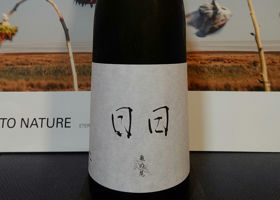
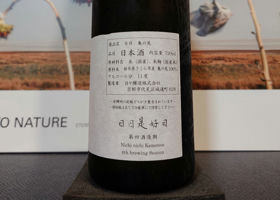
Nichinichi Kame-no-o 4th brewing period. This is the fourth time to brew at Kame-no-o in Sakura city, Tochigi prefecture, and is a summer sake type, a complete change from the previous AUTUMN version. It has a slight melon-like heady aroma, a fine gasiness, and a mild sweetness, while the wild Kame-no-o flavor spreads out. Although it is a pure sake, it has a low alcohol content of 11%, making it an excellent summer sake that can be enjoyed in a refreshing and light way!
Japanese>English
Takasago純米大吟醸 火入れ純米大吟醸
alt 1alt 2
家飲み部
70
YSTJ
Takasago Junmai Daiginjo Hi-ire. The Takasago brand was produced by Kiyamasa Shuzo, the brewer of Jikin, before the birth of Jikin. The gentle yet inviting top-fragrance aroma with nuances of pineapple and banana, and the rich umami flavor gradually permeates the palate. A beautiful acidity and a refreshing bitterness complete the aftertaste. As the concept suggests, this is a sake that is intended to be served during meals, and we were able to fully enjoy its penetrating deliciousness!
Japanese>English
ma-ki-
Good evening, YSTJ! Takasago is delicious 😋. I had it for the first time this year, and it was a delicious sake that I felt deeply that it is indeed a very tasty sake to drink with a meal 🤤. I want to drink it again 🤗.
Japanese>English
YSTJ
Hi, ma-ki-! Takasago is delicious, isn't it? I think I'm going to get addicted to it, because it has the feeling of Jikin, but it's another sake with a high degree of perfection 😆.
Japanese>English
Ilaka銀森純米山廃原酒無濾過
alt 1alt 2
ずくだせ!信州の日本酒
66
YSTJ
Iraka Ginmori. Iraka Sake Brewery was reborn from a more than 350-year-old sake brewery through succession of the business. The brewery is located in Matsukawa Village, Azumino County, surrounded by the 3,000-meter-high Northern Alps, and uses pesticide-free rice nurtured by the ultra-soft water that springs from the area. The rice is grown in the super soft water that springs from the area and is made without agricultural chemicals. When the bottle is first uncorked, it has a lush, fresh nose reminiscent of apples and apricots. In the mouth, it has an extremely soft texture, and the lactic acid-derived umami, which is strongly drawn out by the Yamahai method, and a fruity sweet and sour taste like apples fill the mouth. This is the first time I have tasted Iraka, and it is delicious!
Japanese>English
Kin Suzume純米吟醸 秘伝隠生酛純米吟醸生酛
alt 1alt 2
家飲み部
68
YSTJ
Kinjaku Junmai Ginjo Hiden Hagakure Nama Hashiro. This is the first time to try Kinjaku's Namahashiroshi. It has an apple-like heady aroma and a cool gassy feeling. It has a fruity sweetness like concentrated honey apple on the tongue with a thick texture, and on the other hand, it has a lactic acidity and umami that is typical of the sake's yeast. The aftertaste is pleasantly bitter with a lingering acidity that continues lightly. With its cool and light aftertaste, it is a new world of a perfect summer sake!
Japanese>English