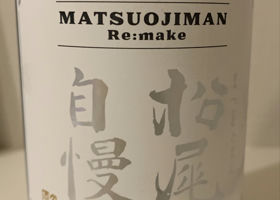
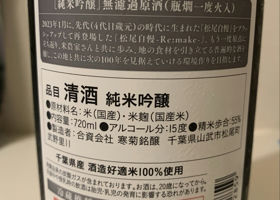
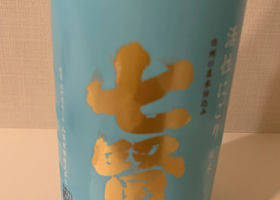
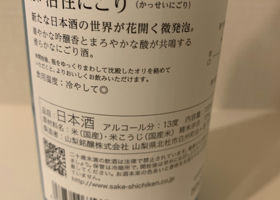
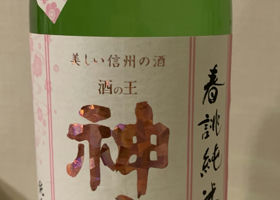
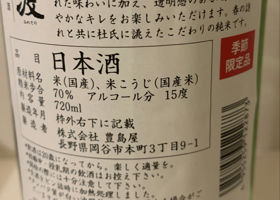
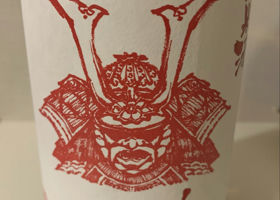
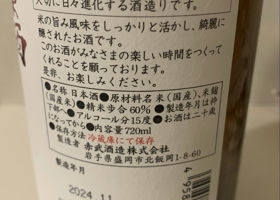
Matsuo boasts Re:make_. Since I drank it at an Italian restaurant in Matsuo, I have often repeated it at a local liquor store. It is a versatile food sake for both Japanese and Western cuisine.
Cosy and easy on the pocketbook.
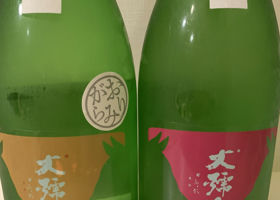
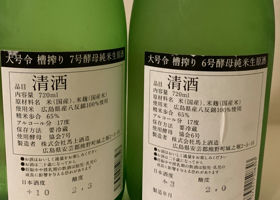
Comparison of No. 6 and No. 7 yeast: No. 6 yeast has a tropical fruit-like sweetness and a long aftertaste.
Yeast 6 is sweet like tropical fruit and has a long finish, while Yeast 7 is acidic and has a clean, dry taste. This one may be easier to pair with food.
Refreshing muscat aroma. This is the type of wine you want to drink chilled in a glass. It has been open for a while, but the fruity flavor spreads and the aftertaste is refreshing. Looks good with summer vegetables and soup stock appetizers.
Made with malic acid high-productivity yeast. Aroma and acidity are fresh 🍎, sweetness derived from rice. The rice used is perfectly smooth. The type that can be slurped down with a glass of wine.
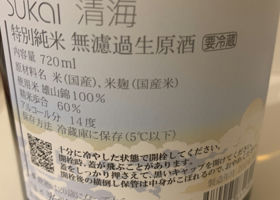
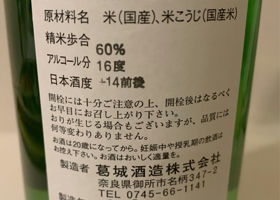
Rice polishing ratio: 60% Sake degree: -10
Yamatodamashii
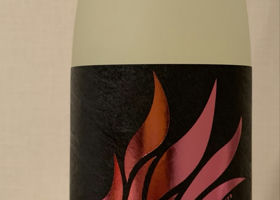
The label is 🌸 with brushstrokes and an old-fashioned look.
The acidity derived from lactic acid fermentation is in harmony with the milky sweetness, enhancing the umami.
It is a plump type that can be drunk on its own or paired with food. 🙆♀️
I've been drinking sake, but haven't posted in a while.
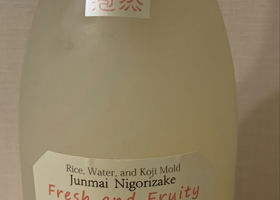
Reasonably priced active nigori as a summer sake.
It has a slight ginjo aroma, but it is clear and easy to drink. However, the best match for food is a problem 🤨.
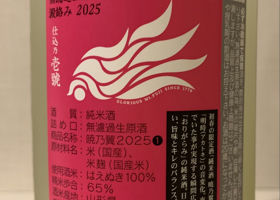
The pink label evokes the arrival of spring. It seems to express the wings spreading at the moment of realization of something long awaited. The 100% edible brand rice of Yamagata Prefecture, Haenuki, is used. The taste of rice with a crisp gassy texture. They recommend sashimi and sushi, but when paired with 🍓 and Camembert cheese, the sweet and sour taste of the fruit seems to have increased.
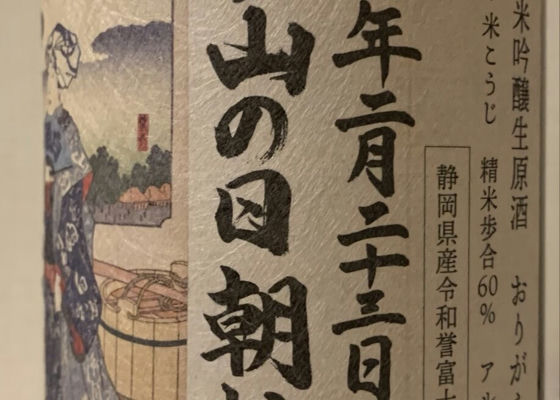
The liquor store went to the brewery to pick up a special sake that was pressed this morning on Mt.
It has a fresh sweetness when opened and a sharp aftertaste. The alcohol content is strong, so drink it slowly. It is also 👌 when heated. Serve with squid sashimi.
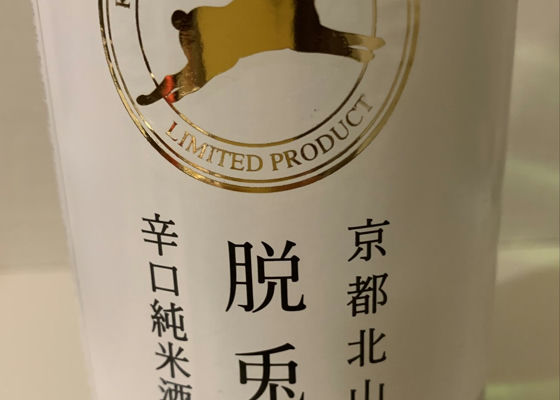
It's a new brand launched by Haneda Sake Brewery in Kitayama, Kyoto in 2017. Both the 🌾 and yeast are from Kyoto.
It is easy to drink cold or warmed up, dry and easy to drink with good flavor. Be careful not to drink too much: ⚠️
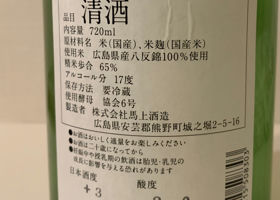
100% Hachitan-Nishiki produced in Hiroshima Prefecture. Tropical sweetness like pineapple. The alcohol content is 17% and it has a punchy sharpness. Easy to drink, but very drinkable.
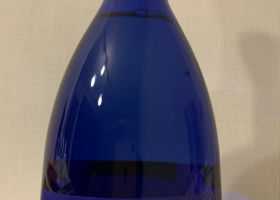
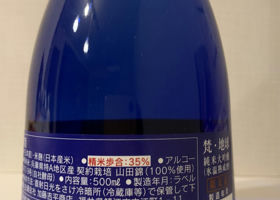
This Junmai Daiginjo is made from 35% polished Yamadanishiki rice produced in the special A district of Hyogo Prefecture, stored at -5℃, and aged in ice temperature for 1 to 2 years. It has a clear aroma, elegant and soft taste, and a sweetness like apple and pineapple. It also has an apple-like, pineapple-like sweetness.
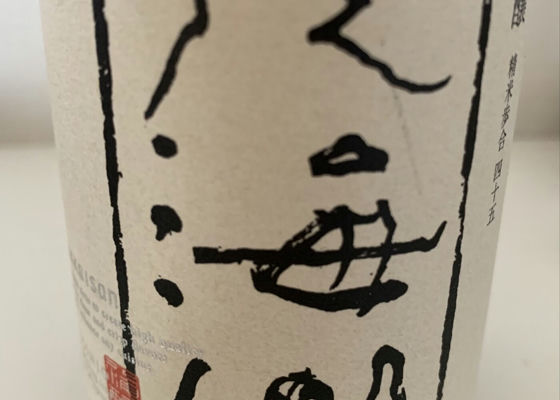
Daiginjo with a rice polishing ratio of 45. It is an elegant mid-meal sake with a sharp taste. It is more comfortable when heated lukewarm. We had it with Sendai Seri hot pot that we ordered.
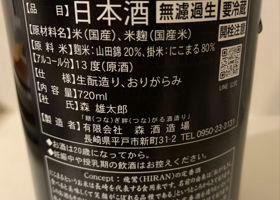
Even though it is unfiltered, it has a low alcohol content and is easy to drink with a pineapple-like, citrus-like flavor. Serve with marinated celery and apple, simmered radish, etc.
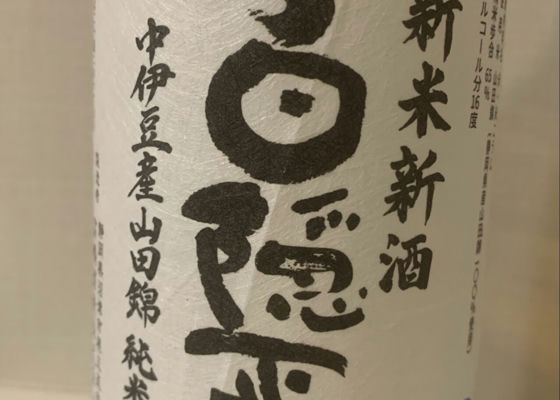
Junmai-shu unadulterated sake made with Yamadanishiki produced in Naka Izu.
It has a fresh melon-like sweetness typical of new sake with a dry and crisp finish. It is recommended to be served cold. It is also good lukewarm when heated.
A limited quantity winter product recommended by a passing liquor store.
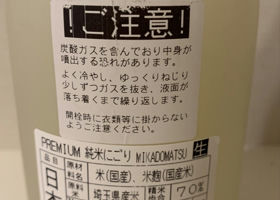
Caution when opening: ⚠️ contains carbon dioxide gas.
Not too sweet, strong attack, fresh nigori sake. It seems to go well with Chinese and fried foods.
It is also recommended to be heated, so I would like to try it when the bubbles settle down. ⇨Changes to fuller when warmed.
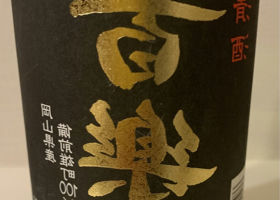
100% Omachi produced in Okayama Prefecture. Because it is brewed with ungraded rice that has not been inspected, it is not designated as a sake with a specific name, but rather as a sake.
It is said that it is commonly called "Ura Hyakugakumon" or "Ura Sae," a mirror image of Hyakugakumon. The taste is sharp with Omachi's characteristic umami. I thought it would become fuller when heated, but there was no lingering aftertaste. Give it some time. When lukewarm, it was a little savory.

 まめうめ
まめうめ