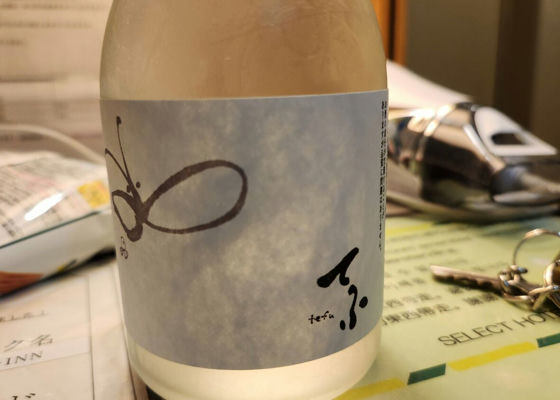
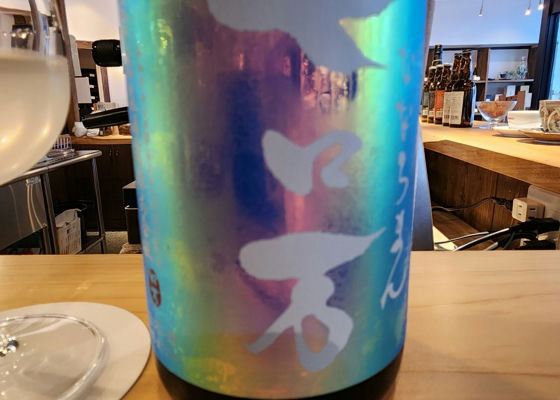
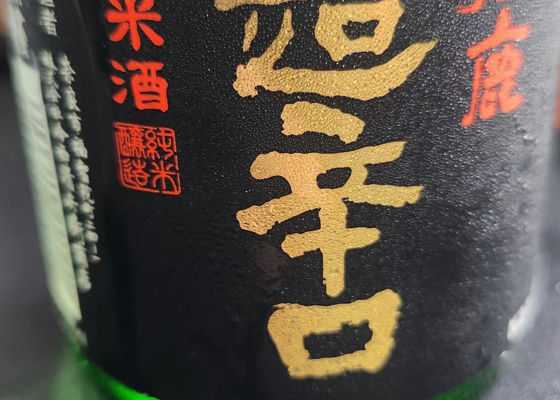
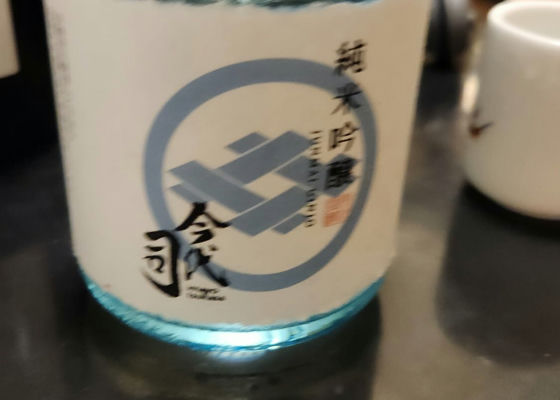
Ki: The aluminum lid protector is peeled off...gas pressure opens the bottle before you can get to the shpon lid.
Seung: Extra shwashy. Low in alcohol content, no longer a carbonated beverage.
TURN No longer a sour.
Conclusion It tastes a little sweet, like a tipsy or something. As it is said to be a "food wine," it is not too sweet, and even strong flavors are lightened thanks to the gaseous taste.
It has almost no sharpness. It tastes like a chu-hai.
Is it sake? It is 13%, but it is a refreshing drink that will not make you drink too much of it.
It is 13%, but it tastes so refreshing that you can't help but drink too much of it!
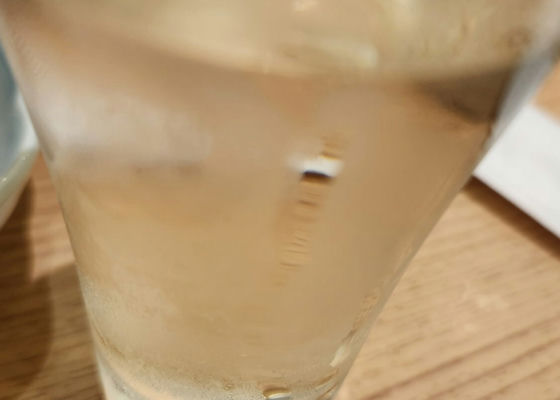
The color is a bit cloudy, with a hint of orikara. There is no rice flavor. Fresh.
It's like a fad.
起 Alcohol, acidic smell, gasiness reinforces the drinking experience when chewed and inhaled with a narrow mouthful
Cheng-en: Schwashy gaseous sensation
Conclusion Dry feeling like unsweetened soda water, bitter not spicy. Close to dry chewy carbonated bitterness.
wake up Slightly banana-like smell, light
承 water, passable
転 A little alcohol tingling (not gas)
Conclusion Not sharp, but sharp
The story is coherent and very easy to drink. The mouth is a passing point. This is a high quality junmai sake!
After a few sips, it starts to feel banana-like.
I open the bottle and put my nose inside. I've never smelled anything like this before. The mouthfeel is lighter than water.
Cheng: Surprisingly mild for a fragrance.
TEN: The longer you hold it in your mouth, the juicier it tastes, but there is also a slight alcohol taste.
Conclusion: The fruity flavor comes out in two phases, the moment you drink it and afterwards. However, the lingering aroma is not so good if you continue drinking.
Sake:air = 9:1, it is super fruity and delicious!
Ki: Weak grain aroma with a hint of ginjo.
Sourness on the tongue.
TEN: Slightly gassy.
Conclusion: Kirei, medium dry, lingering for 3-5 seconds, but not unpleasantly alcoholic. Floral and floral flavors seem to be hidden in the lingering aftertaste.
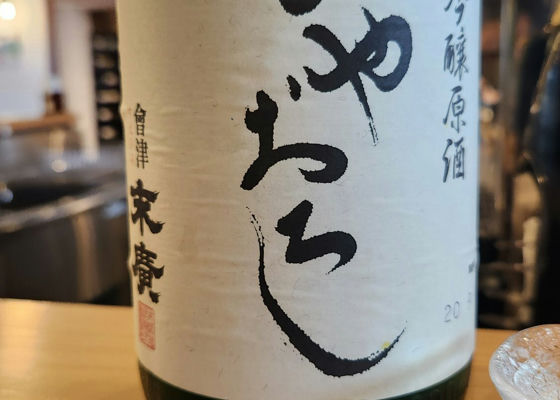
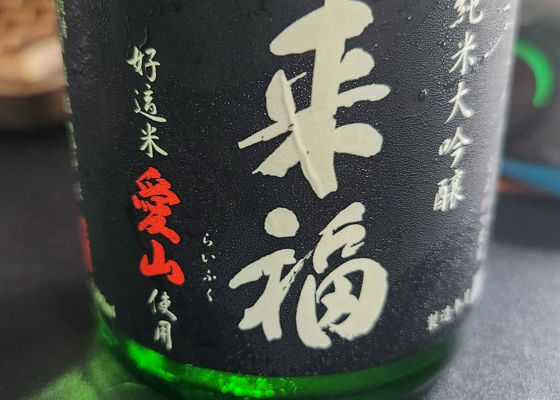
Compared to Junmai Daiginjo Aizan, it is more spicy. It does not have a "shwashy" feeling. The mellowness is like "Raifuku.
Ki Light!
承 Tingling slightly carbonated without pain
TURN: Gassy, fruity
Conclusion: Not too spicy, delicious aftertaste and nose, delicious acidity!
It's the perfection, seriously, sell me a bottle!
Ki Aomori's typical lightness
Seiou GREAT
TURN: Slightly sake-like
Conclusion: Very well-rounded grain aroma, small to medium spicy, this is a medium sake that makes you want to drink more sake, even if it's the main course!
Junmai sake is a 5 star food sake.
Ki The nose has a strong alcohol taste, with a hint of aged junmai sake.
Sei: No piquancy, a little graininess escapes from the nose.
Rolling over, the aroma of grain and fruity aroma like aged sake.
Conclusion: Slightly spicy, easy to drink even if it is not a food sake,
Junmai sake, but with a complex, gentle ripeness that allows for many sips and exploration.
Not monotonous.
Probably Junmai Sake
Kisei: Grain aroma
Sei, the smell that comes through to the nose
Tensei
Conclusion
Perfect as a food sake. Aged aroma? It is easy to drink.
It tastes like sweetpotato shochu, like Kurokiri, and goes well with sushi!
wake Up Not too tasty.
承 Fruity on the nose, quiet. Ya
That doesn't mean it's not fruity pungent.
TURN
Conclusion Fruity comes when you drink it, then spicy, then pulls back and the fruity comes back. It is coherent toward the latter half of the bottle.
I feel that it is a food sake ginjo-zukuri, not the fruity type that is popular.
Ki juicy
Seung Just being in the mouth smells fruity
TURN Good.
Conclusion Medium hot. You are not the star of the show.
The smell is like a sizzle, and the taste is almost like refreshing water that you can drink easily. It's elegant and different from the others. Even if you are blindfolded. Rounded corners. You can tell it's round by the taste and the tactile sensation in your mouth. It's exquisite,
Ki Fruity feeling
Seiou Ginjo-yane
TEN Close to water
Conclusion: Alcoholic spiciness from the lightness of the throat.
It's interesting that it becomes light for a moment.
Aroma: Good fruity aroma, juicy from the nose, easy to drink
Sequence
Tumble A little gassy
Conclusion Sweet, not painful, but not that easy to drink, a little apple, almost pineapple.
Koki: From the moment the bottle is opened, it smells fruity, and from the moment you put it in your mouth, it has a subtle aroma of gas can, a true natural sparkling wine.
Sei: It's as if you are drinking slightly carbonated pineapple juice, neither spicy nor painful, just a feeling of having juice in your mouth.
Tensei: Shuwa shuwa
It has a very mild taste with no sharpness in the throat, and it is not painful, which is a problem with bad sake, but it is an elegant taste that flows easily into the bottom of the stomach.
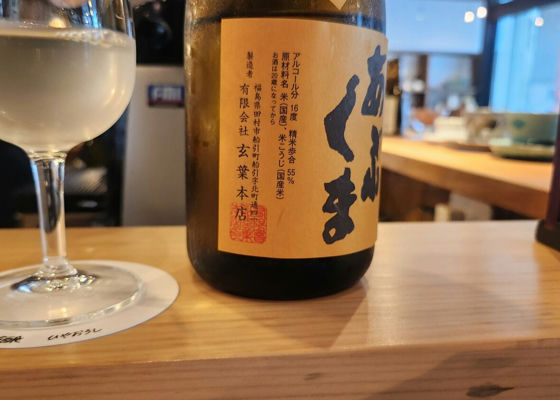
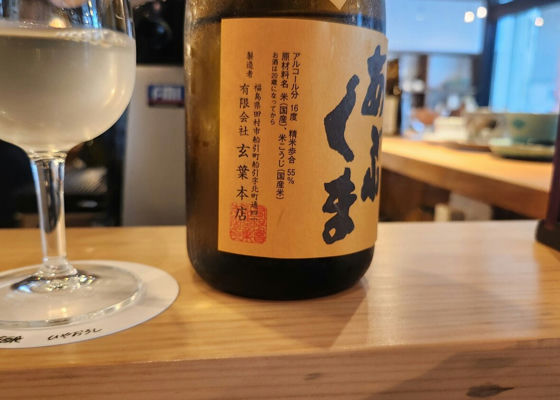
It has a very easy-drinking, calm taste that is very surprising when you are told that it is a sake with 16% alcohol by volume.
Ōshi: No taste, thick, so the mouthfeel is water with high specific gravity, mellow.
Cheng Not spicy just touching the tongue
TURN
Conclusion: Spiciness that comes after swallowing with a gulp, with a time lag.
There is a fullness to the flavor, and although there are no spicy elements at first, a very sharp spiciness of sake rises up around the throat. However, the aftertaste is redundant due to the strong sense of rice powder.
If it is a high grade Harushika, it would be a perfect match for French cuisine with basil.
PS
If you let it sit for a day after opening the bottle, it becomes completely dry. It goes well with dashi type meals. The riceiness disappears and the sharpness increases. To be honest, it is subtle when the bottle is first opened.