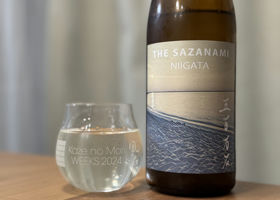
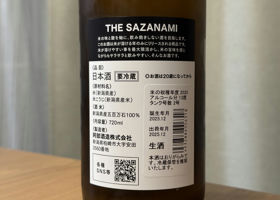
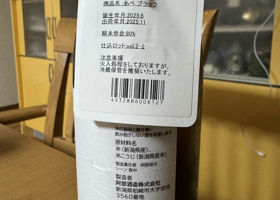
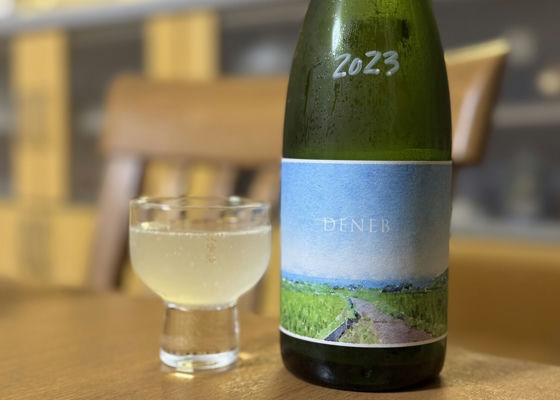
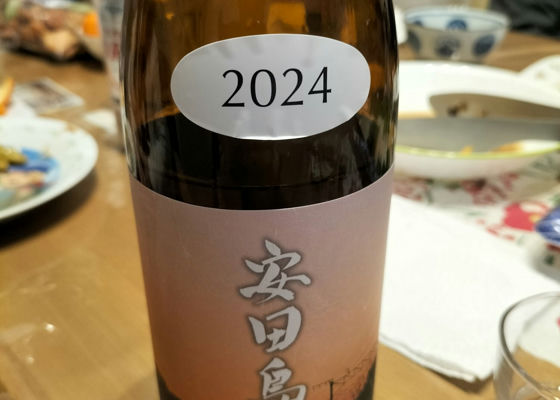
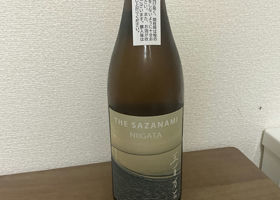
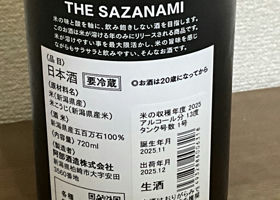
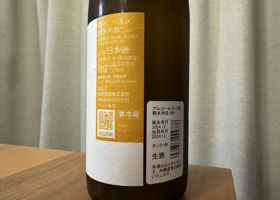
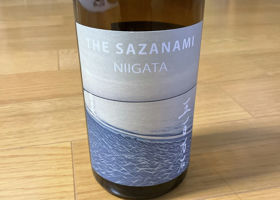
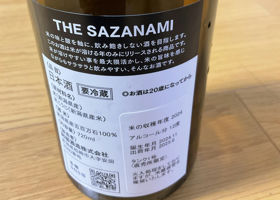
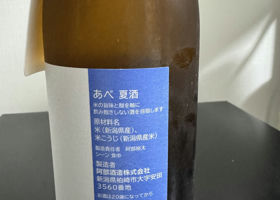
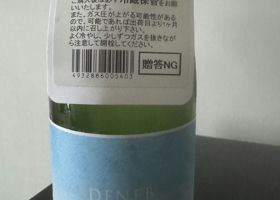
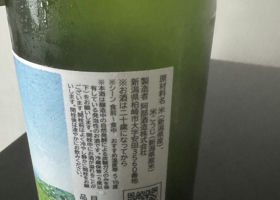
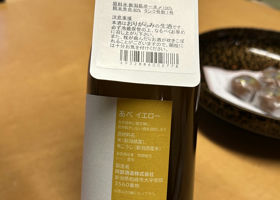
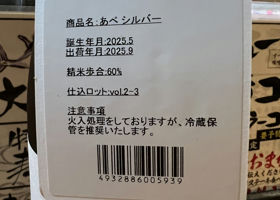
In years when rice tends to melt easily, "Sazanami"
Pleasant acidity and greef-like freshness. I didn't know it was possible to produce such flavors even with Gohyakumangoku.
The aroma is slightly sweet. When you drink it, it is slightly slightly carbonated and has a sweet but crisp and dry aftertaste. It is sweet for a Niigata sake, but at the end, it is a very good Niigata sake!
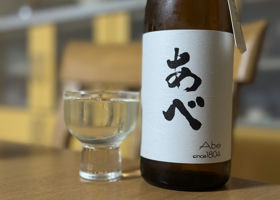
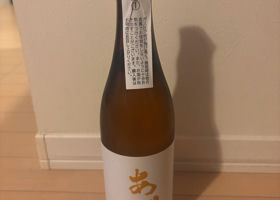
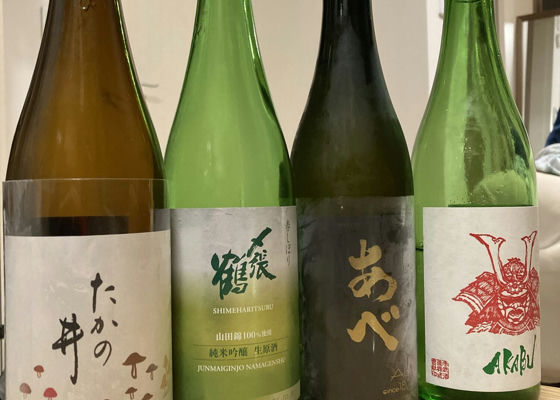
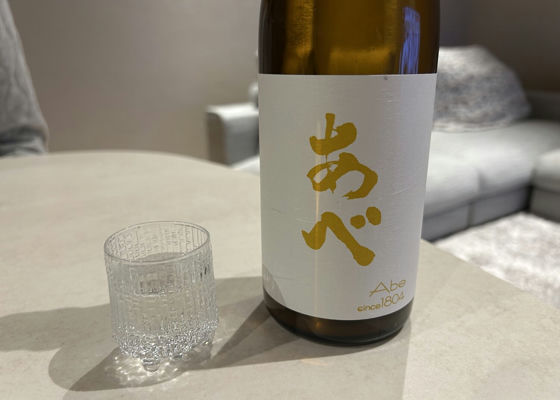
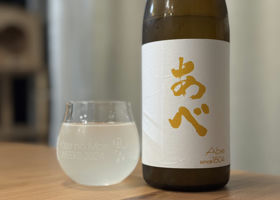
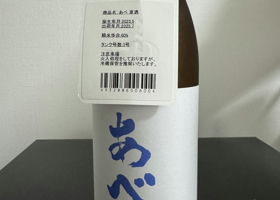
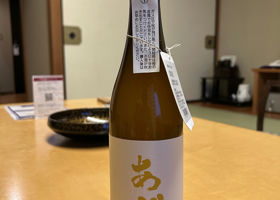
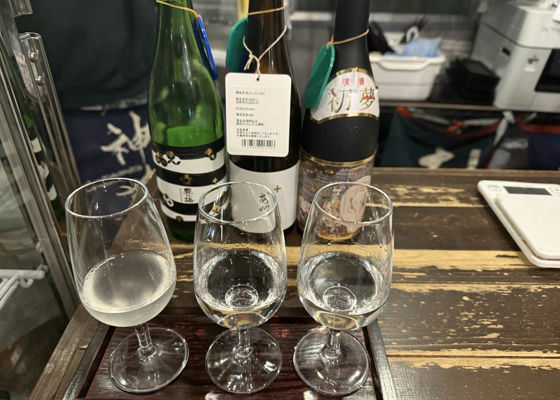
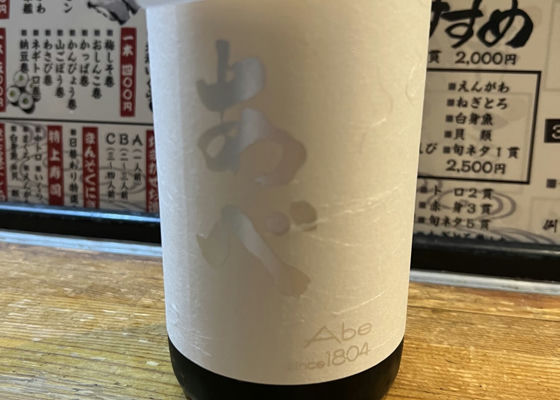
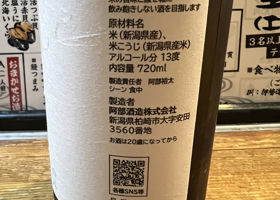
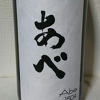
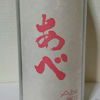
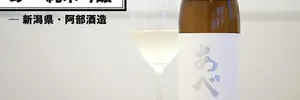
This one, second from the right in the photo, is Abe Shuzo's Abe, Junmai Daiginjo.
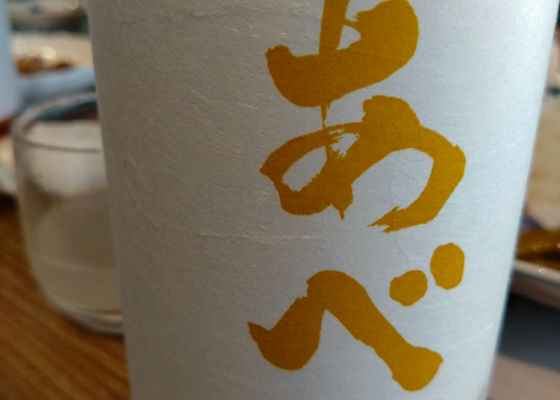
Unlike Abe Shuzo's other sake with horizontal characters, this is a delicious Chupon-style sake with a proper sake character. It has a full-bodied umami sweetness, with a hint of acidity, but it is well balanced, so there is nothing unpleasant about it.
It is a delicious sake, but a bit pricey.
Year-end and New Year's sake. Thank you for your support this year.
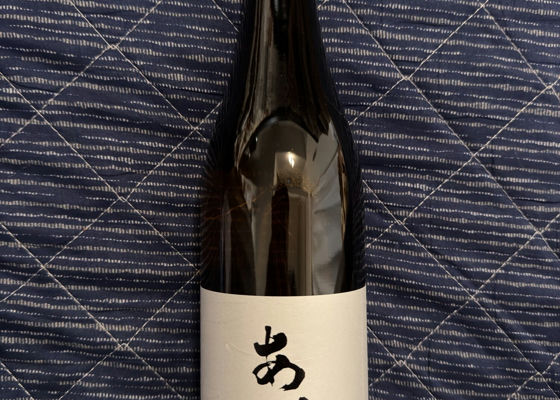
It seems to be pale because it looks like Gohyakumangoku. The aroma is lighter than expected, with a faintly grape-like flavor. When you drink it, it tastes like a bitter grapefruit with a strong acidity, and the umami is faint. There is also a sense of fizziness. The second day will bring more umami.
It is a modern version of Niigata Tanrei. It is said to be released only in years when the rice is easily soluble, but it is still light enough. The technical skill of taking a modern direction while making the most of regional characteristics is a true feat. It can be drunk by those who like classic wines without any discomfort.
Happy New Year, Kab!
Please keep up the good work this year: 🙇♀️
New Year's Eve Sake with Abe-san 😍.
I'd love to try some Abee-san 😋.
Let's enjoy this year with a good sake life 🤗
Happy New Year, ma-ki 🎍.
Abe is not easily available at my local liquor store these days, but I happened to find it by mail order, so I ordered it immediately 😁.
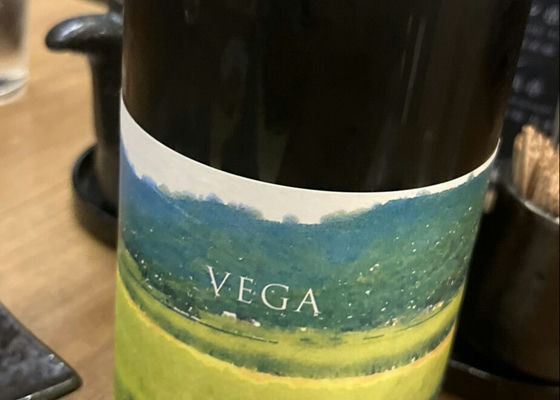
It is fruity and modern, but not light and has a good flavor.
This is the first bottle I brought to a year-end party.
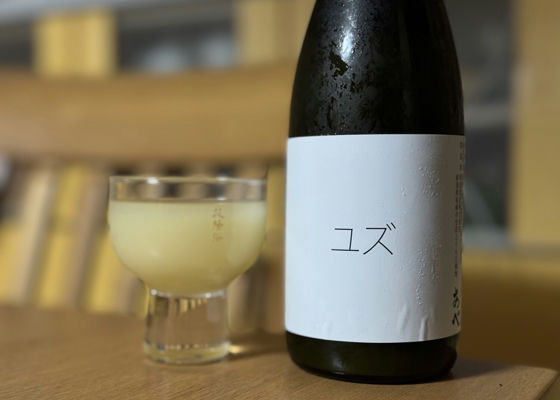
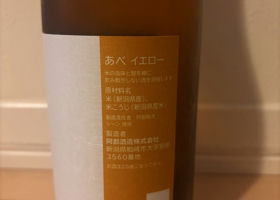
It's orange flavored 🍊, they say.
It's quite fresh and tasty!
I wasn't sure about the orange 😅.
7



 シーズン3第31回の放送は新潟県「あべ」を紹介しました!ニュースはコーラの川、ミサイル発射、核シェルターの3本おつまみにゅーす | 日本酒紹介ラジオ
 阿部酒造株式会社(新潟県柏崎市)は、酒造りで培ったノウハウを「コーラ」に取り入れた甘酒クラフトコーラシロップ「SAKETIMES | 日本酒をもっと知りたくなるWEBメディア
 SAKETIMES編集部が、いま気になるお酒をテイスティングする連載企画「SAKETIMES編集部 注目の一本SAKETIMES | 日本酒をもっと知りたくなるWEBメディア