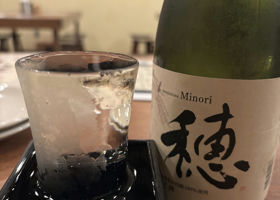
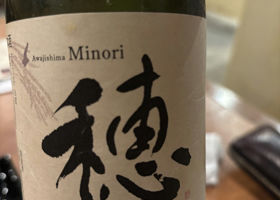
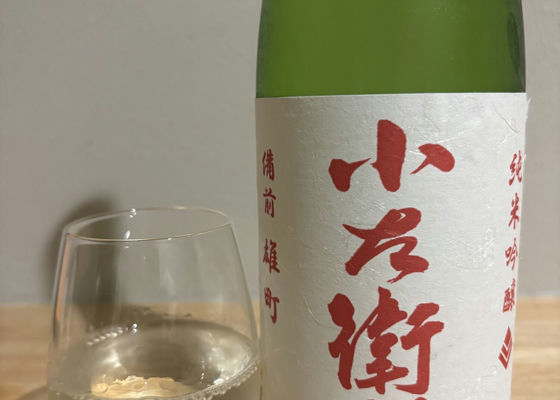
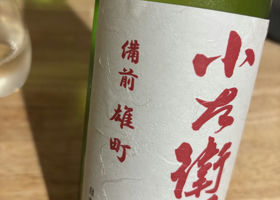
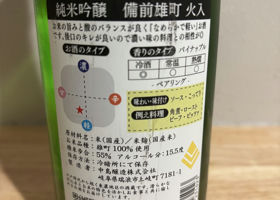
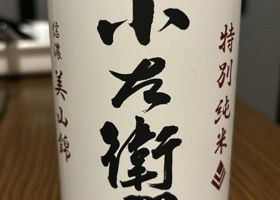
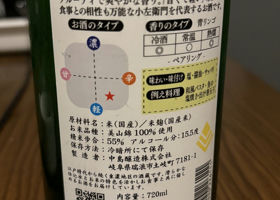
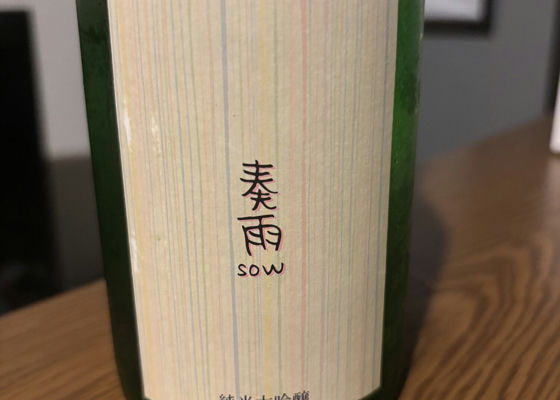
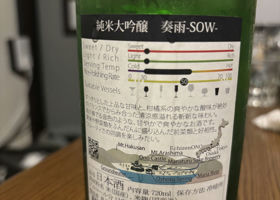
Bizen Omachi version of Kozaemon by Nakajima Brewery in Mizunami City, Gifu Prefecture.
The rice used is Omachi from Okayama Prefecture. The rice is polished to 55% and the alcohol content is 15.5 degrees.
The first sip is light and sweet.
It has the delicious flavor of Omachi rice.
It is light in the mouthfeel, but seems to go well with robust dishes (the label also says "sauce" and "rich").
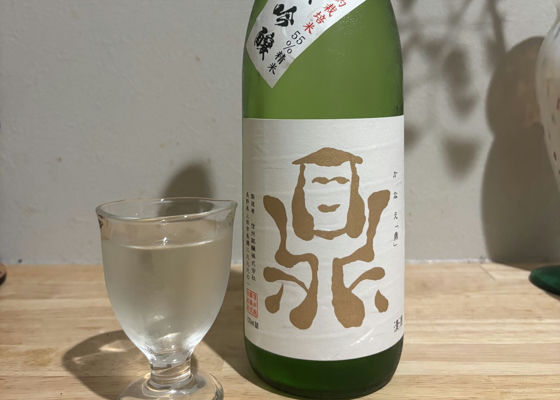
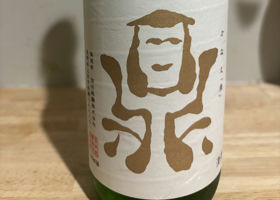
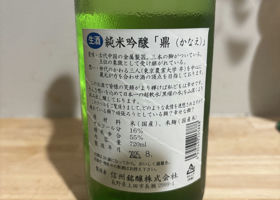
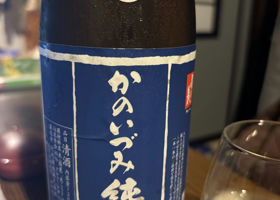
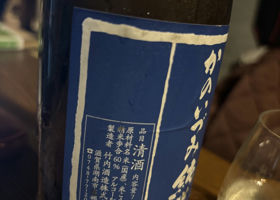
Ding from Shinshu Meisho in Nagano Prefecture.
It was hard to read at first, but "Kanae".
55% polished rice made from contract rice produced in Nagano Prefecture.
The moment you open the bottle and drink it, you will feel the fruitiness spreading. The aftertaste is dry and refreshing.
It is light and refreshing due to the use of the softest water in Japan.
You can easily enjoy this without food or snacks.
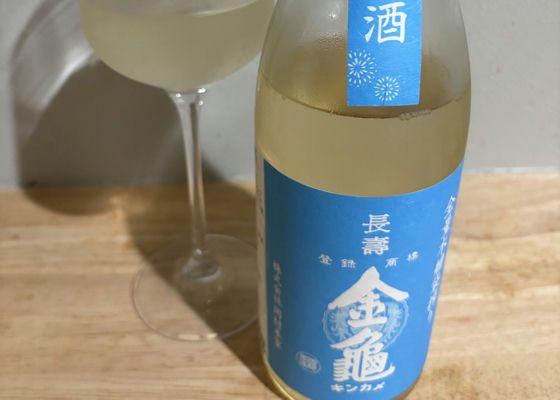
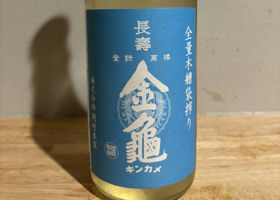
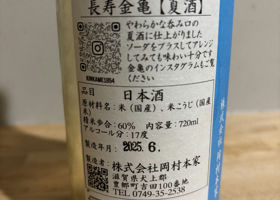
Kinkame by Okamura Honke in Toyosato-cho, Shiga Prefecture, Japan.
A sake brewery that makes all of its sake by hand, using the old-fashioned wooden sack pressing method.
The summer sake has 60% rice polishing ratio and 17% alcohol content, which is a little high, but the taste is so light that you do not feel the alcohol content of 17%.
Since it is a summer sake, it is recommended to be chilled and served with soda, but I tried it on the rocks.
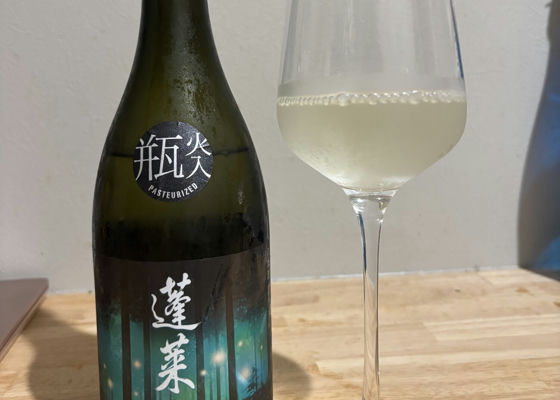
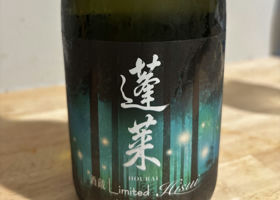
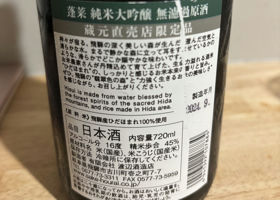
Hourai from Watanabe Sake Brewery in Hida City, Gifu Prefecture.
Junmai Daiginjyo unfiltered sake sold only at the sake brewery.
Polishing ratio 45%, alcohol 16%.
The sake rice is Hidahomare produced in Gifu Prefecture.
The moment you drink it, you will be struck by its sweet aroma and firm acidity.
It has a deep aroma that only a Junmai Daiginjo can have.
I personally think that Hourai is delicious no matter what you drink.
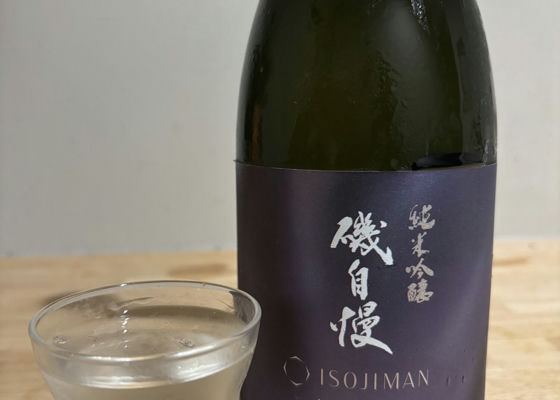
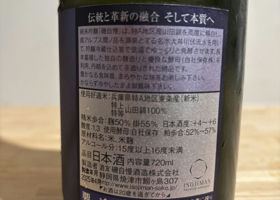
Isojiman" is a famous sake from Shizuoka Prefecture
It is made from 100% Yamadanishiki grapes from the Tojo district in Hyogo Prefecture.
It has a subtle sweetness and a sharp sharpness, and you will never get tired of its taste.
Isobojiman is a slightly overpriced honjozo, and Junmai Ginjo is a bit of a luxury lineup, but the taste is satisfying.
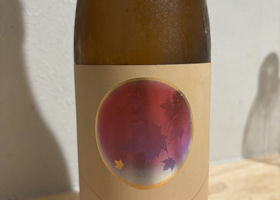
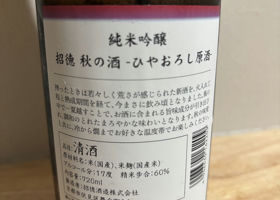
Autumn sake by Kyoto Fushimi Shotoku Shuzo: Hiyakioroshi (cold sake).
Polishing ratio 60%. 17% alcohol by volume.
It is a vintage of 2023 as it was purchased previously and laid down for two years.
Slightly dry. It has a rounded and full flavor with no thorns, as is typical of autumn sake. It was served cold, but it might have more aroma if it were served at room temperature.
Half-price sale at a local liquor store for product replacement.
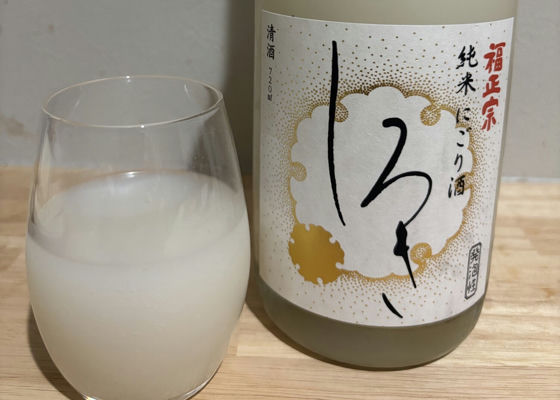
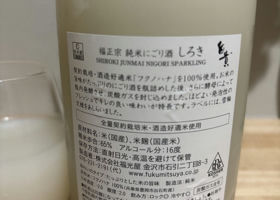
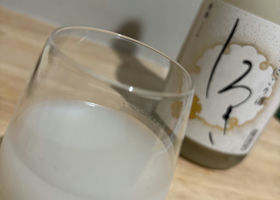
Nigori (nigori) sake from Kanazawa's Fukumasamune.
Sake rice is 100% FUKU-NO-HANA, grown under contract.
The second fermentation in the bottle makes this nigori sake effervescent.
Refreshing, clean sweetness and firm effervescence. Good as an aperitif.
The label is also very Kanazawa-like.
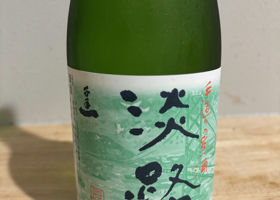
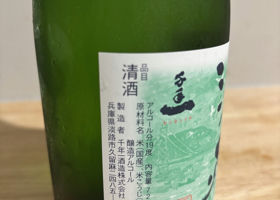
Awaji by Sennenichi Shuzo, a local sake brewery that continues to operate on Awaji Island.
It is a high strength sake at 19 degrees because it is a pure sake.
It has a slightly sweet taste, but it is very punchy and has a strong flavor.
I first had it cold, but it was too strong for me personally, so I changed it to on the rocks and enjoyed it.
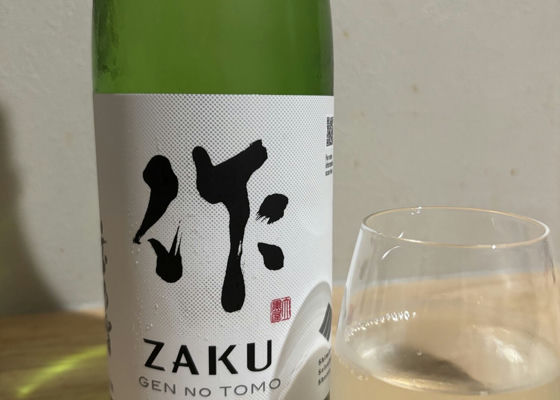
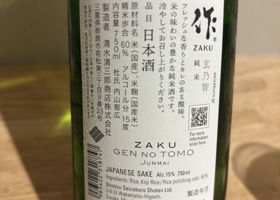
Made by Shimizu Seizaburo Shoten, one of the leading sake breweries in Mie Prefecture.
It has a freshness that one would not expect from a fire-roasted sake. The aftertaste is refreshing.
The rice polishing ratio is 60%, and the alcohol content is 15%.
Takeuchi Sake Brewery, Konan City, Shiga Prefecture.
Sake with more umami than aroma.
It has a sharp taste.
I served it cold, but is it suitable for warming up? Maybe.
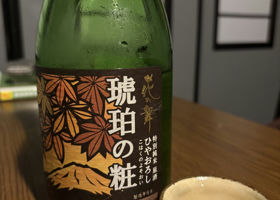
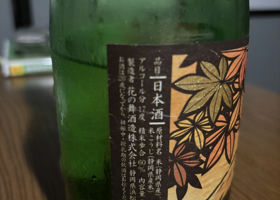
Hananomai Sake Brewery, Hamamatsu City, Shizuoka Prefecture
Hana-no-Mai Hiyoshi Oroshi (Hiyakoshi)
A slightly higher alcohol content of 17%, made with sake rice and koji malt from Shizuoka Prefecture. Polishing ratio 60%.
We had a bottle from last year that had been sitting at home for a year.
Because of its high alcohol content, it has a strong impact on the palate, but it is not cloying and disappears easily.
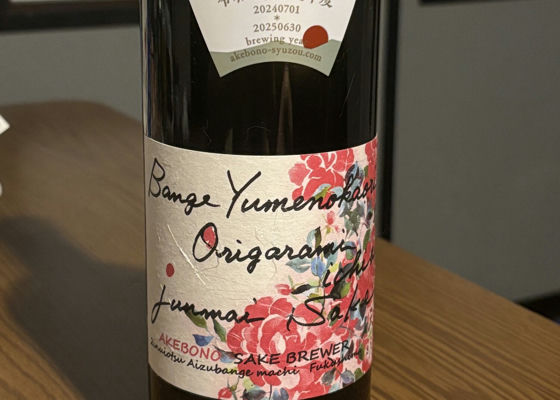
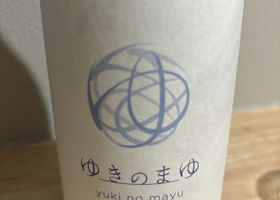
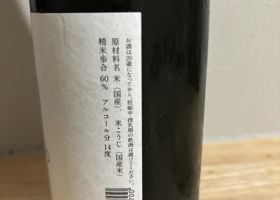
Sake from the Aizu region of Fukushima Prefecture.
The sake rice used is 100% Yumeko, locally grown in Aizu Sakashita.
The alcohol content is a little low at 14 degrees.
The beauty of the label suggests a gentle taste, but the texture is very drinkable and moist. After drinking, it has a noble flavor.
It would go well with dishes that are a little strong in flavor.
Kozaemon is made by Nakajima Jyozo in Mizunami City, Gifu Prefecture.
The sake rice is Miyamanishiki from neighboring Nagano Prefecture.
It is light, but just as tasty.
It has no peculiarities and goes down smoothly.
We had it cold this time, but we heard that heating it up is also recommended, so we will give it a try next time.
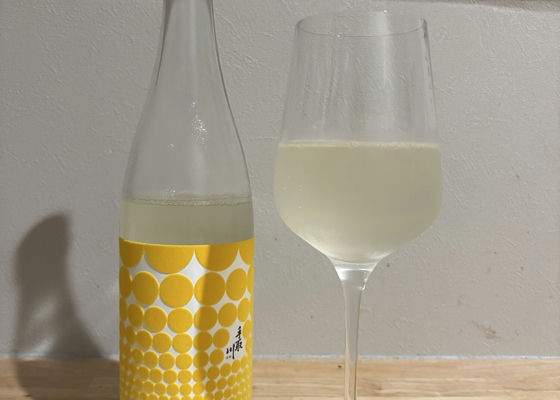
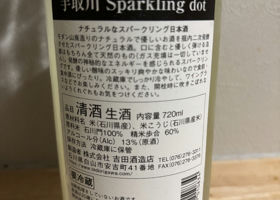
Sparkling sake (not gas-filled) with secondary fermentation in the bottle.
Slightly sweet with a modern taste of Yamahai.
The bubbles are amazing from the moment you open it!
The acidity is clean and crisp.
I used a wine glass, but it would have been better in a champagne glass.
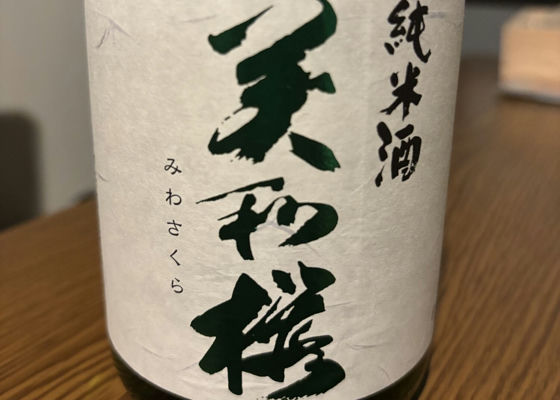
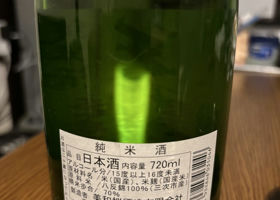
Miwazakura Sake Brewery in Miyoshi City, Hiroshima Prefecture.
100% local Hachikanmai rice from Miyoshi City is used as the sake rice.
It can be served at room temperature as an in-dinner drink.
Niigata Prefecture Naeba Sake Brewery Co.
Formerly brewed by Kozo Mori, the brand name has now been changed.
Sake rice is Gohyakumangoku produced in Niigata Prefecture.
Purchased locally. It was chilled in the refrigerator.
The acidity is strong and the flavor is fruity.
The umami of the rice is still there.
I think I'll have to chill this one.
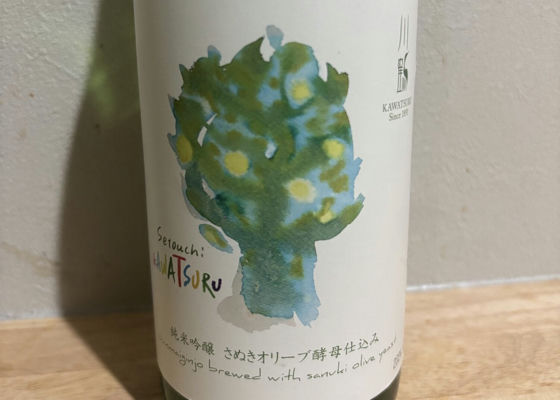
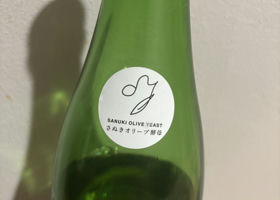
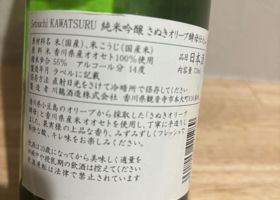
Kawatsuru Sake Brewery, Kanonji City, Kagawa Prefecture
100% Oceto grown in Kagawa Prefecture is used.
The yeast used is Sanuki olive yeast from Shodoshima olives.
It has a fresh feeling of green fruit and refreshing acidity. Best served cold.
Manazuru Sake Brewery, Ono-cho, Fukui Prefecture.
All the sake is handmade in a small brewery.
As the name suggests, this is a refreshing sake to drink when it rains and the atmosphere is gloomy.