Timeline
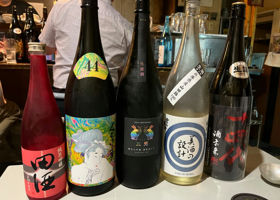
しんしんSY5th Cup 5️⃣
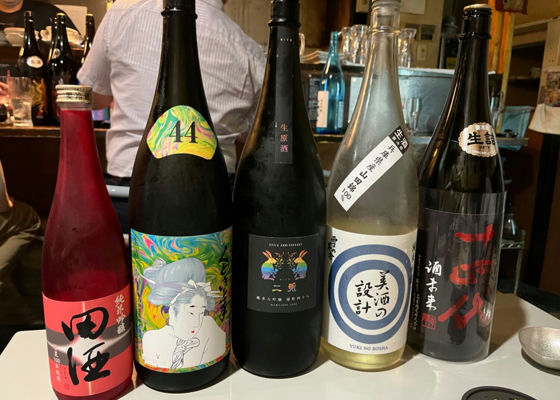
Tohoku Master's Third Choice
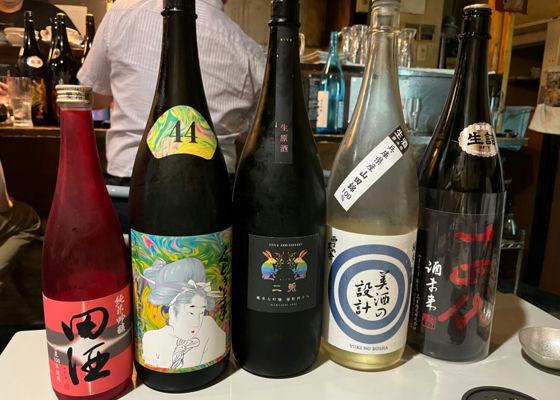
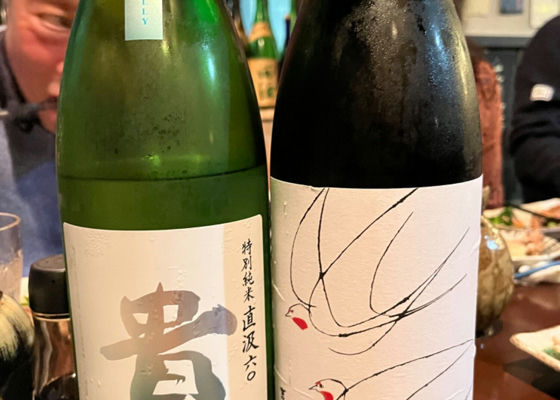
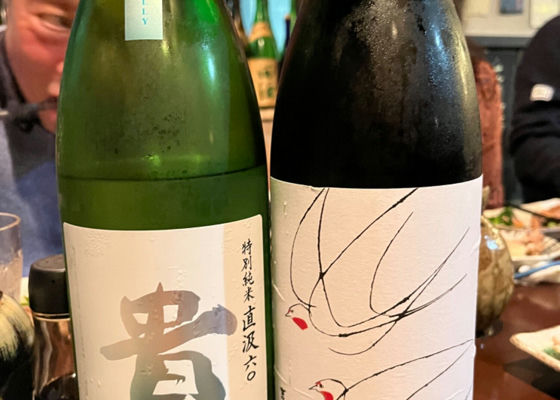
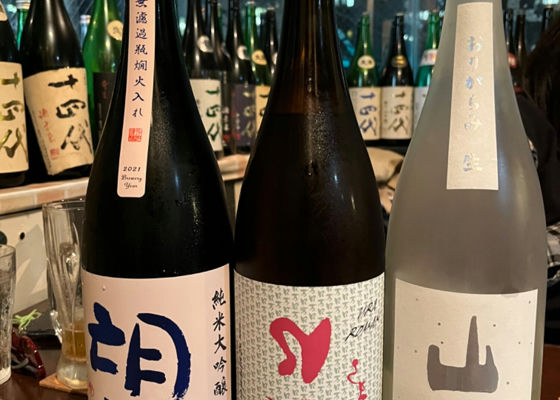
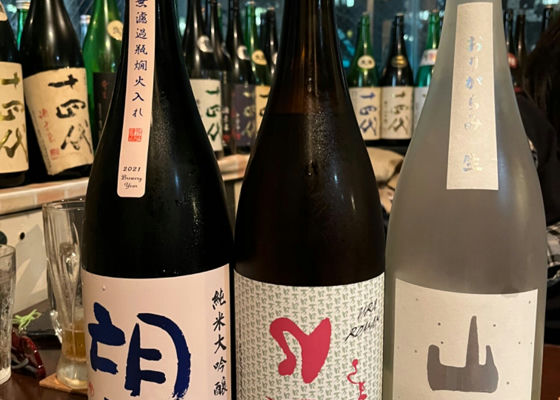
Kudokidobue Jr. Mamaiyasumi Junmai Daiginjo was served to me last year in Tsuruoka!
I'll never forget the colorful label!
Polishing ratio 44%.
Beautiful sake!
A little sweet.
That's the last of the first batch!
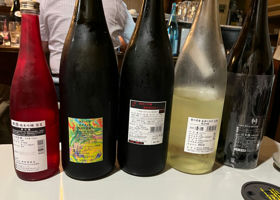
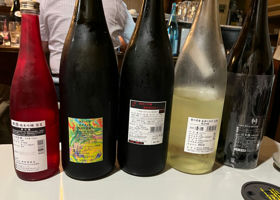
The waiter has already put the additional bottles behind these five!
The speed of drinking is accelerated when you come to the bar!
extensive knowledge
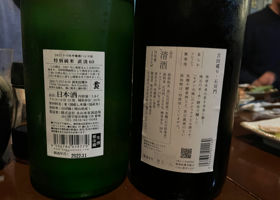
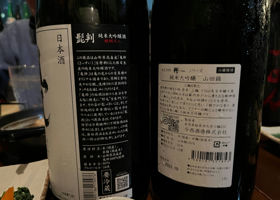
The name "Maha-Magi-chan" comes from a comparison with "Fushigi-chan" which was released around the beginning of the year. The difference between the two sakes, made from the same Yamada-Nishiki, is only 1% of the rice polished to 45% and 44%. It is a "wonder" that they produce sake with different expressions. The aroma is gorgeous with a hint of citrus fruits, the mouthfeel is smooth, and the fruity, gorgeous flavor of high quality spreads throughout the mouth.
Heat treatment: Nama-fume (once-fired)
Ingredients Rice, Rice malt
Alcoholic strength: 16° to 17° C
Ingredient rice: Banshu Tokushu Tokushu A Yamadanishiki
Polishing ratio 44
Yeast used: M310, 1801
Sake degree -7.0 approx.
Acidity around 1.4 しんしんSYFourth cup: 4️⃣
Now it was my turn to choose.
The odd red label is eye-catching👀.
Tasake is known for its appleiness 🍎.
Compared to the standard Tasake, I think the apple flavor is relatively restrained.
But this sake is also full of fruity flavor!
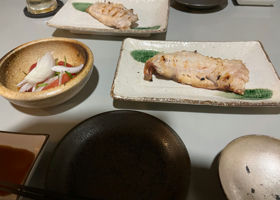
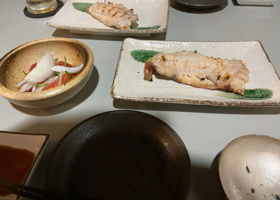
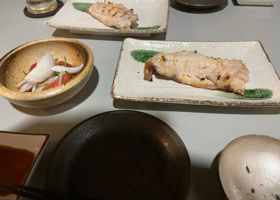
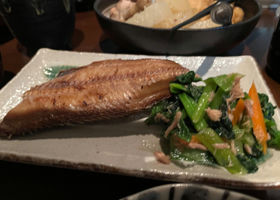
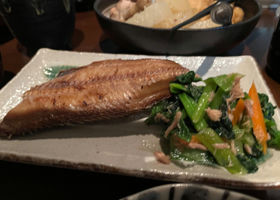
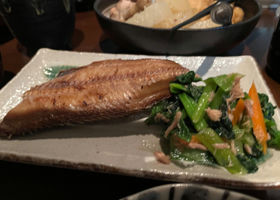
It goes well with grilled fish!
Knowledge
This limited edition sake has a light flavor that is relatively rare among Tazake brands. The refreshing and clean acidity is well balanced and makes the cup go down a treat. しんしんSYThird glass.
Tohoku masters choose Akita sake🍶.
It is Junmai Ginjo Namaishu!
I know it's good!
And it's a pure sake!
I knew it was right in my strike zone!
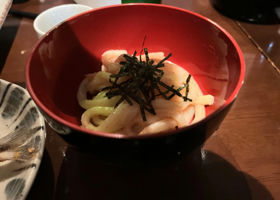
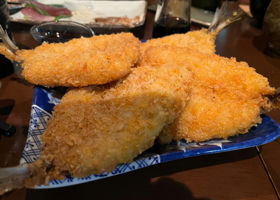
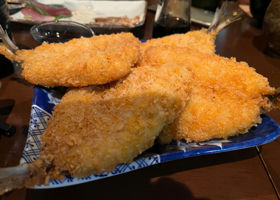
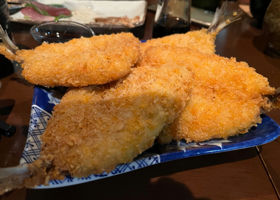
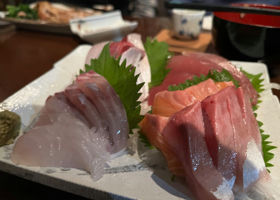
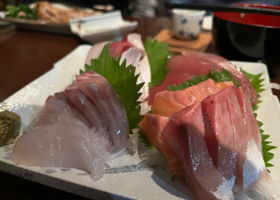
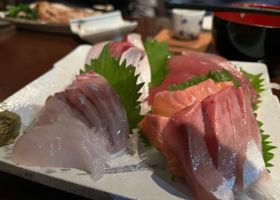
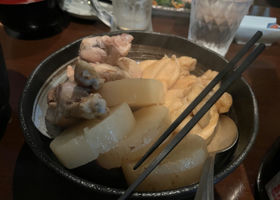
The snacks at this restaurant are served little by little, and they also go well with the sake 🐟!
By the way, tonight's sake was a large flat sake cup, so I poured it down to about 8 parts, but I wonder how much is enough?
I wonder how much is it? 30-40ml?
knowledge
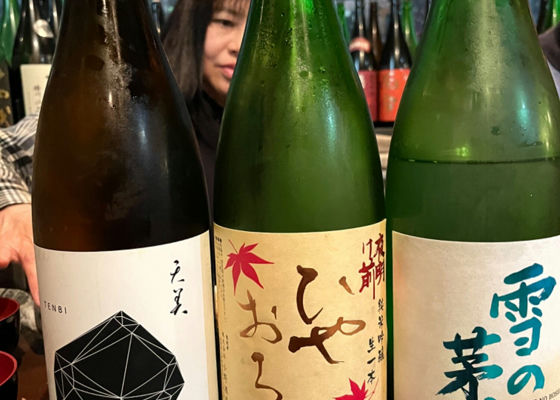
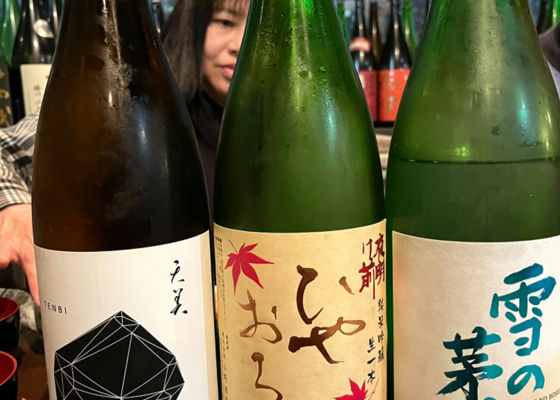
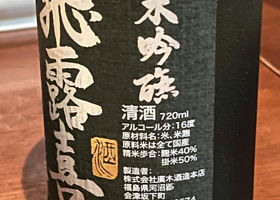
The long-awaited new shipment of "Bishu no Sekkei" (new sake - R5BY) has arrived after a significant delay in production this season. It has a mellow, fresh aroma, and is exquisitely balanced, making it a truly "Bishu" as its name suggests. It is made entirely from Yamada-Nishiki and is a 55% polished junmai ginjo, with an imposing yet refined quality.
Rice used: Yamadanishiki
Polishing ratio: 55
Yeast used: Preserved in the brewery
Sake meter degree: --
Acidity: --
Alcohol content: 16
Nito純米大吟醸 備前雄町 四十八 333周年記念ラベル純米大吟醸原酒生酒 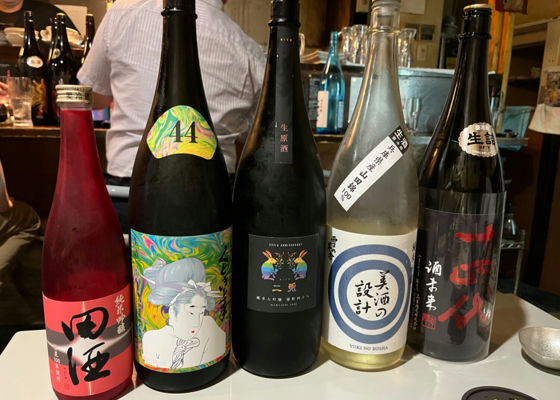
しんしんSYAfter finishing the Jyushiyo in a flat sake cup, the master from Tohoku and I took turns to choose our favorite sake and drink it together.
It wasn't a draft meeting, but we decided to drink by sharing our preferences.
I chose Ni-Rabbit from Aichi as my first choice.
I couldn't buy it on my recent trip, so I bought a small Masu as a souvenir.
I bought a small Masu as a souvenir and use it at home 🏠.
I had this sake for its 333rd anniversary a while ago, and I'm lucky to find it again!
The taste is fruity and fruity, similar to Jyushiyo.
But the bitterness that comes at the end is indescribable!
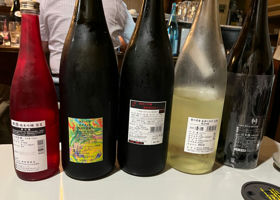
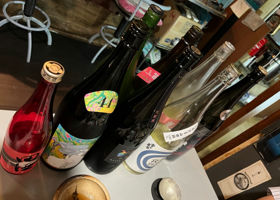
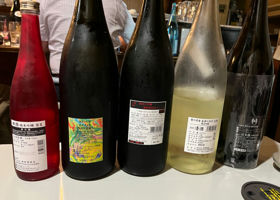
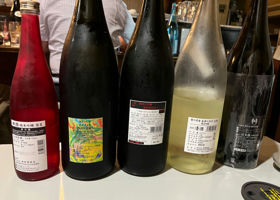
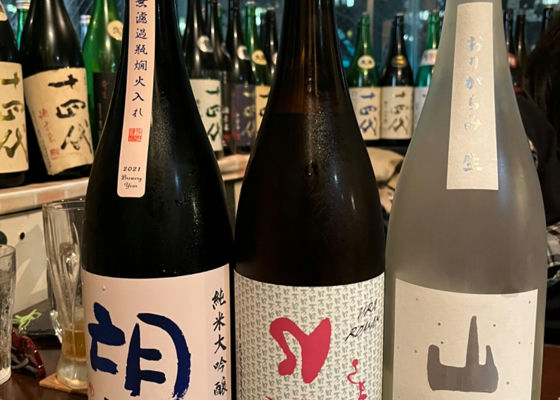
Five bottles of sake!
I'm looking forward to seeing what I can taste from here. 🍶🍶🍶🍶🍶
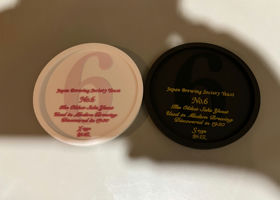
The coaster of Rasai, it was no.6 by Shinsei: 6️⃣
extensive knowledge
This is a Junmai Daiginjo-shu with a 333rd anniversary label commemorating the 333rd anniversary of Maruishi Brewery. The sake itself inside is the regular "Nitoshi Junmai Daiginjo Bizen Omachi 48", only the label is a limited edition.
Aromatic and mellow aroma x Rich honey taste.
Alcohol content 16%.
Ingredient rice Bizen Omachi
Polishing ratio 48
しんしんSYI visited Rashai since the year-end party!
I drank so much at that time that I honestly don't remember much.
Let's recall and review that time at Sake-no-Wa!
Now, let's drink more maturely than that time tonight!
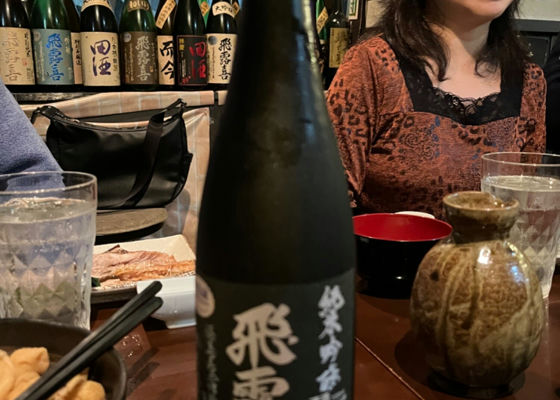
After quenching our thirst with beer, we moved on to sake, and suddenly five bottles of sake were placed on the table!
Just like at the year-end party!
The master from Tohoku accompanied us this evening, so let's start with Jyushidai.
I agree!
This Jyushiyo was not very cold!
In fact, it was not so cold, but rather cold.
The sweetness and fruity flavor is more pronounced this way.
Delicious and as always, a moving start: ▶️
Skandhavn
Junmai Ginjo-shu brewed with our own rice, "Sake Mirai", polished to 50%. Fresh, sweet fruit aroma like tropical fruits and strawberries. The flavor is firm but crisp, with acidity and astringency creating the outline of the sake.
Specific name: Junmai Ginjo-shu
Ingredients: Rice, Rice malt
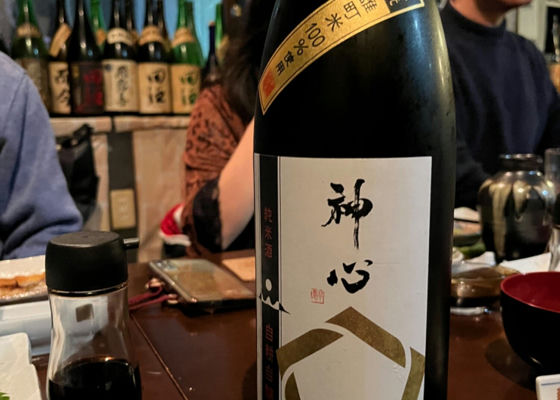
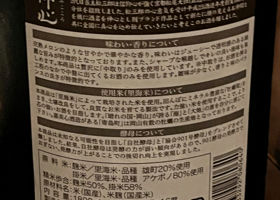
Alcohol content 15 神心自耕自醸 純米酒 【別取り生原酒2022ver.】純米原酒生酒無濾過 しんしんSY20th cup
extensive knowledge
Usually, "Shinshin Jikoujozo" is a fire-roasted type of sake.
It is a special "Nama-nama-shu" (raw sake).
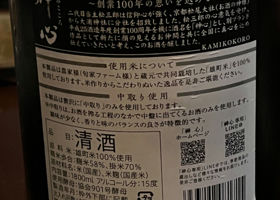
It is a limited-quantity version that is produced to order and released only once a year. Jikou Jijo" means "to cultivate and brew by oneself. The brewery uses "Omachi rice" grown jointly by the brewery and Shunke Farm in Yakage-cho, Okayama Prefecture. The first impact on the palate and the juiciness of the Omachi rice are the attractions of this bottle.
It has been closed for the time being.
From here, we went to the members-only store, Ami.
Everyone is in good spirits! しんしんSY19th cup
extensive knowledge
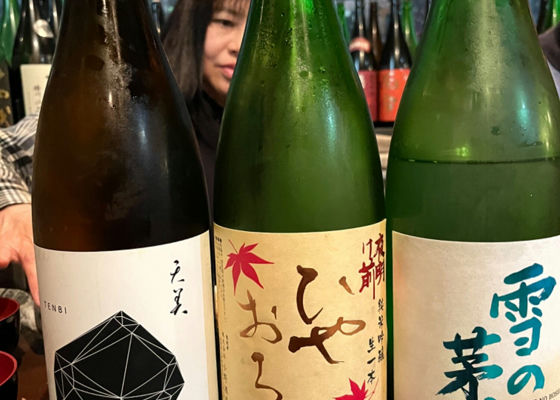
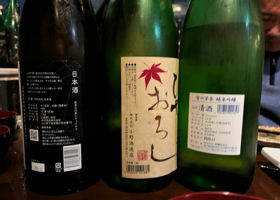
Thermal tanks (low-temperature storage) and a pastry riser (high-performance fire-retardant device) are used to lock in the freshness of the crisp, unpasteurized sake flavor as much as possible. We recommend this bottle first to get acquainted with "Snow Kayasha," which is highly regarded for its outstanding stability. しんしんSY18th cup
extensive knowledge
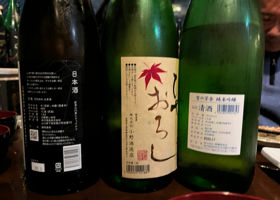
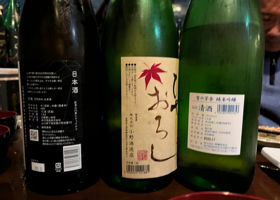
Hiyaoroshi" has been an autumn tradition since the Edo period. A limited quantity of "Nama Ippon Hiyaoroshi", which has been laid down for one summer in the brewery, is made from high-quality sake rice polished to 55% Yamada-Nishiki produced in Hyogo Prefecture. Hiyaoroshi" has been an autumn tradition since the Edo period (1603-1867), and was named hiyaoroshi because of its meaning of "wholesale while cold. This sake is released simultaneously in the prefecture on September 9. It is brewed with carefully selected yeast exclusively for hiyaoroshi and kept at a cool temperature throughout the summer, resulting in a mild sweet aroma and a mellow flavor. しんしんSY17th cup.
extensive knowledge
Amami's standard sake, Tokubetsu Junmai (also available as a seasonal product, Nama-junmai). Koji rice is Yamada-Nishiki. Kake rice is Saito no Shizuku and Yamada Nishiki. Nishitoshizuku is an original sake rice of Yamaguchi Prefecture, and is locally grown mainly in the mountainous area of Shimonoseki City, where the brewery is located. It is produced by crossing "Koku Ryoto" with Saikai 222 (with Yamadanishiki as one parent). It has a fresh and mild aroma, smooth and soft sweetness and acidity, and is intended to be a sake that goes well with meals.
Rice used: Koji rice: Yamadanishiki / Kake rice: Nishitonoshizuku, Yamadanishiki
Rice polishing ratio: 60
Alcohol percentage : 15% (original)
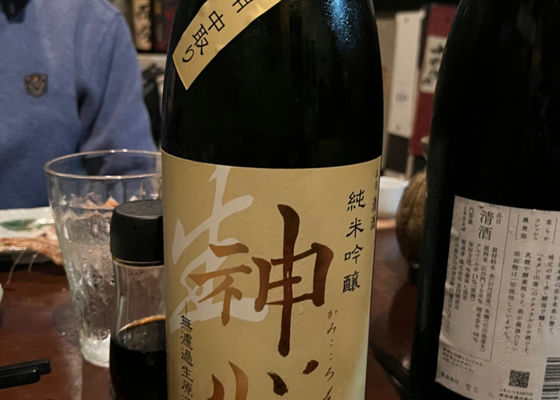
Yeast : No.701 神心純米吟醸 無濾過生酒 麹米・雄町使用 中取り純米吟醸原酒生酒無濾過 しんしんSY16th cup
extensive knowledge
This is a limited distribution product of the "Shinshin" series of sake, launched by Kamishin Shuzo on the occasion of the 100th anniversary of its founding in the 2013 brewing year, to show its spirit and offer its compliments. This unfiltered, unfiltered, unfiltered, unfiltered, unfiltered sake is the most gorgeous type in the series, with a clear, gorgeous aroma reminiscent of La France. It has a clear and gorgeous aroma reminiscent of La France, and a mellow flavor that melts in the mouth, yet is characterized by a smooth, refreshing taste. The use of satoumi rice "Omachi" for the koji rice and satoumi rice "Akebono" for the kakemai rice gives it a sharp taste with a strong core and a clear outline. This is a luxurious product made entirely from "Nakadori" rice. しんしんSY15th cup
extensive knowledge
We started doing business with Izumiya in 2007, and we are pleased to offer this sake in 2022 with the same specifications as when we planned the first shipment for the hanpukai. しんしんSY14th Cup
extensive knowledge
The Yoshidagura u Series was created in 2021 as the next sake in the Yoshidagura series. This sake is made from Ishikawa's sake rice, "Ishikawamon". Because this sake rice is delicate and difficult to handle, the brewery's techniques are put to the test. Because it is difficult to handle, its gentle sweetness and refreshing flavor attracts people who drink it. The unique "modern Yamahai" method of brewing expresses freshness and refreshing flavor, while maintaining the traditional brewing method. The "u" in "Yoshidagura-u" stands for "Yu" (gentle) and "you" (for you), and the low alcohol content of 13 degrees makes it a sake that can be recommended to any person.
Both myself and Colonel Ralu were surprised at how good it tasted. Bo(bo:) 純米大吟醸 雄町 生原酒純米大吟醸生酒 しんしんSY13th cup
extensive knowledge
Omachi, a sake rice produced in Okayama Prefecture, was carefully brewed at low temperature.
Enjoy the balance of its full, elegant flavor and floral, gorgeous aroma. We hope you will enjoy the delicate quality of this junmai daiginjo. The best temperature is from 5°C to 10°C to bring out its charm.
5°C => For those who want a more refreshing drink
10°C => For those who want to enjoy juicy sweetness and volume
Rice / Omachi
Rice polishing ratio/50
Alcohol content/16 しんしんSY12th cup
extensive knowledge
The Loman series offers the enjoyment of sake in each season by serving sake that matches the four seasons. Back Loman, the label is also inverted. It is a blend of several different types of sake from the Loman series, and is sold with a different blend each time. The specifications and other information are not disclosed. しんしんSY11th cup
extensive knowledge
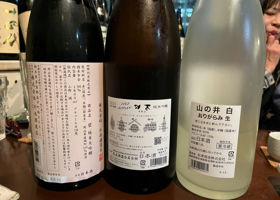
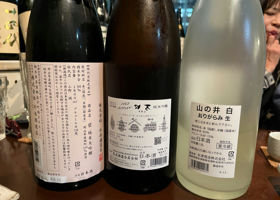
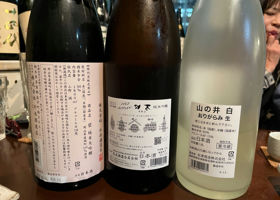
From R2BY, we have decided to make a model change for the entire "Yama-no-i" series. The first of these, "Yamanoi Shiro ORIGARUMI Nama" was released. It is a junmai ginjo spec carefully brewed under the theme of "soft, clean, and easy to drink.
Rice: Gohyakumangoku
Rice polishing ratio: 60
Sake meter : undisclosed
Acidity : Undisclosed
Alcohol : 15%. しんしんSY10th cup
extensive knowledge
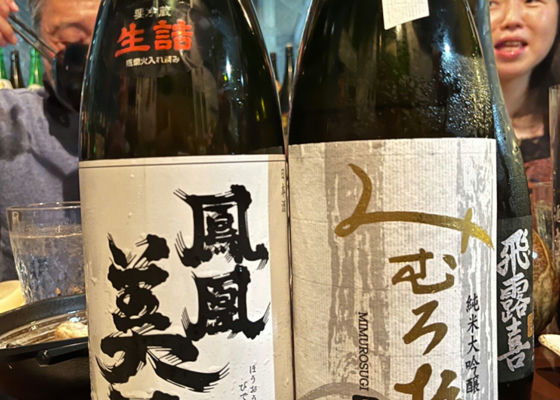
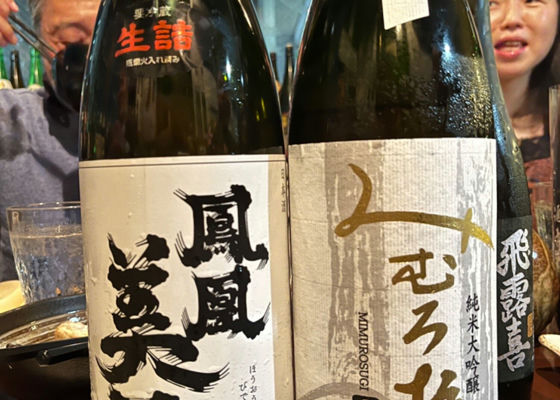
This sake is a perfect example of the sake synonymous with the "Mimuro Sugi Romain Series": a sake with the original flavor of rice, with a sharpness provided by the gentle acidity, and a good match with food.
Although it is a royal combination of Yamadanishiki and No. 9 yeast, it is full of flavor and sharpness that far surpasses that of ordinary Junmai Daiginjos. The clarity and natural flavor of this sake is "high quality" itself. The silky touch of the mouthfeel and the softly spreading flavor make this Junmai Daiginjo-shu more satisfying than its price. しんしんSY9th cup
extensive knowledge
Hououmida has a number of limited edition sakes made from rare sake rice. The "Kameiki" used in this sake is a mutant strain of the famous rare rice, Kame-no-o.
Even Kame-no-o is a very scarce sake rice, so the production of Kameiki is even more limited, making it a truly rare sake rice.
Pouring it into a glass, you will be surprised by its mellow, peachy, melon-like ginjo aroma. The aroma is gorgeous, yet elegant and graceful. In the mouth, a rich sweetness fills the palate, and the sweetness is enhanced by the acidity that is felt in the sweetness, which is expressed as a delicious flavor. The elegant sweetness also appears in the aftertaste, but the acidity mentioned above gives it a refreshing sweetness.
This is a limited edition sake of Hououmida, also known as "Hige-ban" (mustache seal) because of its font, which is quite rare.
Rice used: Kameiki
Polishing: 50%. しんしんSY8th cup
extensive knowledge
Rice : Yamadanishiki, Gohyakumangoku
Rice Polishing Ratio : 40%, 50%.
Alcohol content : 16.2
Sake taster and the owner
Two friends of sake, each accompanied by his wife
Pon friends from college
And me!
Eight sake lovers enjoyed a great sake!
Pouring sake into each other's small cups
The restaurant was full to capacity 🈵. しんしんSY7th cup
extensive knowledge
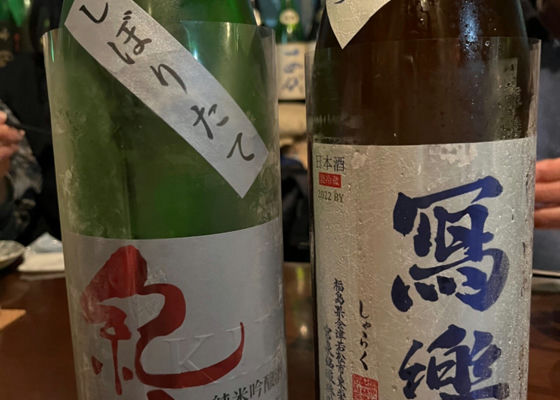
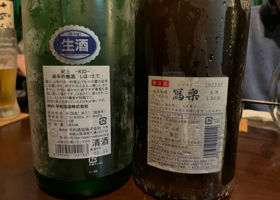
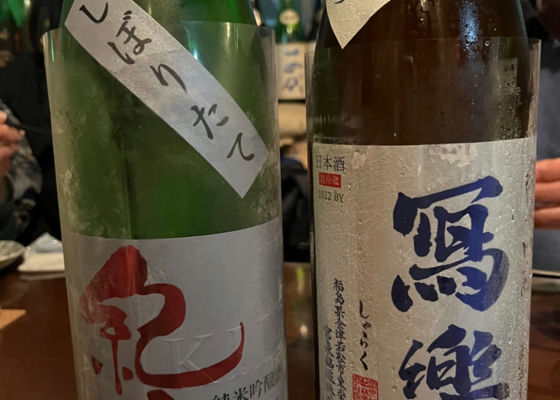
This is a light nigori (lightly nigori) unpasteurized sake, with a hint of sake lees, that is shipped only during the cold season. In addition to the freshness of the first sake, it has a calm, fruity aroma. Kid(キッド) -KID- 純米吟醸 しぼりたて 生酒純米吟醸生酒 しんしんSY6th cup
extensive knowledge
This year, we have finished it with an earlier timing of the seasoning but with cleanliness, softness of flavor and freshness of aroma. We hope you can feel the freshness and umami that is typical of Kido. This year's Kido has a fuller, fresher and more pleasant taste than the previous Kido. We hope you can feel the freshness and umami that is typical of Kido.
Type: Junmai Ginjo
Ingredients: Rice, Rice malt
Koji: Gohyakumangoku, Kake: General rice
Rice Polishing Ratio Koji: 50%, Kake: 55
Alcohol content 15 RecommendedContentsSectionView.title