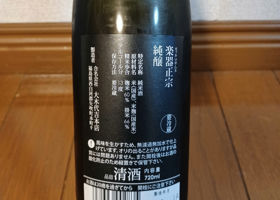
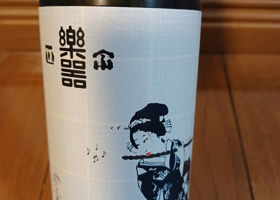
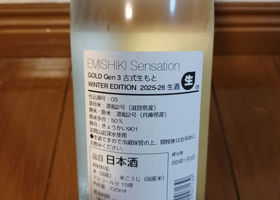
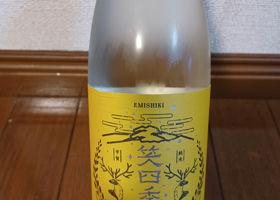
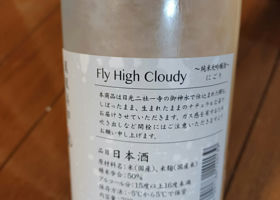
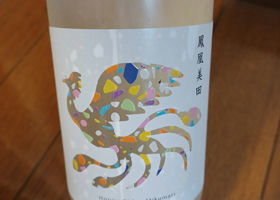
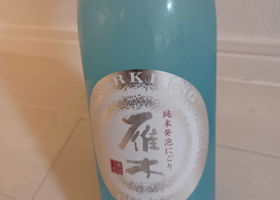
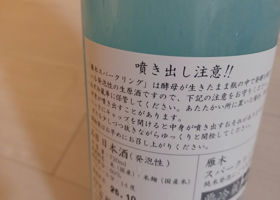
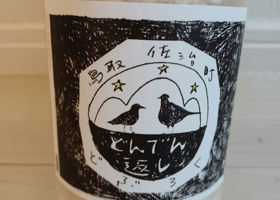
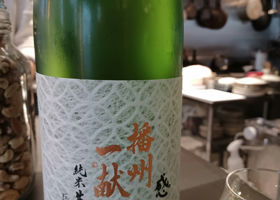
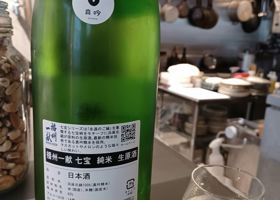
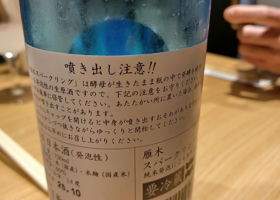
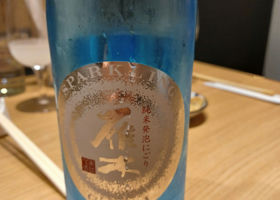
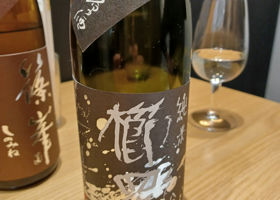
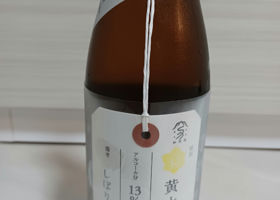
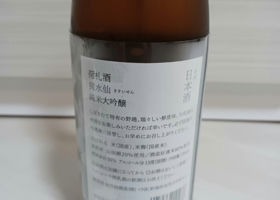
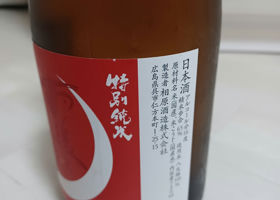
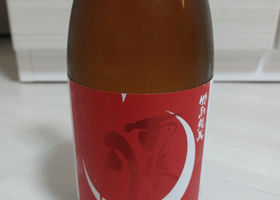
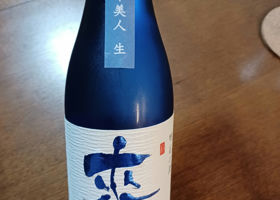
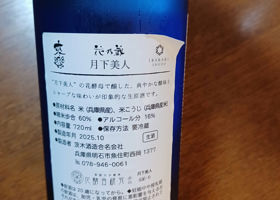
It is dry, a far cry from the trendy sweet and fresh. Dry nigori. The flavor is old-fashioned, but on the contrary, it has a new feel that is not found in recent sakes. Hm.
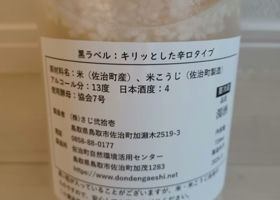
Purchased at a roadside station during a trip to Tottori.
It is said to be crisp and dry.
The label says the alcohol content is 13%, but it seems to have a little more. It is not so much dry as it is all sweetness turned into alcohol.
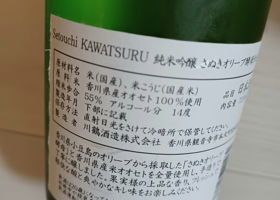
I traveled to Kagawa Prefecture, so here is a bottle.
It is not too sweet but has a freshness to it.
I heard it is olive yeast. I don't feel any particular sense of olive.
I like the sense of playfulness or challenge that Okura-san is taking on.
The acidity after the volume of sweetness and the slight piquancy is pleasant.
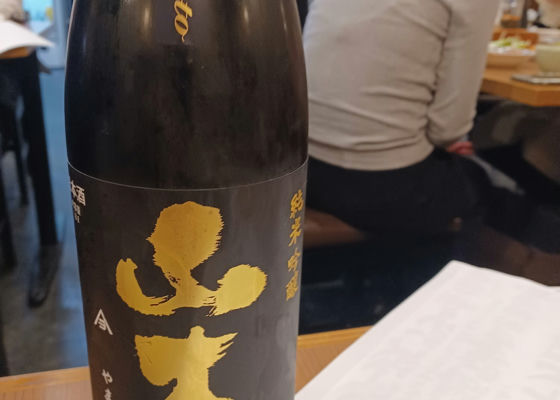
We had it at an izakaya (Japanese-style bar).
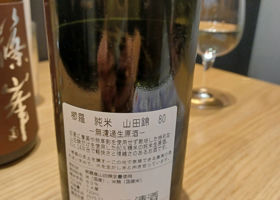
It is said that the rice polishing ratio is 80%, but it is easy to drink without any unpleasant taste or graininess.
It is easy to drink.
It is a beautiful sake.
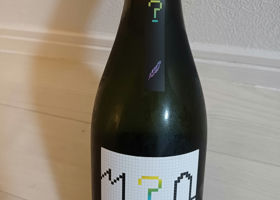
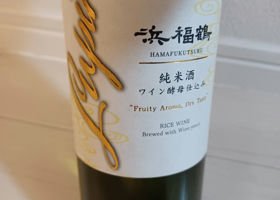
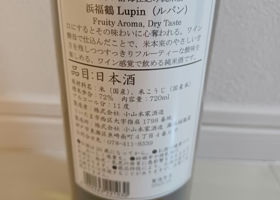
It is said to be wine yeast.
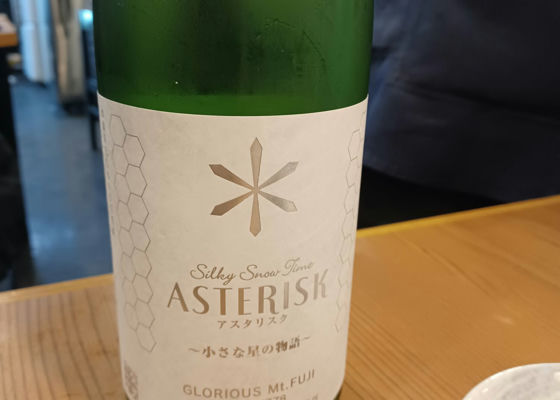
The aroma is white wine with a strong citrus fruitiness. The taste is citrusy and fruity, followed by the sweetness and bitterness of rice.
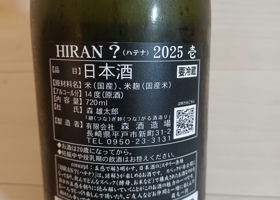
With an alcohol content of 11%, it is easy to drink and may be recommended for those who are not so fond of sake.
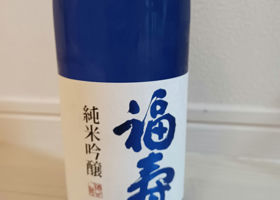
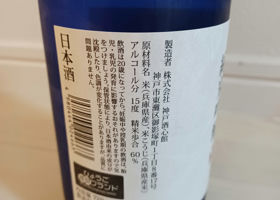
Discreet spiciness. The sweetness comes first but quickly fades away, followed by a freshness. The alcohol content of 13% (original!) The 13% alcohol by volume (original!) makes it easy to enjoy.
Souzake" is a good word for it.
It was delicious.
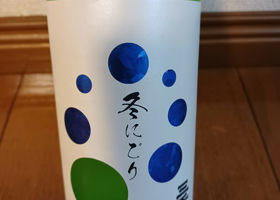
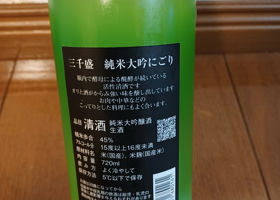
 yuyu
yuyu