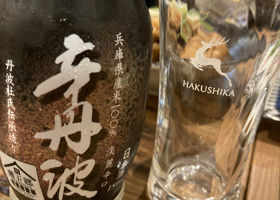
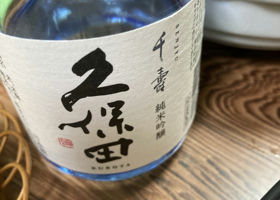
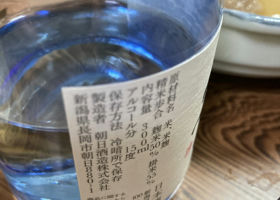
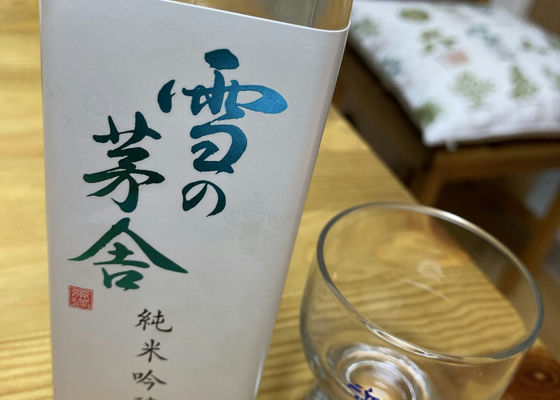
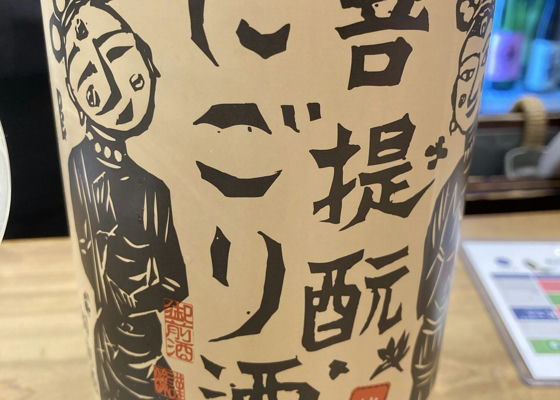
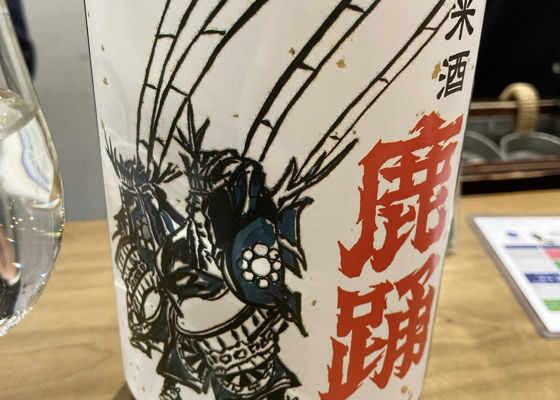
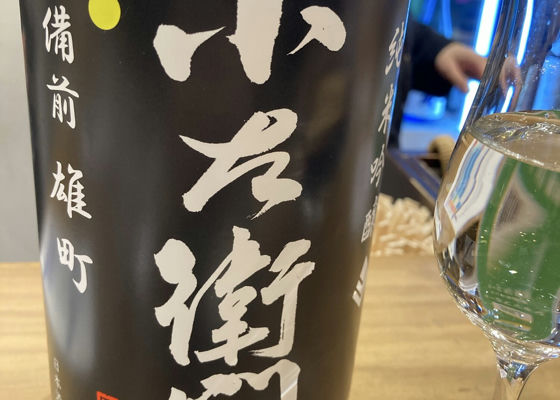
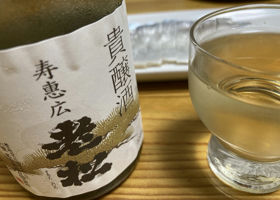
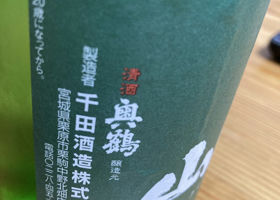
The restaurant serves cold sake in a tin glass, but I was told to drink it with a flat chopstick (I forgot to take a picture), so I got it with a tokkuri and a flat chopstick.
It is true that the aroma is better this way.
It has a smoky flavor that is typical of aged sake. Delicious.
I don't drink much at home because it is easily available, but I sometimes drink it when I go out for a drink because it tastes so good.
Maybe it's because it goes well with strong flavored meals out. Today I had it with beef stew.
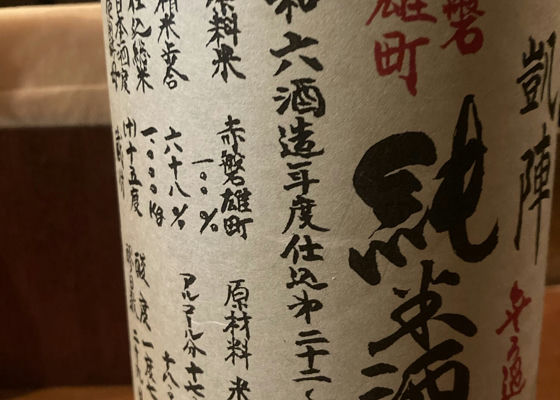
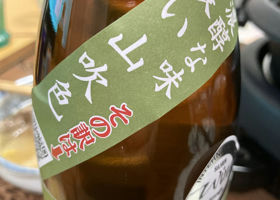
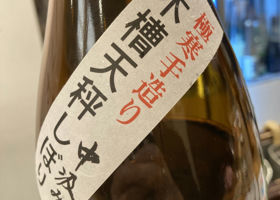
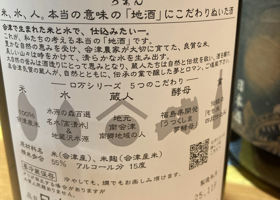
The label says it is made by hand in extremely cold weather and squeezed from a wooden vat with a balance.
It is dry and has a taste typical of nama-zake.
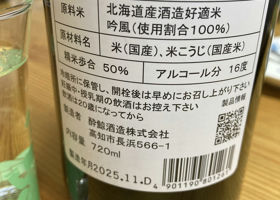
Hokkaido sake brewing rice Ginpu.
It was drunk lightly chilled, but it was delicious with just the right amount of stickiness and moistness.
It is not too dry, but not too sweet and easy to drink.
The top of the tree.
Sourness and sweetness, both present. It leaves an aftertaste, but it is not unpleasant. It was good, moderately rich.
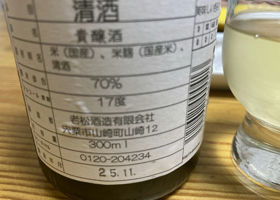
What is kijoshu? I searched for it and found out that it is made with sake, not water. I had no idea.
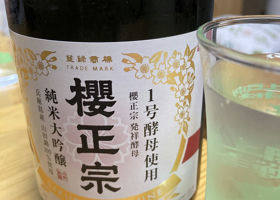
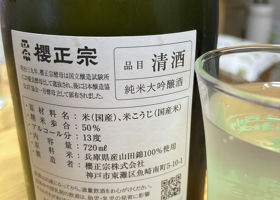
It is made with Sakura Masamune Fermentation Yeast No. 1 Kobo.
I thought it would be a refreshing sake since it is called Junmai Daiginjo, but it is not so.
I drank it chilled, but it would be better at room temperature or lukewarm temperature for a mellower taste.
Souvenir of Sendai. Reasonably priced.
Refreshing but tasty. I like the citrusy sour aftertaste.
Next time I visit Sendai, I would like to taste it with local dishes at a restaurant.