SakenowaRecord your sake experiences and discover your favorites
不老泉Furosen
Flavor Chart®
A chart created from flavor analysis of user comments.

Flavor Tags ®
Tags generated from flavor analysis of user comments.
Popular Comments
Brands from Uehara Shuzo
Similar Brands
We analyze the flavors based on everyone's comments and select similar brands.
JujiasahiSimilar Characteristics
Location
1524 Shinasahichō Ōta, Takashima, ShigaOpen in Google Maps

Timeline


ゆはち
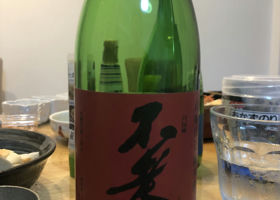
常温〜古酒感たっぷり美味しい系
日向燗〜あんまり変わらない
人肌燗〜同上
ぬる燗〜ちょっとアルコール感がたつ
上燗〜美味しい!
あつ燗〜自然な美味しさ!
飛切燗〜あつ燗よりコクが増す美味しさ!!
あつ燗から飛切燗がおすすめです。

Furosen山廃仕込 純米
呑みとく
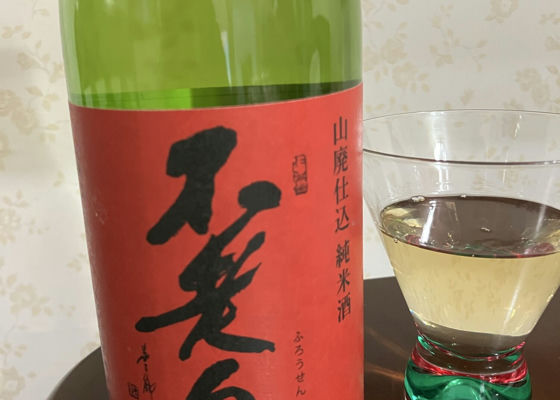
It is made from Yamahai (fermented sake) and has a very Japanese taste.
It is dry and can be served cold, but is better when heated. Goes well with sashimi and herring roe.
Japanese>English
hono
☺️

Furosen山廃仕込 純米大吟醸 木桶仕込
あかじゃーじ
Smells like wood. Maybe a little peculiar.
Japanese>English
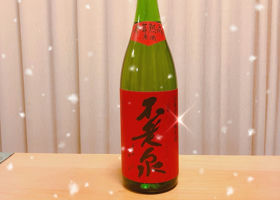
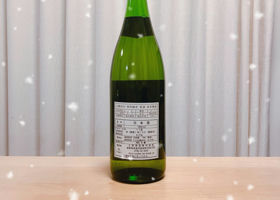
Furosen山廃仕込 特別純米 原酒 参年熟成
ひるぺこ
This time, it is a three-year aged Furozumi.
Looking back, it has been five years since the last red label.
The color is a golden hue.
The aroma on the nose is sweet, savory rice, mushrooms, and sour cream.
First at room temperature.
From the thickened mouthfeel, the complex, savory rice flavor and condensed sweetness is gently followed by the rounded acidity of Yamahai. In the latter half, the bitter taste with a caramelized flavor gently cuts through the sweetness and umami and finishes with a sharp finish.
It is easier to drink than expected, with a gentle, rugged image of Furozumi.
When warmed up, the acidity and sweetness swell up respectively, with a rich, mellow sweetness and savory aroma, and a crisp acidity, rich, mellow and delicious.
The end of the year with the annual
The end of the year is spent with Furozumi.
It is going to snow in Takashima,
Please come to the snowy Burozumi at ⛄️
I wish you all a happy new year 🔔.
Japanese>English
ワカ太
Hi Hirupeko, good evening 😃Thank you for your help this year 🙇♀️ I was soothed by the atmosphere of your posts enjoying drinks without blurring ❣️ I hope to see you again next year 😊.
Japanese>English
ひるぺこ
Good evening, Wakata-san. It's nice to meet you too! I've always looked forward to your fun posts 😊I know there are only a few days left, but have a happy New Year 👋.
Japanese>English
ポンちゃん
Peco, I look forward to seeing which Bulao Fountain you have every year, is it red ❄ ❤️ I love that it's snowing ❄.
I hope to visit your store next year😊.
Please have a happy new year 🙏✨
Japanese>English
ひるぺこ
Thank you, Pon-chan! I've been preparing for this year's Buroisen since summer so that I won't forget to buy it 😅I went back to Takashima early for New Year's because of the snow, but I'd like to decorate Buroisen with snow too: ☃️💫
Japanese>English
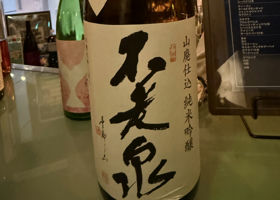
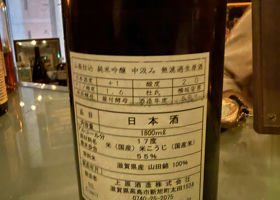
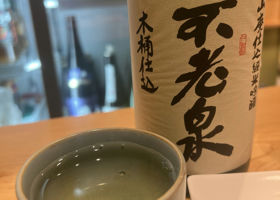
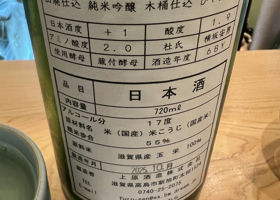
Furosen山廃仕込 純米吟醸 中汲み 無濾過生原酒
フクちゃん
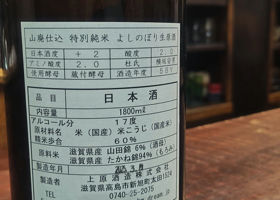
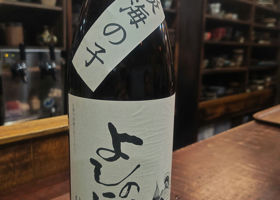
Yamahai-brewed Tokubetsu Junmai Yoshi Nobori Nama-no-Nara Sake
Warm up the sake. It has a sweetness and a full-bodied flavor.
Japanese>English

スズケン
It's a five year old wine, but it's not twisted, it has an unusual flavor and taste, easy to drink, old wine.
Japanese>English
fukuchane
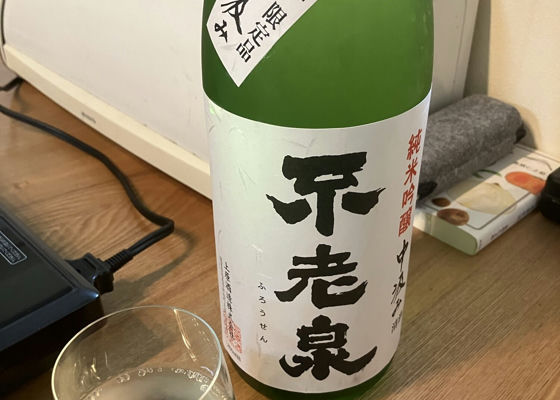
Recently, NHK's local news was talking about tenbashiri-shibori.
Today I will try to match it with everlasting pot.
I am sure of it!
Japanese>English
Furosen山廃純米吟醸 滋賀渡船 無濾過生原酒
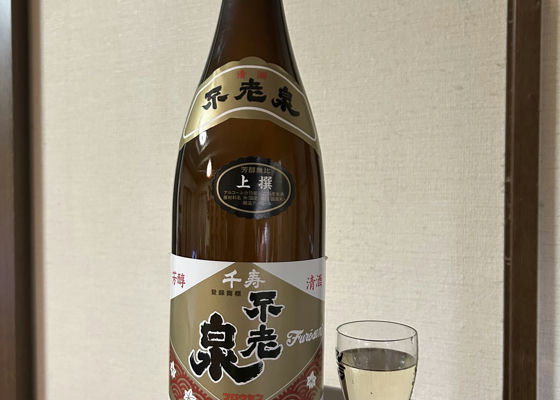
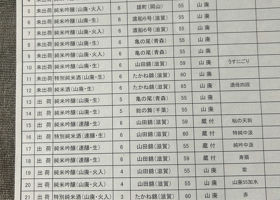
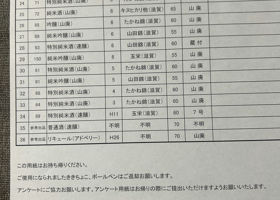
nito
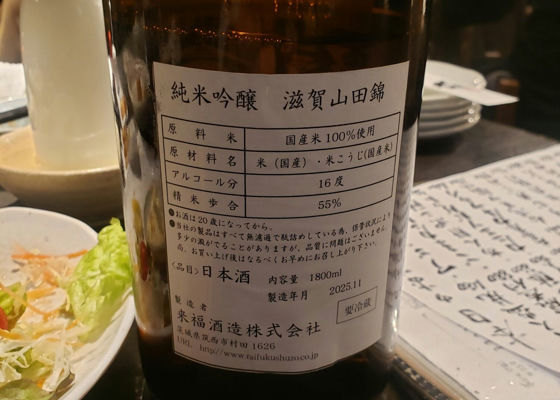
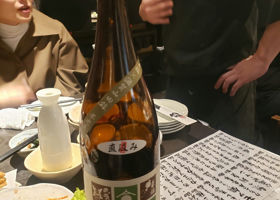
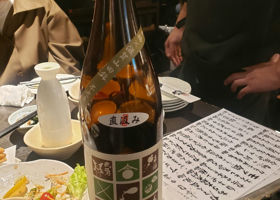
This is the third time I have been to this event, and the second and third pictures show the lineup of sake. The third picture shows the lineup of the sake on that day. The second and third photos show the participants' favorite sake.
I called the brewer and purchased the sake because there was a heated sake event at my favorite restaurant. It's basically a local sake, so it seems to be consumed mostly locally. The sake is soft and sweet on the palate.
The sake has a soft sweetness on the palate, with the typical acidity of Yamahai sake, and a delicious flavor that you will never get tired of. Of course, the roundness of the sake increases when heated. Is this regular sake? It is too delicious. 😋😋😋😋😋
Japanese>English
Furosenにごり酒 原酒
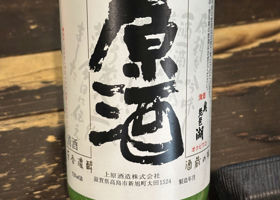
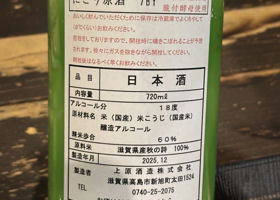
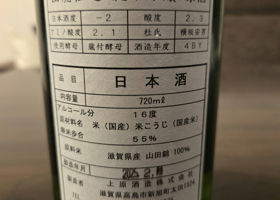
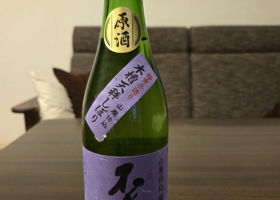
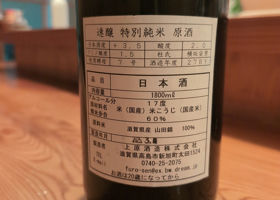
Furosen速醸 特別純米 原酒 27BY
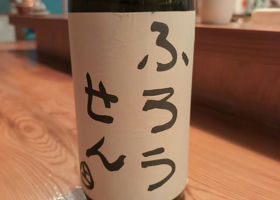
ペンギンブルー
Hot, hot sake.
Aroma with a sense of maturity.
Somewhat honey-sweet, herbal aroma of hot spring eggs.
It has a unique flavor, reminiscent of yakuyu, citrus peel, and soy sauce.
It has a dry taste with no unnecessary heaviness. The acidity is strong.
The umami has a good depth and a sense of depth.
When the temperature drops, it tastes like white chocolate or rice cake despite the rice.
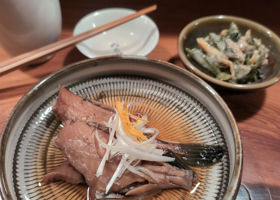
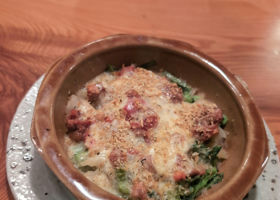
Nimono (boiled rice) is an excellent combination.
Taste degree ☆ 3.5/5
Japanese>English
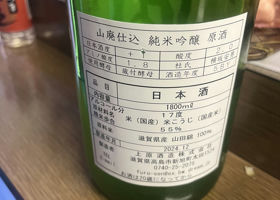
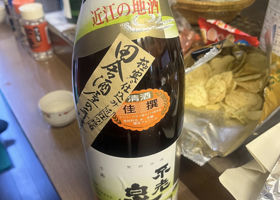
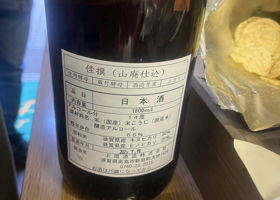
あおちゃん
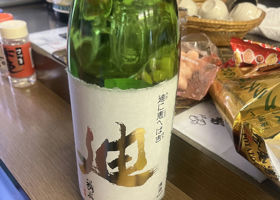
This is the sake we drank at the tasting 🍶.
Burozumi was warmed up for comparison 🍶.
Both of them had a punchy taste.
Japanese>English
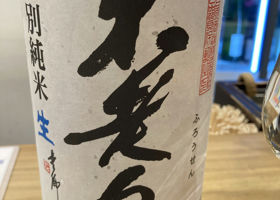
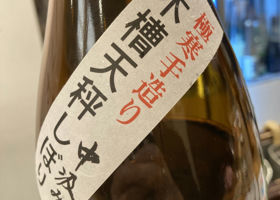
nakayama
The label says it is made by hand in extremely cold weather and squeezed from a wooden vat with a balance.
It is dry and has a taste typical of nama-zake.
Japanese>English