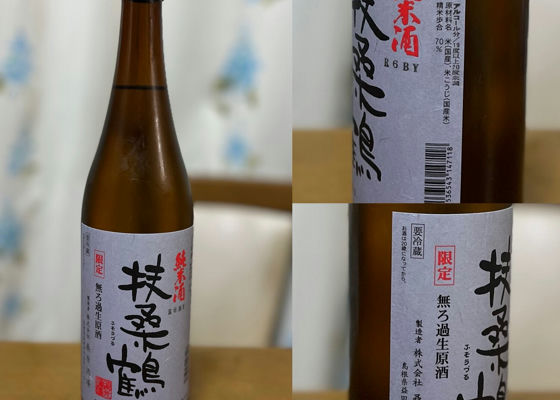
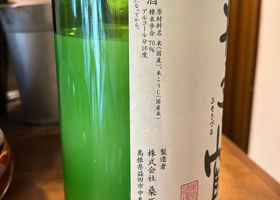
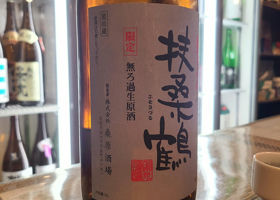
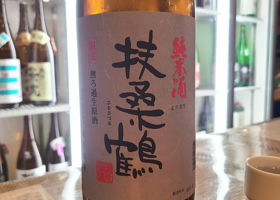
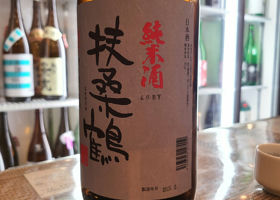
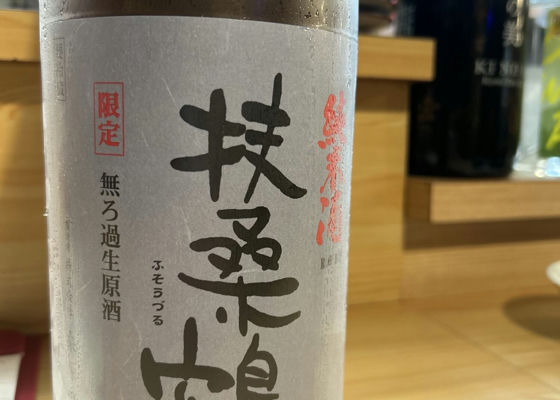
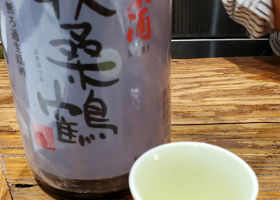
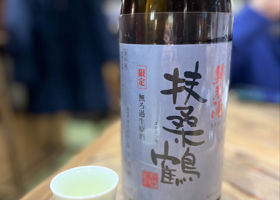
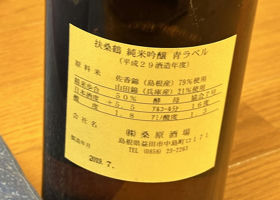
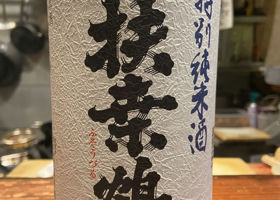
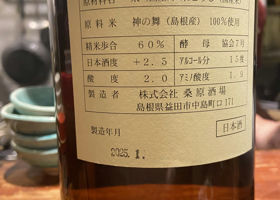
It will be served unopened for about a month and left at room temperature.
On the first day, it is served warm at 40℃. At 45℃, the umami is a little more noticeable, and at 50℃ or 60℃ with about 10% more water added, the sourness is still there, but the medicinal taste has subsided and it becomes gentle and just right. I don't know, but I think this level of moderation among matured types is the original flavor of the brand. Even when it cools down, it still has acidity and umami that envelopes it, so I think it should be served hot or warmed.
Cold sake on the second day. This one has a more orthodox aroma and umami of grains, and the acidity is relatively low and slowly fades away. When it is closer to room temperature, the acidity and bitterness increase slightly.
Personally, I would choose this sake cold by a narrow margin. If you like acidity, you should warm it up.
It has a matured feel that makes you wonder if it is really new sake, although this may be due to the characteristics of the brand and the fact that it is new sake. I had the impression that it was a slightly lighter brand among matured sake, but my perception was shattered. It is indeed a San'in sake. I have an image that heated sake from Shimane is more acidic than that from Tottori.
Thanks for your comment, chika: 🙇♂️
It seems that there are a few stores that sell it nationwide, but not many 😅I guess it is a strong place for matured or heated sake.
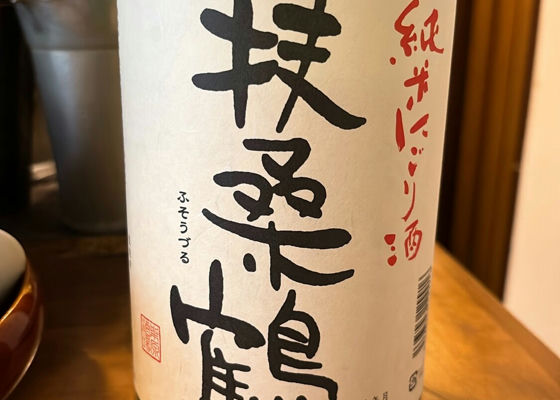
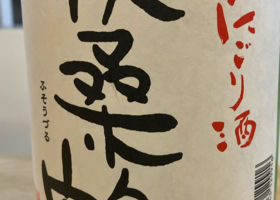
There is no photo of this sake, but it has a solid nigori-stained taste.
It has a slight calpis-like aroma. It has a hard mouthfeel with sharp acidity and a light flavor. Despite its appearance, it has a dry taste and can be paired with a variety of dishes.
It's lunchtime and we are going to have a drink.
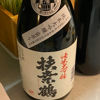
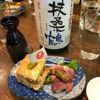
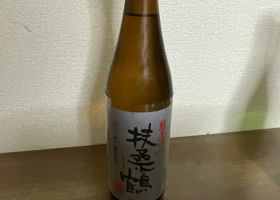
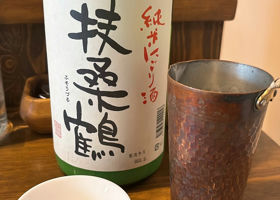
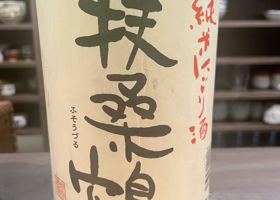
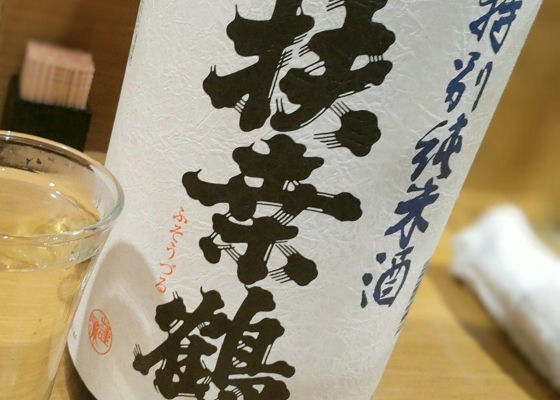
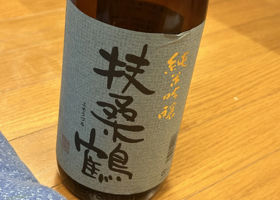
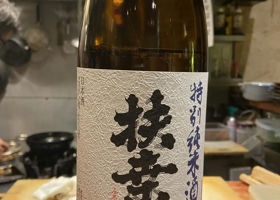
First, "Fusozuru."
The kanji was difficult for me.
It is very rich. The acidity seems to balance it out nicely.
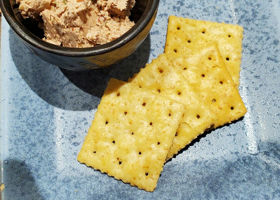
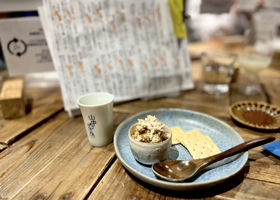
Then, cheese, which I have been into recently!
I paired it with "firefly squid and cream cheese.
Mmmm, it is delicious!
As I learned when I was getting certified as a sake taster, the dishes that go well with "mature sake," which is one of the four classifications of sake and mainly consists of old sake, should be rich in flavor, such as broiled eel or tsukudani (food boiled in soy sauce).
However, it is rare to encounter old sake, and most restaurants serve only new sake or hiyaoroshi sake made from rice harvested in the previous year.
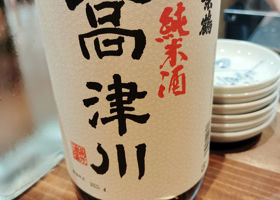
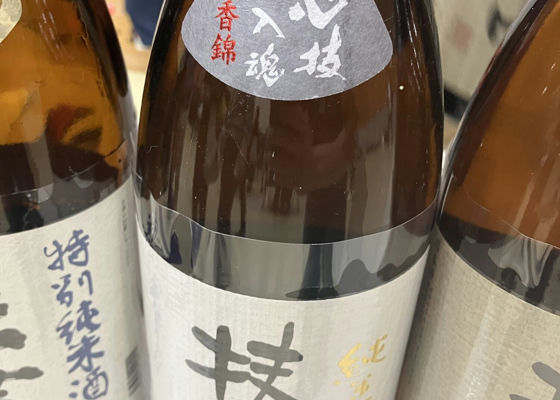
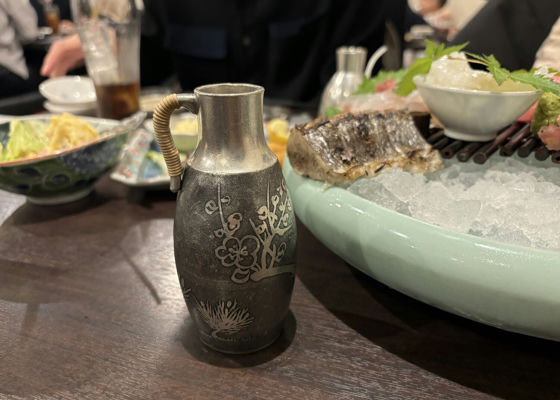
But this place was different. The labels say "2020" or "Heisei 30," and they serve only sake bottled this year after several years of aging in the brewery, heated and served. The liquid has a slightly golden color and a mellow aroma.
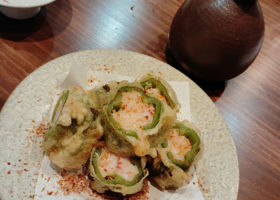
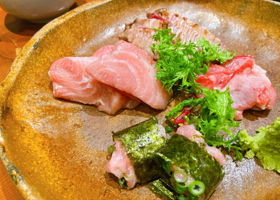
The best dishes to pair it with are not light sashimi, but rather the fatty head of tuna with its rich flavor, or wild game such as wild boar, duck, or deer. And then there is the stir-fried squid and taro in a rich liver sauce. They go well together, don't they? Both the sake and the food asserted their individuality, and the battle was as fierce as ever.
Sashimi from the neighboring seas served with ginjo sake is fine, but sometimes it's nice to have something with a big punch like this.
It tastes like pure rice in a good sense. The sweetness of the rice can be felt from beginning to end. The lactic acidity is also pleasant. It is best served hot.