SakenowaRecord your sake experiences and discover your favorites
日置桜Hiokizakura
Flavor Chart®
A chart created from flavor analysis of user comments.

Flavor Tags ®
Tags generated from flavor analysis of user comments.
Popular Comments
Brands from Yamane Shuzojo
Hiokizakura
Similar Brands
We analyze the flavors based on everyone's comments and select similar brands.
JujiasahiSimilar Characteristics
SuwaizumiSimilar Characteristics
TamasakuraSimilar Characteristics
SuiryuSimilar Characteristics
Location
249 Aoyachō Ōtsubo, Tottori,Open in Google Maps
Timeline

osakanosakenomi
It seemed quite dense, but had a delicate flavor. We had it warmed.
Japanese>English

たまこ
Today it was a little more bitter.
Japanese>English
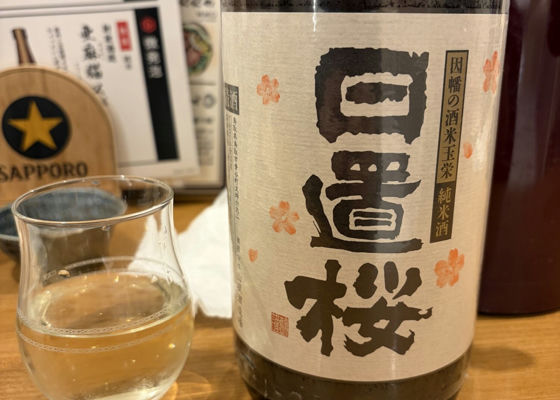
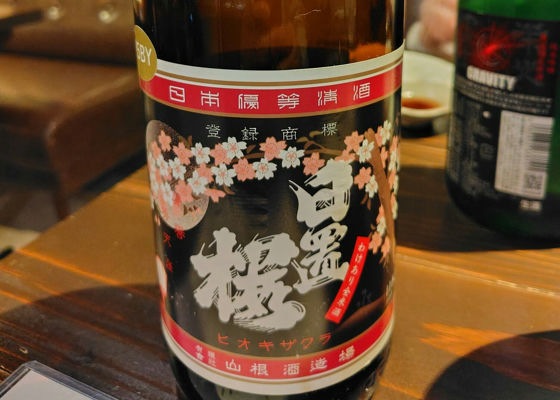
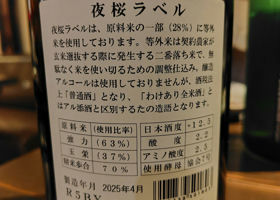
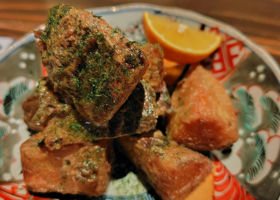
ミセスサッカロ
Warmed up 😆
Sake from all over the U.S.
but it's delicious 😝😝😝😝😝.
I don't like heated sake
I don't like it when it gets lukewarm 😅😅😅 I drink it right away.
I drink it right away😅😅
I was thinking
I can gobble it up!
Delicious and fun drink😆😆😆😆
Japanese>English

akikoda3
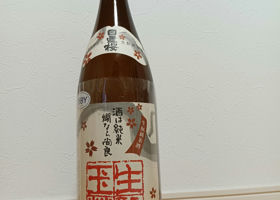
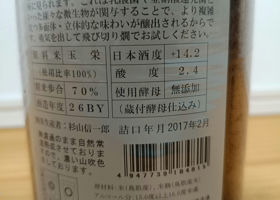
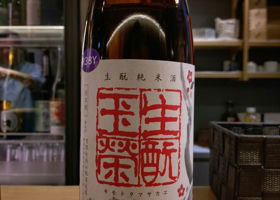
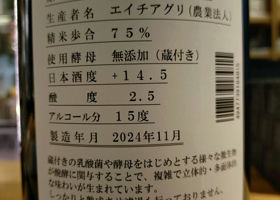
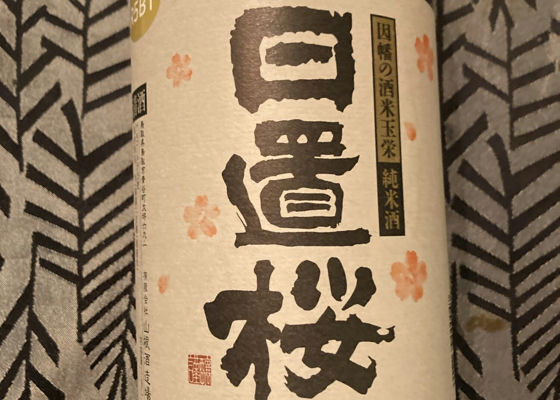
HIKIZAKURA NAMAEMOTO TAMAEI Junmai-shu R3BY
Rated 4.4
Rice: Tamakae, Polishing ratio: 70%, Alcohol 15-16%, Sake meter: +14.2, Yeast: brewer's yeast, Acidity: 2.4
This junmai sake is brewed in a traditional "nama-moto" sake mother using an ancient technique. The involvement of various microorganisms such as lactic acid bacteria and nitrate-reducing bacteria produces a more complex, multifaceted, three-dimensional flavor.
Designed at 55°C, it has a mild, yet firm profile. It has a sense of maturity and a slightly Shaoxing-style flavor.
Japanese>English
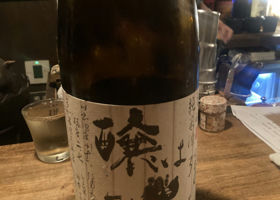
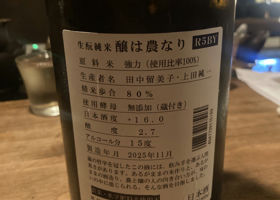
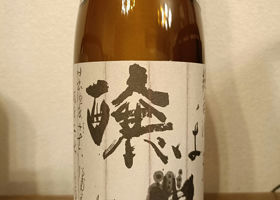
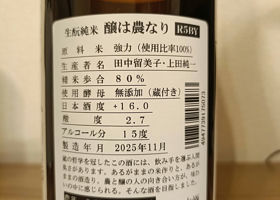
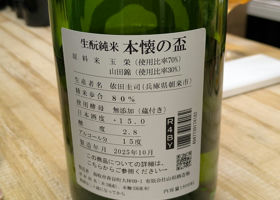
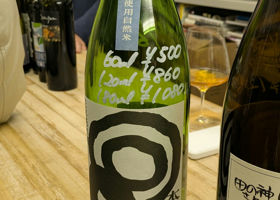
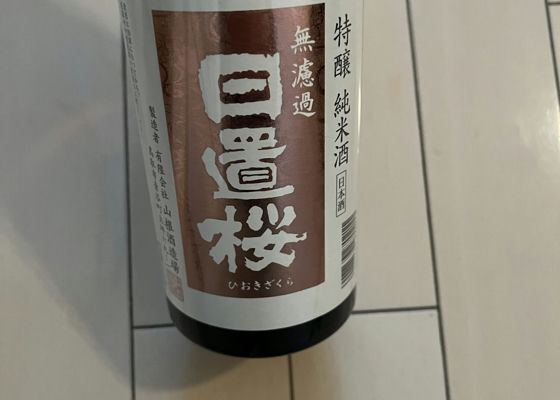
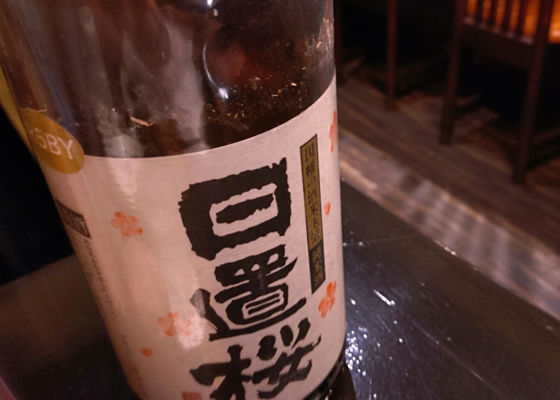
Hiokizakura生酛純米 本懐の盃
しずく
Strong habit, yellow color, delicious taste of rice
80% polished rice ratio, robust and umami type
Japanese>English

sularis
Purchased as a souvenir from Tottori
Japanese>English
akikoda3
Hiokizakura R4BY Namaoto Junmai Sake
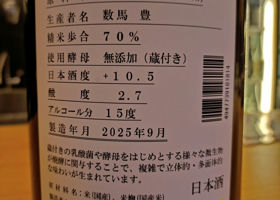
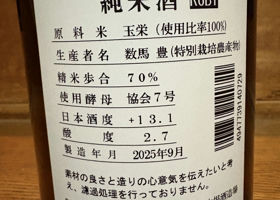
Rating 4.5-4.6, rice polishing ratio 70%, no yeast added, alcohol content 15.0-15.9%, sake degree 10.5, acidity 2.7, R4BY, production date September 2025
Junmai-shu brewed using the traditional "nama-moto-zukuri" technique, which has been handed down since ancient times. The rice used for this sake is "Goriki," a Tottori sake rice that was once almost lost to history. The natural yeast that lives at the Yamane Sake Brewery gives the sake a simple, yet deeply savory and unique flavor. Warm up the complex flavor of the wild fungus.
Set the temperature at 62℃. A perfect balance of sweetness, umami, and acidity. The acidity is not too strong.
Japanese>English
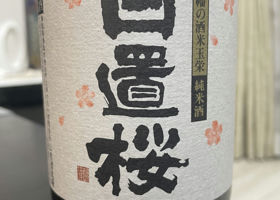
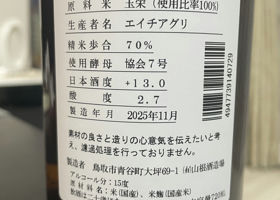
とっきー
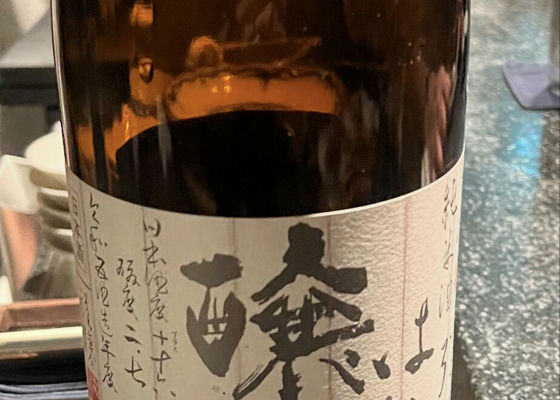
It is a distinctive sake!
First of all, it is dry.
The sake level was +13.0.
It has a strong taste of rice, but also has a sharpness.
The yellow color is probably the answer to the fact that the label says "˜No filtration process' rather than that it has been aged.
It has a good flavor.
I like the attention to detail.
I heard that sake from Tottori Prefecture is often drunk warmed, and I think this sake will have a different flavor when heated.
Japanese>English
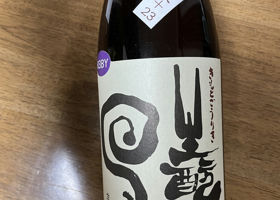
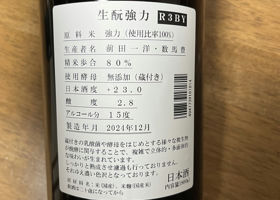
タロウ
The color is a yellowish golden yellow.
The aroma appeals to me to warm it up. Black tea, iso, banana, big white flowers, mushrooms.
Sourness and astringency, texture smooth but with a squeaky clean finish. The layers of flavors are pleasant, but it's not enough to say it's delicious as it is! I can't honestly say that it is delicious as it is. Anyway, I had to heat it up to get it going.
So we warmed it up.
This is it.
It has a depth and umami that I can't describe in one word. The sweetness and acidity are relaxed. The astringency and bitterness also accentuate the depth of flavor.
It is not a simple taste, but it is definitely delicious. It is a wonderful sake that will soak into your body.
Japanese>English

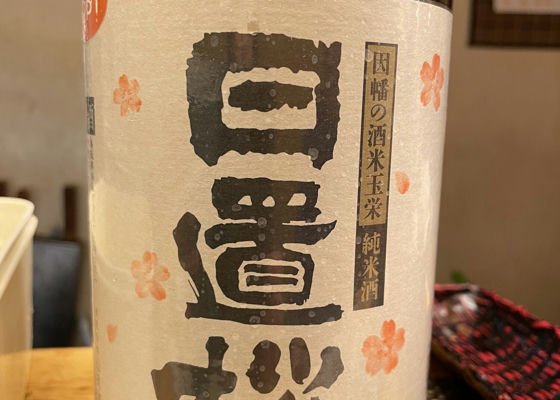
辛口派
70 percent commission
Clean, firm
with raw oysters
Japanese>English