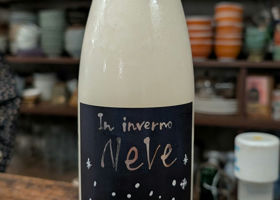
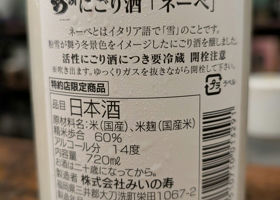
Wintery nigorizake in fermentation
It took 15 minutes to open the bottle.
It is rather dry with a low sweetness.
But I could taste the sweetness and acidity of the rice.
A regular customer from Kyoto brought in some sake to share with us!
At first, the sweetness of the rice was strong even though it was a daiginjo, but gradually the acidity started to assert itself!
Even so, like a daiginjo, it has a clean aftertaste, so you can easily drink it!
Let's warm up with heated sake again tonight ③.
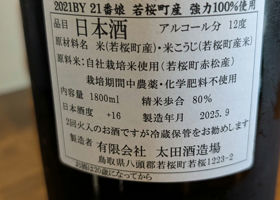
It's made with the same strong brewing power as the 14th Musume, but
This sake is made with the same high strength as No. 14 Musume, but without the use of pesticides or chemical fertilizers.
The alcohol content is 12 degrees.
Let's warm up with heated sake again tonight!
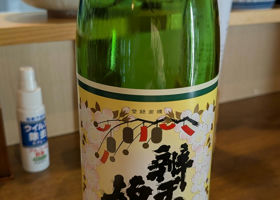
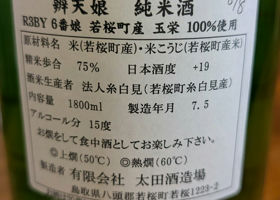
Like the bentenmusume sake we had the other day
The sake here is very particular about the rice.
It's not flashy, but you can savor it slowly.
Let's warm up with heated sake again tonight (1)
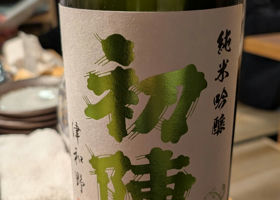
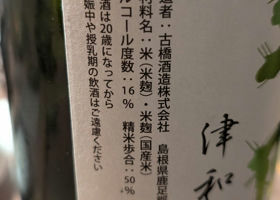
The only sake brewed with Bodai yeast in Hiroshima!
Unique flavor with a complex sweetness of gentle rice and lactic acid
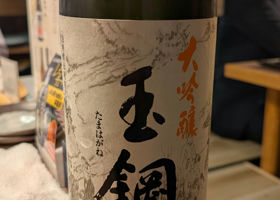
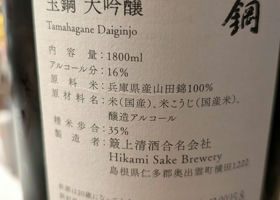
(4) Drinking at a restaurant in Hiroshima that promotes Shimane.
Elegant and modest rice flavor, sweetness and aroma are quite different from the impression on the label!
Is it suitable for everyday drinking?
(3) Drinking at a restaurant in Hiroshima that promotes Shimane (3)
The taste of the rice is rich, just like Shimane, but the aftertaste is so strong and crisp that it almost has a dry taste.
The aftertaste is so strong and crisp that it almost has a dry aftertaste.
Drinking at a restaurant in Hiroshima that promotes Shimane (2)
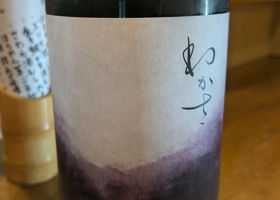
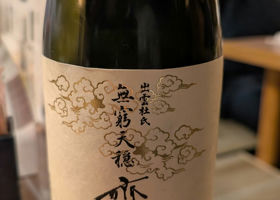
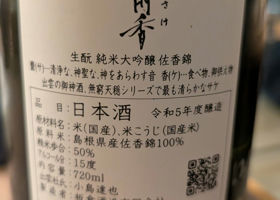
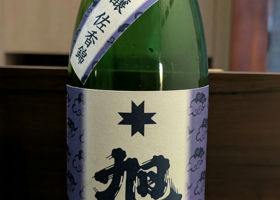
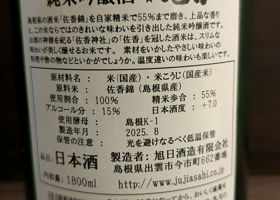
Saika" is written "Sake" in Japanese.
It seems to be made under the theme of making sacred sake.
The taste of rice malt and sweetness is described as "silky".
the taste of rice malt is described as "silky".
Drinking at a restaurant in Hiroshima that promotes Shimane (1)
After a refreshing mouthfeel
After a refreshing taste, you can taste the umami and sweetness of rice and koji
and sweetness of rice and malted rice, and a clean aftertaste.
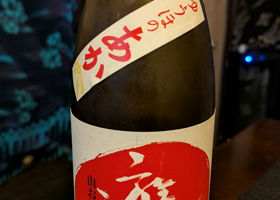
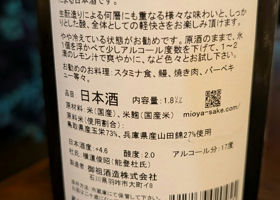
It seems to be a sub name for "Yuho no Aka."
It is said to go well with gutsy summer dishes.
I thought about heating up the sake because it is made from a traditional sake yeast yeast yeast.
But now I understand why the owner recommends it cold.
Hakui was famous for the UFO legend, right?
UFO, Yoo-ho, Yuho... I see.
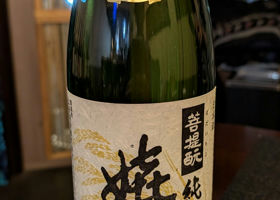
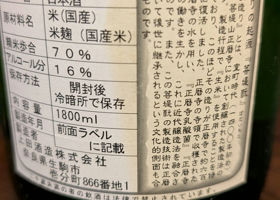
I wondered what "Bodhi Hashiwado" was and looked it up.
I found out that it is the oldest sake brewing method in Japan.
When you think about it, you can feel the depth of the sake.
It tastes sweet but has a clean aftertaste.
We will have heated sake because of the chilly weather (3).
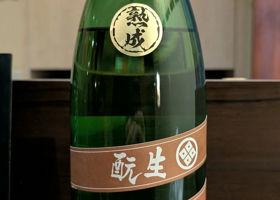
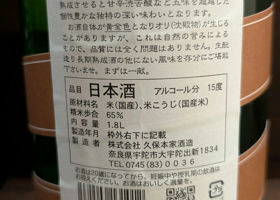
Finally, an aged sake made from a traditional sake yeast yeast yeast yeast yeast yeast yeast yeast
The taste is deep and indescribable with no unpleasant acidity.
(I'm not good at expressing it...)
I really wanted to visit the sake brewery here since I went to Nara, but I couldn't make it in time for the 5:00 p.m. closing time.
I bought it with Kakinoha Sushi at the station and went home!
Mild and smooth!
It has sweetness and umami of rice, but it doesn't spread so much and disappears gently.
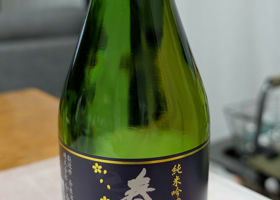
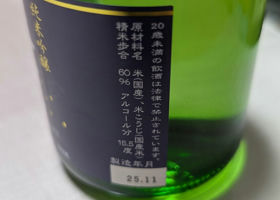
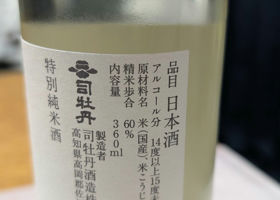
The bottle seems to commemorate the 150th anniversary of the birth of Dr. Tomitaro Makino, a native of Kochi.
Gentle floral aroma.
Dry, but not strong, with a refreshing aftertaste typical of Kochi sake.
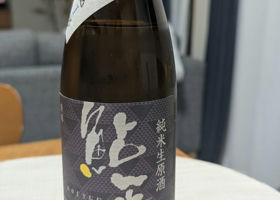
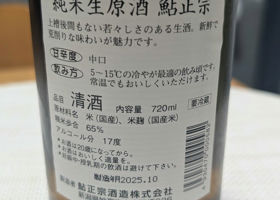
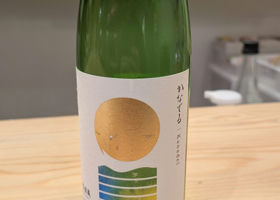
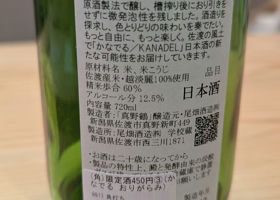
I bought this sake because it was recommended at the Niigata antenna store in KITTE at Osaka Station.
The first mouthfeel is full of the sweetness and depth of rice.
The taste gradually becomes firm and dry, and then fades away.
It was as youthful and powerful as the comment!
Kakunin at Yukikuni Sake Shop, Niigata Antenna Shop in KITTE, Osaka Station
Light yogurt aroma
Refreshing sourness and moderate sweetness
A refreshing aftertaste that fades away
and a refreshing aftertaste.