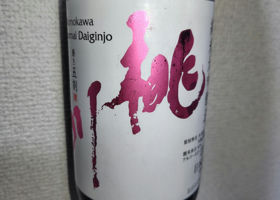
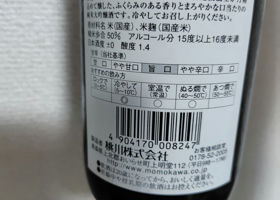
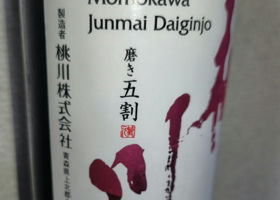
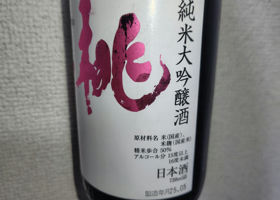
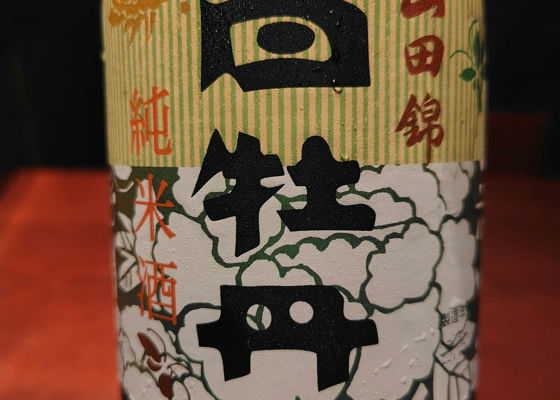
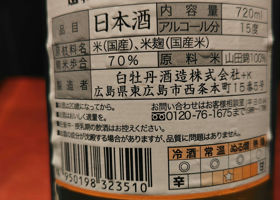
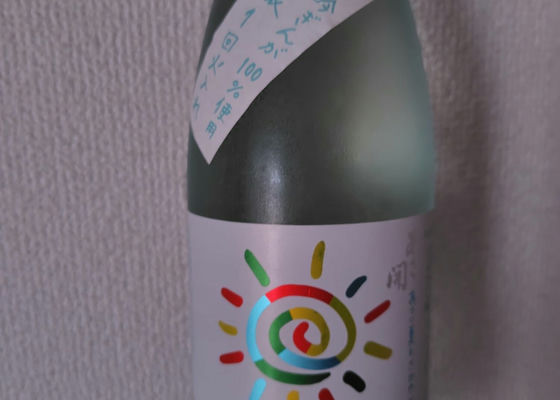
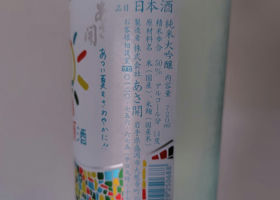
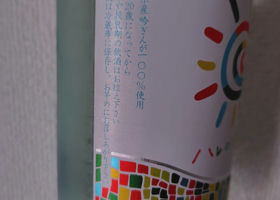
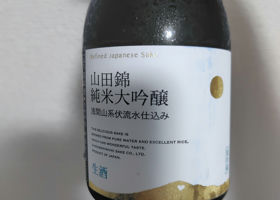
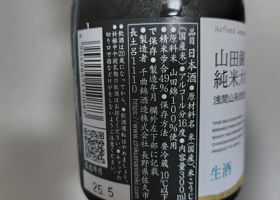
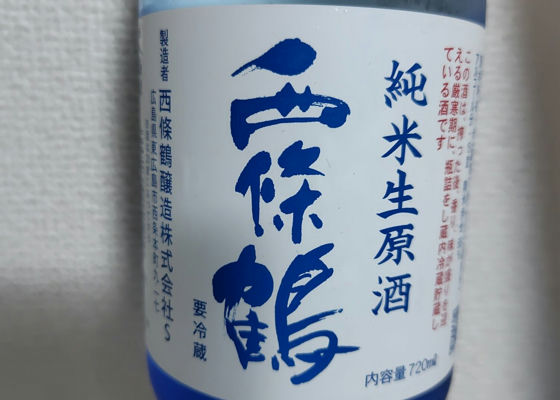
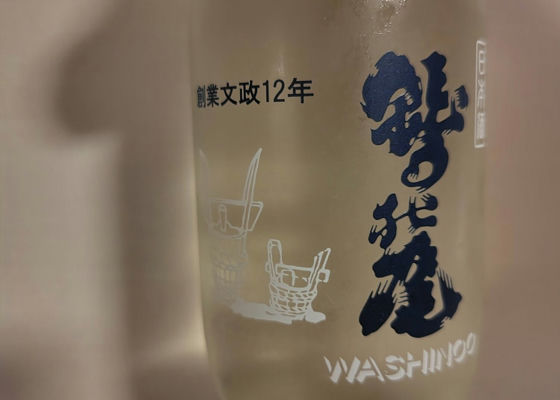
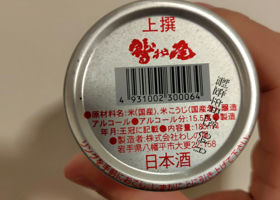
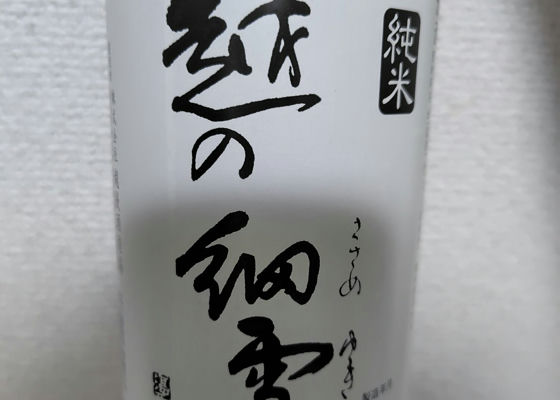
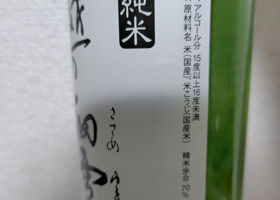
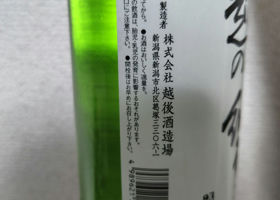
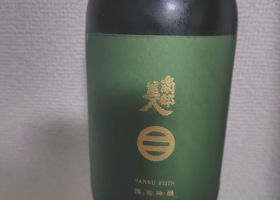
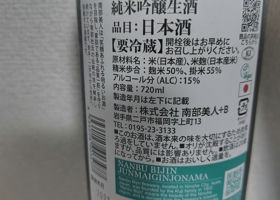
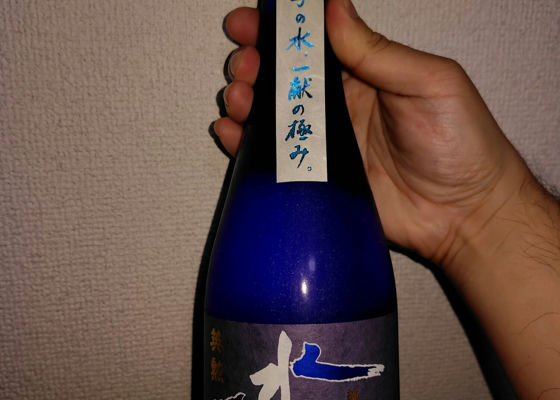
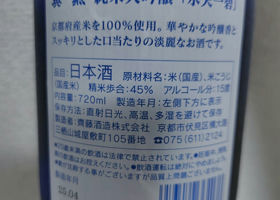
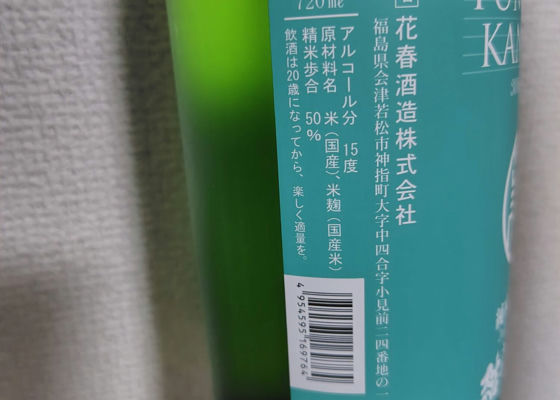
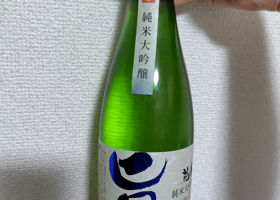
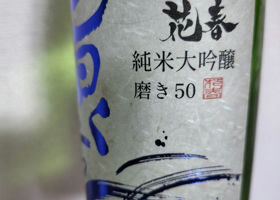
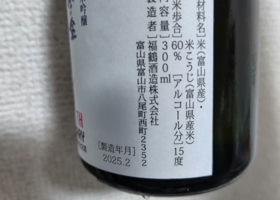
It is said to be "umakuchi" but I felt it was crisp and dry. It is a sake that has a delicious sake taste and goes well with Japanese food, and I like its aroma and the way it goes down my throat.
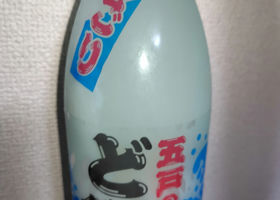
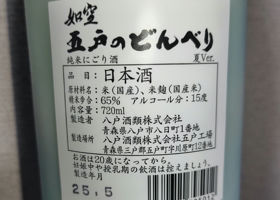
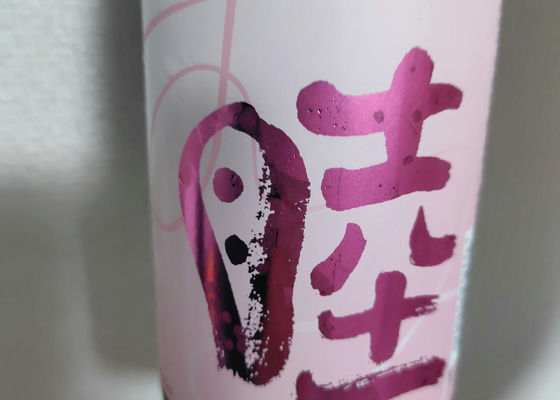
Hachinohe's summer nigori sake. Although it is nigori sake, the alcohol content is the same as regular sake at 15 degrees. It has a slightly peculiar aftertaste, which may or may not be to the liking of the drinker. I didn't like it.
(The aftertaste disappeared as I drank it, so my initial discomfort may have been my imagination. I felt a peculiar bitterness. It does not mean that it is not tasty.
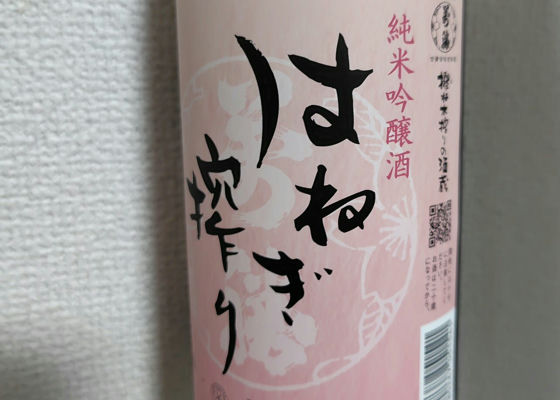
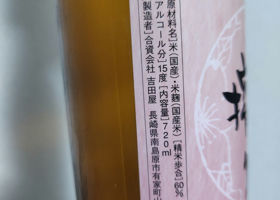
Yoshidaya and Mansho Hanegi Press in Minamishimabara, Nagasaki. Hanegi Shibori is a traditional method of pressing rice with a giant tree called Hanegi. It has a slightly yellowish color, and the mouthfeel is very sharp, but does not leave a lingering aftertaste. It has a good rice flavor and is very much like a Japanese sake.
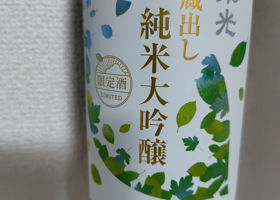
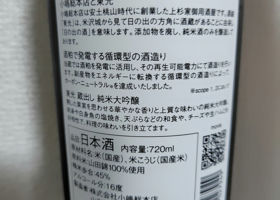
Limited Junmai Daiginjo from Yonezawa Kojima Sohonten. Purchased after touring the museum at the long-established brewery that was under the Uesugi family's warrant. It has a rice polishing ratio of 45% and is very fruity, gorgeous, and delicious. The fact that it is a limited edition sake is also 👍.
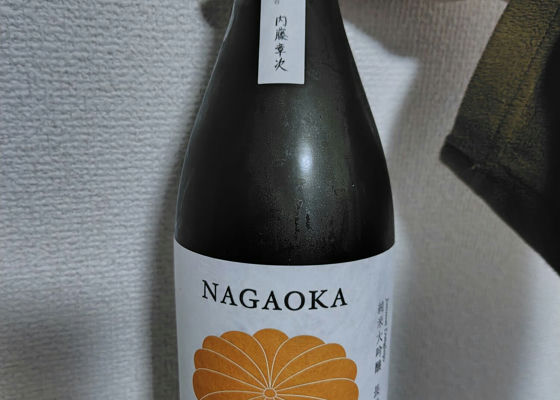
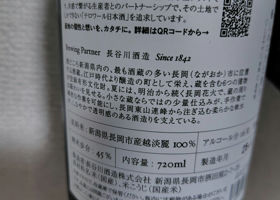
This is a limited brew with a rice polishing ratio of 45%, using 100% Koshitanrei produced in Nagaoka City, Niigata. The gorgeous aroma and fruity sweetness of the rice are very pleasant to drink.
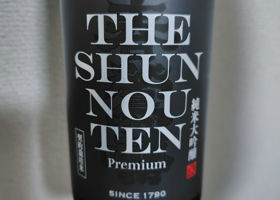
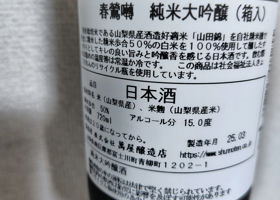
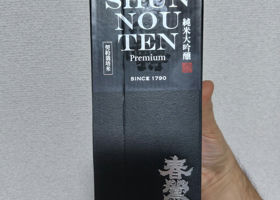
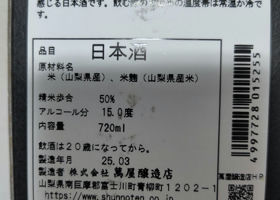
Shunoten Junmai Daiginjo from Manya Brewery in Yamanashi Prefecture, purchased at the Shingenkyo Festival. It is made from 100% Yamadanishiki grown in Yamanashi Prefecture. It is clear and has a very nice aroma that fills the mouth. It was my favorite type of sake.
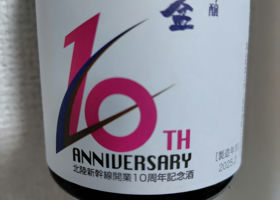
Continuing from yesterday, this is the second sake to commemorate the 10th anniversary of the opening of the Hokuriku Shinkansen. Kaze no Bon Junmai Ginjo from Fukutsuru Shuzo. This junmai ginjo has a sharp taste with a touch of sweetness. It is also very drinkable.