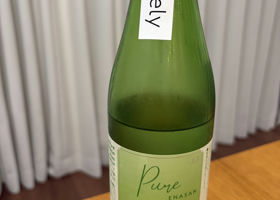
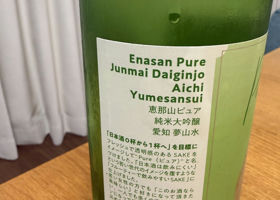
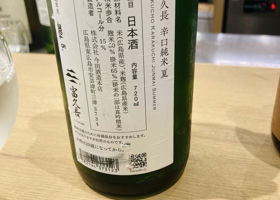
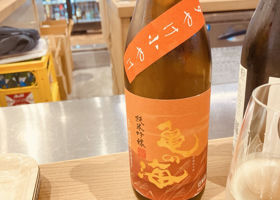
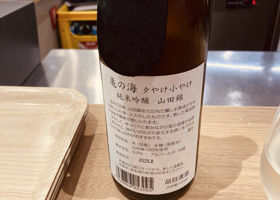
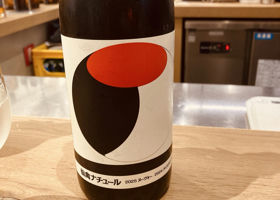
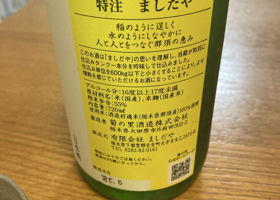
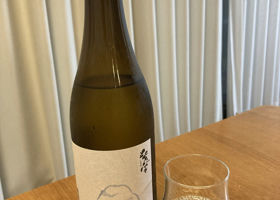
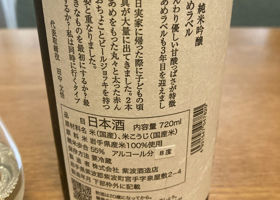
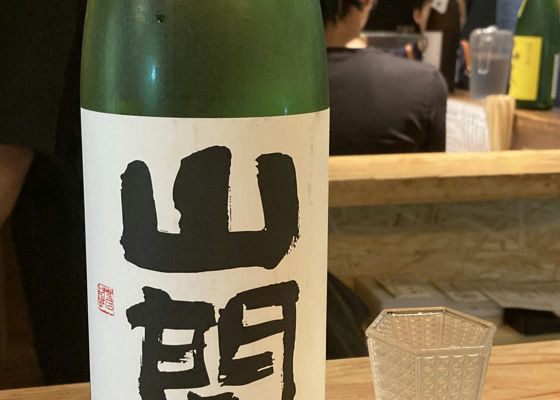
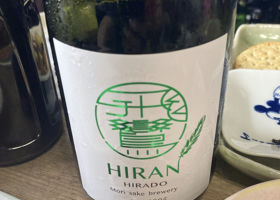
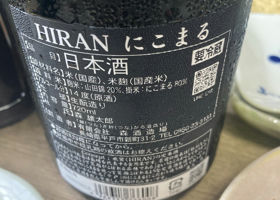
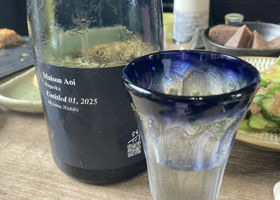
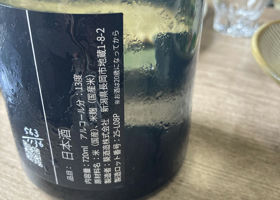
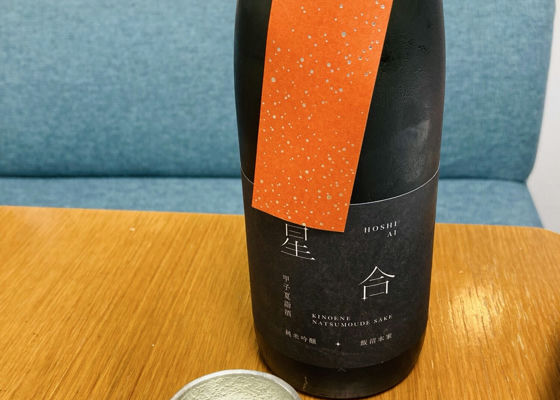
It has a gorgeous aroma and a moderate sweetness at first, but has a dry aftertaste. It has a clean and sharp taste and is good as a mid-meal drink. It is easy to match with food.
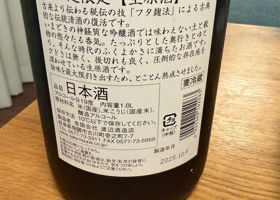
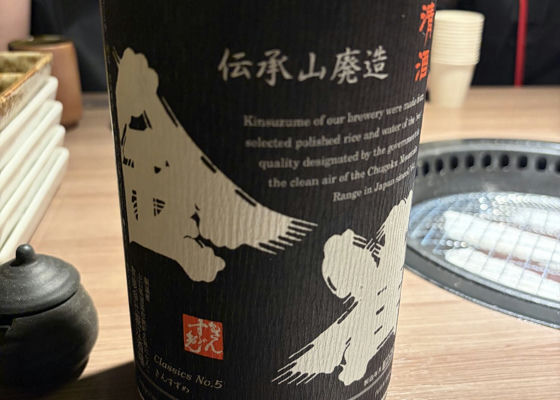
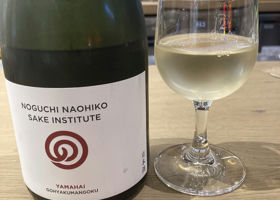
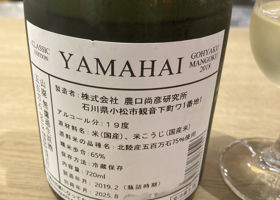
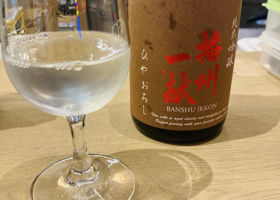
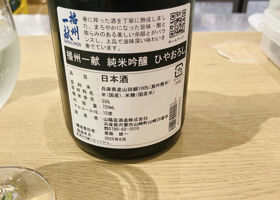
Revival of classic traditional sake by the secret technique of "futa koji method" handed down from ancient times.
It has a robust flavor with a rich umami and sweetness. It has a rich flavor, sweetness, and firmness, but strangely enough, it is not too strong, so you can keep drinking it.
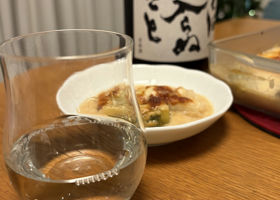
I drank it while eating leeks with miso gratin that day, and it went well with it!
It has a strange flavor that can be drunk as a mealtime sake.
When heated, it becomes more fragrant and rounded in flavor.
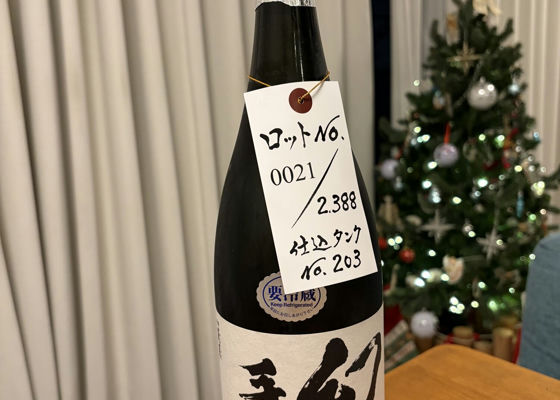
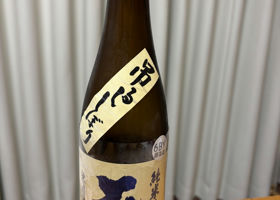
It's a bottle with a strong presence.
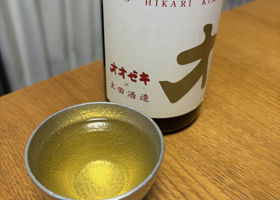
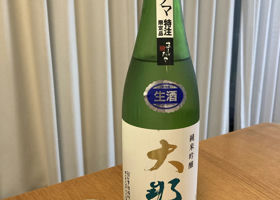
A limited edition sake made in collaboration with Super Ozeki.
This sake is made by waiting for the yeast that lives in the brewery to ferment without grinding rice or adding yeast. The color is yellowish and you would think it was old sake. The color is yellowish and you would think it was old sake, but you can taste the flavor and aroma of the rice.
The aroma spreads and deepens as the temperature rises, first at room temperature, then lukewarm, and then hot.
I paired it with sukiyaki and nukazuke, both of which went well with it.
It has a strong impact, but it is surprisingly easy to drink.
It has been a long time since I have had this sake, but I must say that sake made by the god of sake is amazing!
It has a strong richness, umami, aroma, and a crispness that goes down your throat without getting tired of it.
Quintessence! That's what I'm talking about!
Elegant aroma. Beautiful sake with a good balance of sweetness and acidity.
It is easy to drink even for those who are not accustomed to drinking sake.
Sweet!
Like syrup.
The alcohol content is low at 8 degrees, so it is good for sake beginners.
But what to serve with it?
I think it is suitable for aperitifs. It also has a sourness, so it would be good with chocolate.
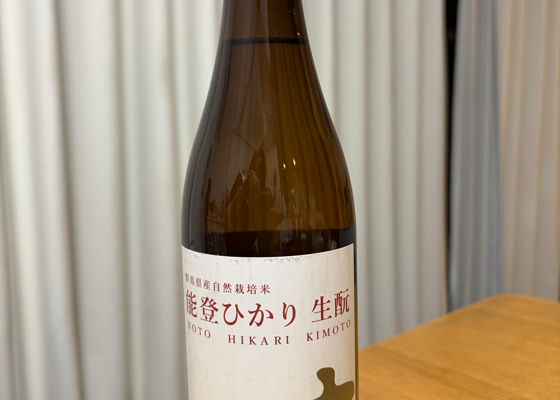
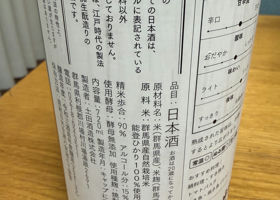
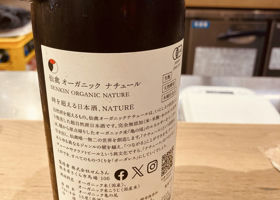
100% Asahi rice grown without pesticides in Shiga Prefecture.
It has a soft umami flavor and moderate acidity, making it suitable for both Japanese and Western palates.
Nagasaki edible rice, Nikomaru, is used.
Fresh and fruity on the palate, with a slight bitterness afterward.
It has no strong acidity and can be served as a mealtime sake.
The cork is glass and the appearance is classy and exciting. At first sip, I was surprised at how beautiful the sake was! I was surprised!
I could feel the umami of rice afterward.
It tastes like wine, but it tastes like sake. Above all, I was impressed by the lack of miscellaneous flavors and the truly beautiful sake.
It was shocking!
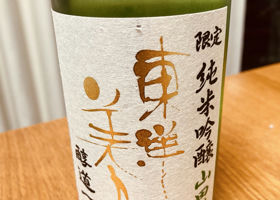
This sake was created with the image of Tanabata Festival. It has a fruity and fresh taste. The aroma and taste of rice can also be fully appreciated. Slightly bitter aftertaste. It went well with fruit cream cheese.

 にょこ
にょこ