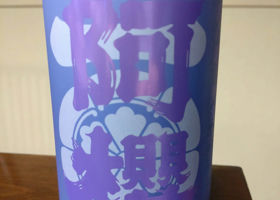
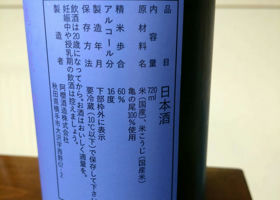
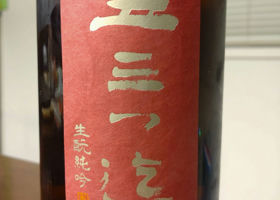
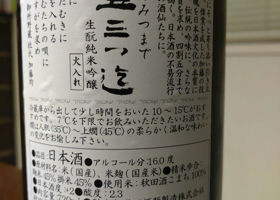
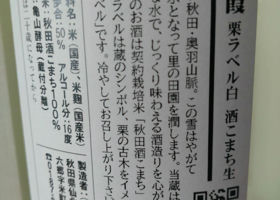
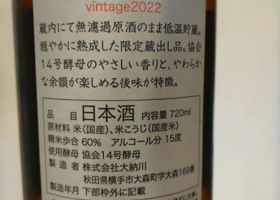
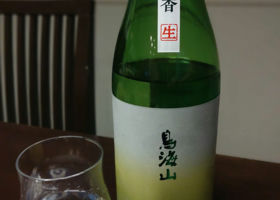
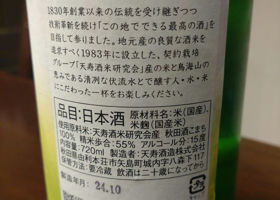
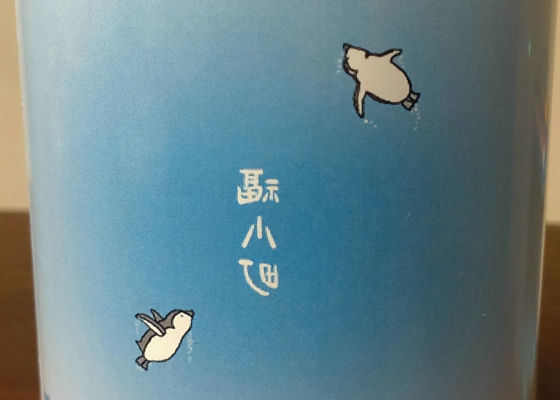
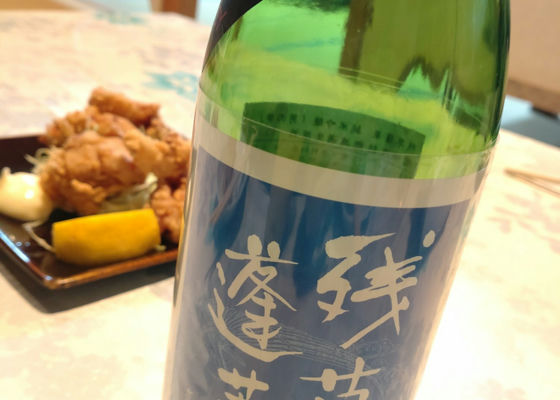
It is light and refreshing. But there is a sweetness of rice. Delicious!
Slightly crisp, almost like a nama-shu, but with a gentle sweetness. I want to repeat it!
☆☆☆☆☆
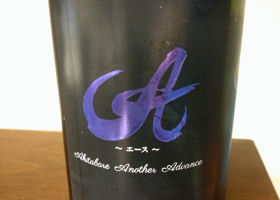
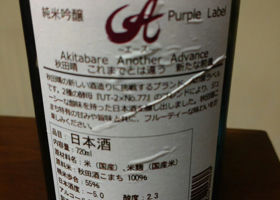
It seems that they can't call themselves Jungin or something because the rice is out of the top grade. The cost is high because of that!
On the first day of opening the bottle, the freshness of the raw sake is spiky combined with the A-Sakura classic; on the third day, it is familiar and fresh, with a firm sweetness in the back. It's a rummy type, but tasty.
☆☆☆☆
It is the most fruity of the Ushizukuri series.
It has a melon-like aroma, and the mouthfeel is sweet with a hint of bitterness, and the rice seems to be polished to the same level as a daiginjo. It has a sweetness that is in line with the sake degree. If there were a nama-shu version, I would like it even more.
☆☆☆☆
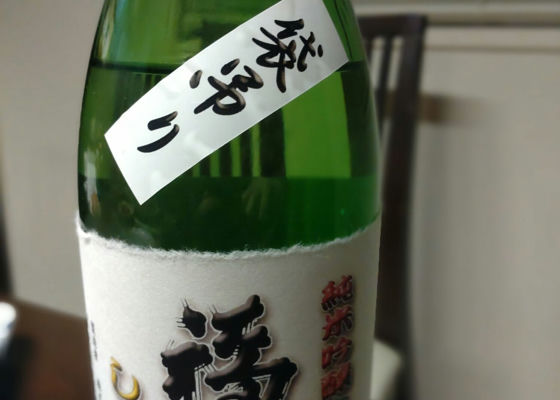
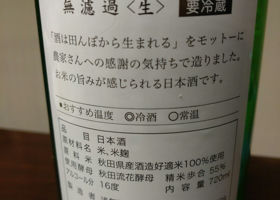
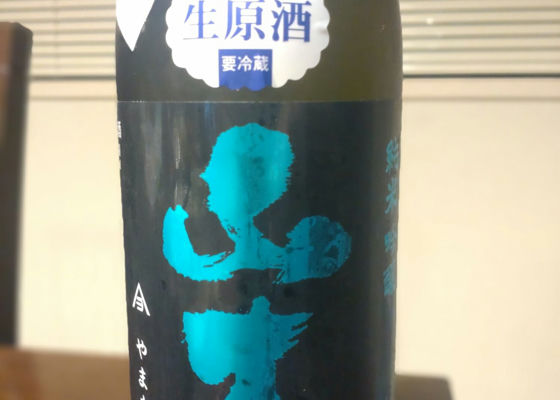
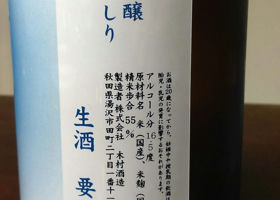
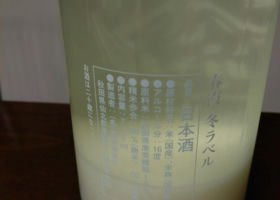
It was hard to tell from the label, but it was a draft sake.
The taste is light and sweet, with a slightly bitter aftertaste. I think 2 days after opening the bottle is the best. The depth and the cleanliness of the brewing water come to mind.
I am more and more interested in Marufei, a sweet sake from the same brewery.
☆☆☆☆
Procured on a business trip.
The aroma is a very fresh and unpasteurized sake. The mouthfeel is fruity and slightly sweet and light, with a classical drinking experience. The sharpness is thin and the sweetness lingers in the aftertaste. I like this lingering taste.
☆☆☆☆
Slightly effervescent, discreet aroma, with a chili taste on the tongue. The mouthfeel is gently sweet, slightly bitter and sharp. Classical flavor, but with a clean, clear image. Gentle taste.
☆☆☆☆
It is said to mean "limited sake" and "matured". Slightly yellow in color, as if aged.
The acidity is more dominant than the sweetness, with a hint of kijoshu-like acidity. But I want more sweetness. It would have been better if it were a ginjo.
☆☆☆☆☆
A classic, standard junmai with a delicious taste of rice. It also has a slightly fruity taste, but the base is classical. The Junmai feeling frightens me, since there were so many sweet sake.
☆☆☆☆☆
Sweetness followed by a little bitterness, acidity flowing and cutting. Sweet and sour type. Surprisingly refreshing and easy to drink. I want to try the raw sake version someday.
☆☆☆☆
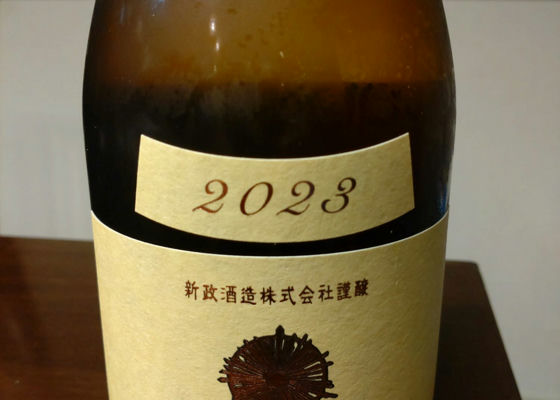
Opened the bottle this time without long term storage. Tasty! This is how it was supposed to taste, delicious! Niimasa in general is more like wine than sake. It is easy to drink, without the acidity of wine. It has a slight woody aroma, a white grape-like sweetness, and a slow acidity. Maybe I prefer it to Cosmos.
☆☆☆☆☆
About cool-cooled. Standard nama sake, with aroma and freshness typical of nama sake. Muscat-like, to use an analogy. It goes well with skin seared sashimi! I like the quirkiness or the strong tsumami. I regret choosing Tochigi sake in Kyoto...
☆☆☆☆
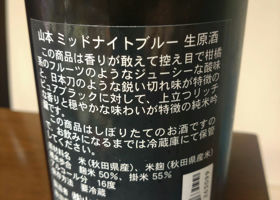
If I hear it's limited, I'll buy it.
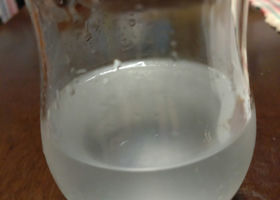
It's a hazy, muddy, almost odorless, like Rough Running, I guess. Tastes like...well...spodrilla! Light sweetness, slight effervescence, and an aftertaste that quickly disappears. I'm not exercising, but I'll drink it. I want to compare it to the normal Midnight Blue.
☆☆☆☆☆
One of the first bottles that got me into sake.
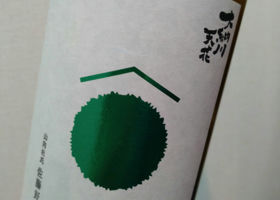
This year, it has a cedar ball roof, but I liked it better without it because it looked more like a marimo.
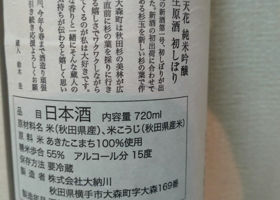
It has a slightly carbonated taste and a freshness that is typical of nama-zake. It has a pear-like sweetness that is typical of Tenka, and a sharpness that is also very drinkable, as is typical of sake. The taste is stable.
☆☆☆☆☆
Stable taste
Slightly fizzy, soft ginjo aroma, light sweet white grape. If you keep it in your mouth like a wine, the sweetness and the piquancy will stand out, and it will feel more mellow.
I recommend to drink it on the third day after opening the bottle.
☆☆☆☆☆
I'm reaching for the limited edition, of course, when I hear it's on the back!
I like the label.
It starts off fruity and ends with a refreshing finish. Pear-like aroma, spiciness for a moment, and full sweetness in the back. Delicious!
☆☆☆☆
The bottle was opened without shaking and it fizzes a lot!
I've never had anything like this before. <
It has a slight aroma of unrefined sake, and above all, the fizz is amazing. It's no longer carbonated. It's like a refreshing Calpis soda without the alcohol. This is fun! It's like opening a new door to sake!
☆☆☆☆
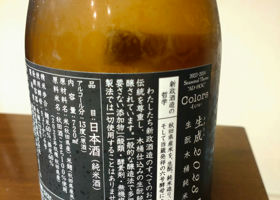
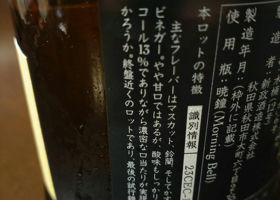
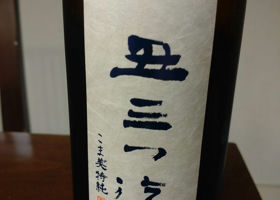
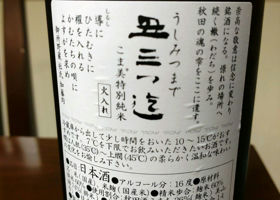
It is said that Akita sake Komachi and Miyamanishiki are called Komabi. The correct name is Komami, but it was mispronounced by the brewer as Komabi. The label "Komabi" has a muddled mark, and it is very thin and particular.
It has a slightly fruity aroma, a hint of sweetness, strong acidity, and a sharp taste. The sweetness is very strong with a slight sweetness and acidity, and it has a sharp taste.
The Ushisanzoku series is a flavorful version of classical sake. It is not the latest trend, but it seems to be popular with everyone.
☆☆☆☆☆
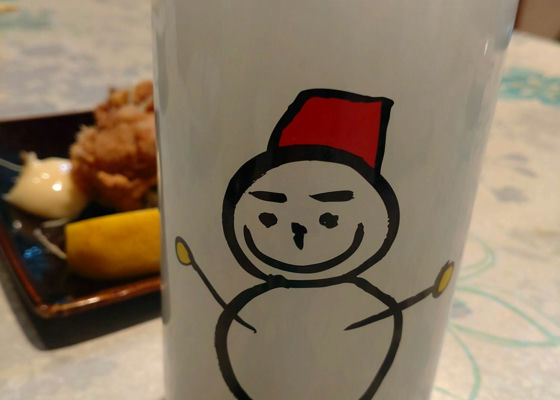
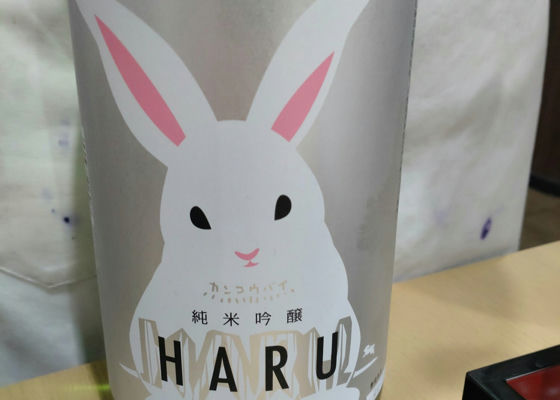
I can't help but shake it...
The aroma is like a pear, the mouthfeel is a little sweeter than the cute picture suggests, and the flavor is smooth and gentle. The bottle was empty in no time!
☆☆☆☆
Limited edition sake from Mochizuki Sake Shop collaboration.
The usual zanko taste, cemedine type, and crisp. 13 degrees Celsius is low alcohol, so you can drink a lot of it!
☆☆☆☆☆
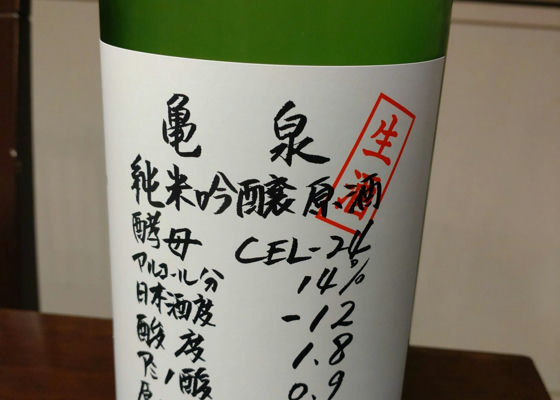
This time with a bottle.
On the first day, it was...what? It was more koji than sweetness, too much freshness, mellowness from the 3rd day, and tenderness from the 5th day. Delicious! Nama-sake is fun to change, and CEL24 is especially noticeable. I will enjoy it slowly for about 4 more sakes!
☆☆☆☆☆
 さわsawa