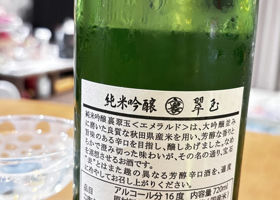
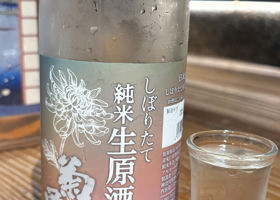
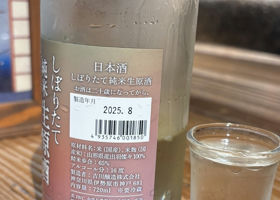
The first time I drank was during the Corona disaster,
I was alone in a hotel room on a night of quiet isolation.
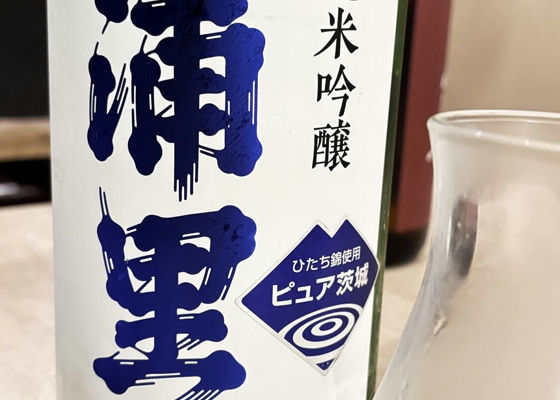
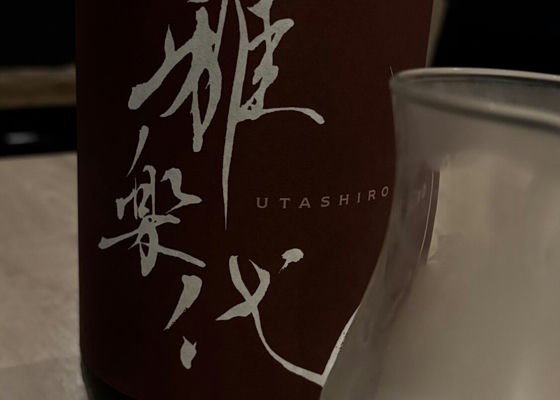
The moment I saw this label, memories of that time came flooding back.
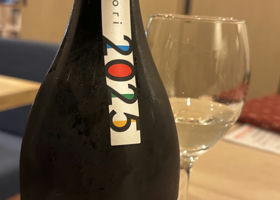
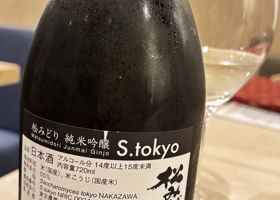
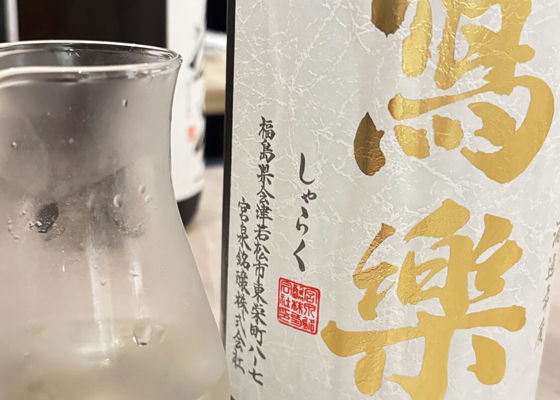
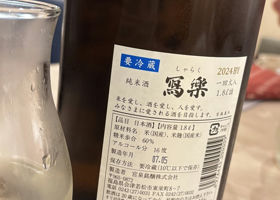
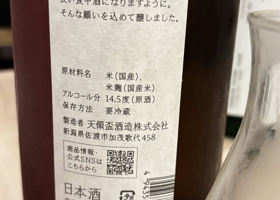
The yeast strain "S.tokyo NRIC 0024" from Tokyo University of Agriculture is used.
Fruity and gorgeous ginjo aroma. Elegant fruity aroma of white peach and muscat, with a slightly pear-like aroma derived from S.tokyo yeast, light and delicious🤤.
Soft and gentle aroma, with nuances of white flowers and pears.
A light aftertaste that quickly disappears in the mouth.
It is a perfect example of "Shokuchu Ginjo", with all the emphasis on gentleness.
It is a refreshing wine that flows smoothly on the tongue and disappears crisply.
The aroma is subdued and refreshing, like green apples.
It is neither too sweet nor too spicy, a well-balanced demon.
The true value of this sake can only be appreciated when it is served cold, and it is truly a "transparent deliciousness.
Ripe pear, discreet nectariness
Soft sweetness at first
Mild acidity comes in later.
There is also a light bitterness, which is the depth of the season!
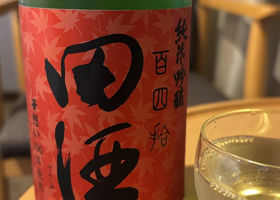
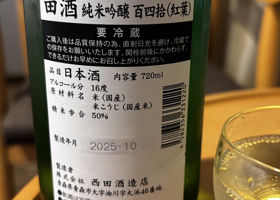
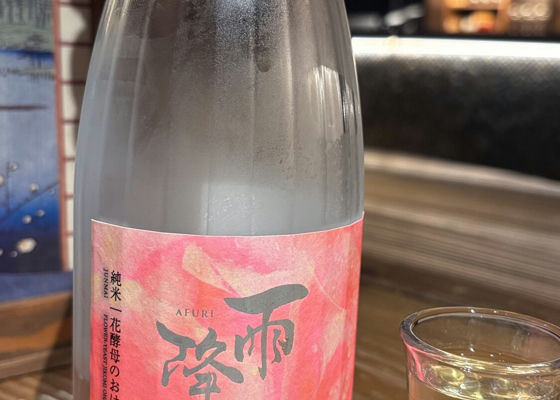
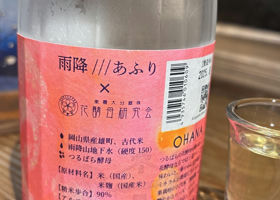
Hanasoi" is a variety of sake brewing rice developed by Aomori Prefecture from a cross between "Yamadanishiki" and "Hanabukiyuki".
This sake is a junmai ginjo made from 100% "Hanasoi" rice.
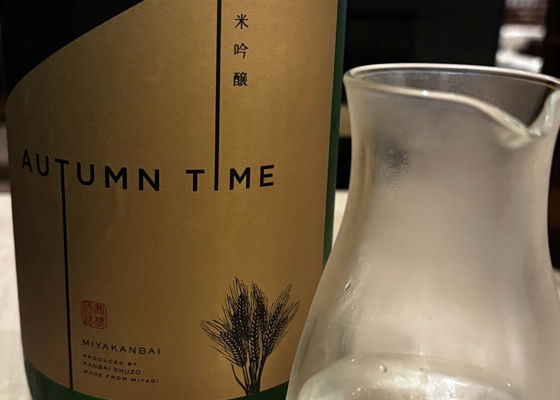
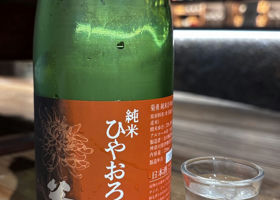
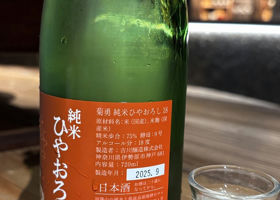
The 🍁 紅葉 label is a limited fall shipment.
It has a slightly more rounded flavor and a more subdued aroma than the regular Hyakushoku,
The aroma has a hint of Aomori-like fruitiness, such as apples and pears,
It is gentle on the palate, with a subtle acidity and umami lingering in the aftertaste.
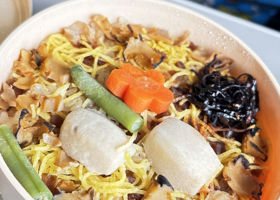
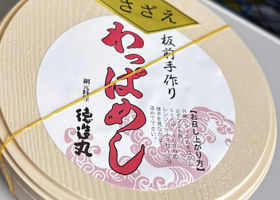
I had it with my bento on the train on the way back from a trip to Ito.
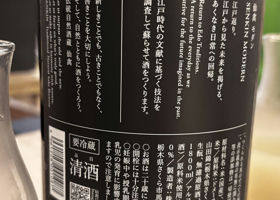
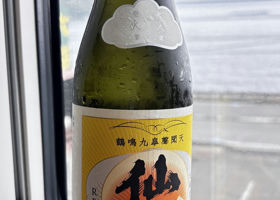
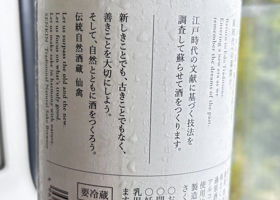
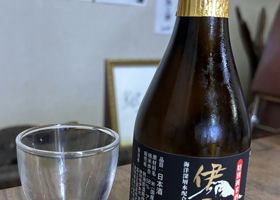
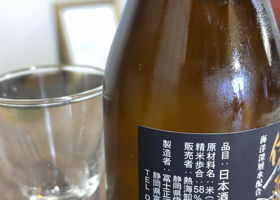
It is a bottle of Senkou's "Onkyo Chishin", a modern revival of a manufacturing method based on documents from the Edo period. SENKOKU
A mild and nostalgic aroma. It has a gentle, nostalgic aroma, with hints of cooked rice, dried fruits, and a hint of lactic acidity.
Soft and gentle on the palate, with the umami of rice spreading gradually.
The acidity is firm and the aftertaste is light and sharp.
Ito Trip Record
By using deep water from Suruga Bay as the brewing water instead of the underground water from Mt. Fuji, the taste is mellow and mineral.
The modest but elegant aroma of rice spreads pleasantly.
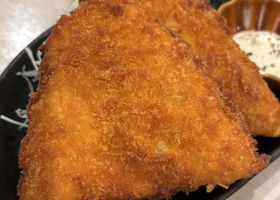
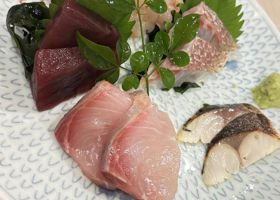
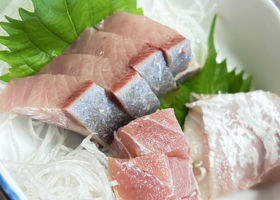
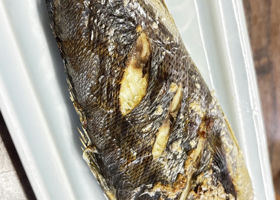
When you taste this local sake with fish dishes at a small restaurant in Ito with a Showa-era atmosphere, you will feel strangely at ease,
It is a moment when your mind is mysteriously at ease. 🍶✨
A very floral and gentle sake made with floral yeast.
Floral and light. It has a sweet aroma like cherry blossoms, white flowers, a little lychee, and muscat.
The mouthfeel is very soft, and the umami of the rice spreads gradually.
The acidity is mild, leaving a sweet and sour nuance. The roundness and freshness typical of flower yeast can be felt.
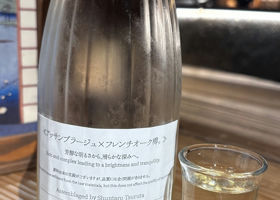
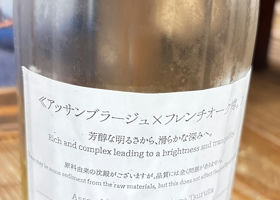
There is a savory aroma derived from oak barrels.
The balance between acidity and umami is exquisite. It has the thickness of wine. The sharpness is gentle. The aftertaste is long and calm.
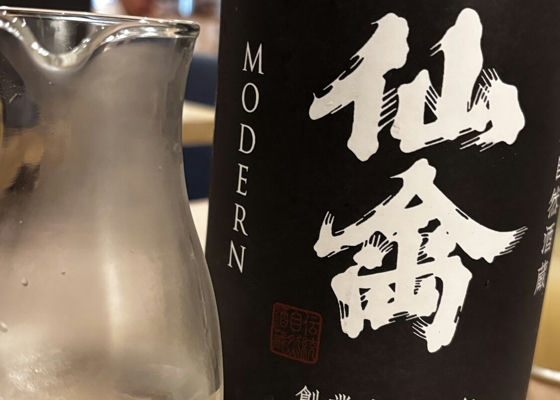
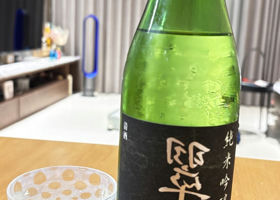
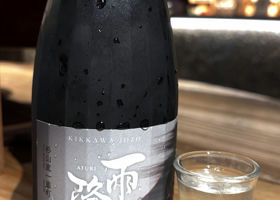
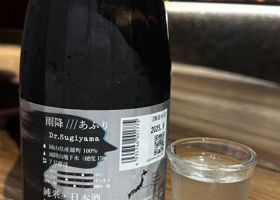
The black bottle is impressive and is truly the "top of the line" in the series.
The brewer, Yoshikawa Jozo, created this limited edition sake as a tribute to Dr. Kazuo Sugiyama.
The ginjo aroma is elegant and reserved. The sweetness of white peaches and bananas is accompanied by a hint of minerality.
The aroma is of the type that rises quietly, with depth and lingering aftertaste rather than flamboyance taking center stage.
Fresh and gorgeous! Aromas of green apple, pear, and white peach.
Even though the alcohol is a bit strong, the impression is sweet and fresh.
In the mouth, there is a slightly carbonated, piquant sensation characteristic of freshly squeezed sake.
It is juicy with a rich rice flavor and a moderate acidity.
It has a softness that does not make you feel the 18% alcohol content.
The first sip has a mild umami flavor, followed by a light astringency and acidity.
It has a "calm depth" that is typical of autumn sake, but the aftertaste is crisp and clean.