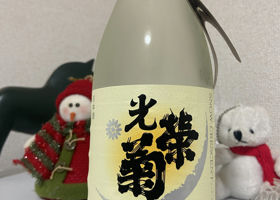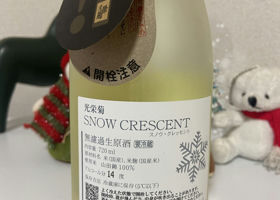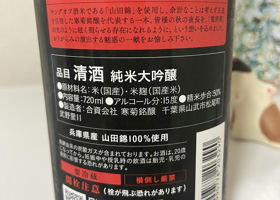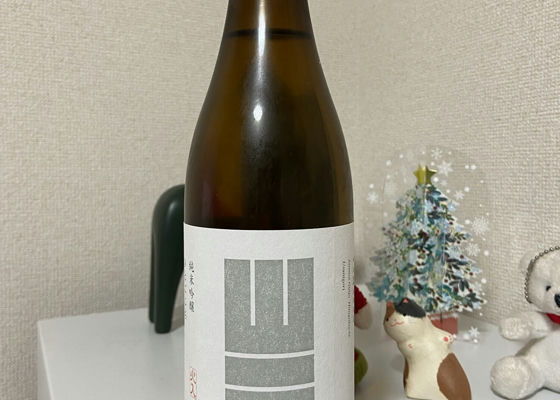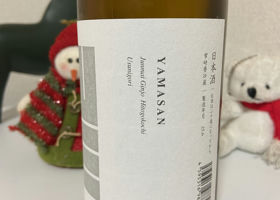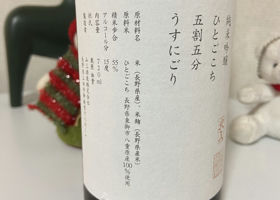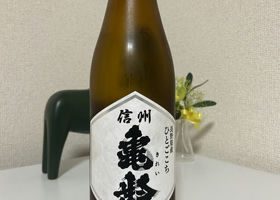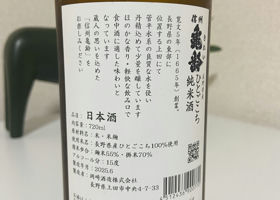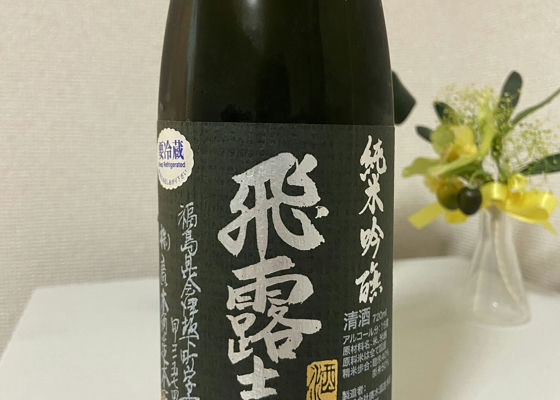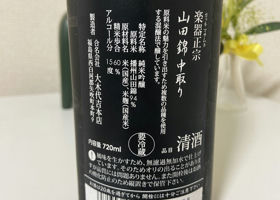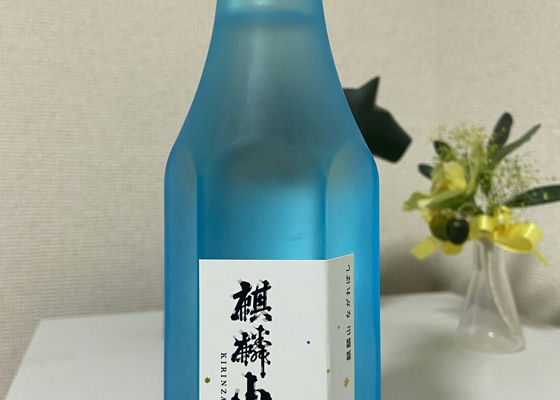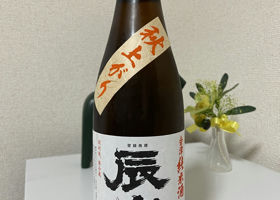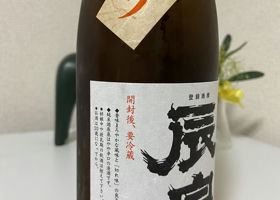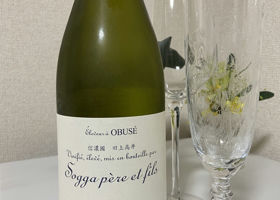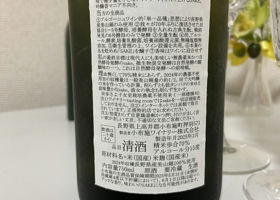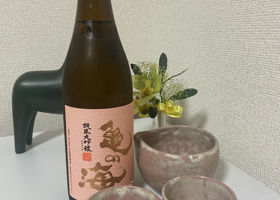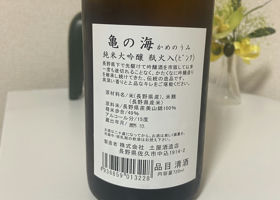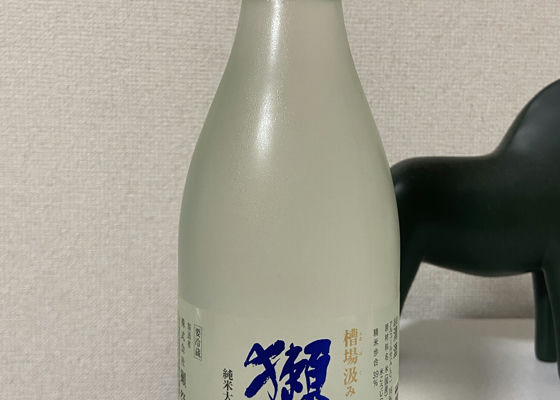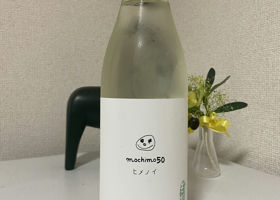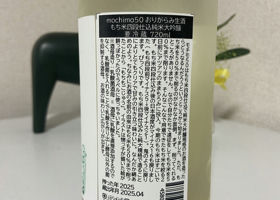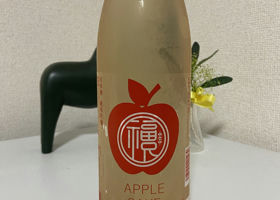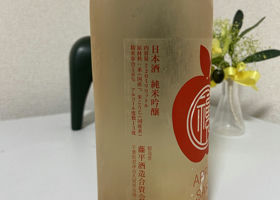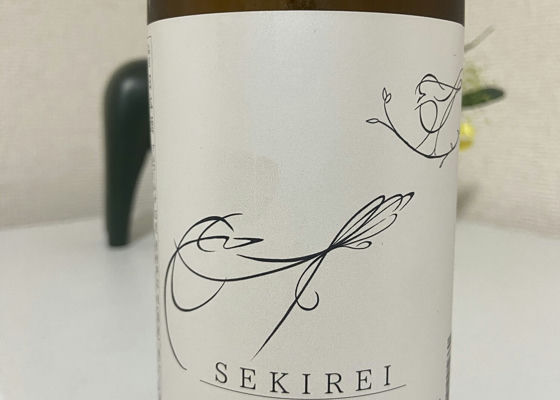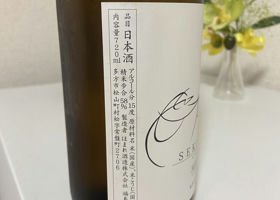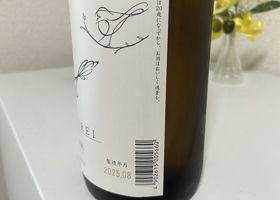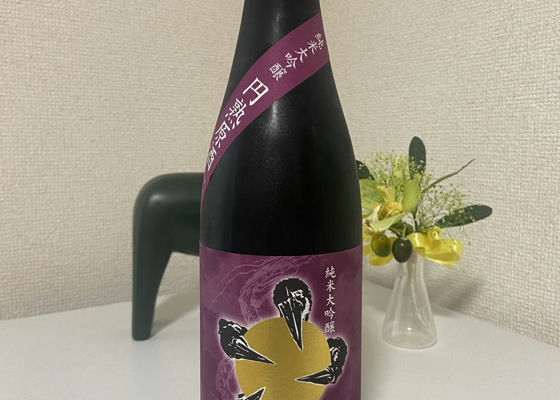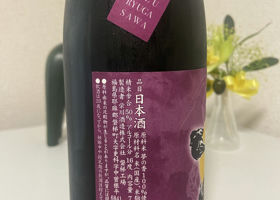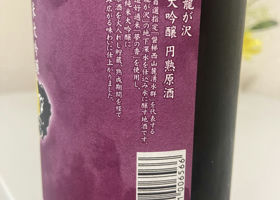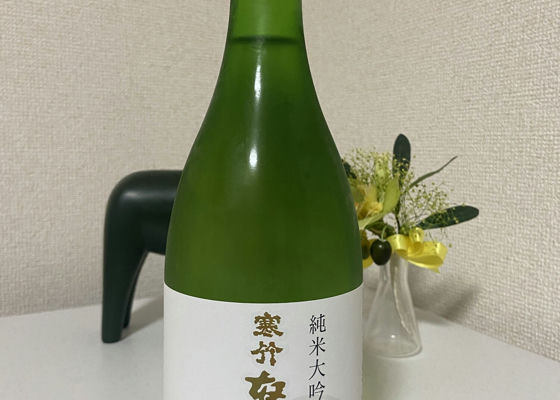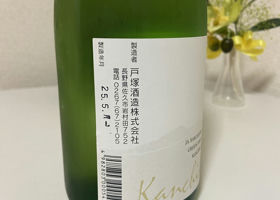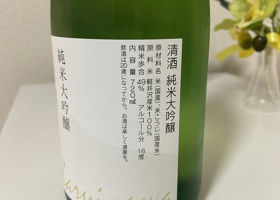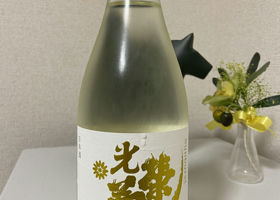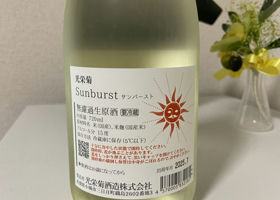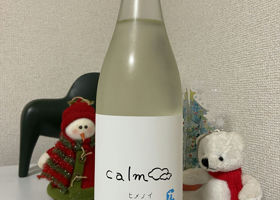
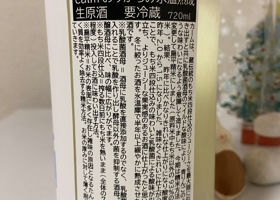
It is similar to Denshogiku, but more effervescent. Without lees, it is sharper, but also has a sweet and umami taste. Light on the palate and mild on the throat. Very tasty.
Fizzy when poured. When not leesed, it is clear, strong gassy, and carbonated. When mixed with lees, it has a sweet taste. It is sharp and has a bitter aftertaste. The yogurt-like acidity is delicious.
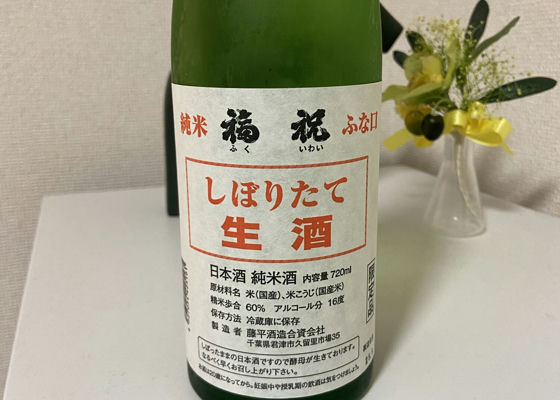
When poured into a kataguchi, the ginjo aroma stands out well. Slightly cloudy. Sourness and tingling in the mouth. A mild pineapple sweetness follows. It is refreshing and delicious. It is easy to drink. Goes well with tofu dressing. Nagano sake is very beautiful.
Good balance of sourness and sweetness. Smooth to the throat. Sweet and tasty, mellow and easy to drink. Easy to drink and delicious. 2 days later, beautiful aroma in a glass of wine. Surprisingly, it went well with curry.
As expected of Tobiroki. It is easy to drink, but the flavor is not light but has a solid core. The gentle sweetness of rice spreads. It never gets boring. The second day, the juiciness increases. The second day, it becomes juicier and more delicious.
Melon, pineapple-like sweetness. Clean mouthfeel, good acidity. Not effervescent but with a piquancy. Light and easy to drink. On the second day, the acidity becomes mild and the flavor is more intense. It has a pear-like sweetness. Serve with pear caprese as it is.
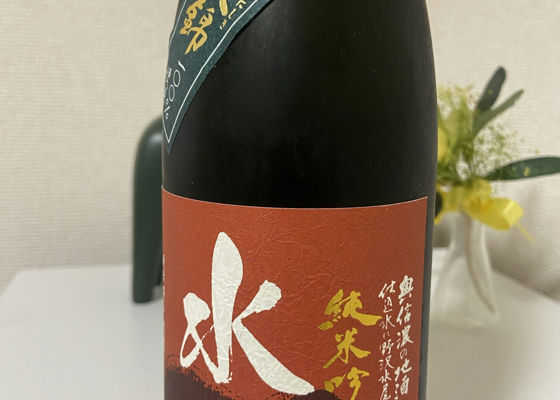
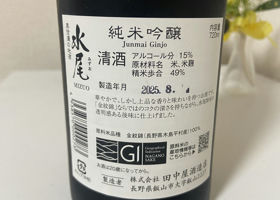
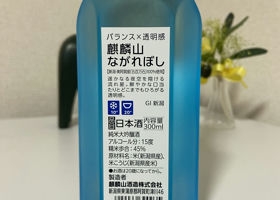
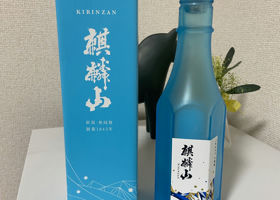
When it comes to Nagano, Mizuo is the first place to go! Mizuo is the first place you should think of when you think of Nagano. Sake is clear and smooth. As the label says, it is a clear sake. It is very easy to drink. It is a sake that stands out for its good balance rather than its impact. As a standard sake, it gives the impression of being liked by everyone. With foil-baked fall salmon.
The light, dry taste. A sense of going back to the origin. This is Niigata sake. It is light and refreshing. As the day goes by, you can taste the umami and mellowness. Perfect as a food sake.
Gutsy and delicious. The alcohol content is 15%, but you can feel more than that. It has a firm body and a refreshing, dry taste.
As a food wine, it goes well with light salami and cheese, grilled shiitake mushrooms, and hearty kaku-ni (stewed cubes of meat).
A glass of wine with a full-bodied aroma. Sophisticated and elegant taste. Sweet, but clean and free of cloying flavors. Mild acidity. Slight bitterness. Enjoy the aroma. When served in a boar cup, the aroma is not so strong, and you can feel more sweetness. Muscat flavor. Very delicious. Serve with kabokki, cheese, yellowtail marinated in soy sauce and malted rice.
Apple-like flavor. Mild flavor spreads. It goes down the throat smoothly. It goes well with yellowtail sashimi, yellowtail shabu-shabu, and seafood. Goes well with seafood.
After a few days. Mellow, umami, aroma of rice.
Gorgeous aroma, pineapple-like sweetness. Slightly fizzy. It was a very beautiful sake with the freshness of new sake. It was said to be well-liked by everyone, but that is no exaggeration. It seems to go well with light snacks. This time, it was served with sweetened chestnuts. It becomes mellower as the day goes by, but I preferred it freshly opened.
Orihara. Gentle sweetness spreads on the palate. It is like a white peach. Not only the sweetness, but also the acidity is very pleasant. It is delicious. It is juicy and has a strong flavor, but it is not heavy. It is not at all like the dry sake of the high street, but it is very well-balanced. You can drink it with just sake. It can also be an after-dinner drink.
It is said to be a junmai ginjo, and although it has a slight aroma of rice and sweetness, the taste is very clean. The apple-like acidity stands out. It is smooth and easy to drink. In a good sense, it is not like sake. It is like a fruit wine with water. It goes well with cheese, and the apple-like sweetness increases on the second day.
It is more refreshing than other Aizu sake. Dry type. But it also has Aizu's originality and umami. It goes well with fried food and light snacks as a mid-meal sake.
Good balance of sweetness and flavor. The sweetness is melon-like. The mouthfeel is light and the umami spreads. It is a hiyaoroshi-like sake with no corners.
Sweetness spreads in the mouth. It also has an alcoholic taste. It is a versatile sake that goes well with any snack rather than a unique sake. It is a beautiful sake with clean water. As the day goes by, the alcohol feeling settles down and the umami taste comes out.
The aroma of sake spreads. As is typical of nama sake, it is heavy and lean. The acidity has a tingling sensation. It has a grapefruit-like sweetness and a slight bitterness. On the second day, it settles down and becomes easy to drink. The second day, it settles down and becomes easier to drink. The slight bitterness goes well with the bitterness of green peppers.