
Ki Melon banana aroma, tingling and slight bubbling sensation.
After finishing it, the melon aroma penetrates from the back of the mouth.
TEN: Mellow without being overpowering.
Yui: It is sharp and slightly sweet, but then the taste disappears. The alcohol or chemical taste is a bit muddy, though.
If the aftertaste was eliminated, it would be very tasty.
4.2
ps.
After a day, the slight fizz settles down, the taste rounds out, and the chemical taste disappears!
Freshly opened.
Creamy, pear and banana from the aroma.
It's a bit of a sizzle!
A milky and fruity flavor.
The 13% alcohol content is gentle and light.
It is easy to drink like a juice.
4/5 stars for my taste.
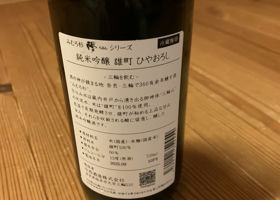
the top of the bottle
Aroma of peach-like sweetness mixed with acidity and umami
The sweet and sour aroma is followed by a slight alkali, umami, and a little bitterness to finish.
When it is a little bittersweet, it switches from sweet and sour to sweet and umami, and the bitterness can be easily felt and the aftertaste is long.
The lower part of the taste is firm.
It is my favorite sake because the ups and downs of the taste change are not big but easy to understand.
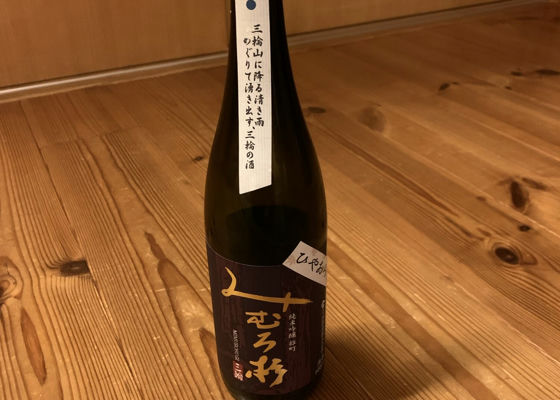
Sake from Sakurai City, Nara Prefecture
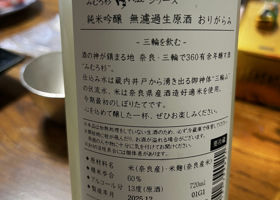
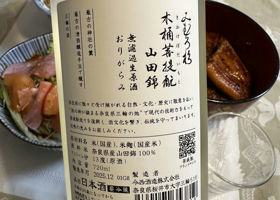
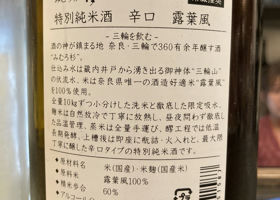
Rice used for making sake🌾: Rice suitable for sake brewing produced in Nara Prefecture
Rice polishing ratio: 60
Alcohol content: 13% (undiluted)
🍶The supernatant is like cider with lots of bubbles in the glass. When it is equalized, it is refreshing and fresh. The first freshly squeezed sake of the season. Sake can be enjoyed from here through all four seasons again, which is a very promising sign.
[Nara's Sake Focus Period: 8th brewery]
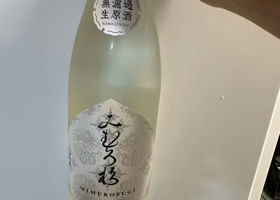
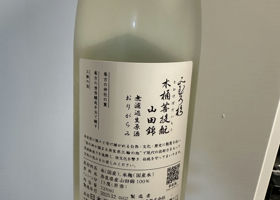
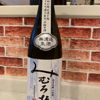
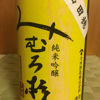
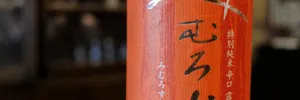
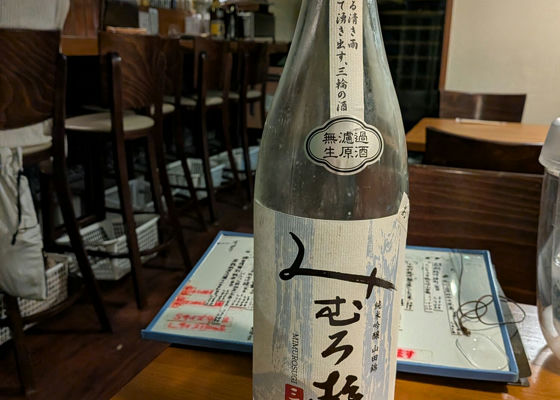
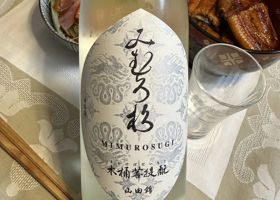
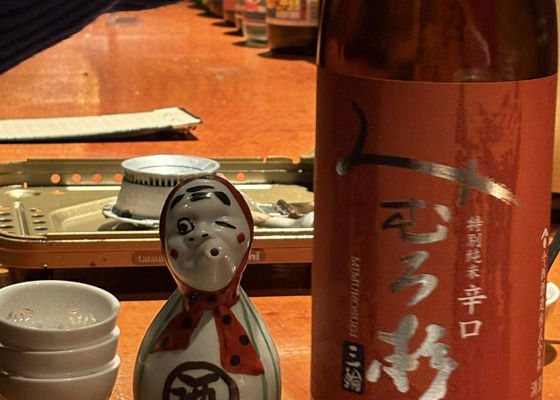
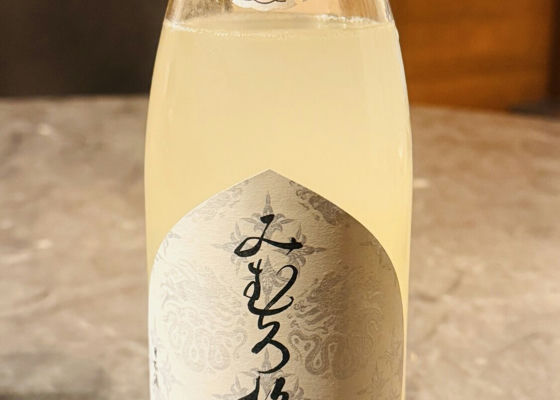
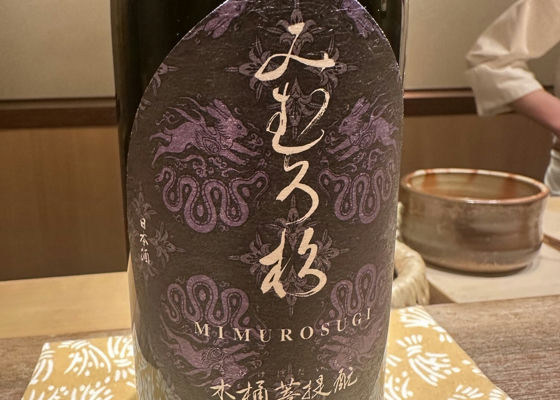
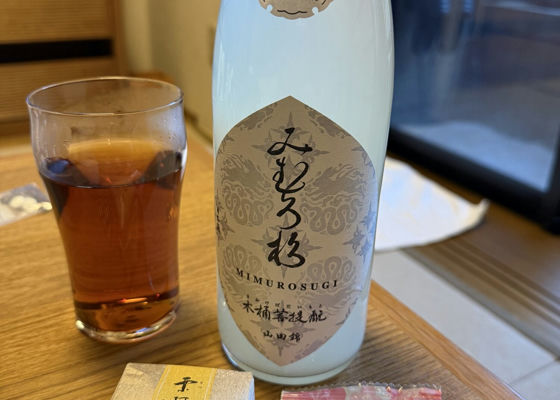
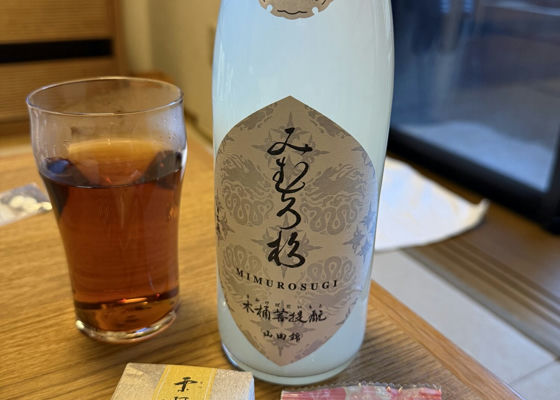
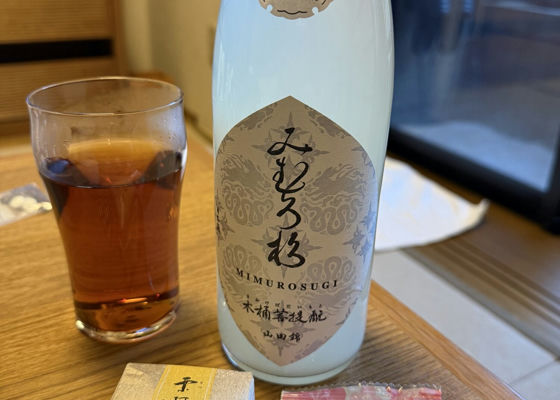
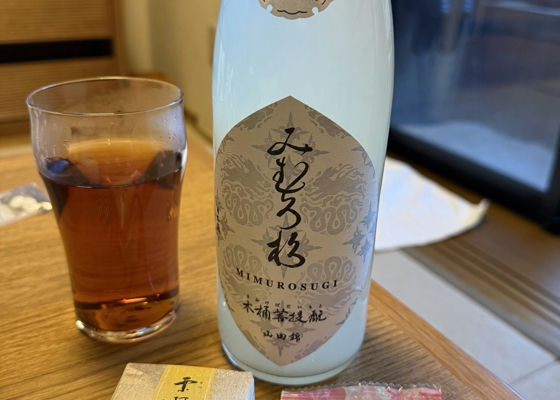
Mimuro-Sugi Romain Series Junmai-Ginjo Unfiltered Unrefined Nama-Shu ORIGARUMI
Rating 4.4-4.5
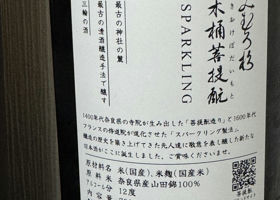
Rice: Nara-grown Yamadanishiki, Polishing ratio: 60%, Alcohol content: 13% (unpasteurized)
The new sake uses dewy leaf style rice instead of Yamadanishiki. It has a fresh and crisp ginjo aroma reminiscent of rum, a soft texture unique to orikarami, and a refreshing and crisp finish characteristic of dewy-leaf style rice.
The oli is made from Yamada-Nishiki, which is activated by the secondary fermentation in the bottle.