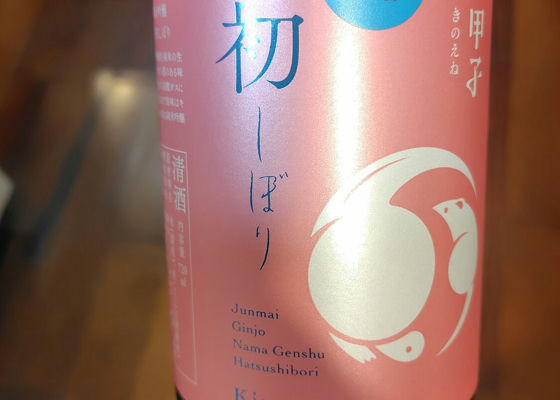
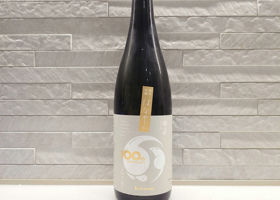
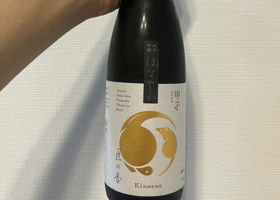
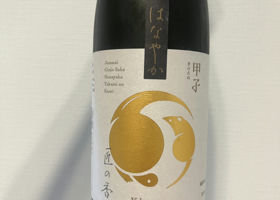
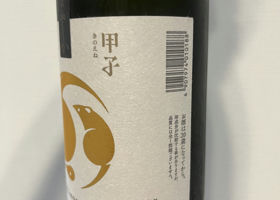
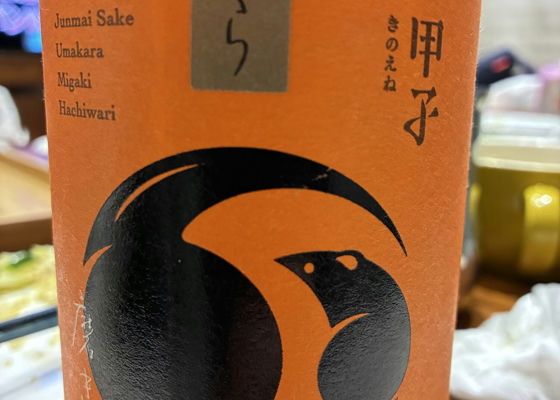
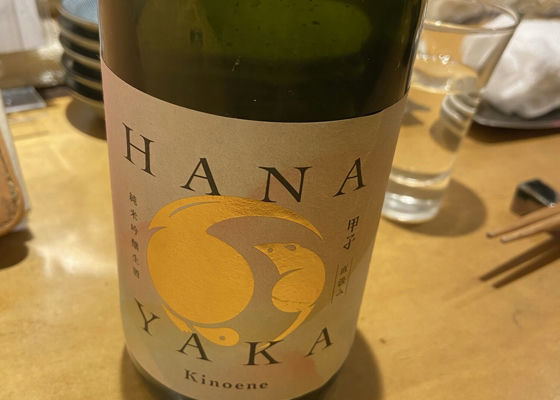
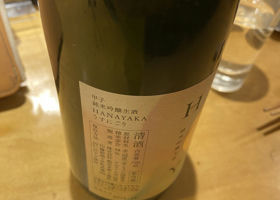
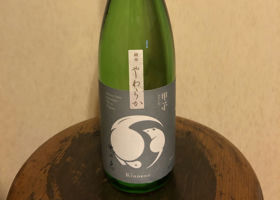
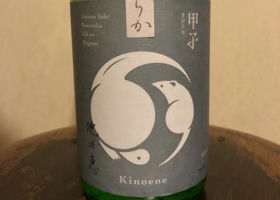
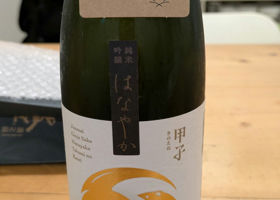
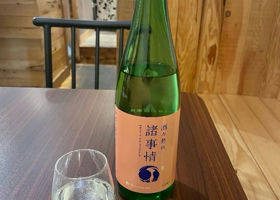
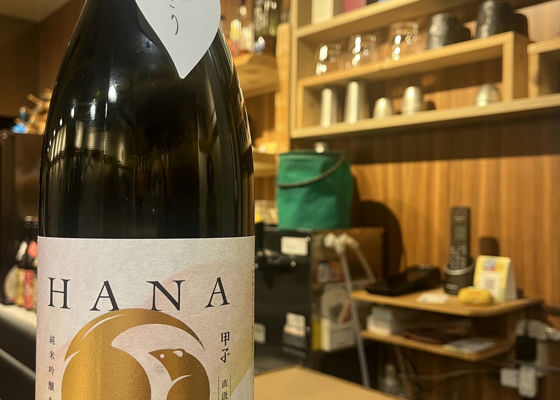
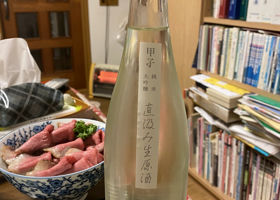
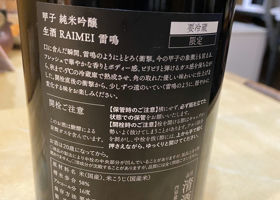
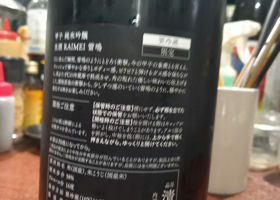
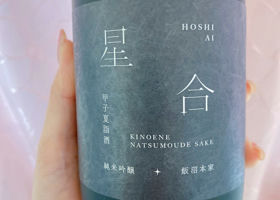
My first Koshi.
I have been curious about it for a long time, and it is finally making its debut at Hanayaka Takumi no Kouko.
Citrusy aroma like lemon.
It has a refreshing acidity and a clean taste.
Slight sweetness and soft spiciness.
Easy to drink with a slight gassy and fresh taste.
It is a versatile sake that goes well with any snack!
Pairing: ham cutlet, yellowtail sashimi, steamed and grilled oysters, grilled fluffy yam, lotus root with green laver, sweet vinegared turnip, melon
The top is sweet and fruity.
The middle part is not sharp, but only softly fragrant, with gentle sweetness and balanced acidity.
The last part of the bottle has a sourness, but the sweet aftertaste lingers even after the drink is over.
It does not feel alcoholic at all, so even those who are not used to sake can enjoy it.
7.5/10.0
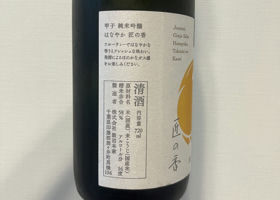
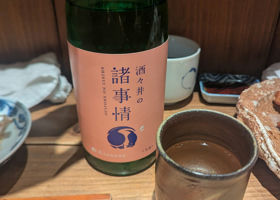
A local sake from Chiba Prefecture.
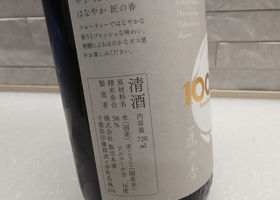
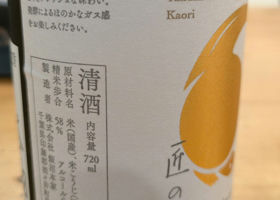
Although it is 80% polished, it is a sake with little bitterness and a great umami taste.
I personally like it.
Sweet and easy to drink, but also spicy and well-balanced!
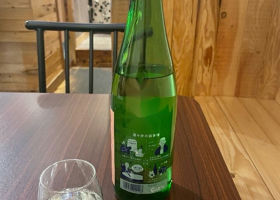
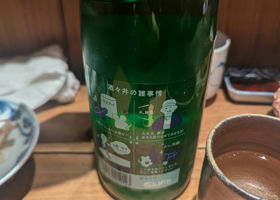
Interesting illustrations explaining sake born from failure are also written lol
⭐️3.8
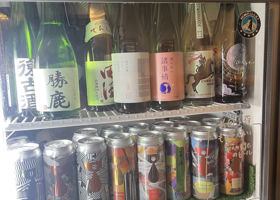
@Revival craft kemigawahama
Good place to drink craft beer too!
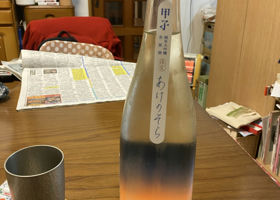
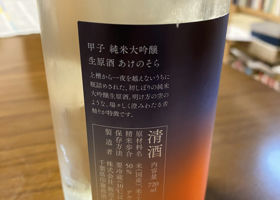
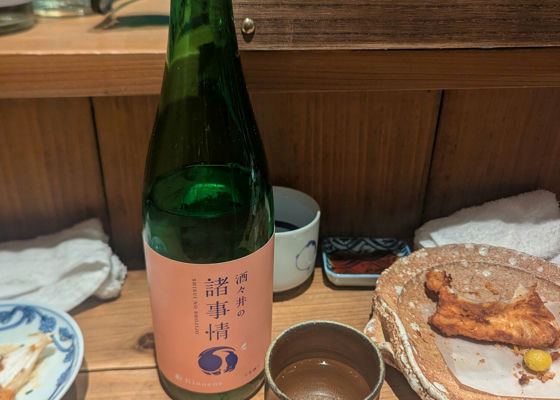
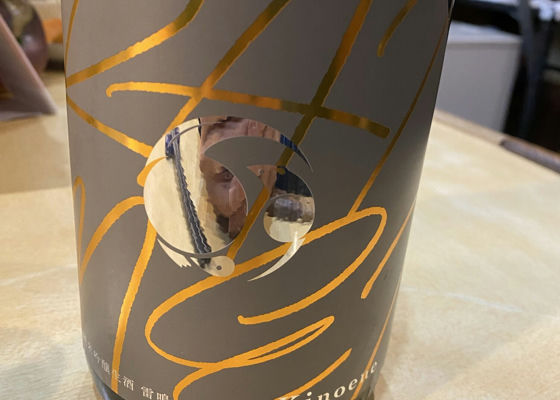
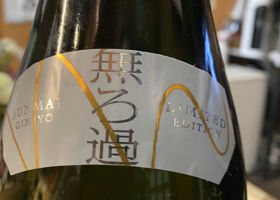
A limited edition sake born from a mistake.
A special bottle that you will never be able to taste in the future.
The "Dawn of Sakai" is a one-day-only sake that has been popular every year.
During the brewing process, trouble occurred with one of the two tanks in which it was being brewed. The sale of the bottle was suspended, but due to the kind and enthusiastic feedback from customers, the toji, Mr. Kawaguchi, decided to commercialize it as a new sake after a trial and error process.
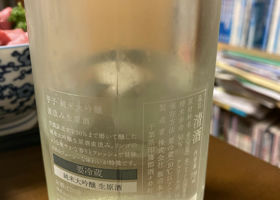
Rice polishing ratio: Kake rice/50%, Koji rice/50% *70% rice polishing is used in the fourth stage
Alcohol content: 15
Sake meter degree: -13.1
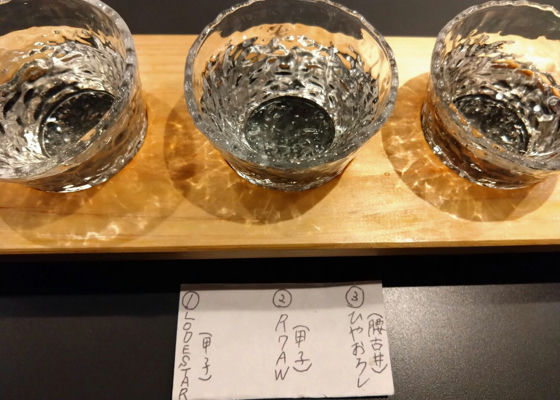
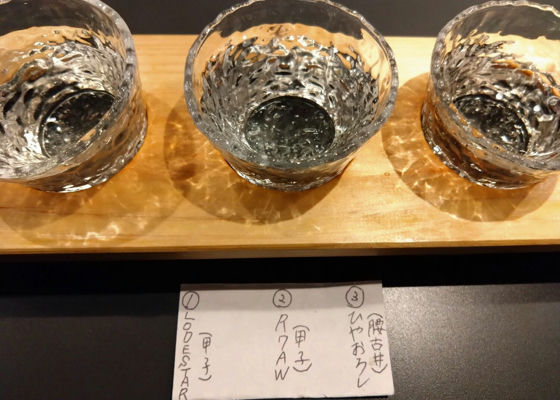
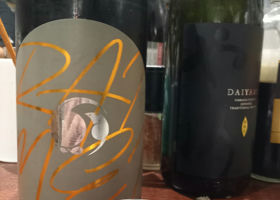
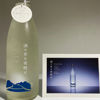
The photo shows Koshikoi, but it was out of stock, so I substituted it. As a result, it was my favorite out of the three types we compared. I am glad to have found it.
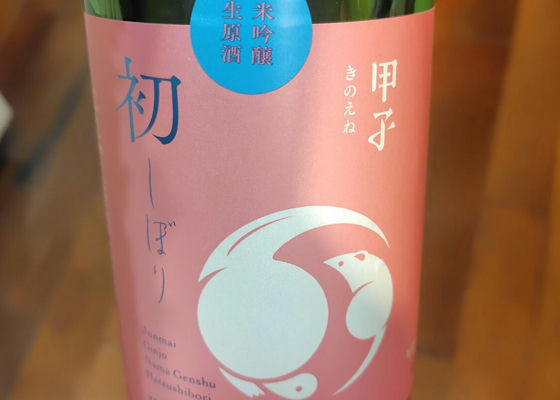
One of the three types of sake, Junmai Ginjo Nama Genjyo, which is only available in autumn and winter. It has a really nice sweetness and aroma - very tasty.
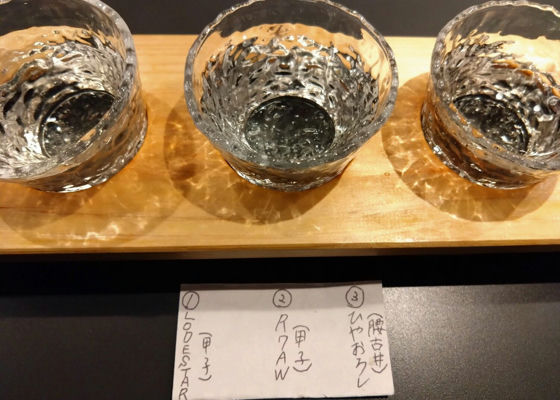
We had it at the first restaurant of the 2025 year-end party, "Kaku-uchi KATOTOMOSABURO LIQURS", in a three-drink comparison. It was delicious with just the right amount of sweetness and aroma and a clean aftertaste.
Raw chili, with a melon-like sweet aroma typical of Koshi. A slight bitterness masks the sweetness.
The sweetness prevails over the rawness, perhaps because it's been a little while since it was opened. I wonder if the sweetness is reversed when it is freshly opened.





 株式会社飯沼本家(千葉県千葉市)は「きのえね農園」で大切に育てた酒米(五百万石)「きのえね米」を9月に発売しまSAKETIMES | 日本酒をもっと知りたくなるWEBメディア
 日本酒専門店「吟醸マグロ」が、日本酒「甲子(きのえね)」で有名な飯沼本家(千葉県千葉市)にご協力いただき「第2SAKETIMES | 日本酒をもっと知りたくなるWEBメディア
 株式会社飯沼本家(千葉県印旛郡酒々井町)は、春季限定酒「甲子 春酒香んばし」をリニューアルし、3月22日(木)SAKETIMES | 日本酒をもっと知りたくなるWEBメディア