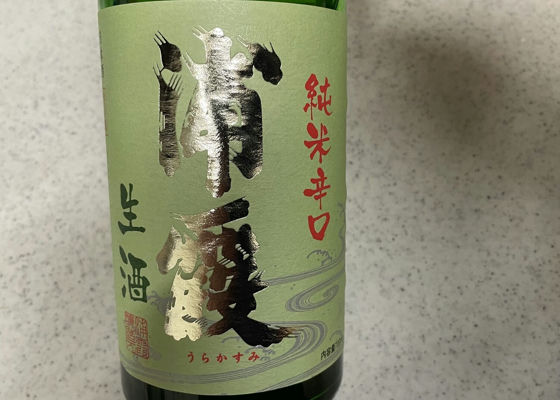
It has a fresh aroma, soft and mild rice flavor, and a crisp aftertaste. Although it is junmai (pure rice), it is dry rather than mellow, a characteristic of Urakasumi's drinking style.
The moment you drink it, you will feel its deliciousness.
It has a full and graceful ginjo aroma, juicy, fresh, mellow, and soft flavor,
These words are true.
I am now eating firefly squid with vinegared miso and boiled spinach, a perfect marriage.
Aged sake that makes the snacks even more delicious.
It makes me want to eat sushi and sashimi.
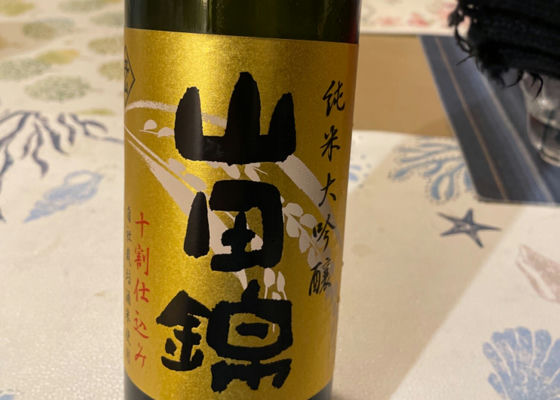
The fermentation process is carried out in a 10:10 ratio of water to rice, with a high concentration of rice, which produces a rich flavor.
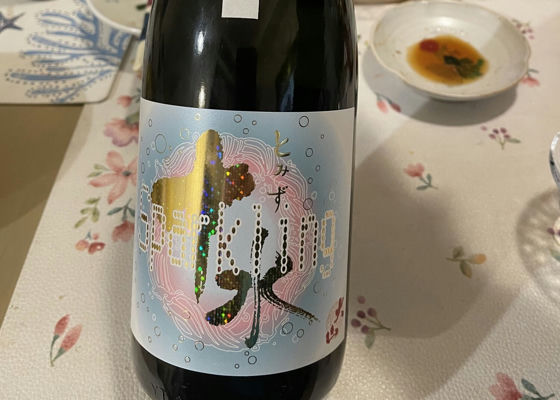
This sparkling wine has a juicy fruitiness due to the oli entanglement.
On the other hand, it has a refreshingly bouncy and effervescent taste, making it a softer sparkling wine than wine-type sparkling wine.
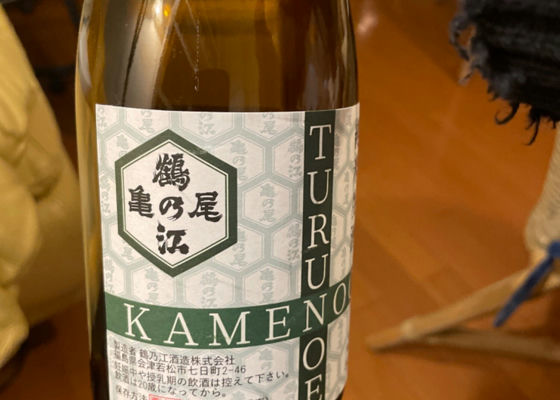
Asahi rice is the root of many rice varieties along with Kame-no-o. In the Meiji era, Asahi rice was widely distributed in western Japan, while Kame-no-o rice was widely distributed in eastern Japan.
Furusato Raku tax-paid limited edition sake with a strong acidity and umami flavor.
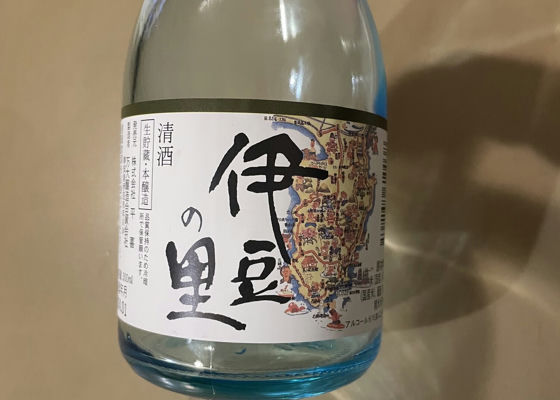
It is a souvenir of Izu, and although it is a honjozo, it is easy to drink. It is the kind of sake you want to drink while eating lunch on a train trip while viewing Mt.
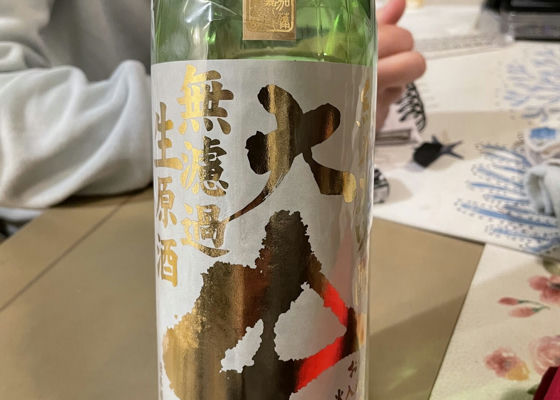
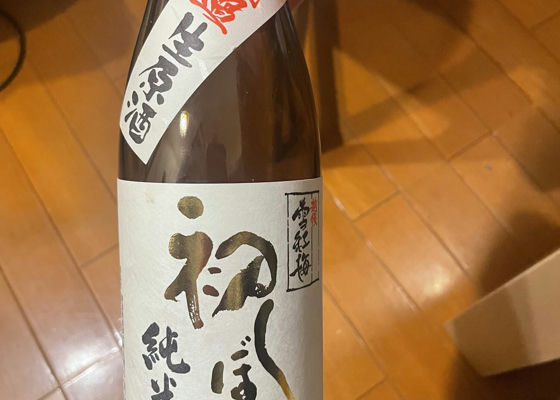
The freshly squeezed sake is bottled without filtering, heating, or rinsing.
This is a limited-time-only sake that can only be enjoyed in winter, and combines the youthfulness of new sake with the strength of unblended sake.
It is a well-made junmai sake with a moderate aroma, acidity, and fullness, but with a freshness similar to that of a ginjo.
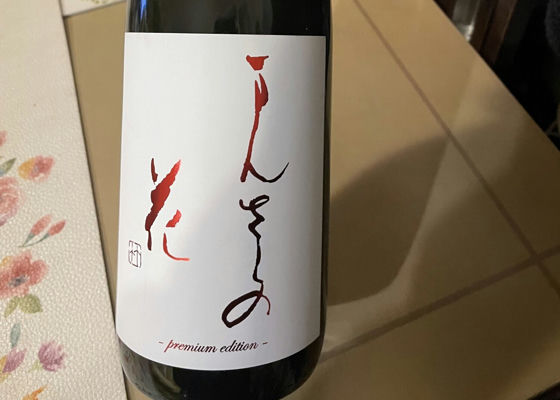
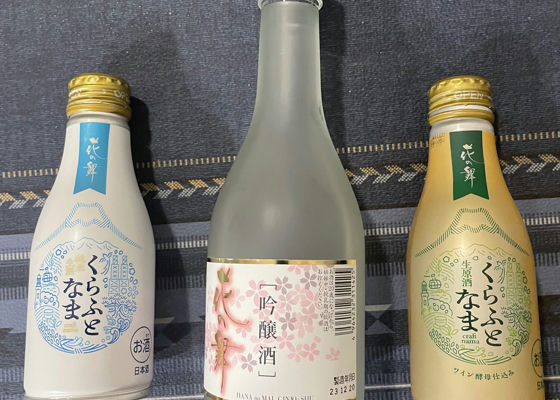
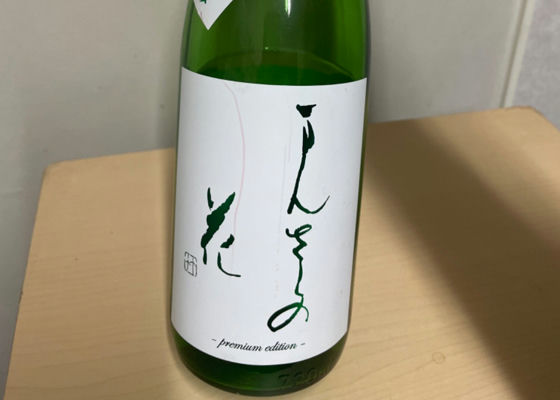
Hana-no-Mai was purchased as a souvenir from a trip.
The left and right Kurafutonama are wine-like raw and unpasteurized sake, and the center is ginjo-shu.
Kurafuto-nama is a sweet sake that is easy to drink.
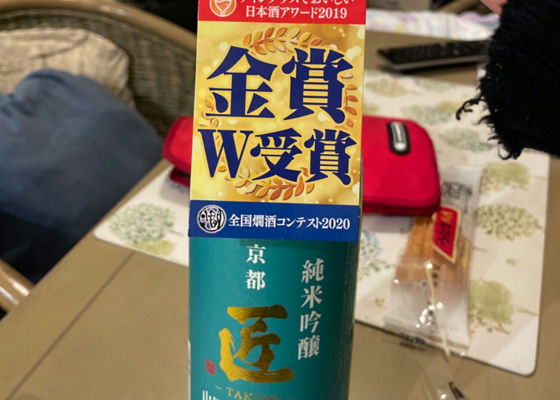
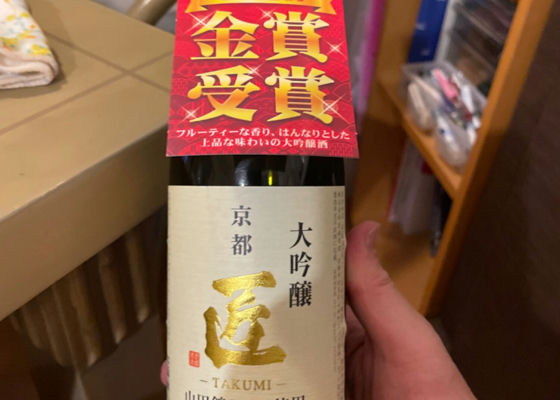
This local Kyoto sake is labeled as being made from 100% Yamada-Nishiki. Although it is a ginjo, it has the richness of junmai (pure rice), which is a characteristic of this sake brewer.
The label also claims that this sake has won a gold medal at the Tasteful Sake in a Wineglass Awards.
It is not very aromatic, but rather a mellow sake.
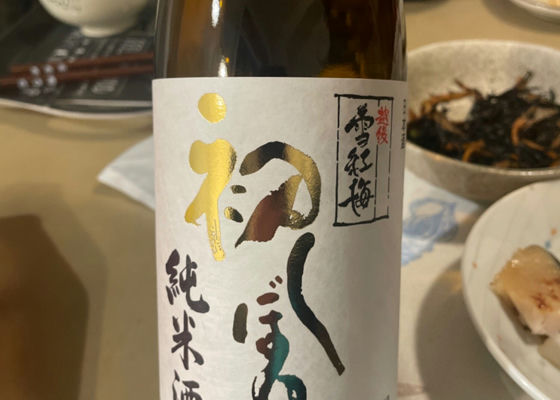
The first Shiboritate of the season, the best part of sake that can only be tasted in the brewery. Taste the genuine junmai sake.
It has a subtle ginjo aroma, and despite the aroma, it is dry and heavy like a honjozo (pure sake).
It is a mellow dry version of Yuki Kohmei that does not interfere with food.
It goes well with saikyoyaki, sukiyaki, eel, etc.
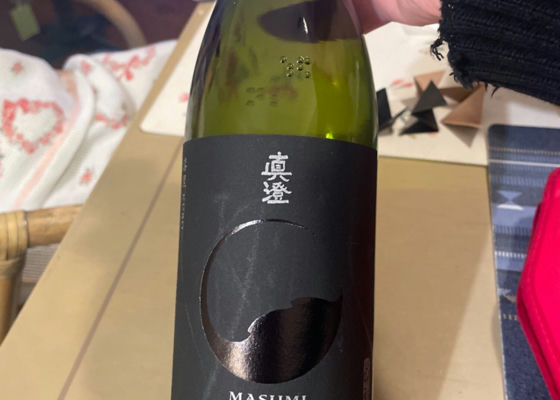
Masumi, it feels jet black, continuing the trend of the best-selling dry sake Nama Ippon.
It is a quality and robust sake that honestly follows the light and dry taste.
It has a modest aroma and taste that never comes out too much and never interferes with meals.
A classic food sake that makes the most of the No. 7 yeast.
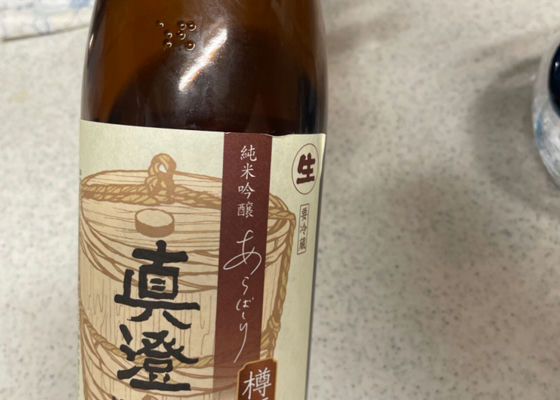
This sake is a limited-edition arabashiri that has been carefully cured in cedar barrels for several days to give it a woody aroma. Although it does not have a gorgeous aroma, it has a robust quality, sweetness, bitterness on the side of the tongue, and its specialty of light and dry taste. It can be served not only with Japanese food, but also with Italian and French food.
A nice fruity aroma that is not too ricey is the first thing that comes over you. It has a gentle sweetness and a mysterious edgy grape flavor, or something like that.
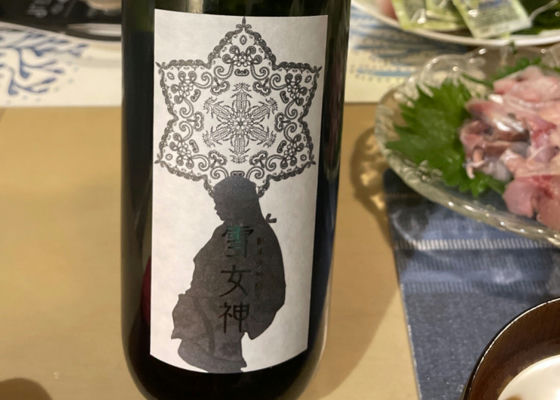
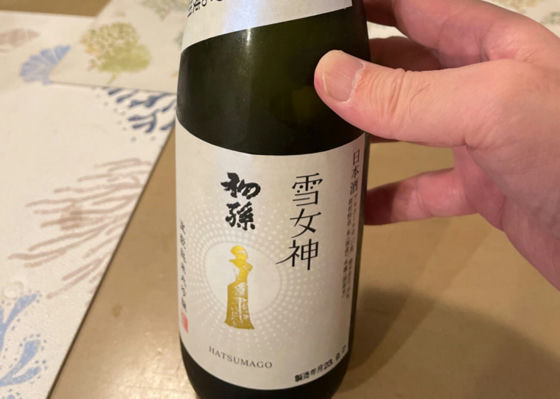
I applaud the excellent production, which again shows the deep depth and awesomeness of the Snow Goddess.
This sake brewery uses 100% Yamadanishiki rice grown in-house, and their sake is basically rich.
This Junmai Daiginjo is not light and fruity, but rather mellow and rich, almost Junmai-like.
Kame-no-o is said to be a phantom rice. Compared to the other sake brewed by another sake brewer, this one has a full-bodied junmai sweetness and richness, but the aroma has a gorgeous, well-honed aroma comparable to that of ginjoshu. The taste is not only rich and thick as Junmai, but also light and smooth.
100% Kame-no-o, a rare rice. A comparison set of Kame-no-o and Asahi, the roots of many rice varieties, was procured through Furusato Tax.
This one has a tangy entrance mouthfeel, and a
It is a gusty, conservative mainstream sake that is thick like a good honjozo, the quintessence of dry sake.
After opening the package, let it sit for a few days before drinking.
It is both mellow and gorgeous at the same time.
The aroma and flavor of the refined brewer's alcohol further enhances the Yamada-Nishiki.
This sake won the gold medal at the Sake Awards three years in a row.
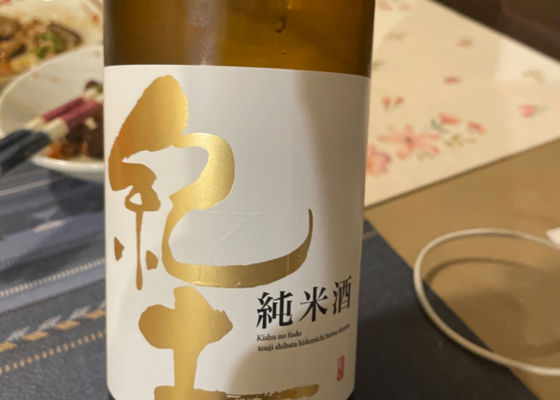
The name "Kido" comes from the meaning of the climate of Kishu. It is brewed with groundwater nurtured in the land at the foot of the mountains.
When you put your nose close to the sake cup, you can smell the sweet aroma of rice. When you take it into your mouth, you can feel the richness of the thick, thick texture that is unique to junmai sake and is not found in ginjo-shu.
Despite this, it has a soft mouthfeel that is not too heavy.
It is well made.
2018 IWC Gold Medal, Junmai Daiginjo made with 100% Yuki Megami
This ginjo has a gorgeous aroma and deep flavor, brewed using a natural lactic acid bacteria.
The entrance is smooth and thick, and looking back on it now, I wonder what it is that comes from the lactobacillus that is unique to the Namo yeast.
It is truly a magnificent sake like a goddess worthy of the name "Yuki-Megami.
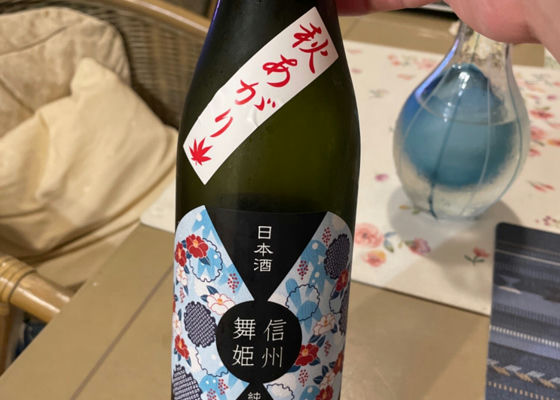
Dry, not sweet.
It is a light and dry sake that only Shinshu can offer. It is a sake to be savored on a long autumn evening while roasting matsutake mushrooms on a shichirin on the porch, squeezing sudachi (a Japanese citrus fruit) and smelling the aroma 🍶.
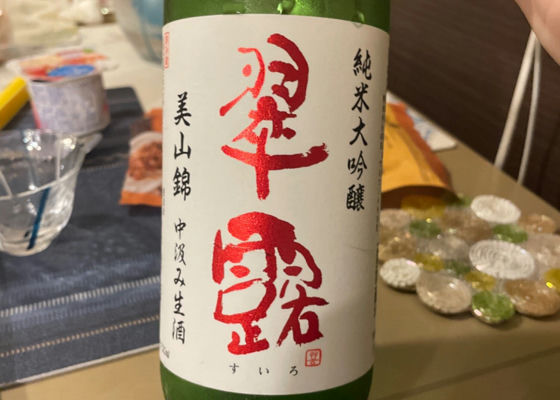
Miyamanishiki Nakakumi Nama Sake. The full aroma when opening the bottle, the acidity in the mouth, the bitterness on the side of the tongue, and the clean and refreshing taste with no cloying taste due to the Nakakumi method, made me hesitate over which one to choose over the Omachi.
But after tasting it, I decided to go for this one. This bitterness is a taste unique to this rice that does not appear in Omachi or Yamada-Nishiki.