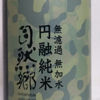
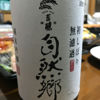
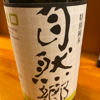
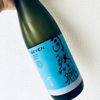
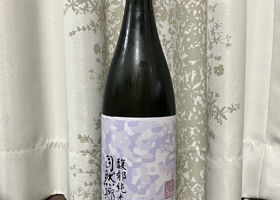
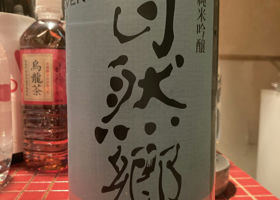
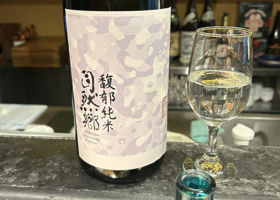
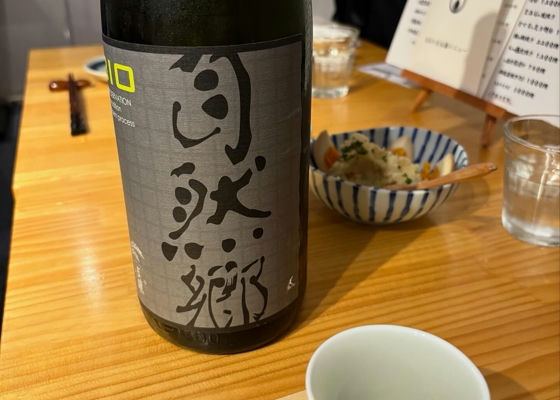
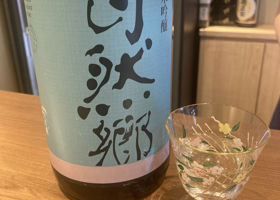
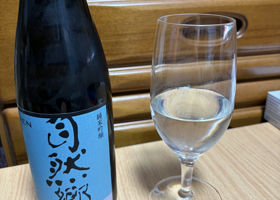
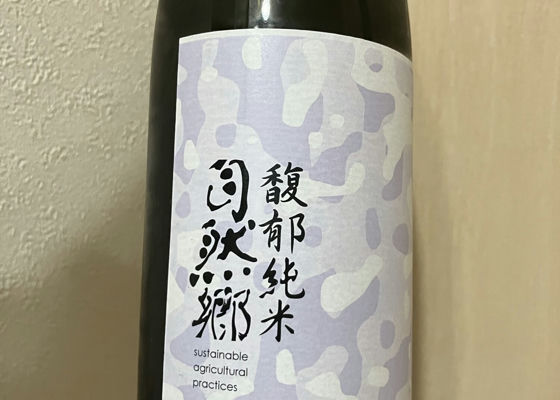
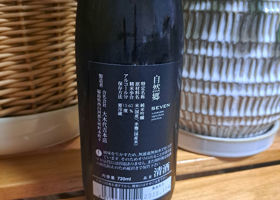
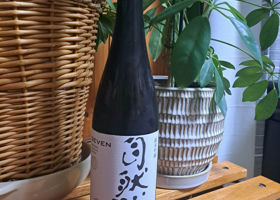
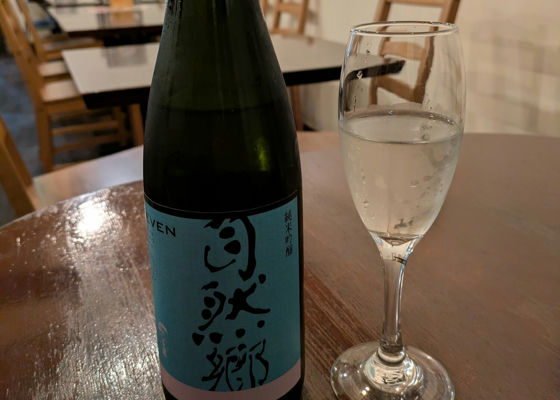
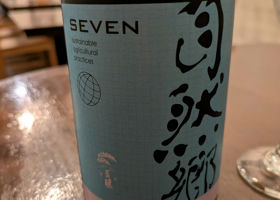
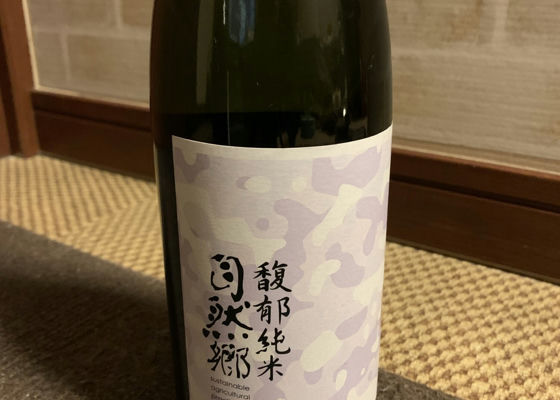
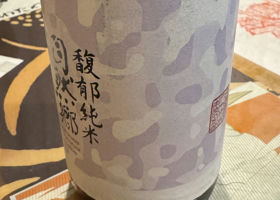
The New Year mood has faded, back to normal mode at Shizenkyo. The aroma seems a bit subdued. But once it hits your palate, the fragrance is lovely. A balance of sweetness and bitterness. You'll want to drink it again and again. Rich and fragrant—a deliciousness where a fine aroma lingers. Exactly.
natural surroundings
A bottle drunk at New Year's.
The same brewer as the instrument.
It is fruity and easy to drink. It is delicious!
The aftertaste is clean and crisp, just like Arahashiri, and I drank it in gulps!
I preferred this to the instrumental version.
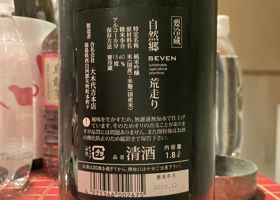
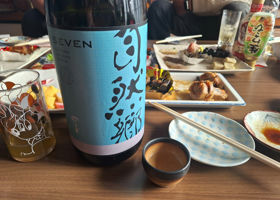
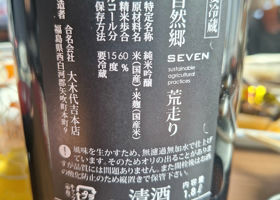
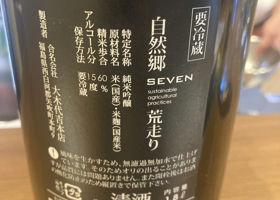
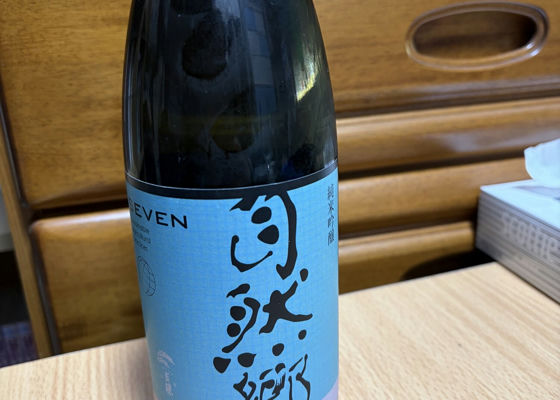
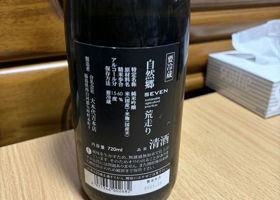
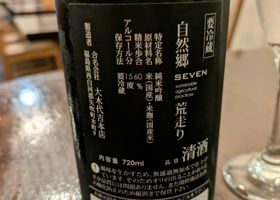
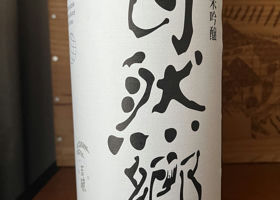
▶︎9. Shizenigo SEVEN Arahashiri Junmai Ginjo
Another brand of the brewery that brews the famous sake
Another brand of the brewery
Fruity aroma and delicious rice flavor.
It has a fruity aroma and the delicious taste of rice.
It is characterized by its fruity aroma and delicious rice flavor with a crisp and tight aftertaste
Balance and serenity
and tenderness, and a sense of depth.
Only the first part (rough running) flows out after pressing the mash.
Only the first part (rough run)
only the first part is bottled.
Sake Stand Hashiwado Tamachi
Tamachi
Sun. Thursday
Sake Tasting" (60min.).
20 kinds of sake tasting (60 minutes).
for the sake tasting
First time to visit on Sunday, 1/4.
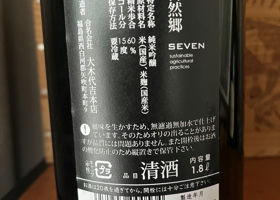
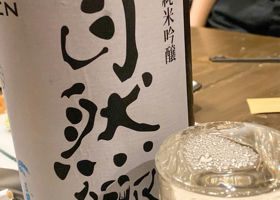
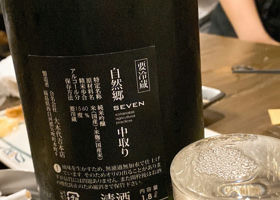
This is a Junmai Ginjo-Unfiltered, Unpasteurized Arabashiri from Shizenigo Seven.
The aroma is clean and sweet with a hint of acidity. As you drink it, the mouthfeel is light-bodied, but it becomes fuller on the palate. However, there is no harshness in the aftertaste, so it is a sake that can be enjoyed on its own.
I think I have had about 2 bottles of the instrument Masamune. I like it because it tastes so good that I don't think it is alsobeye, but I think it is a little sweet. The staff at Isego recommended it to me and I bought it. I opened the bottle on New Year's Eve with full anticipation.
Oddly enough, the two Junmai-shu are the same with 60% polished rice and 15% alcohol.
It was an easy to understand comparison that showed the tendency of each brewery.
This one has a slightly sweeter aroma and a slightly thicker weight and sweetness, but it does not leave a bad taste.
Nice to meet you! This is the big brother of the instrumental Masamune! I had heard rumors, but it did not disappoint, sweet aroma and a clean, clear and non-sticky aftertaste. It was a perfect match with seri nabe😊.
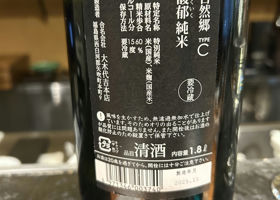
This special junmai sake is brewed using a nama-moto sake mother grown using a proprietary method. This sake is characterized by a good balance of sharp sweetness and umami in the aftertaste and acidity derived from the action of lactic acid bacteria.
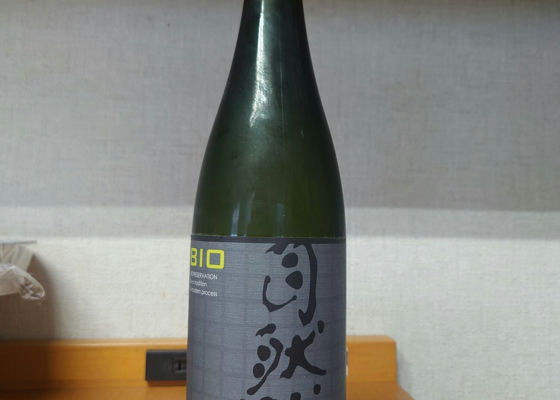
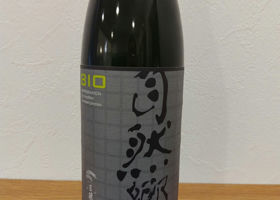
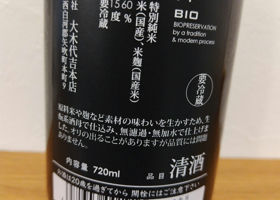
It is made from pesticide-free sake rice grown by contract farmers, and its concept is to be served with food, so the original flavor of the rice, the sweetness of the koji (malted rice), and the gorgeousness of the yeast come alive. This junmai sake has an excellent balance of juicy, sweetness and acidity with a petit, slightly effervescent taste. It also has a modern flavor BIO with a light acidity in a natural hometown.
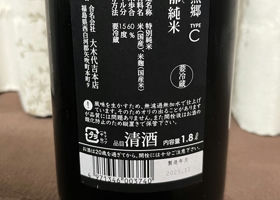
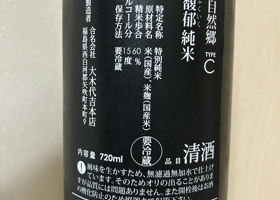
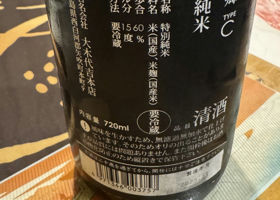
Ingredients: Yumenoka Polishing ratio: 60% Alcohol: 16% Sake type: Tokubetsu Junmai
It is round from the start, and the roundness increases as it goes on. It is very easy to drink.
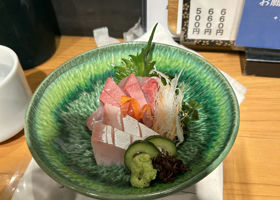
Personally, I like it with just raw vegetables and cheese. I like heavy sips, but this one is a no-brainer 😋.
I recommend it 👍
After opening the bottle, the aroma is like that of hardened white peaches.
The moment it enters the mouth, the slightly sweet flavor spreads gently.
It has a clean impression with no cloying taste, and it wears off while leaving a slight sourness.
It is a delicious sake that becomes even more pronounced when warmed to lukewarm.