Peach from banana, aroma restrained
Acid is soft acid
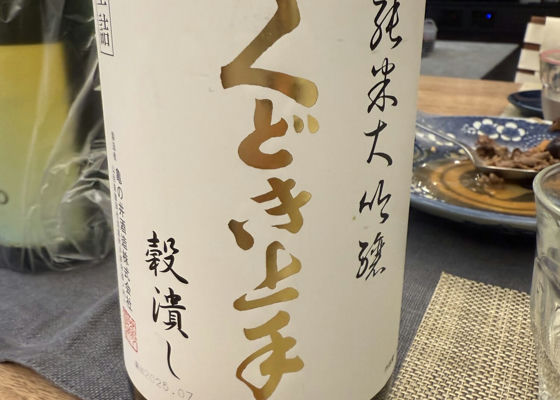
Junmai Ginjo cold wholesale, made from 55% polished rice of Kuranohana from Miyagi Prefecture. The mild aroma, reminiscent of banana and melon, quickly spreads and disappears, and the beautiful acidity creates a refreshing taste. The lightness of the aroma has been enhanced with a sense of concentration and softness through moderate aging over the summer. Enjoy this "ultimate food sake" with delicious autumn dishes.
Aroma is restrained
The color is yellowish.
Slightly acidic, with a hint of grapefruit, but well balanced with the koji, and the taste of rice remains.
The softness has a sense of depth. It is best when it is not too cold, but when the temperature returns to normal. The umami of the rice gradually comes out. The taste of rice gradually wells up. The elegant aroma, soft mouthfeel, and light aftertaste are very good. Among the Kikusen series, it is especially popular among women and those who are just starting out in the world of sake. It is a gentle "Shizuoka-style" junmai ginjo sake with low acidity, and is a representative sake of Kikusen.
Floral aroma, a little bit of honey nuance.
Sweet but slightly bitter aftertaste (slightly bitter)
Alcohol level 15
Polishing 55
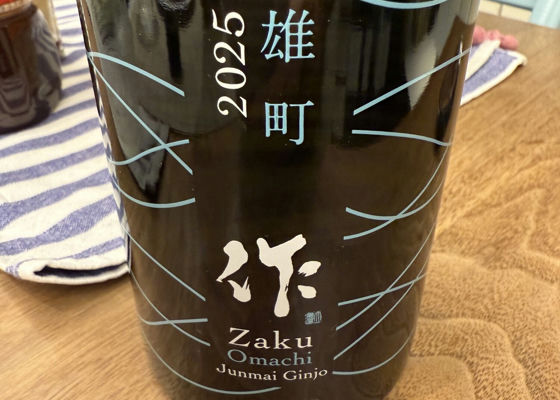
This junmai ginjo was made using Omachi from the Akaban area of Okayama Prefecture. It has a ripe, fruity aroma with a soft and smooth taste. The pleasant acidity tightens the taste and gives it an elegant aftertaste.
Citrus, as in fruit
Grapefruit-like
Refreshing and pleasant to drink
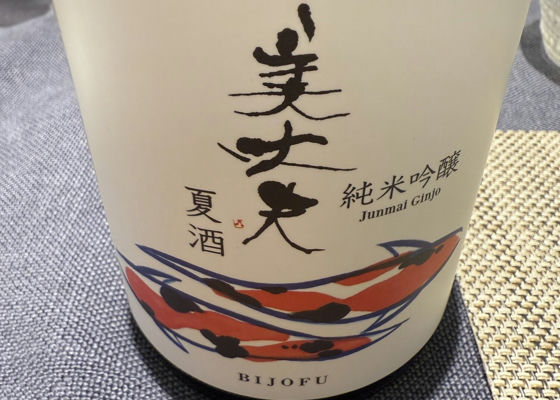
A summer-only version of Bikuyo's signature junmai ginjo. The label features a graceful Nishikigoi carp motif that is uniquely Japanese. The aroma is reminiscent of fresh tropical fruits such as pineapple and lychee, and the flavor and acidity of the rice are in harmony in this junmai ginjo for food. Pairings include Kochi's signature bonito tataki with salt, as well as marinated summer vegetables, cold pork shabu-shabu, and other refreshing and flavorful dishes. Like Nishikigoi, which become more active from spring to summer, enjoy its bright, rich sake quality and color with food.
Slightly sparkling, slightly spicy
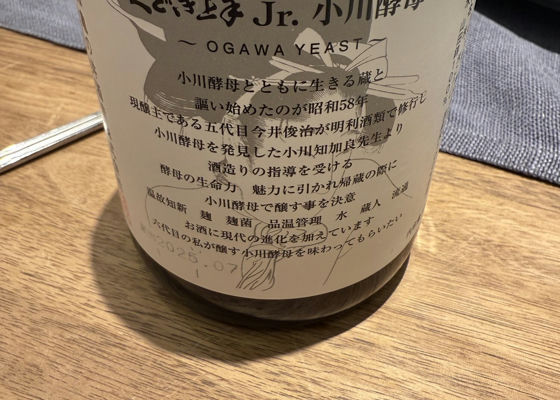
In 1952, Dr. Chikara Ogawa, a researcher and vice president of Meiri Sake Brewery Co., discovered Ogawa yeast from moromi collected from sake breweries throughout Tohoku. The current brewer, Toshiharu Imai, the fifth generation, received sake brewing instruction from Dr. Ogawa at Meiri Sake Brewery.
Drawn by the vitality and charm of the yeast, Mr. Imai decided to brew with Ogawa yeast, and in 1983, he began claiming to be a brewery that lived together with Ogawa yeast. He learned the characteristics of Ogawa yeast, and from the start of brewing to pressing, it takes 24 to 5 days, checking and building up more than 100 checkpoints. Drawn by the vitality and charm of the yeast, the process of adding modern evolution to sake has been taken over by Toshinori Imai VI, Jr. of the fifth generation.
Taste with complexity, maybe slightly fruity.
more like a favorite
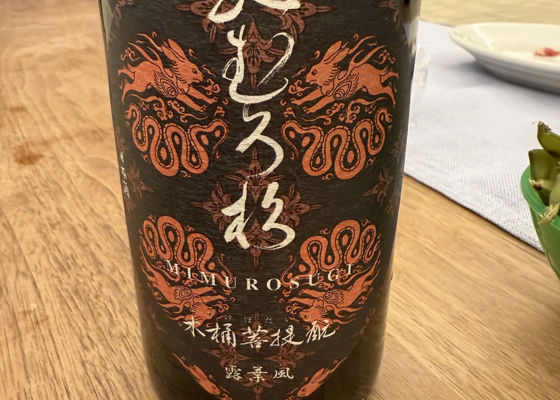
In addition to the clear and smooth mouthfeel that has been thoroughly pursued, the strength and thickness of the flavor derived from soyashi water, and the complex flavor and aroma created by the microorganisms that live in the wooden vat, seemingly conflicting elements create a perfect harmony through the power of Miwa brewing water, the brewing water that resides in the sake god.
The initial aroma has a gentle, ripe, melon-like aroma. In the mouth, the soft sweetness of rice like cotton candy and the complex richness of dewy-leaf style rice spread out, and in the latter half, they converge with a powerful yet pleasant acidity.
Slightly effervescent, melon taste, quite sweet, not refreshing.
Might be good with tempura or something.
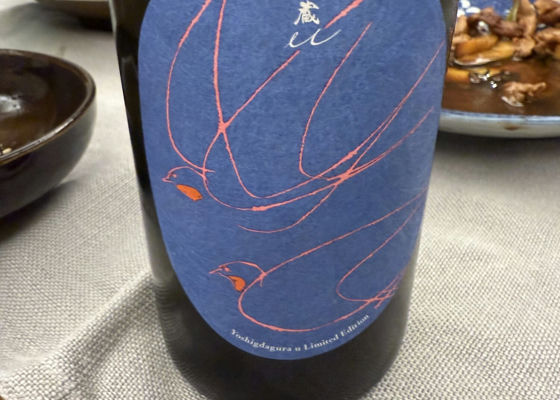
A low-alcohol Yamahai kijoshu made with "Yoshida Kurau Ishikawamon" as part of the brewing water. Despite being a kijo-zake, it is characterized by its light, fresh, and refreshing taste. The gentle sweetness of the sake rice "Ishikawamon" is harmonized with the soft acidity and umami from the fermentation process, creating a bottle that is much easier to drink while retaining the depth of a kijoshu. Chilled and light. Please try this new style of kijo-zake.
Yum!
Sake strength is +3, but it's not spicy.
It has a strong rice flavor and a little sweetness.
The late Shokichi Hase (1932-2009) was the first of the Four Heavenly Kings of Noto Toji, and served as the toji of Doi Sake Brewery for 40 years from 1968. Today, it is not uncommon to find products bearing the toji's name, but Kaiun Daiginjo Den Hase Shokichi is said to be the first sake to bear the toji's name.
This sake is brewed by Toji Haiba, who was trained by Toji Hase for a long time and inherited his Noto style techniques, and is positioned as Doi Shuzojo's flagship sake. A very small amount of brewing alcohol is added to the finish to give it a refreshing taste.
A blend of Koi Omachi and Yamadanishiki.
Floral and milky, but I didn't like it much.
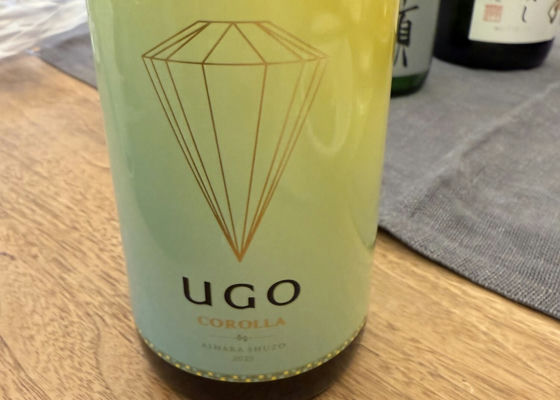
First in the UGO series to use Koiomachi, an ambitious rice for sake brewing.
It has a fresh fruity aroma of delaware and pear, with floral and milky nuances reminiscent of figs. The clean, elegant taste with a moderate sweetness is complemented by a bright acidity and bitterness reminiscent of oranges.
 zjYSYGNDB0