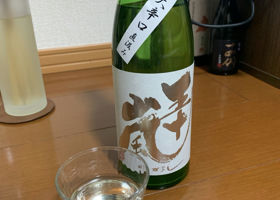
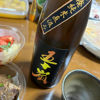
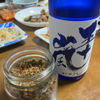
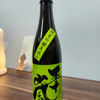
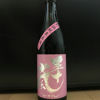
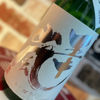
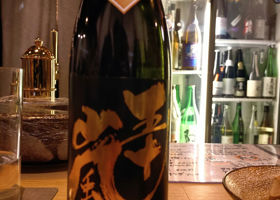
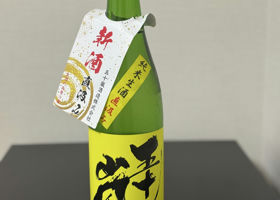
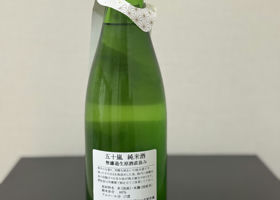
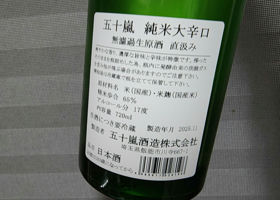
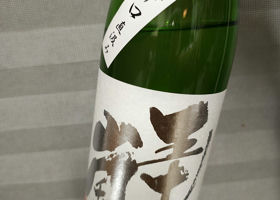
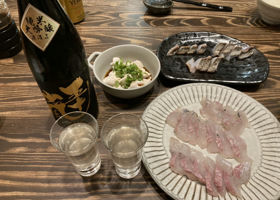
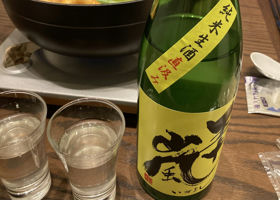
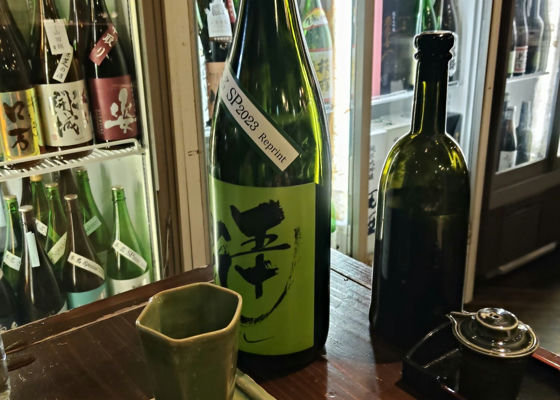
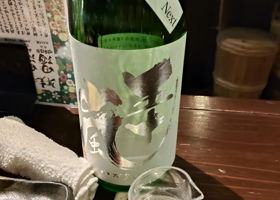
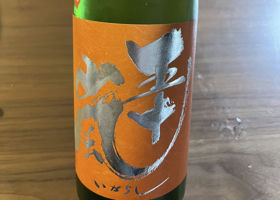
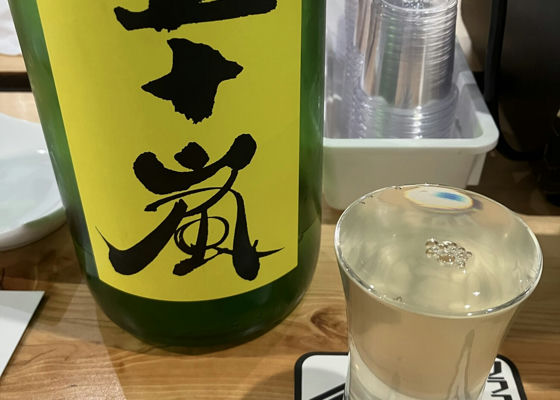
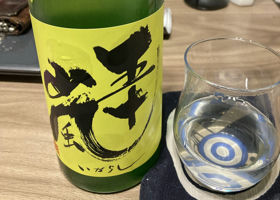
This is my first Igarashi.
Melon flavor turned into light complexity.
The aftertaste seemed long.
I thought I had to drink this sake at least once.
I had to drink this sake at least once.
The reason is simple 😅.
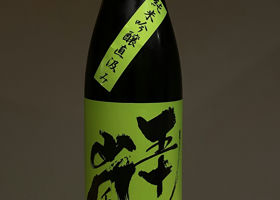
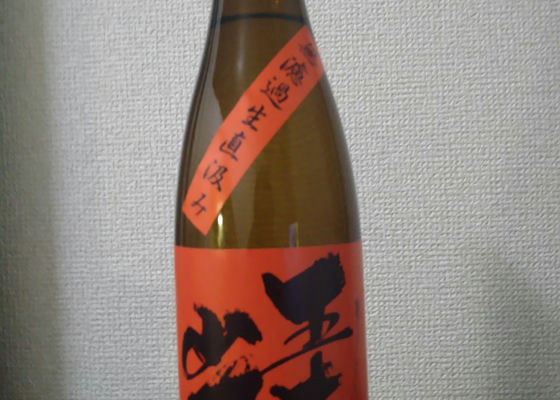
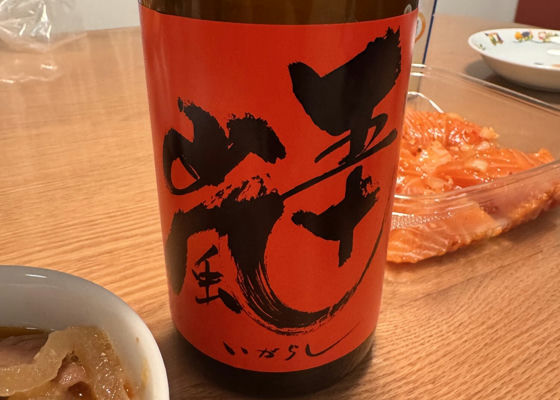
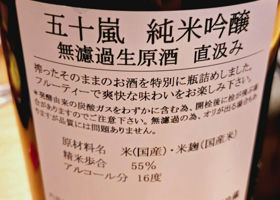
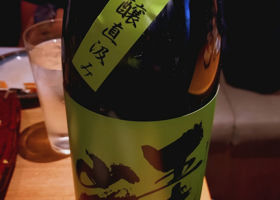
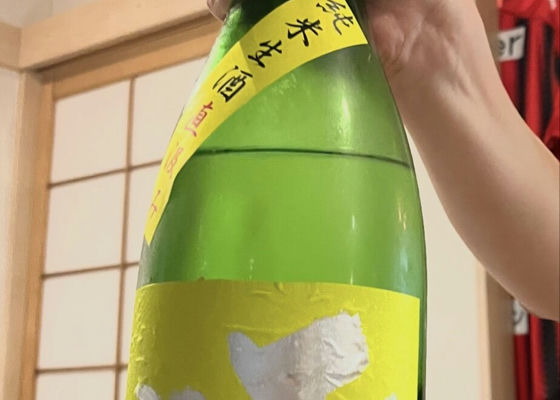
Igarashi Junmai Daiginjo Ginga Naokumi-Nihonkunshu
Rated 4.4
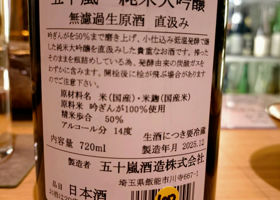
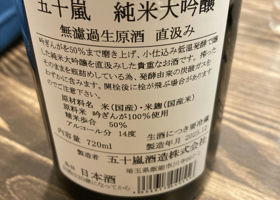
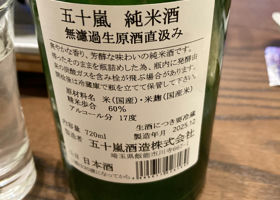
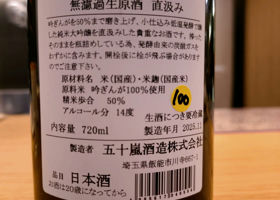
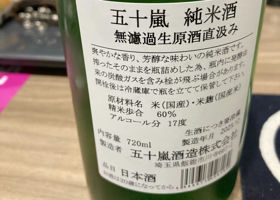
Sake rice: Ginginga produced in Iwate Prefecture, alcohol content: 14%, rice polishing ratio: 50%.
A limited series of sake made in very small quantities and hand-packed one by one from freshly pressed sake. This limited-edition sake is brewed using Iwate Prefecture's "Ginginga" sake rice in a small brewing process that is equivalent to that used at sake competitions. It has a gorgeous aroma and elegant sweetness.
Fruity citrus-like aroma with a slightly thick and strong attack.
It is described as very dry, but it is also gorgeous and has a touch of sweetness. It has a sharpness. I think sake is the best sake for Osechi. Sashimi is good, but I don't think it would go well with lightly smoked Tasmanian salmon, an Italian hors d'oeuvre.
3.8
Slightly effervescent
Very smooth and watery. Slightly spicy
The umami component on the tongue sticks strongly to the palate. Strongly tasting "flavor".
It has little sweetness and fullness, and is more umami and dashi type. It also has bitterness. Suitable for eating.
A bottle I wanted to try.
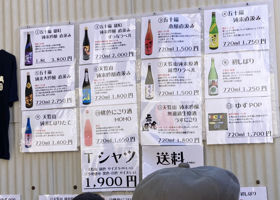
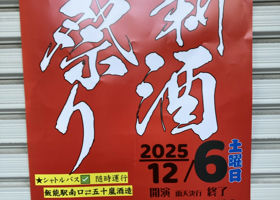
I got it at a different liquor store than usual.
As with yesterday, there is a series of sake that looks like a surname,
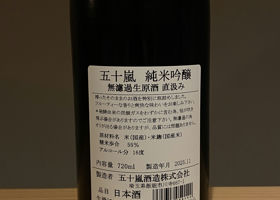
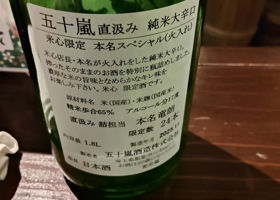
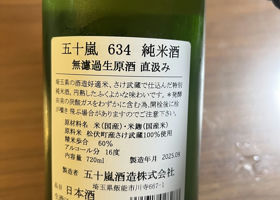
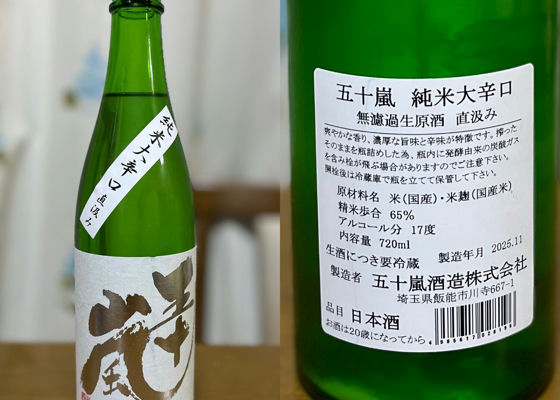
The sake rice is sake musashi from Saitama Prefecture. So that's why it's called Rokusanshi. Even if you tell me the rice, I can't tell the difference 🤷♂️.
Igarashi Junmai Daiginjo Gin Ginga Naokumi-Nihonkunshu
Rating 4.4-4.5
Sake rice: Ginginga, grown in Iwate Prefecture, alcohol content: 14%, rice polishing ratio: 50%, type: Nama-shu
This is a limited series of sake made in very small quantities and hand-packed one by one from freshly pressed sake. This limited edition sake is brewed using Iwate Prefecture's "Ginginga" sake rice and brewed in a small brewing process to match the quality of the sake at the sake competition. It has a gorgeous aroma and elegant sweetness. It has a fresh yet mild taste. After pressing, the sake is bottled directly from the press without exposing it to air as much as possible. The lively flavor is preserved in the bottle.