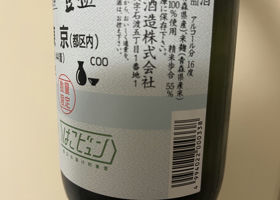
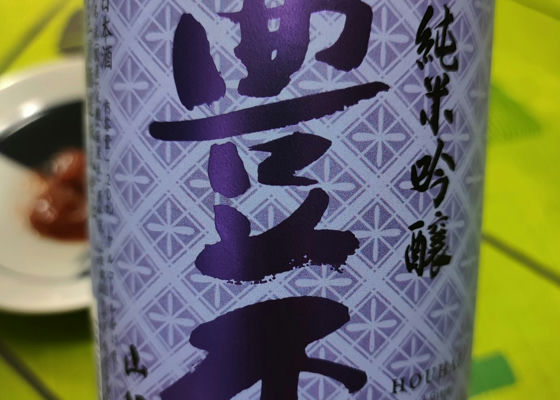
At my favorite liquor store, I asked if there was any easy-to-drink heated sake that they would recommend since it was getting cold. He recommended Koigawa, Kyo-no-Haru, and Toyobai.
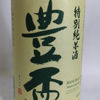
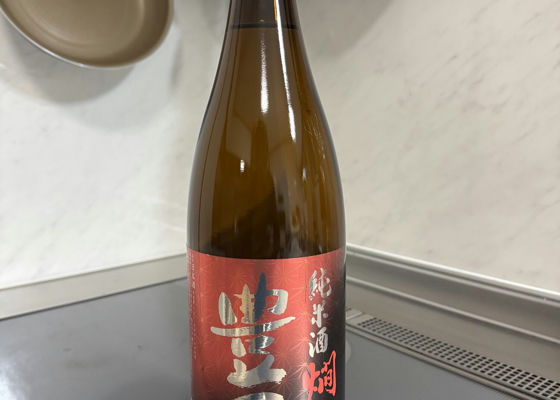
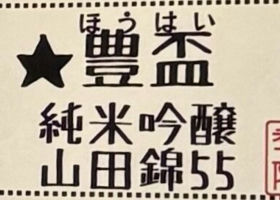
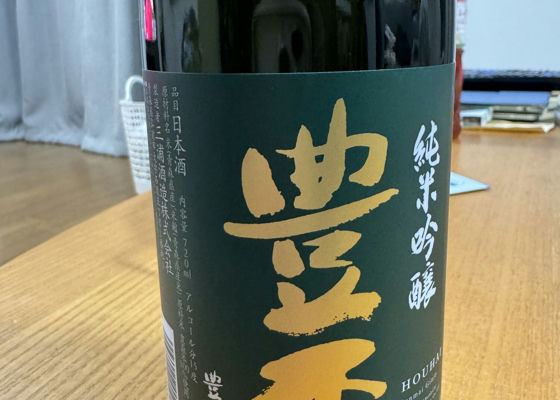
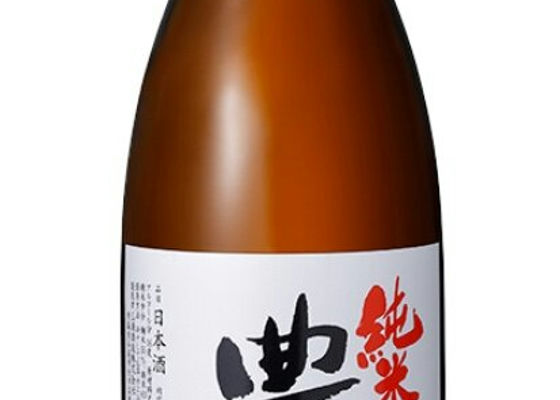
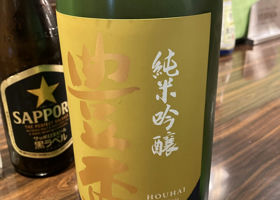
I chose the "Toyobai Junmai Shu Kanzite" as he recommended it as the easiest introductory sake to drink.
We bought it in a bottle because it is twice-heated and never kept refrigerated, and we were told that heated sake is easy to sake up.
Immediately after opening the bottle, I warmed it too much and the flavor of the sake was lost, so the second time I heated it slightly lukewarm, which enhanced the flavor and aroma and made it lighter and more delicious to drink.
We were told that temperature is important for heated sake, so we purchased a bottle of Kanmakase at our favorite liquor store, and now we can enjoy heated sake even better.
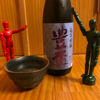
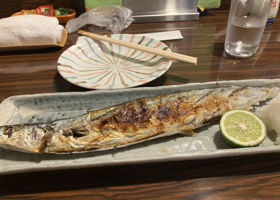
It was slightly dry and tasted great with snacks!
By the way, on the far left is Mutsu Hachisen Bon Serve Yogurt Liqueur. It was a very tasty alcohol-infused drinkable yogurt.
#Jizhu-an Sato
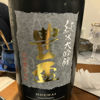
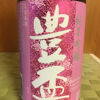
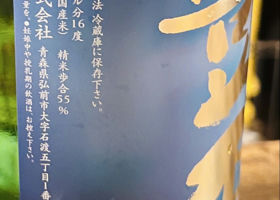
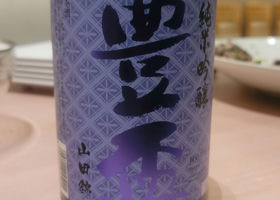
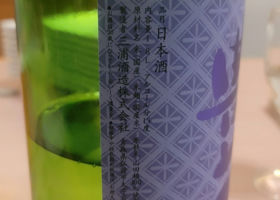
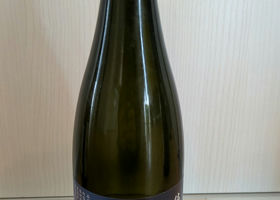
A gift from the company's year-end party. I jumped at the chance to try a sake from Aomori, which I had never had before. It is a sake brewery in Hirosaki, and the brand name is derived from the sake rice of the same name. When I think about it, it is a pity that it is Yamada-Nishiki (^-^-zu).
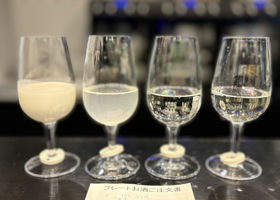
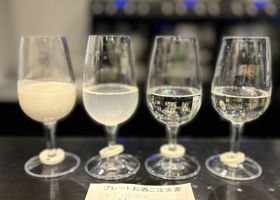
When I poured it into a wine glass, it had a sweet aroma. The sweetness is good at almost room temperature. I imagine it would be sharper if it were cooled down, but I enjoyed it because I thought it had a full flavor that is only possible at this temperature range.
.
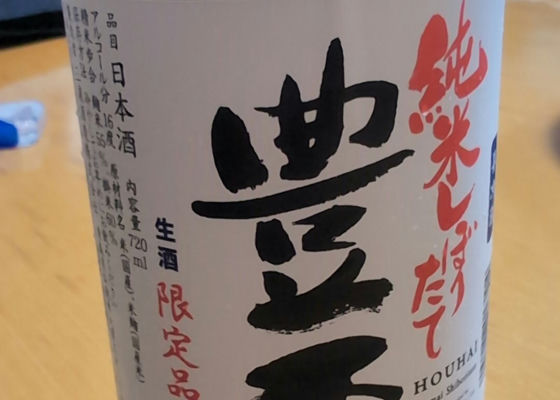
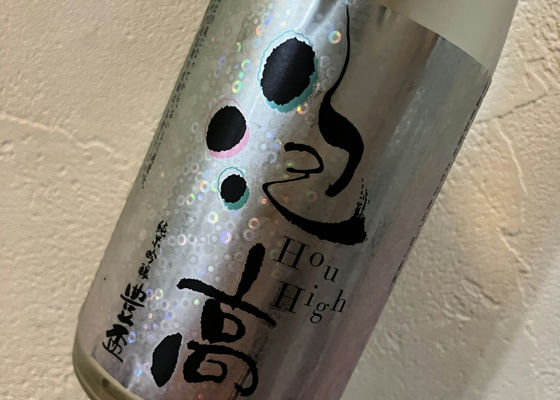
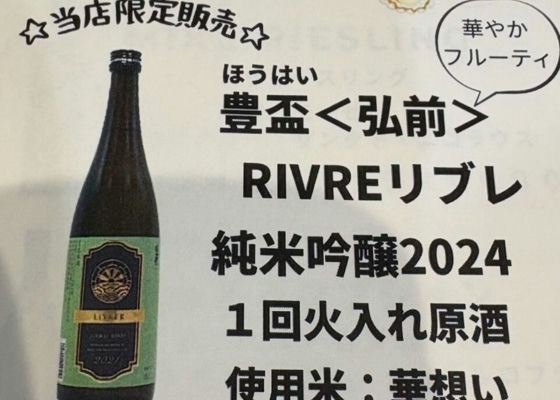
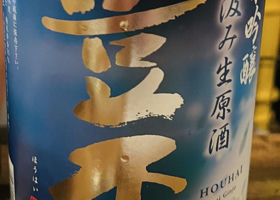
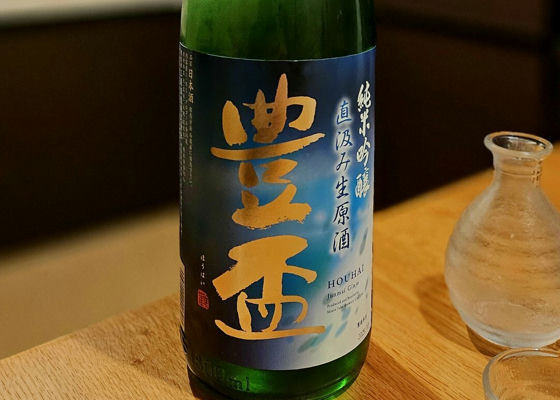
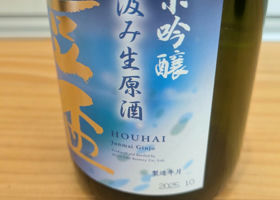
First time at Toyobai.
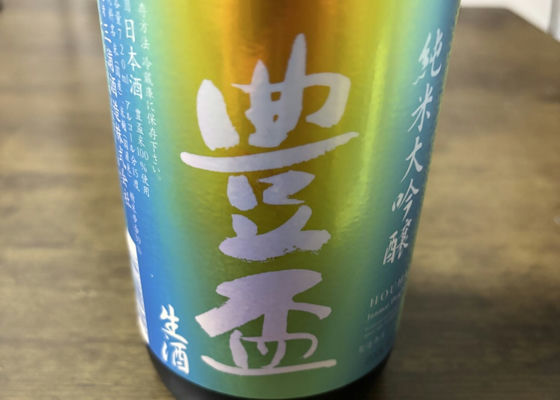
I was under the impression that this sake is best served warmed, but I had it cold as recommended 😋.
Oh 😍, it's so good ‼️
It has a light sweetness and a fruity taste that is totally different from what I imagined 😅.
I really enjoyed the freshness that only new sake can have.
Good morning, N.E. 😃.
Oh.......! Unexpectedly, congratulations on your first Toyobai ㊗️ 🎉We were addicted to Toyobai for a while 🤗All of them are good so please try them all 👋
Good evening, Jay & Nobby 😆.
I thought you were drinking Toyobai, but it was your first time 😅.
I had heard from a friend that it was good warmed up, so I assumed it was the full-bodied type, but it's really good. ‼️
I'm convinced I'm addicted to it: ☝️