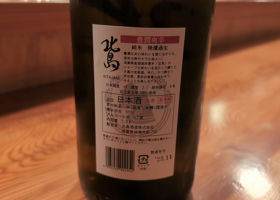
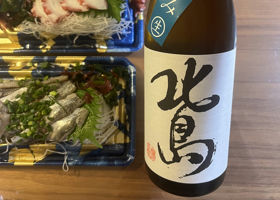
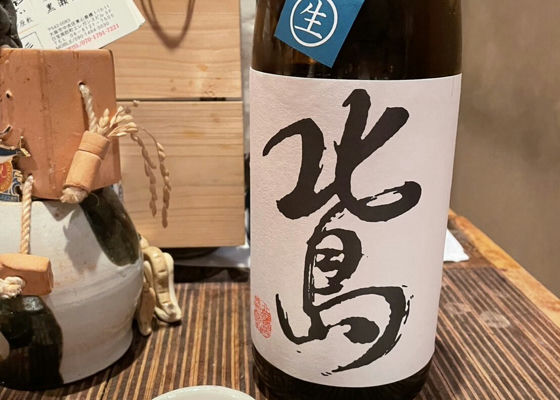
I've been interested in Kitajima since last year.
It has a fresh body with a hint of gas and a pleasant citrus-like acidity🍊.
The bitterness comes at the end, so it can be used as a food wine as well.
I became a big fan at once. ☺️
Jay & Nobby, you are quintessential!
Of course I love meagre brands, but w
I want to be a drinker who can talk about these brands...
I will keep referring to your posts 🙇.
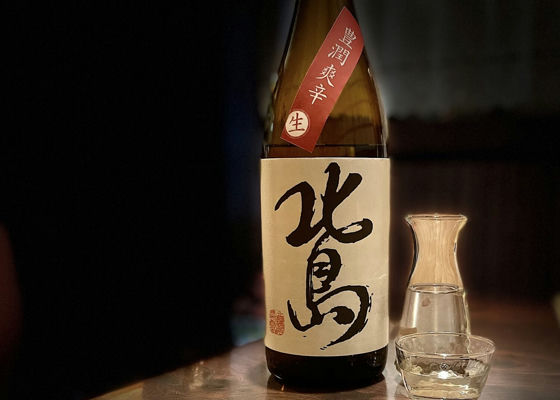
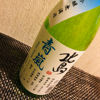
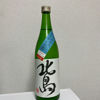
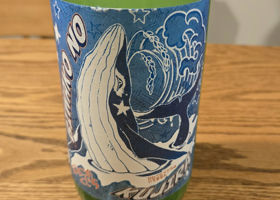
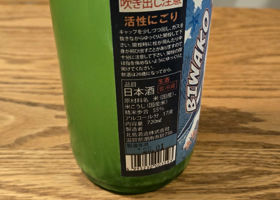
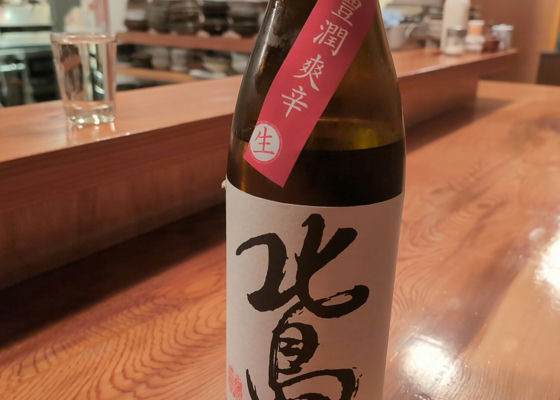
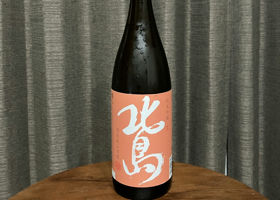
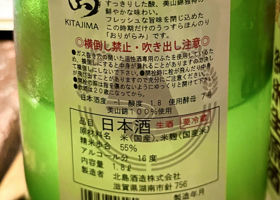
Junmai Ginjo Dry Taste Fully Fermented Hatsu Shibori Nama Shibori
It has a sharpness. The aftertaste has a delicious rice flavor. It is fully fermented, but there is still some sweetness.
Subdued but mellow rice aroma.
Contains cooked rice, Japanese pear, and a faint hint of sericin.
Dry, sharp, clear mouthfeel.
The umami has a good density.
It is sharp and crisp.
Spicy and delicious.
Taste 4/5 stars.
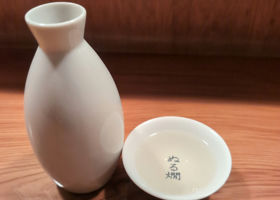
Warmed sake
A nice mix of rice flavor and lactic acidity.
I was told by the liquor store that it goes well with Chinese food, so we had it with mapo tofu 😃I see what you mean, heated sake is very interesting!
I like it ⒋5/5
Hot, hot sake.
It has a citrus-like acidity and bitterness, followed by a dry rice flavor,
The sweet umami flavor of rice and koji mold comes in,
The umami comes in a big push.
There is also a hint of cooked chestnuts and herbs in the back.
The texture is sharp and dry with some acidity.
Modern.
It is good by itself,
It is even better with yuzu miso.
4/5 stars for my taste.
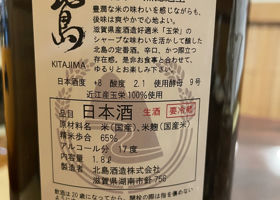
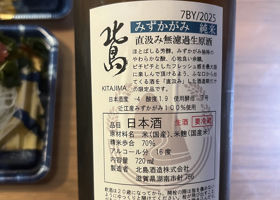
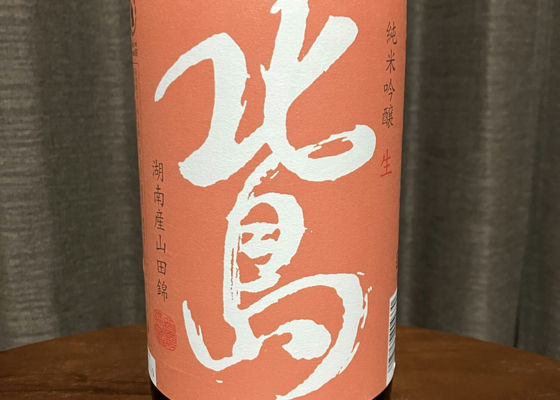
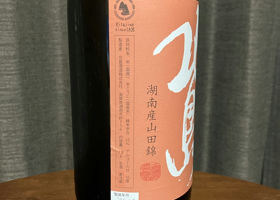
Yamadanishiki produced in Konan, Shiga Prefecture
Junmai Ginjyo Nama Sake that has been aged for more than six months
Calm and gently fragrant
Great transparency at the entrance
It passes smoothly like water.
and citrusy acidity that overlaps at the same time.
While sparing the aftertaste of umami
It is typical of Kitajima that it finishes gracefully.
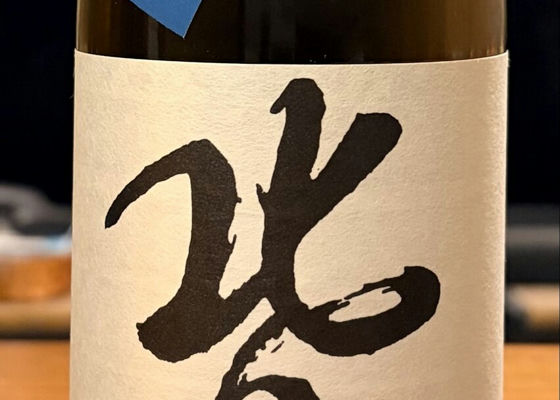
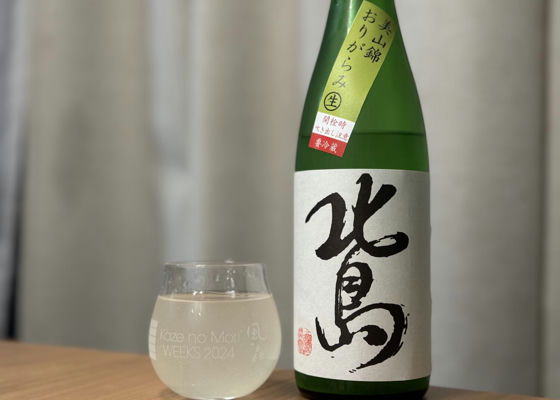
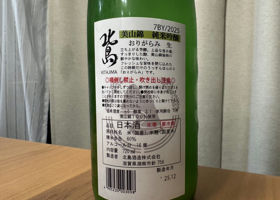
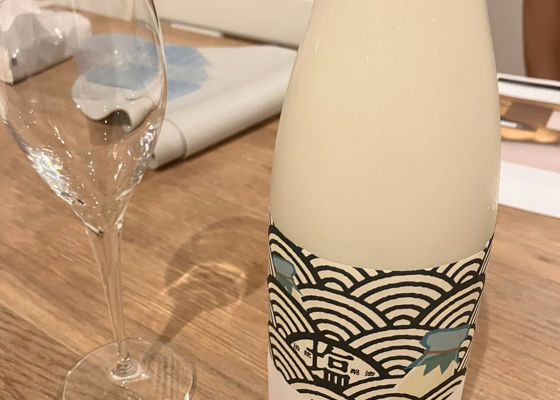
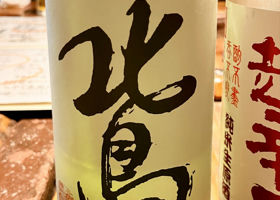
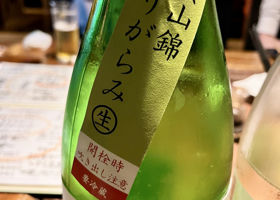
Junmai Ginjo🍶Origarami Nama Sake✨Miyama Nishiki🌾.
A little schwar🫧, a little dry. Slightly dry, but light. Easy to pair with a meal.
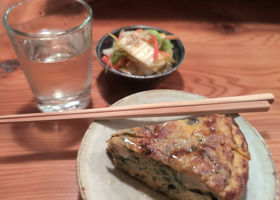
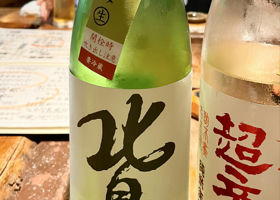
Drunken Floor Bonten @ Takadanobaba 20250312
This is my first time 🍶😋.
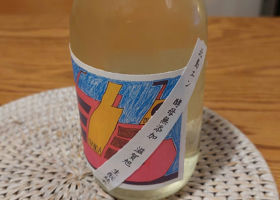
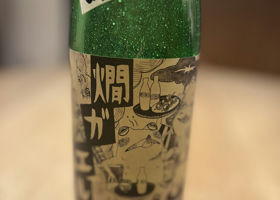
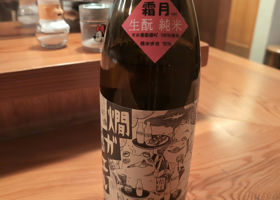
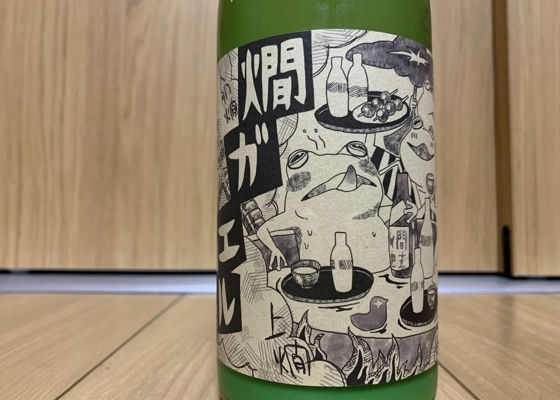
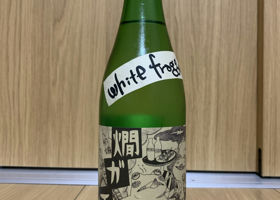
I've always wanted to drink heated sake and was curious about the frog 🐸 on the label, so I finally got to try it 😉.
When served lukewarm with the lees mixed in, it tasted extremely sour and tangy, but as I raised the temperature it seemed to calm down a bit 🤔.
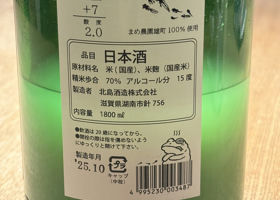
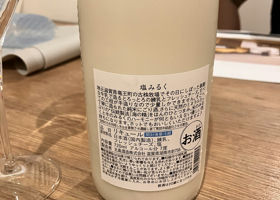
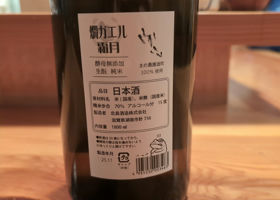
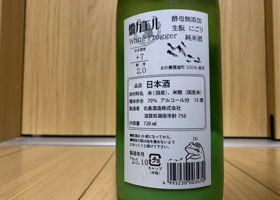
Alcohol content: 15%.
Rice polishing ratio: 70%.
Sake degree: +7
Acidity: 2.0
Rice used: 100% Mame-noen Omachi
Yeast: No additives