Happy New Year 🎍🌅.
We look forward to working with you in the new year🙇🙇.
This year I will actively participate in sake events, especially sake brewery openings in the Kansai region😊.
I will also participate in the dawn of young people ✊.
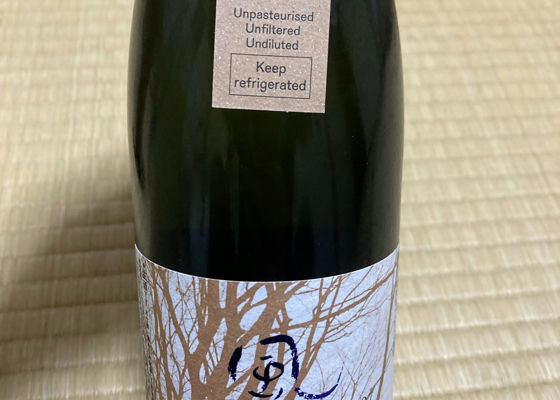
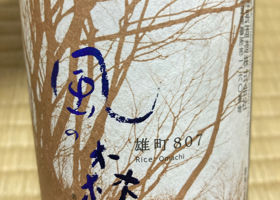
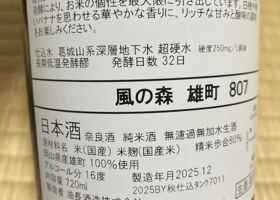
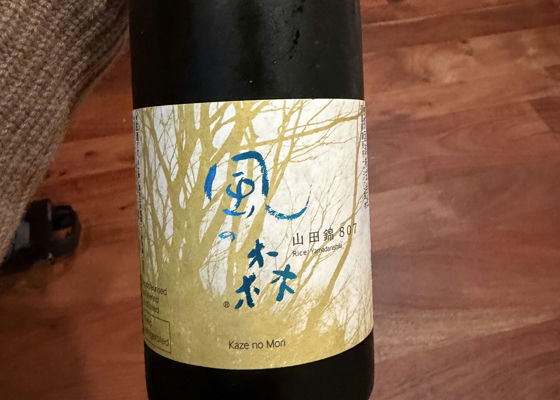
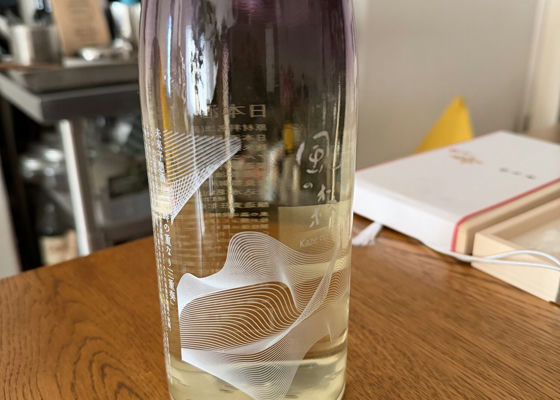
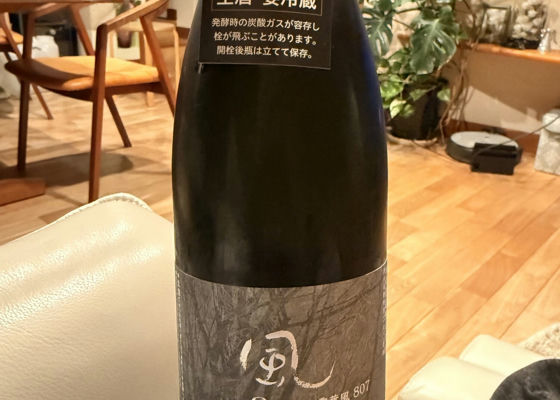
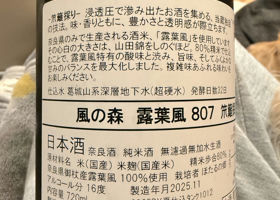
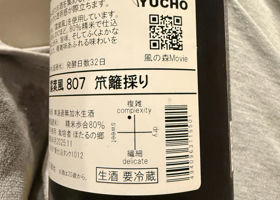
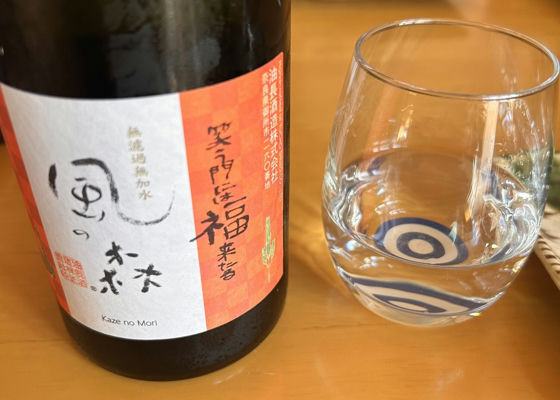
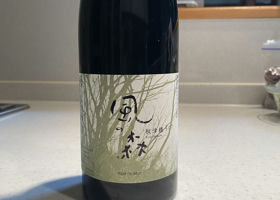
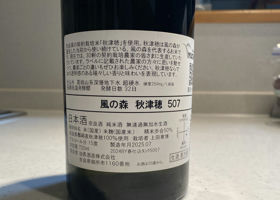
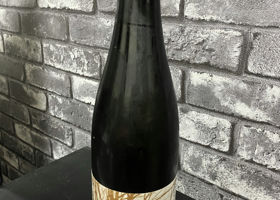
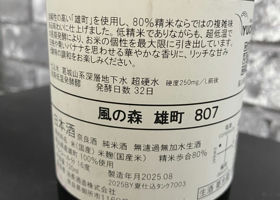
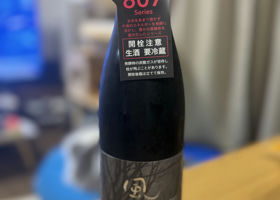
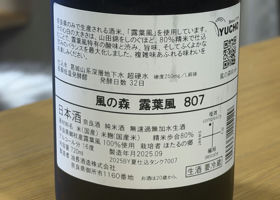
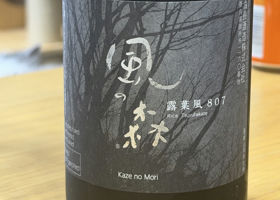
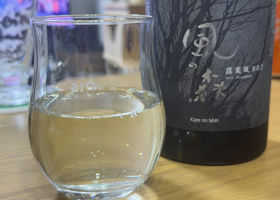
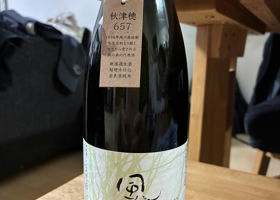
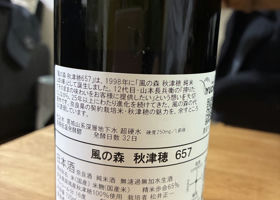
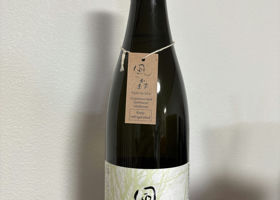
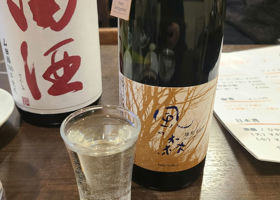
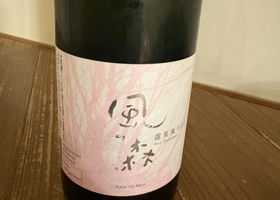
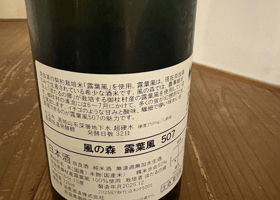
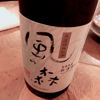
2026 first sake will be Kaze no Mori ♪
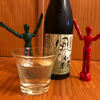
Cold sake.
Aroma of tropical fruits and citrus
Slightly hard on the palate with a touch of gas.
Sourness on the palate finishes with a pleasant aftertaste.
Short aftertaste.
Happy New Year to you, Eiji 🎍.
I look forward to working with you in the new year 🐎.
Checking in on Kansai's sake brewery openings and sake events, I'm looking forward to it now 😊.
I'm jealous that you didn't get to drink Kaze no Mori's Laughing Gate Raifuku🍶 this year 🤤.
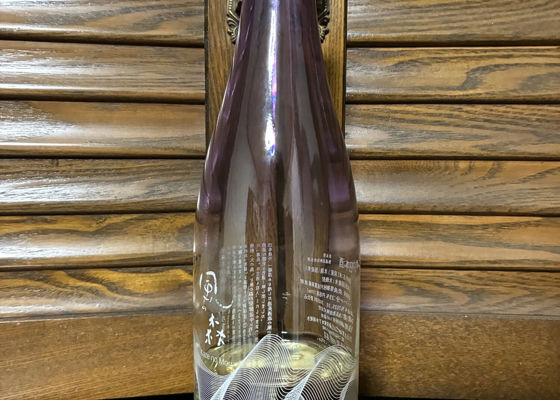
When I opened it, the bonded aroma and fizziness was strong, and I felt like 😳 but as time went by, it became easier to drink for me.
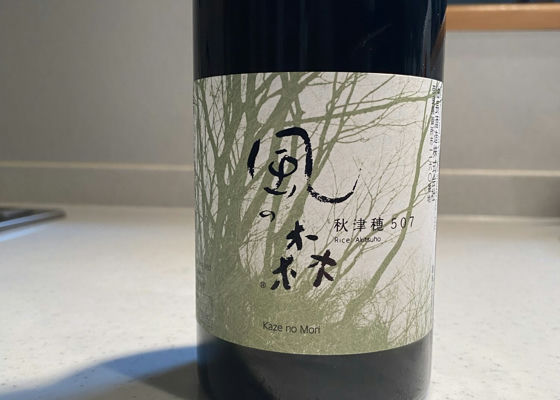
I like this bottle because it has the complexity that only the Wind Forest can offer!
Today, New Year's Eve, I'd like to take a look back at the brands I've enjoyed since the summer. Warmed sake is a nice way to enjoy the chilly weather.
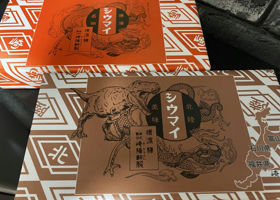
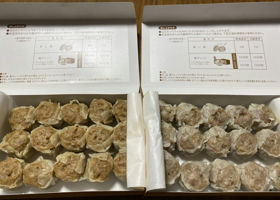
Today is New Year's Eve, and I would like to record the brands I have enjoyed since the summer. I got some shioumai from Sakiyo-ken at a department store, and some Hokuriku limited shioumai.
End of the year...your posts are all over the place, and I'm returning the good ones with a drink yesterday on the second day of the fly-around: ❤️
The second day seems to have brought out the flavor of Hiran rather clearly 🥰.
2025 is just around the corner😱.
Looking back at the forgetting to post... and recalling memories...
Ha😮
This is supposed to be heated sake, but it was somehow the best cold sake 😋.
Cold
Heated sake
heated sake + cold 😍
and 3 changes!
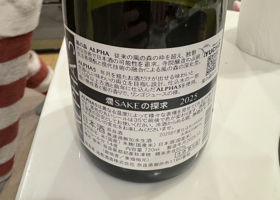
This was truly an exploration ✨.
Good evening, HANNAH!
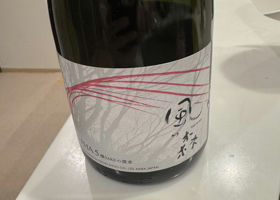
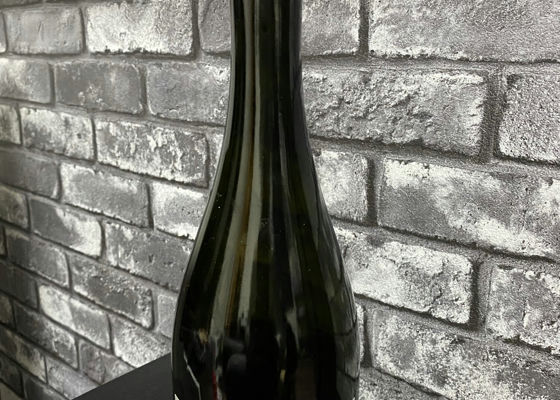
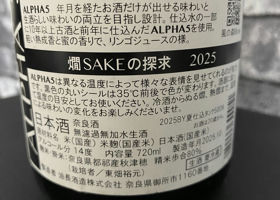
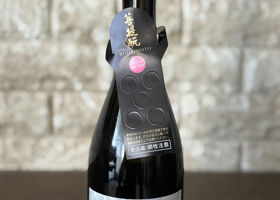
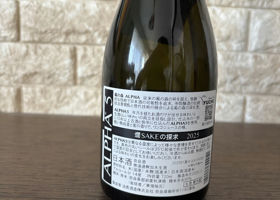
ALPHA5 is the sake that made my first wind forest a big fan here 😍.
I know what you mean - when I first drank it, I didn't realize it was heated sake and drank it cold and said it was delicious 😁✨✨.
ma-ki-San
Good evening ✨
Is this heated sake? It was so cold that I thought it was heated 🐴.
It didn't get dull after the second day...it killed it in seconds 🤣.
Actually, I was drinking more! A quick playback of drinks I didn't keep track of (7)
The taste changes every day. The taste gets better and better every night. The taste gets mellower. It's like the corners are coming off.


 油長酒造株式会社(奈良県御所市)は、代表銘柄「風の森」を多彩な料理とともに楽しめるイベント「風の森WEEKS」SAKETIMES | 日本酒をもっと知りたくなるWEBメディア
 油長酒造株式会社(奈良県御所市)は、奈良県在住の妖怪書家・逢香(おうか)さんとコラボした限定酒「風の森 露葉風SAKETIMES | 日本酒をもっと知りたくなるWEBメディア
 株式会社クリエイティブプレイス(東京都品川区)が運営する日本酒居酒屋「日本酒原価酒蔵」は、12種類の日本酒をブSAKETIMES | 日本酒をもっと知りたくなるWEBメディア