Logo
SakenowaRecord your sake experiences and discover your favorites
haruharu
自分のメモとして。また、みなさんのコメントでテイストの確認や何と表現するのか、参考にさせてください。

Registered Date

Check-ins

32

Favorite Brands

0

Sake Map

The origins of the sake you've drunk are colored on the map.

Timeline

alt 1alt 2
20
haru
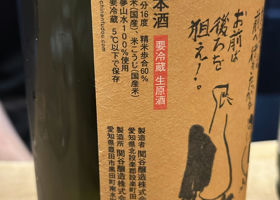
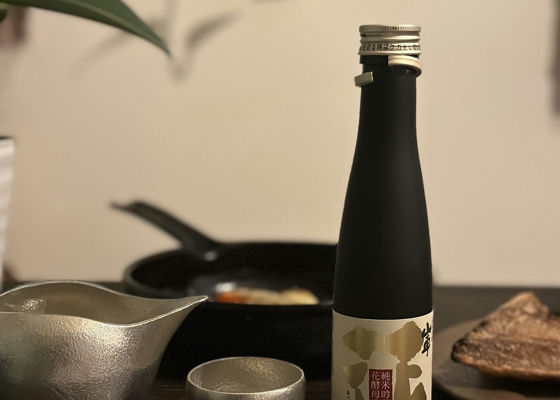
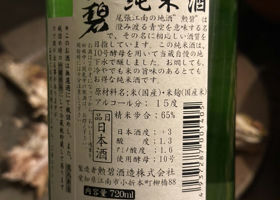
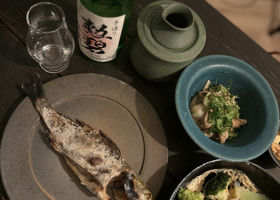
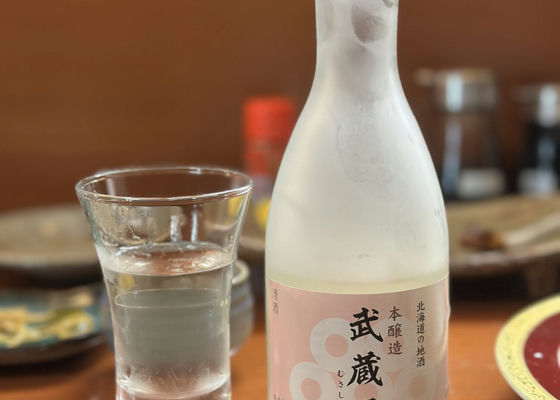
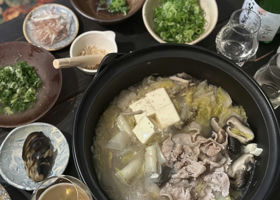
First, a hiya. It was bottled in December, so I guess it is quite rounded. It is my first time to drink Isun Heki, so I can't compare the two, but it seems very rounded. 65% polished rice, and I am convinced that it dares to call itself Junmai-shu. The aroma is light, the umami is in the middle, and the bitterness is strong at the end. It is an excellent sake that does not interfere with meals. I tried it as a sake, and I personally like it further heated and cooled. You can feel the kome in the simplicity of it. After this, I warmed it again to lukewarm. This is the best. Sorry for the colossal change. It also has a freshness like apples. It went very well with grilled sardines at all temperatures. It was a sake that changed depending on the temperature. On the third day after opening the bottle, the aroma and umami seemed to be higher... And the bitterness seems to have mellowed (or maybe the umami has made it less noticeable?). A nice sweetness has been added to the umami, and the richness has been added to both the flavor and the aroma. I like it better after opening the bottle. It reminds me of a rich sweetness with a wild taste, aroma yamaboshi, and Slow grilled kumquat with pork oil goes very well with it!
Japanese>English
alt 1
17
haru
Tremendous clear Watery. Clean water followed by refreshing sweetness, then a little bitterness Looks like it would go well with raw oysters or grated nameko mushrooms.
Japanese>English
alt 1alt 2
20
haru
I had received another Junmai Ginjo from Eiko Fuji before and enjoyed it very much. I was looking forward to receiving it as a gift since it was so delicious. It was 45 degrees. The sweetness is pleasant. The alcohol content is a little high, so if you serve it on the check cup, you may feel it is too strong depending on the cup you serve it in. The bitterness and acidity are just a little aftertaste. It went well with all dishes.
Japanese>English
Horaisen純米大吟醸
alt 1
alt 2alt 3
1
haru
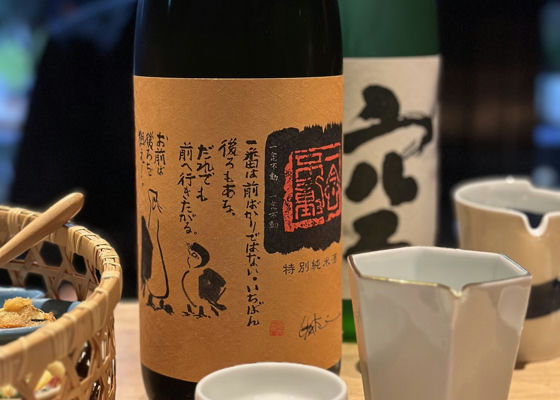
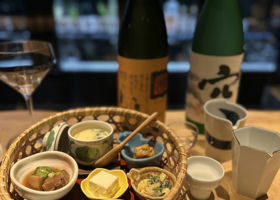
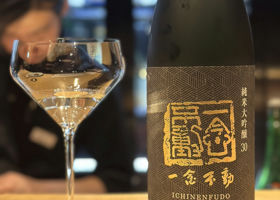
It comes out with Ichinen Fudo. This one is more gorgeous than with baskets
Japanese>English
Horaisen一念不動 しぼりたて純米大吟醸原酒生酒無濾過
alt 1
alt 2alt 3
1
haru
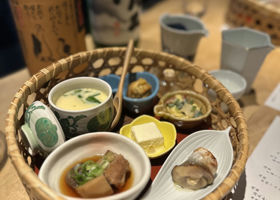
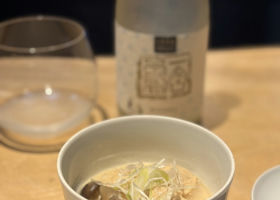
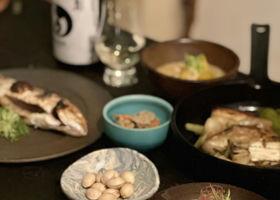
I like it. My mother doesn't. Unusually, they don't match. Pairing baskets of food served in a basket simmered aichihime, taro and konnyaku with sweet and spicy sauce Hyakkai-ne flying head Steamed red chicken with egg custard Grilled barracuda wrapped with eringi mushroom Kitamori clam, akadori and apple with vinegared miso Chestnut cheese and bean paste palace
Japanese>English
Horaisen一念不動夢山水30純米大吟醸
alt 1alt 2
alt 3alt 4
24
haru
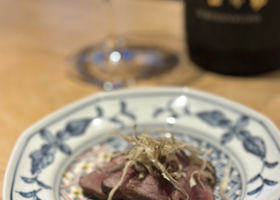
Riedel Daiginjo Glass Served at 30 degrees Pairing Haraji Wagyu Beef Steak Beef Strawberry Sauce Koji Rice type : Yumesansui Kake Rice: Yumesansui Polishing ratio 30 (Alcohol content: 16%)
Japanese>English
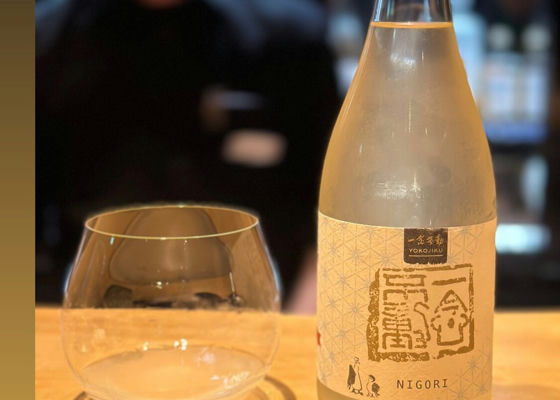
Horaisen一念不動 にごりにごり酒
alt 1
alt 2alt 3
24
haru
The wine came in a glass that reminded me of a Chardonnay, a wine that is very rich! Yes, delicious! Pairing, hot food Autumn Salmon Stewed Stewed Salmon Balls in Dairy Sauce and also goes well with
Japanese>English
alt 1
alt 2alt 3
21
haru
I forgot a little bit, .., I'm not good at haha. Ingredients Rice (domestic) Rice malt (domestic rice) In-house brewing alcohol Rice used Koji rice:Rice suitable for sake brewing Kake rice : Yumesansui (Polishing ratio 45%) Alcohol content 15 degrees Celsius
Japanese>English
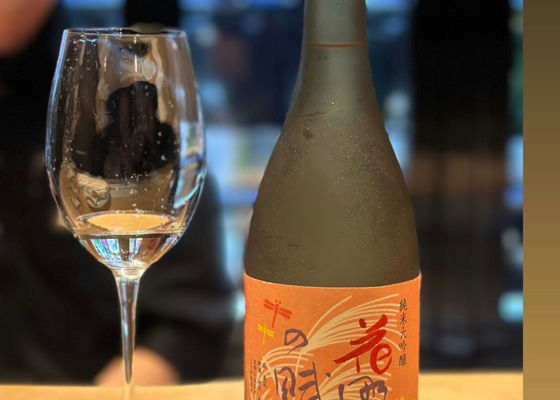
Horaisen花野の賦純米大吟醸
alt 1
alt 2alt 3
24
haru
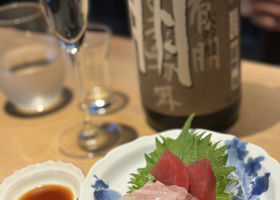
Delicious! Pineapple type strong flavor I could smell the pool 🤣, but I felt it was Mellow and packed with flavor. love it!
Japanese>English
Horaisen摩訶純米大吟醸
alt 1
alt 2alt 3
24
haru
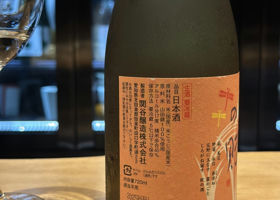
Polishing ratio 30%! I thought I smelled a hint of oak, but apparently it had nothing to do with it! Sweet like cotton candy. It has a strong umami. Great!
Japanese>English
Horai家伝手造り純米吟醸
alt 1
alt 2alt 3
22
haru
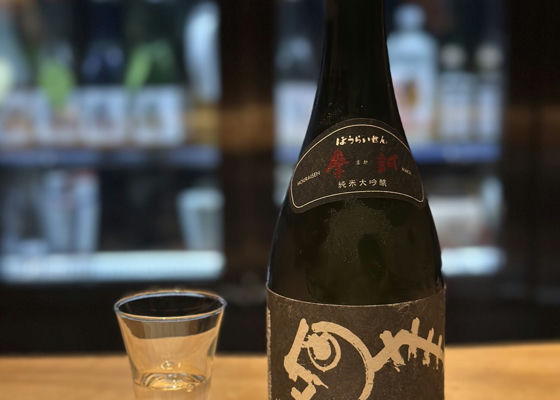
Hourai, whatever you drink, is delicious! No sourness Strong sweetness and flavor Hiya, 50 degrees, 78.6 degrees All are delicious and stable even when warmed up. Dense fruit Lychee Sense of gas
Japanese>English
alt 1alt 2
22
haru
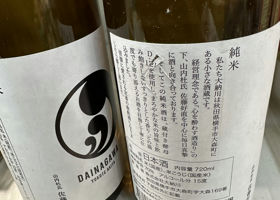
Rice polishing ratio 70 I was looking forward to it! I tasted it before making snacks... Steamed rice and fermented aroma when the bottle was opened. Expectations are high! The umami is strong and the aftertaste is clean. Seems to go well with meals. It can be enjoyed as it is. We first enjoyed it with hiya (about 20 degrees Celsius). And it was 990 yen. Excellent. Yeast: Onogawa, brewer's yeast D121 Type: Junmai-shu Ingredients: Rice, Rice Koji (100% Akita Sake Komachi) Sake meter: +5 Acidity: 1.7 Amino acidity: 0.9 Alcohol content: 15
Japanese>English
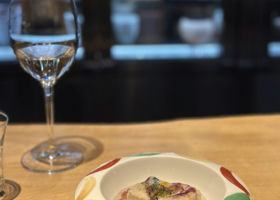
alt 1
alt 2alt 3
21
haru
Not very floral. Is the ginjo aroma there? Not so much umami? Might be good while eating. Lower than expected
Japanese>English
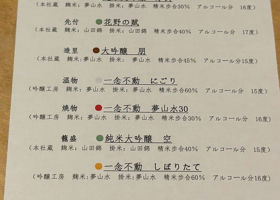
Horaisen別せん本醸造
alt 1
26
haru
At 50 degrees. Sweet mellow Alcoholic and crisp Bitterness in the aftertaste is not very pleasant for me personally The brewer's alcohol is derived from rice (I think they said they use sakekasu, or something like that) and is made in-house. It went well with the sauce of bonito tataki, sesame paste, mirin, soy sauce and sesame oil! I'll get the junmai sake next time.
Japanese>English
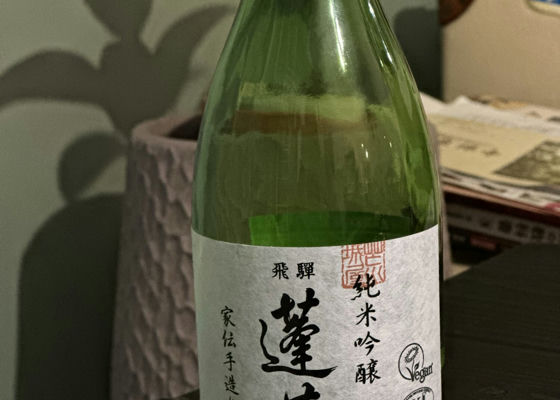
Sansha純米吟醸花酵母造純米吟醸
alt 1
17
haru
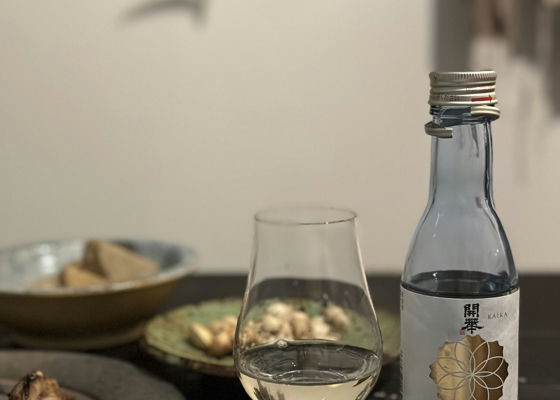
It's insanely delicious. modern style Nice aroma just by opening the cork Very gorgeous! Honey-like sweetness A perfect balance of sweetness and umami, spreading mellowly Flower yeast, I thought it would be more lactic acidic, but it has a beautiful soft acidity. Bitterness is very slight, no need to comment. It's so complete on its own. I prepared some snacks, but drank more than half of them first So much sweetness and yet it's so easy to drink.
Japanese>English
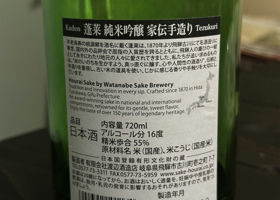
Kaika純米吟醸純米吟醸
alt 1
19
haru
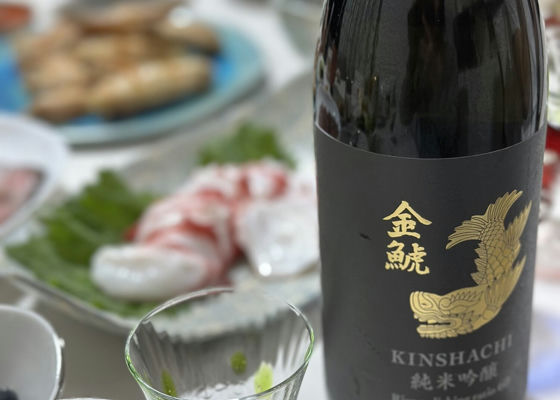
I got it as a souvenir. It is served at room temperature. The aroma is mild. I thought it was a beautiful sake on the palate. The dense ripe fruit sweetness and umami quickly overwhelm the palate. It does not have a heavy feeling. Comfortable bitterness in the aftertaste, I paired it with a meal. It's a good sake with all the umami and good sweetness. #Yamaboshi
Japanese>English
Kinshachi純米吟醸酒純米吟醸
alt 1
alt 2alt 3
19
haru
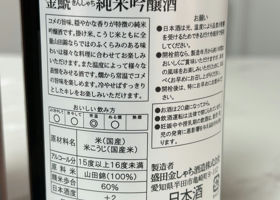
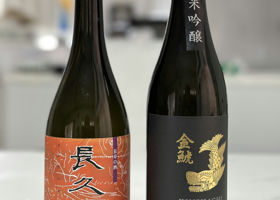
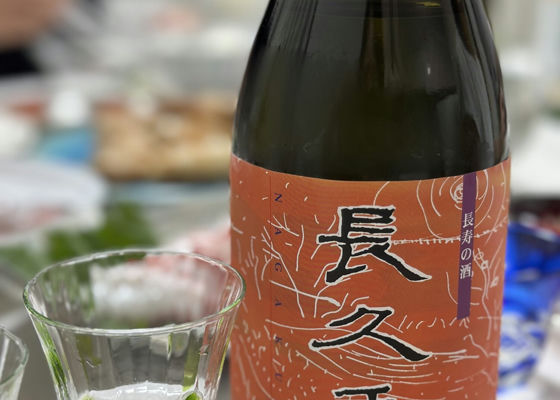
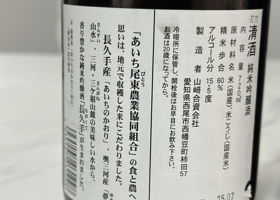
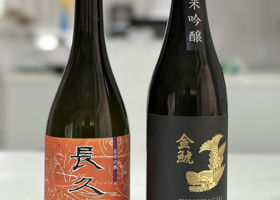
Yamadanishiki 60 polished rice Same rice polishing ratio as Nagakute, so we compared the two. It has a full-bodied flavor, but its umami is inferior to Nagakute's. Fermented acidity rather than mild pickling Not impressive, but drinkable in a calm manner.
Japanese>English
長久手純米吟醸
alt 1
alt 2alt 3
18
haru
Made with rice grown in Aichi Prefecture Full-bodied flavor Can be drunk forever Very good with food Purchased at Nagakute Agurinmura We bought two bottles, one with Kinshachi. We compared them, but we liked this one better by far! I think it was about 1700 yen.
Japanese>English
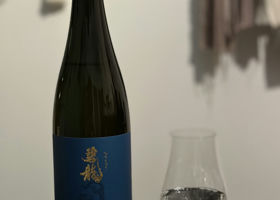
碧龍純米吟醸造り純米吟醸
alt 1alt 2
19
haru
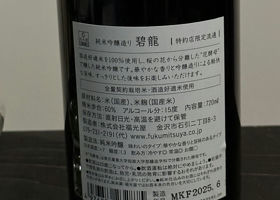
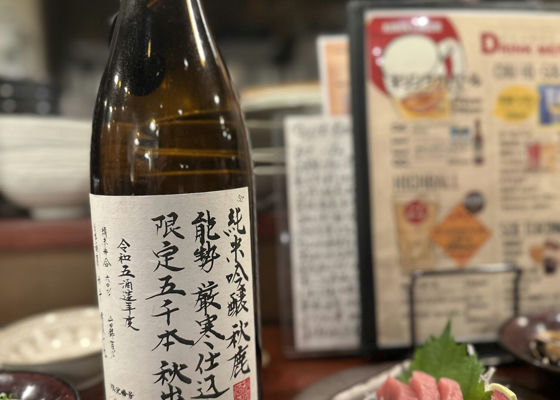
Masuma is a hiya (room temperature in October). Watery mouthfeel, clear, green apple taste, then alcohol taste, and finally bitterness follows. The yeast is a flower yeast isolated from cherry blossoms, so I compared it to Kihei's Junmai-shu made with Kawazakura yeast, but they are completely different. Kihei's sake had an impressive lactic acidity, but this one has almost none. I can taste a little lactic acidity from pickles, but you may have to go looking for it to find it! Dry, with a little ginjo aroma, but nothing spectacular. Would go well with guts of Akinatai fish or something like that. 55 degrees hot. Not much change in impression... I wonder if the sour aroma becomes a little stronger and drier... (I added this because it was totally different when I drank it a little later. The sweetness and umami went up a lot. Good with meals 33 degrees from 55 degrees
Japanese>English
1