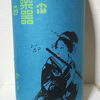
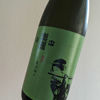
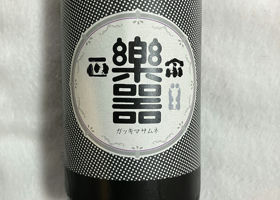
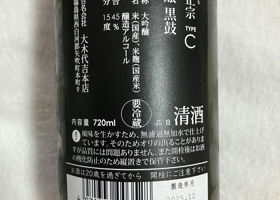
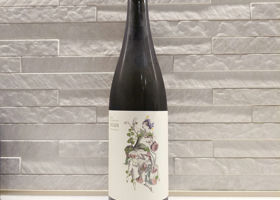
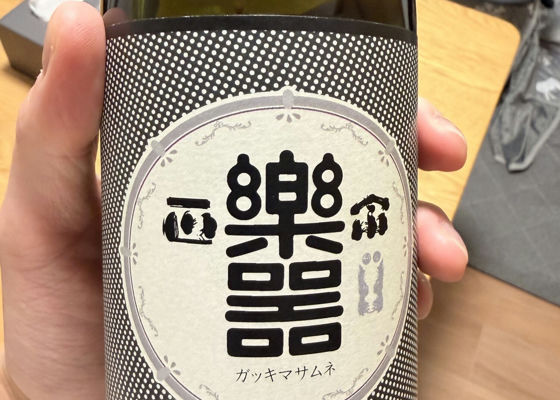
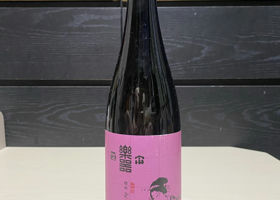
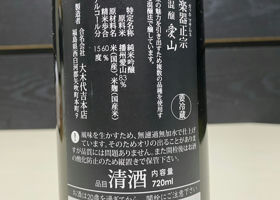
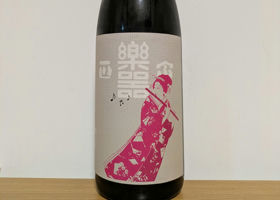
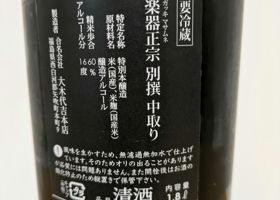
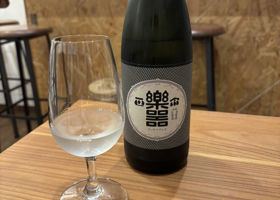
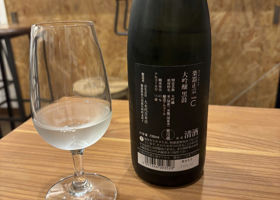
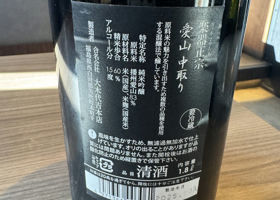
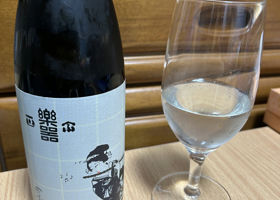
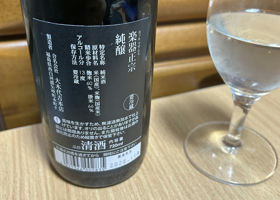
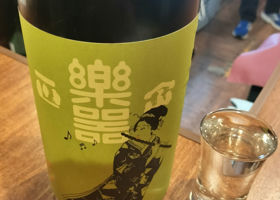
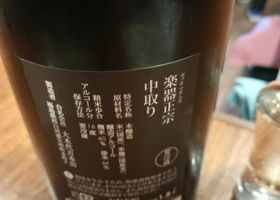
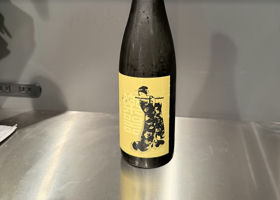
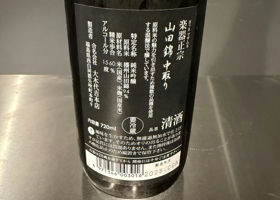
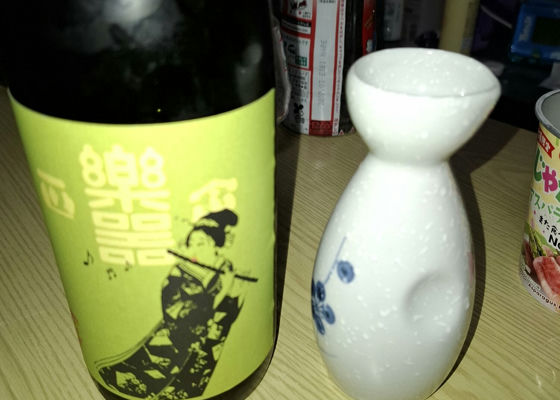
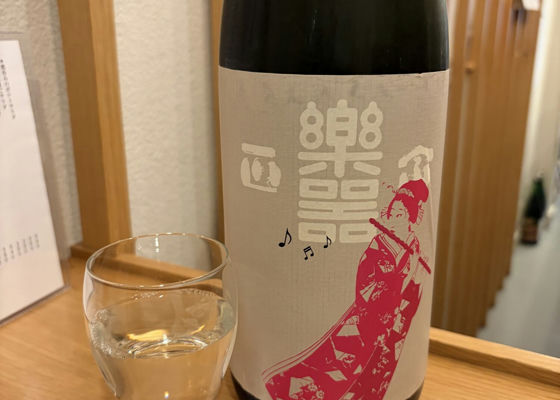
Instrument Masamune TYPE C Daiginjyo Kurotsutsumi
The aroma is gorgeous pineapple🍍.
Mouthfeel is as capsule-like as the aroma! But maybe because it's a Daiginjo specs & alsobeerated sake, the second half of the taste is quite clear and clean... very beautiful 🥰.
A bit pricey, but it was that kind of sake that I would like to open on some anniversary! 👍
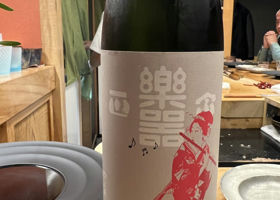
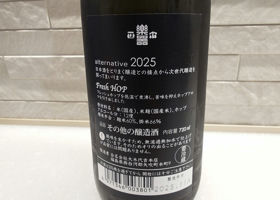
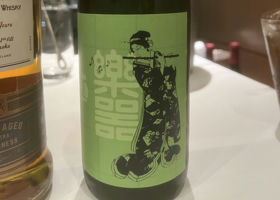
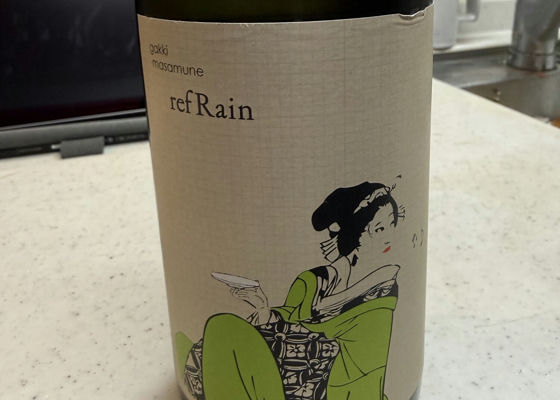
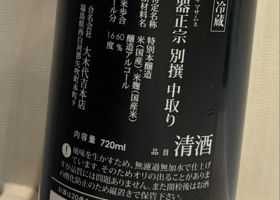
For the first time in a long time, the instrument Masamune is an alternative!
It is an instrument with a different flavor from the usual, in which hops are boiled at low temperatures to extract their aroma.
Aroma like green apple.
It has a sweetness, but not sweetness, but a refreshing sweetness.
Slight bitterness and light acidity that spreads on the palate.
It has a botanical feel like a craft gin,
There is almost no sake-like flavor.
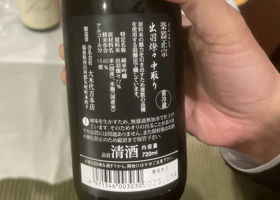
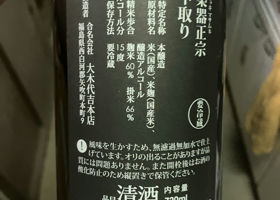
The low alcohol content (12.0%) makes it easy to drink.
It is also good as a food sake because it has a flavor that is not overpowering.
We prepared a variety of snacks,
I think it goes well with light cheeses.
Pairing: Buri sushi, Garland chrysanthemum salad with raw ham and salted kelp, simmered pork, fried shrimp, caprese, yam pancake
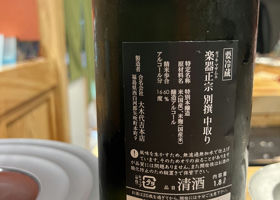
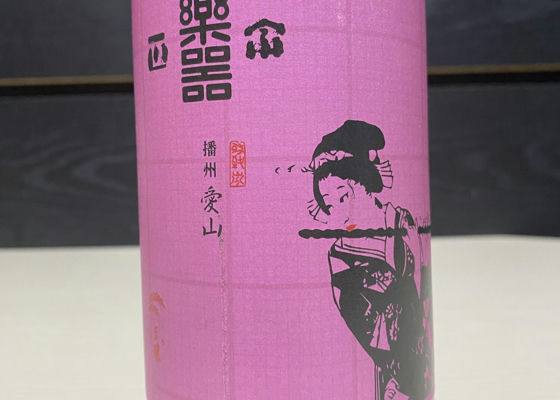
The aroma is gentle apple-like sweetness. When you drink it, you can smell the apple sweetness on the palate. The alcohol content is 13%, and the aftertaste is not bad, so you will not get tired of drinking it.
It is sweet, fruity, and extremely delicious, but only those who drink it at home have the privilege of drinking it hot, and it is the best in Japan. The flavor is milder and calmer than chilled, but it is a real explosion of flavor. Please give it a try!
Gacky 🎷.
First time purchasing 🍾.
It's a main brew, but it's still very Gakki-esque ✨.
I need to start thinking about my alcohol choices for the holiday season💦.