Timeline
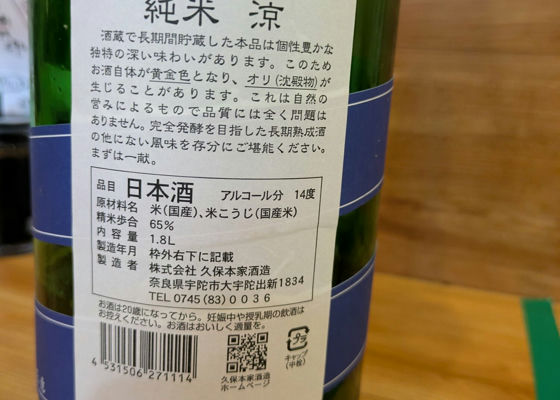
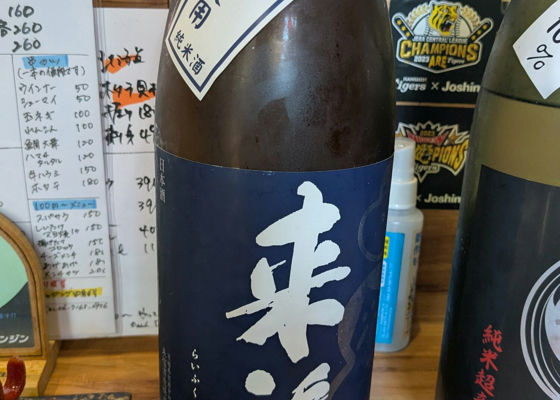
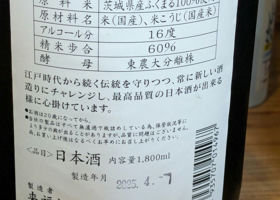
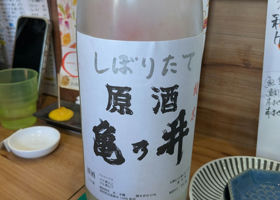
たけさんUnexpectedly, it was aged for 7 years.
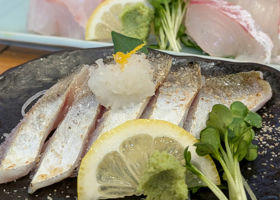
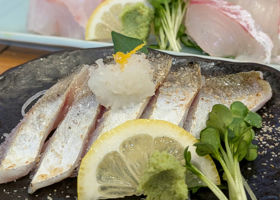
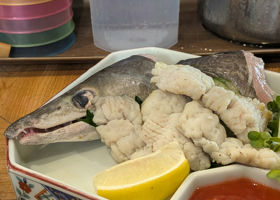
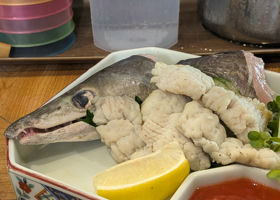
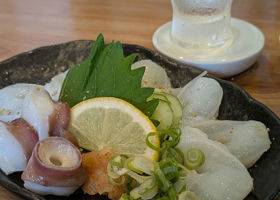
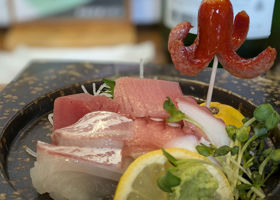
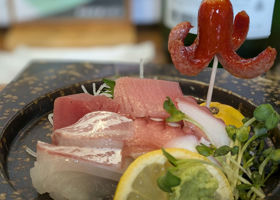
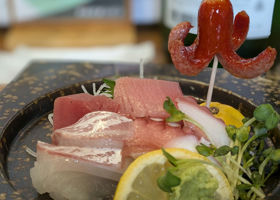
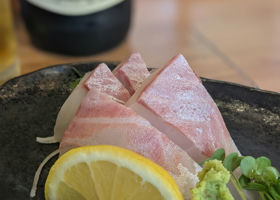
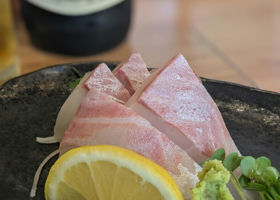
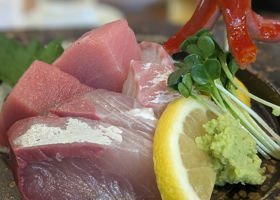
I ordered it to go with sashimi, but I was surprised to find that the ripe aroma was just for aroma, and it went surprisingly well with the sashimi.
However, it is not enough for those who want a mature sake, and the ripe aroma is a little too much for those who want a refreshing sake.
I guess Sairyu is not for me after all. たけさんThe gentle, delicious taste of Shizuoka sake is a model of what it should be.
It is not at all intrusive, but is very amiable and will listen attentively to any person you talk to.
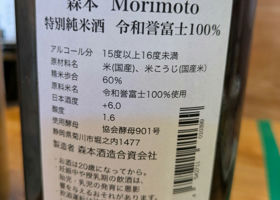
I've never heard of 2038 Honorific Fuji rice, but I wonder if it is suitable for mildly delicious sake.
I would like to have this kind of sake on hand at home, but strangely enough, I can't seem to find it. たけさんThe jacket is momentarily disconcerting, but there's nothing to it.
It is a well-balanced, honors type of sake, typical of Hiroshima sake.
The umami flavor comes to the fore, and the sweetness, acidity, and astringency are just enough to support the base, with a moderate lingering aftertaste that finishes off nicely with a zing.
I don't think there is a sake lover who doesn't like it.
It is a sake like Satomi Ishihara or Yui Aragaki. たけさんIt has a gentle umami taste with a slight astringency and a profoundly elegant flavor.
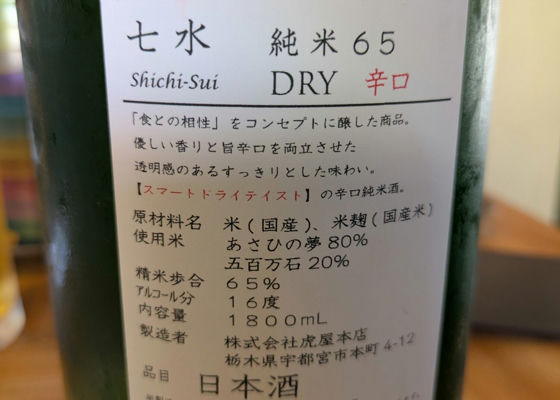
It is not too much, but has well-balanced umami, astringency, spiciness, and sweetness. It is suitable for sashimi, but also goes well with salted grilled fish and other elegant dishes. たけさんOh, this is amazing.
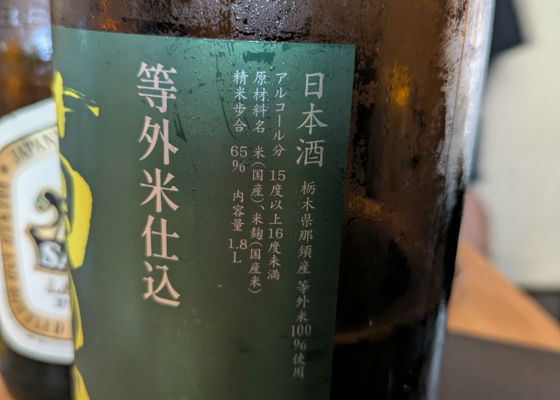
It has a robust flavor and aroma that makes you think it is Omachi, even though it is Gohyakumangoku.
The acidity is strong, and the moderate sweetness gives it a heavyweight taste.
This is the quintessence of Tochigi sake.
If I can get this kind of flavor from Gohyaku-mangoku, how much more intense would it be if I used Omachi?
I wonder how much more intense sake can be made with Omachi... ジェイ&ノビィHello, Mr. Bamboo 😃.
Nanamizu's Omachi is delicious 😋.
Please try it once: ‼️ たけさんIt is not too acidic for a Nara sake.
The sweetness is very Nara-style, and it has a good flavor, but it's a little unbalanced...
I think the acidity is what Nara sake is all about! たけさんGentle.
Gentle and deliciously spoken, or perhaps too gentle and unreliable.
The jacket is flashy and glaring, but there is a big gap between the two.
In a bad way, it is like old Fushimi sake.
The price is higher than Fushimi's sake, so it is less satisfying. たけさんGentle.
Gentle and deliciously spoken, or perhaps too gentle and unreliable.
The jacket is flashy and glaring, but there is a big gap between the two.
In a bad way, it is like old Fushimi sake.
The price is higher than Fushimi's sake, so it is less satisfying. たけさんSimple.
It has no Okayama-ness to it, and has no personality as a sake.
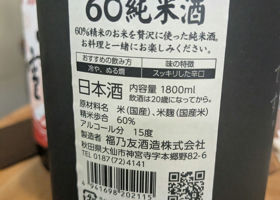
No, it tastes good as usual, but if the price of local sake is so low that it has no character, a popular sake such as Kuromatsu Shiraga is cheaper and better. たけさんIt is the exact opposite of the heavy image of Tochigi sake, with a clean, fresh taste.
It has a delicious flavor, but the freshness comes to the fore. It is a sake that makes you want to cool it down and drink it very much, just like Super Dry in beer.
There are so many different kinds of sake in Tochigi. たけさんIt has a mild umami flavor, but is full-bodied and strong-willed.
The bitterness is not so strong, but the flavor is thick, and the spiciness finishes quietly.
It is not flashy or unique, but has a solid core as a food sake.
It goes well with everything from sashimi to simmered dishes.
It does not have the robustness of Tochigi sake, but it is a well-made sake in its own right. たけさんIt has a mild umami taste, followed by a dry taste, but it is finally tightened up by the acidity and astringency that sticks to the tongue.
It is a unique sake, but it is not unique, making it a versatile food wine that can be easily matched with a wide range of dishes. たけさんMild, mellow and gentle.
There is almost no bitterness, pungency, or astringency.
I thought Raifuku had more flavor, but I didn't know they made something like this.
This is a good food sake, but if you drink it thinking it is Raifuku, you may be surprised. たけさんIt has a slightly sweet taste with a mild umami and a slight soupiness, but it is also clear and has a flavor that is not often found.
It is not so thick as to be called a "pure sake," and the aftertaste is tight, making it easy to drink like a summer sake.
It is easy to match with any dishes.
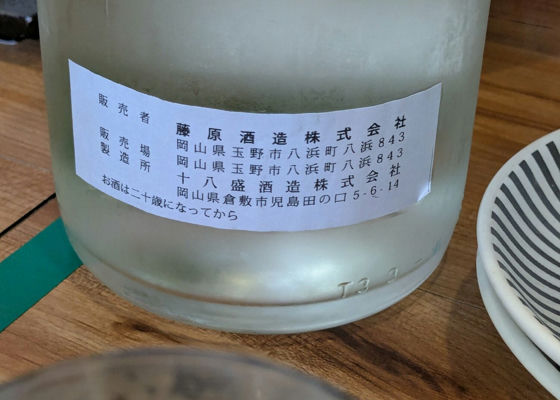
But, 18 Mori makes a lot of different brands.
They must be full of creativity
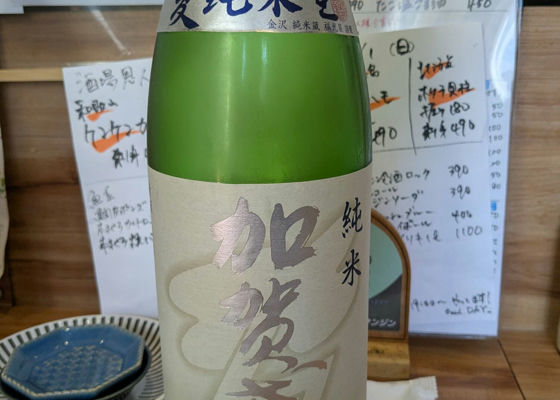
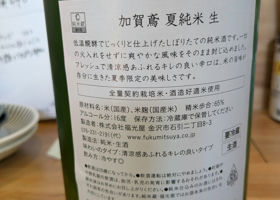
They must be full of creativity. たけさんIt doesn't have that much of a raw feel, but it has a moderate umami and a beautiful Kagatobi-like flavor that finishes without any change.
It has a freshness that is typical of summer sake, and is very easy to enjoy.
It goes well with a glass of beer or with sashimi. たけさんIt has a clear and clean umami taste.
It has a clear and clean umami taste, which is different from the gentle umakuchi taste.
It is completely different from what is commonly referred to as "super-harakuchi," and has a deep and refreshing flavor.
This may be a genre I had never been aware of before.
It is a versatile all-around dining sake that goes well with anything from sashimi to simmered dishes.
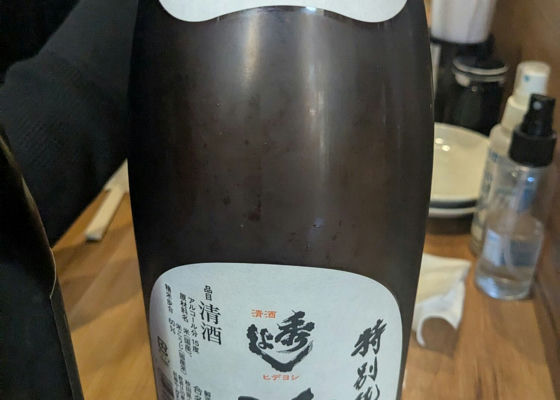
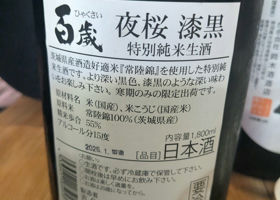
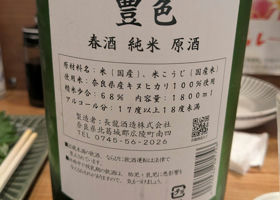
I'll have another one for now. たけさんIt's very mature for a spring sake, but I guess that's what nighttime cherry blossoms are for.
There is a slightly floral aroma, but it's not enough to bother me, just enough to change my attention a bit.
It is gentle and tasty, but the line is thin and I would like to see more thickness. たけさんIt has a soft and gentle flavor, without the unpleasant tartness of Yamahai.
The lingering aftertaste is unexpectedly tangy, but not so much that it is spicy, but rather that it tightens up the flavor, creating a good balance.
I would like to match it with gently seasoned obanzai. たけさんIt has a clear, transparent taste, but it also has a pungent and bitter taste, which makes it a very drinkable, mildly umami sake.
It is not flashy, but it is a very serious food sake.
It seems to go well with all kinds of food. たけさんThe moment you put it in your mouth, it is light.
It is a rare type of sake that slowly develops its umami afterwards.
Usually, the first taste comes first, and then it gradually gets better and better, but this sake lacked a lot of flavors at first, and I was wondering, "Hmm, what about this? But with this sake, there weren't enough flavors at first, and as I was rolling it around in my mouth with my arms folded, the flavors started to come out and the last one was the best, so I was like, "Oh, I'm sorry I doubted you.
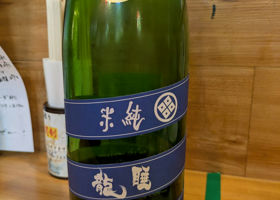
I had an image of Choryu as a cheap sake, but I was amazed that he could pull off such a trick. RecommendedContentsSectionView.title