1/1
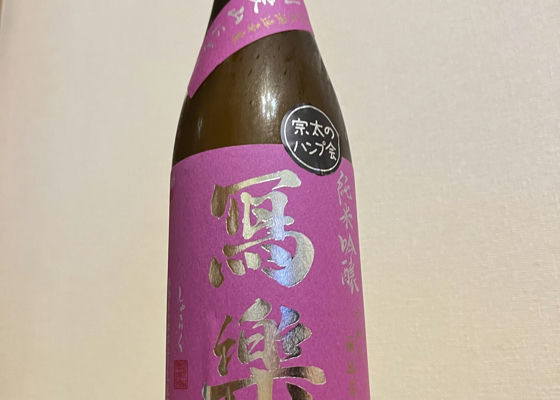
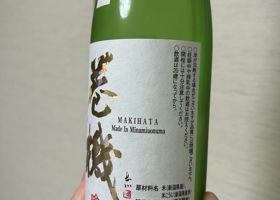
Rice: 100% Sakahomare produced in Fukui Prefecture
Rice polishing ratio: 35
Alcohol content: 15%.
Memorable ginjo aroma.
Mellow and elegant.
Suitable for festive occasions.
(Thank you for the gift 💓)
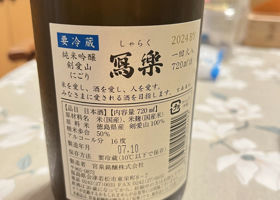
Junmai Ginjyo Ken-Aizan Nigori (cloudy)
Rice: 100% Tokushima Kenaiyama
Rice polishing ratio: 50
Alcohol content: 15%.
Year of production: 07.10
A sake that is cloudy and enjoyable with a high aroma and a sense of rice.
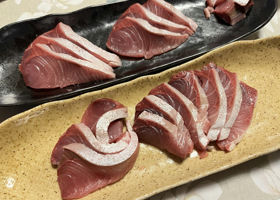
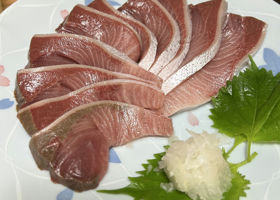
Again, we enjoyed the fatty yellowtail with a gorgeous flavor.
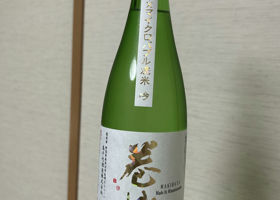
Makiki Gin Uonuma Ipponshime
Rice Rice Koji Niigata Prefecture
Polishing ratio 53% (flat polished rice)
Alcohol 15
Micro bubble washing
The ginjo aroma penetrates through.
The sweet aroma also removes the power.
It adds a touch of flair to the holiday.
It is good as a mid-meal drink because of its moderate umami and sharp aftertaste.
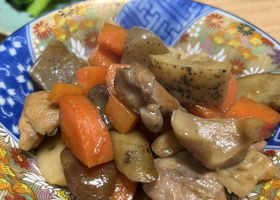
Chikuzen-ni (chicken stew) that brings out the flavor of the chicken.
Melt-in-your-mouth yellowtail toro.
The deep taste is well arranged.
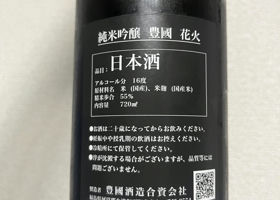
Toyokuni Shuzo (Aizu Sakashita-cho)
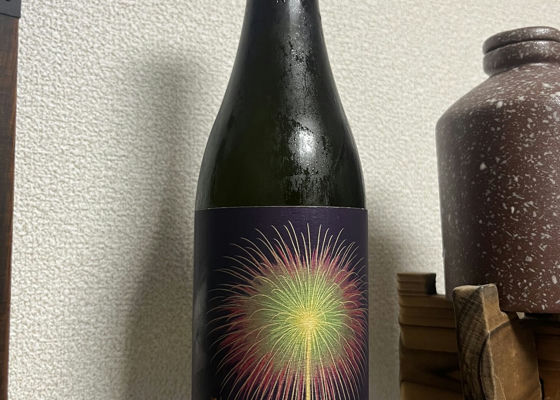
Junmai Ginjo Toyokuni Hanabi
Alcohol content 15
Rice / Rice malt Domestic
Rice polishing ratio 55
Production 25.8
A spicy, sharp taste that will not make you tired of drinking.
Seems to go well with oil and dark flavored food.
Well labeled. It will look good on a dining table surrounded by friends and family during Obon.
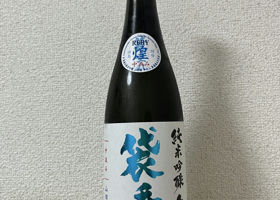
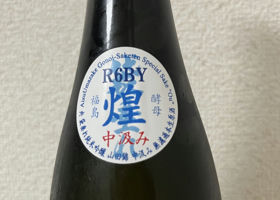
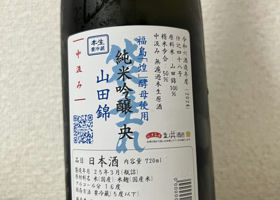
Ao Fukuro-hashidare Junmai Ginjyo Nakakumi-gumi
Fukushima "Kohaku" yeast
Rice: 100% Yamadanishiki
Polishing ratio: 50
Unfiltered unpasteurized sake
Alcohol content: 16
After the spiciness that hits the nose, a thick umami flavor arrives with a refreshing aftertaste.
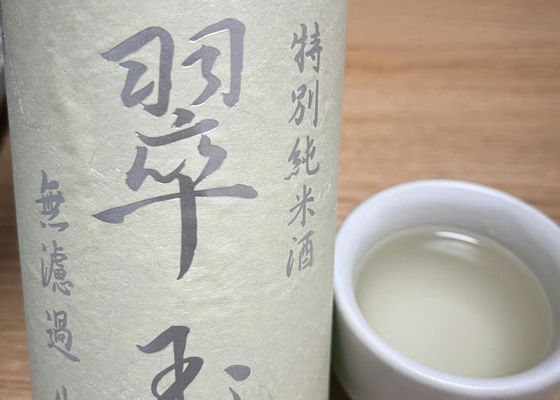
Special Junmai-shu Suitama Unfiltered Nama
Alcohol 16%.
Koji rice 55%, Kake rice 59%, 100% Akita
The spiciness comes as a big thump on the palate.
After a little while, the smooth aroma of rice comes through.
A taste that people who are accustomed to drinking sake like and can drink it for a long time without getting tired of it.
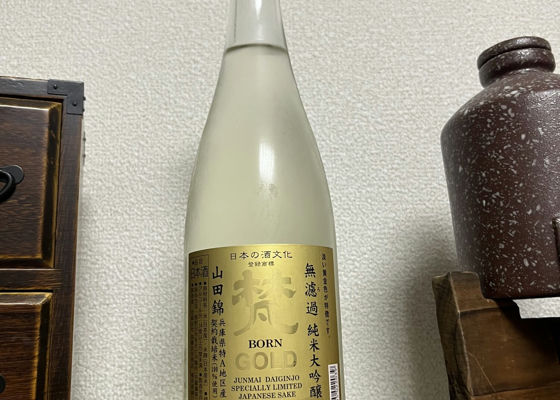
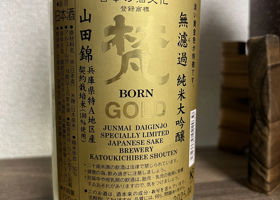
Bon BORN GOLD Unfiltered Junmai Ginjo
100% Hyogo Prefecture Special A District
50% Yamadanishiki
The elegant aroma gives the impression of having been carefully crafted with carefully selected ingredients.
The taste is a favorite, with the umami of rice spreading through the palate.
The sharpness of the aftertaste seems to balance the taste.
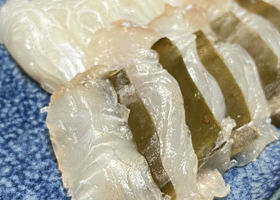
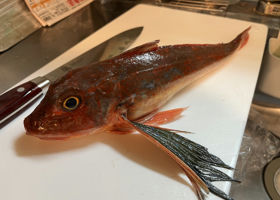
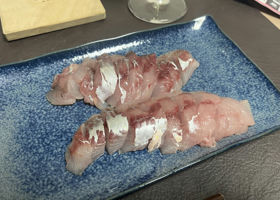
To match with the sake is a flounder with kombu-jime, a homemade sauce made from kelp.
The cooking skill was not up to par and Braun won overwhelmingly (lol).
But the sake goes on and on...
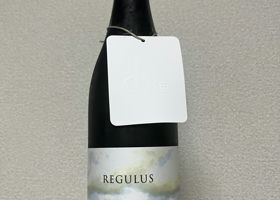
Mild sweetness and sourness with a hint of lactic acidity.
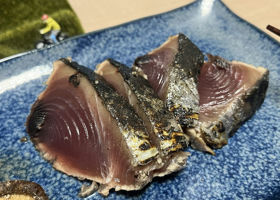
This sourness is like a yogurt sauce and goes well with the texture of the sticky bonito tataki.
It washes over the tip of the tongue, leaving behind the flavor of the rice and bonito.
It is a delicious water with no peculiarities.
I have drank it several times so far and my impression is the same.
If I were to compare it to a hot spring, it would be a chloride spring: ♨️
I don't know if it works, but I like it. I don't know if it works, but I like it.
Spring, Unfiltered Namaomaru Sake
Freshly pressed and slightly oily,
Unfiltered junmai sake
It is a light and dry junmai sake, as is typical of Minamiaizu, but it has a full and mellow taste.
It has a full and mellow flavor.
A casual luxury that is different from wine.
2025.3
Rice polishing ratio 60
15% alcohol by volume
flower fence
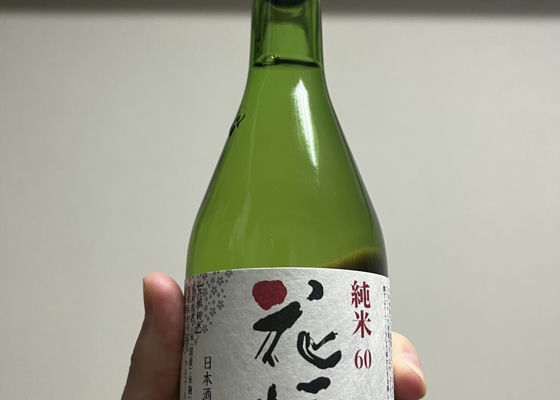
Hanagaki Junmai
Ingredients/Rice (domestic), Rice malt (domestic)
Polishing ratio:60%, Alcohol content/15%.
Nambu Shuzo Brewery Co.
A pure rice sake that is smooth and easy to drink.
The aroma is filled with the joy of spring.
The aroma of this sake is springtime.
Murakami-city, Niigata
Taiyomori
Junmai Unfiltered Nama Sake
alco.17%.
Rice Gohyakumangoku
Polishing ratio 60
How to drink: Cold
Description
It has a fresh aroma unique to new sake, a rough but deep taste typical of junmai sake, and a crisp aftertaste.
Sweetness/spiciness: Medium-hardness Lightness/lightness: Slightly light
Sake meter degree: +5
Acidity 1.3
Impression
The fresh aroma is fresh, and at the same time, the spiciness and lightness of the taste is penetrating.
The aftertaste is a bit bitter, but once you get used to it, you can taste the umami of junmai sake. The acidity remained.
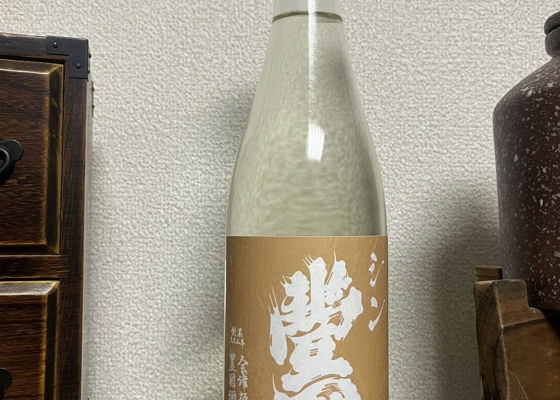
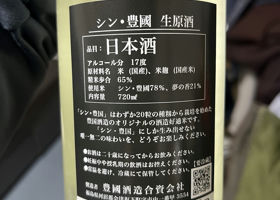
Shin Toyokuni
Alcohol content 17%.
Rice polishing ratio 65
Rice used: Shin Toyokuni 78%, Yumenokou 21
Sake brewed with the sake rice we have heard about.
The characteristic dryness and sharpness of Toyokuni.
The full aroma is superb. Is this Shin Toyokuni?
Suki
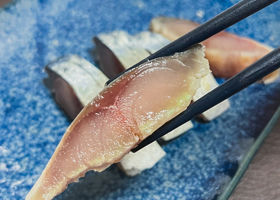
Match it with shime saba (mackerel) you handled yourself.


 sakesuka08