6/10
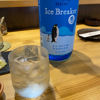
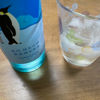
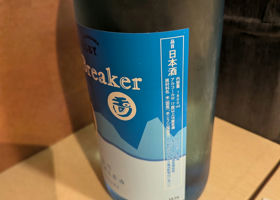
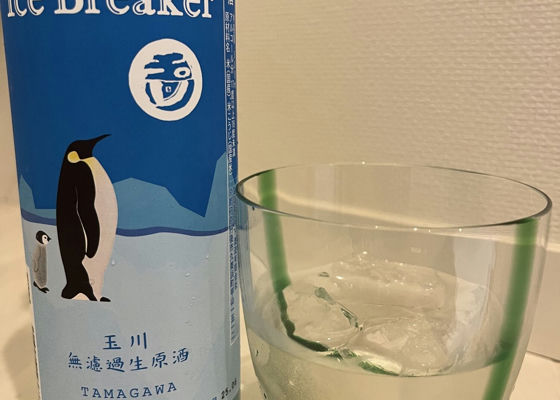
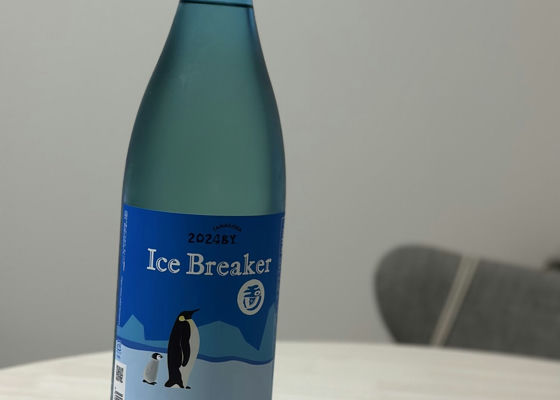
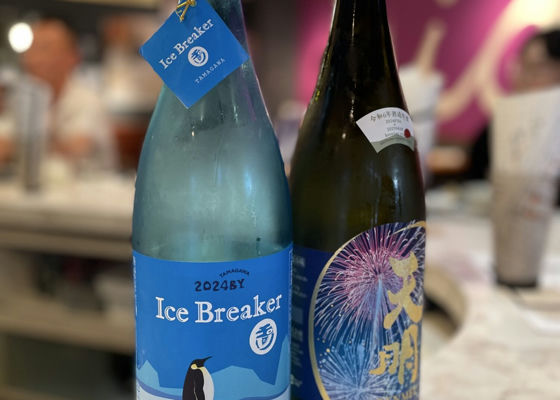
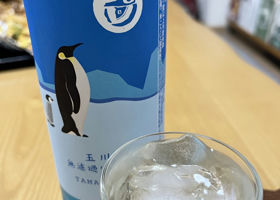
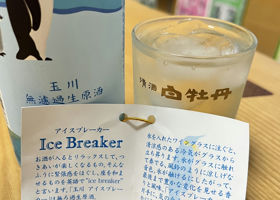
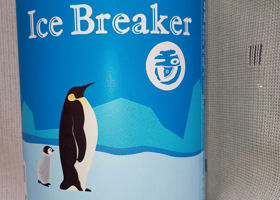
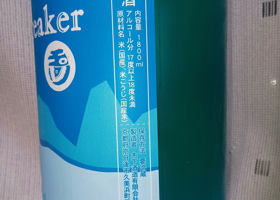
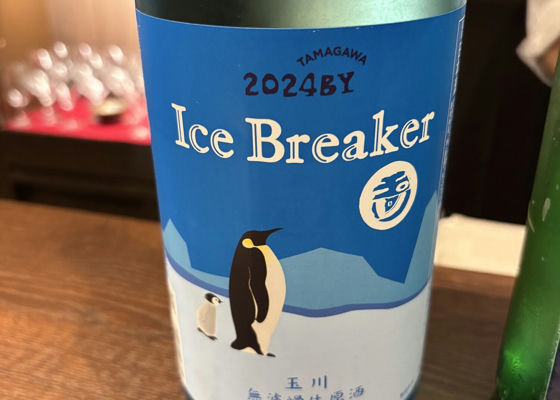
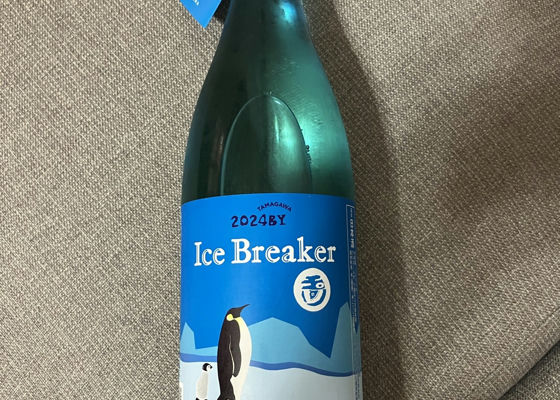
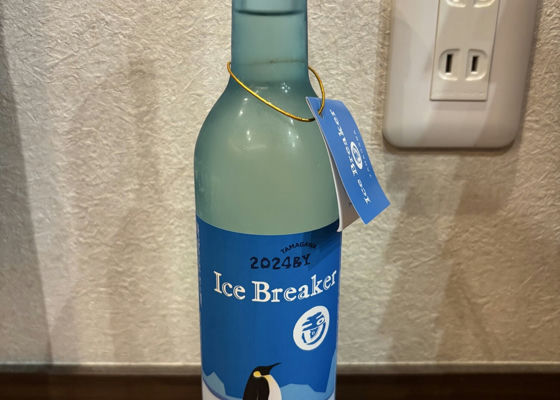
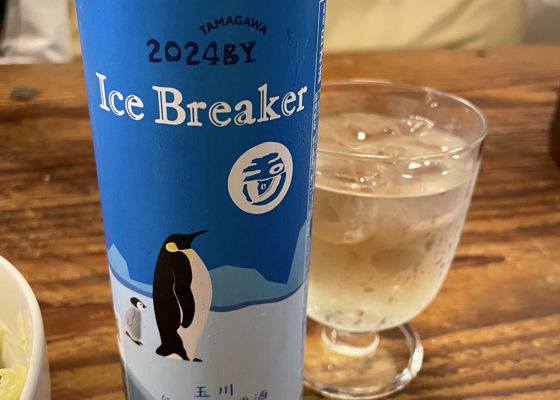
It's been a while since I drank an Icebreaker. I drank a lot of sake at a sake party, so I decided to drink it on the rocks.
It's a light sake, but it's very nice on the rocks because of its thick and mild taste.
Temperature 5°C
Taste 85
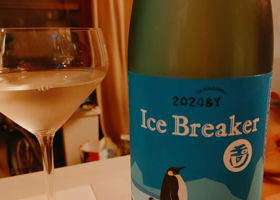
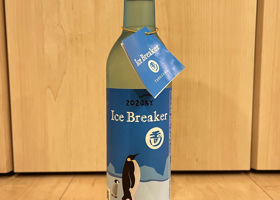
Color: yellow with a shiny, apple-like appearance.
Nose: Unpasteurized sake-like
Taste: Sweet at first, but gradually becomes spicy. There is also a sour and bitter aftertaste.
Overall impression: The strong bitterness in the aftertaste is a negative for me personally.
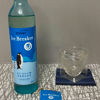
It was a rare summer sake recommended to be drunk on the rocks 🍶 It had a refreshing taste, perfect for summer. ‼️ It was also impressive cold and the ice made it even easier to drink!
⭐️3.0
Summer sake. With ice. Very cool.
Gorgeous aroma. Melon, yogurt-like.
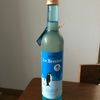
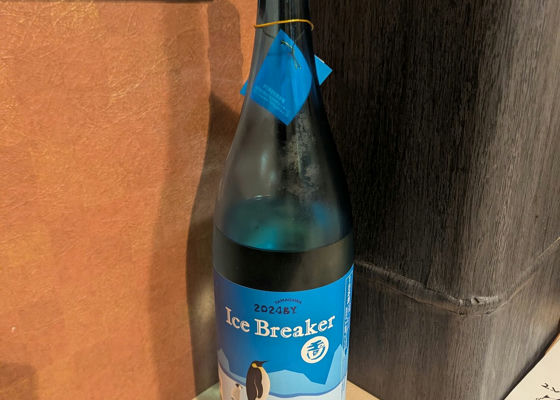
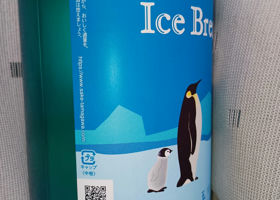
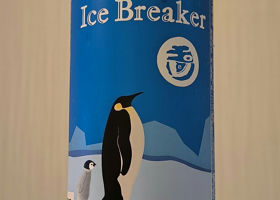
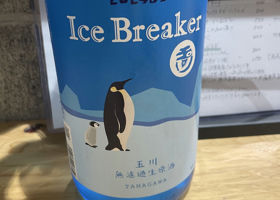
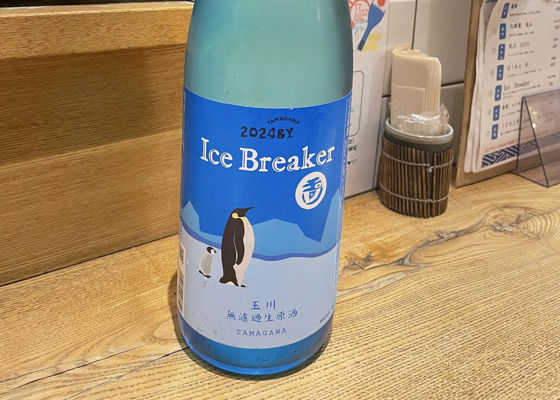
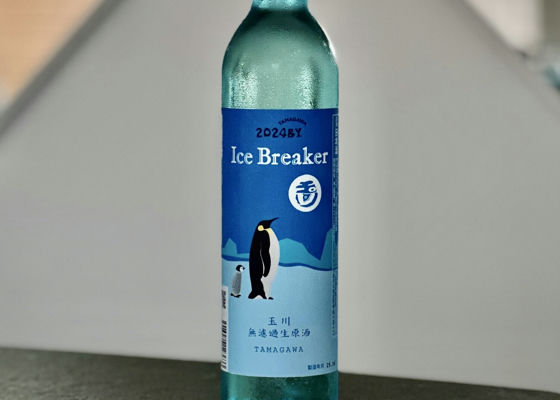
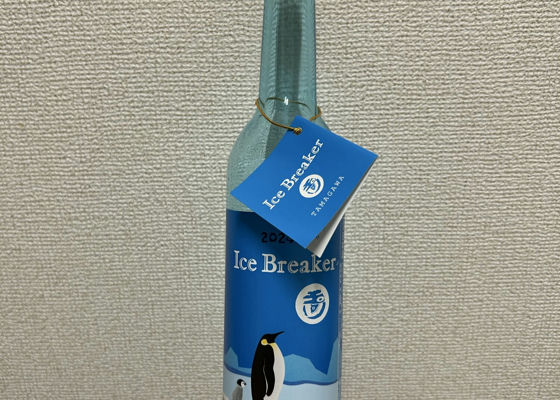
Despite the cute penguin label, there is a strong bitterness that is typical of sake. No, it is strong.
However, it has a cool feeling that makes you want to take another sip.
I want to drink it at summer festivals.
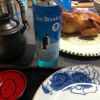
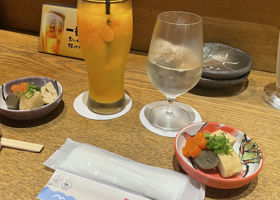
This is my first Tamagawa, my first Ice Breaker, and my first Kyoto sake. When served on the rocks, the aroma is refreshing, like rumney, with a hint of sweetness reminiscent of sugar cane. In the mouth, a cool citrus acidity spreads, and the aftertaste is clean and refreshing. The sharpness of the wine is well suited to the light flavor of long pickled vegetables and kamaboko (fish cake), and when paired with duck meat, a soft sweetness rises up, creating an interesting transition. This is a bottle that can be fully enjoyed on the rocks for its coolness and lightness. When drunk straight, the umami of the rice spreads and the taste is completely different. A very interesting sake. I felt the reason why Tamagawa is said to have the best taste at different temperatures.
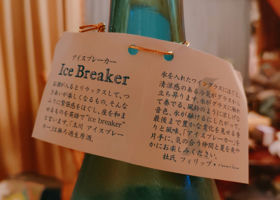
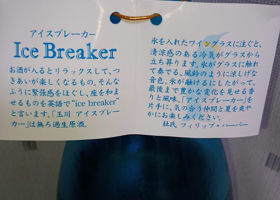
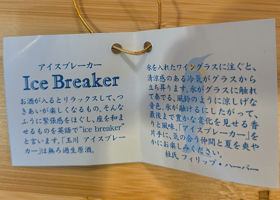
Ice Breaker was developed by the current head brewer, Philip Harper.