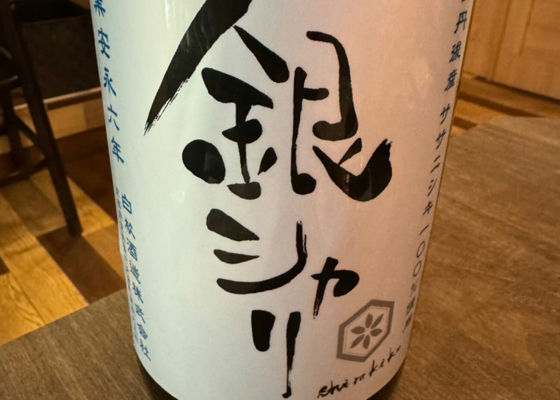
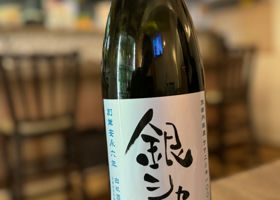
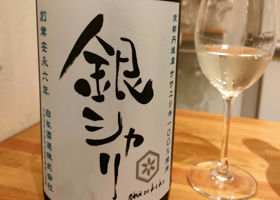
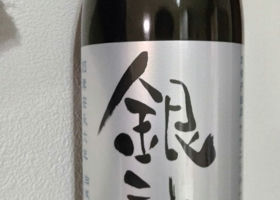
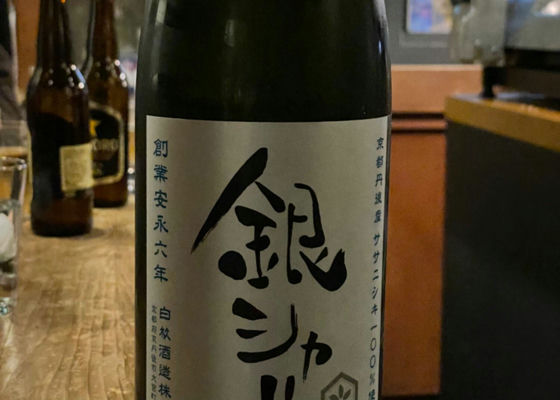
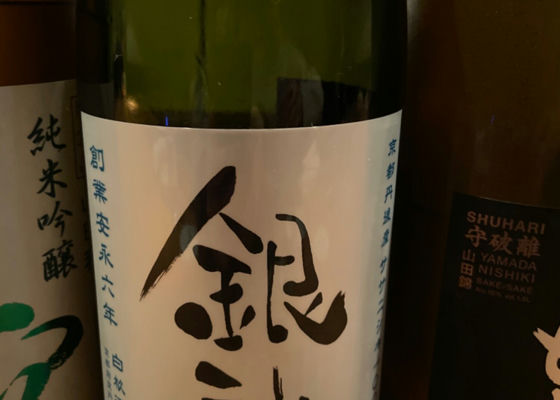
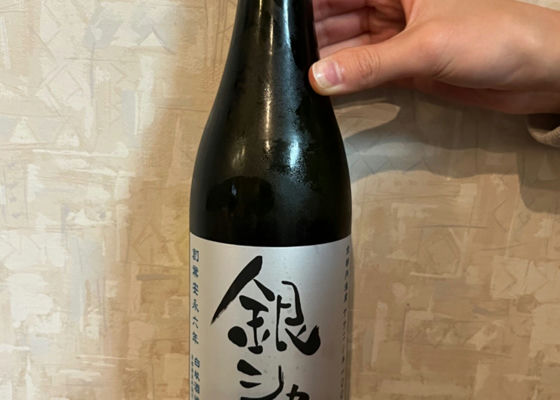
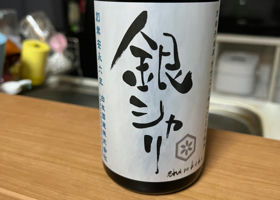
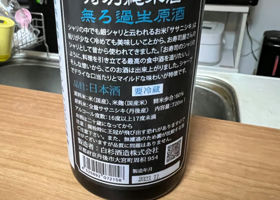
CRAFT SAKE WEEK④.
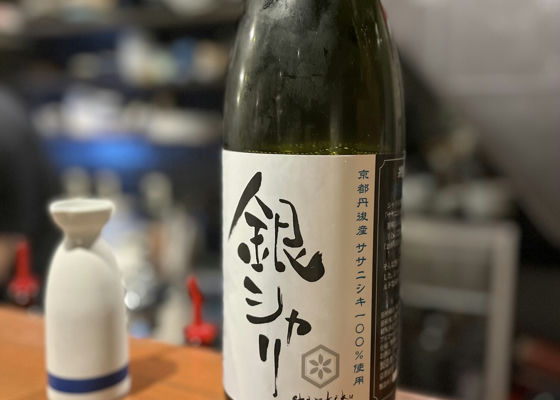
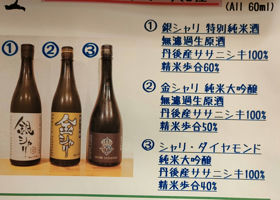
This is a rare sake that uses ordinary white rice instead of sake rice.
It is a small sake brewery in the fierce competition in Kyoto, but we hope they will do their best!
We will support them from the shadows 🤗.
Delicious!
I also bought Hoshiichi with it.
I liked it because of its sourness.
I may be able to choose what I want to drink
I may be able to choose what I want to drink.
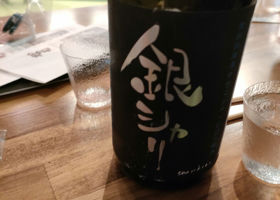
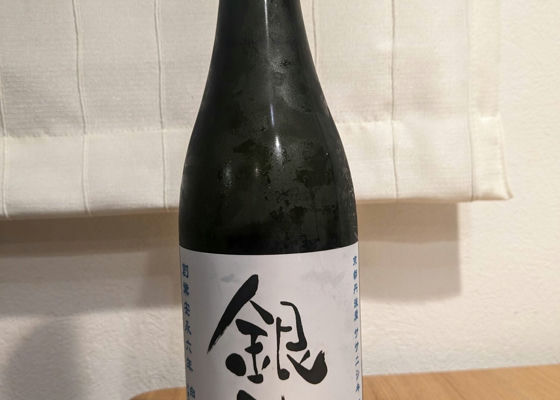
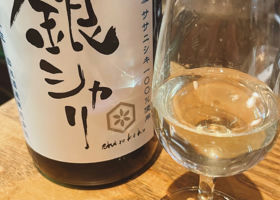
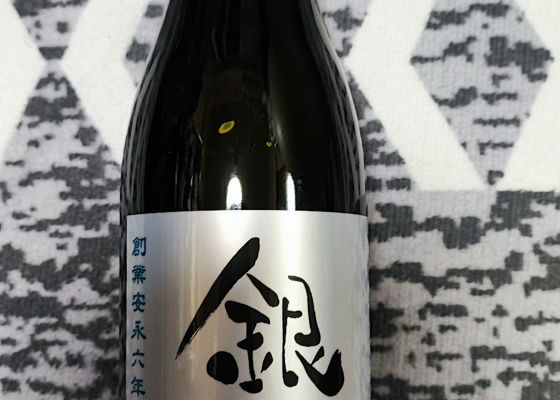
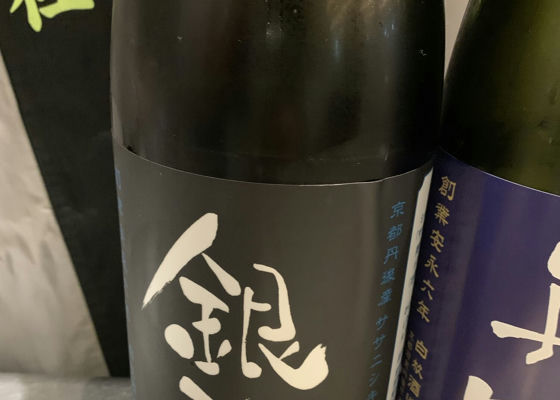
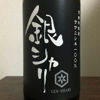
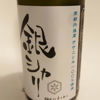
Since I was also visiting Kyoto, I had a second glass of "Ginshari", a Kyoto sake.
The aroma is faintly muscat-like.
The mouthfeel is refreshing...but then the mellow sweet, sour, and astringent taste like grapes spread out in a sizzle.
The difference between the naming and the taste was a betrayal in a good sense!
The slight chilliness of the gas also gives the wine a freshness👍.
Mellow sake. It is gassy and acidic, but also gorgeous and full-bodied later on...delicious!
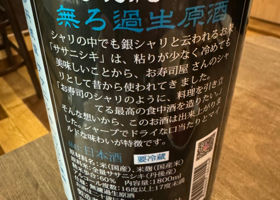
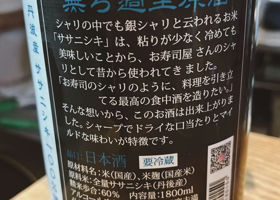
The "Sasanishiki" used for the silver rice has been used as food rice in sushi restaurants for a long time. According to the sake brewer's website, they are the only brewery in Japan that does not use sake rice.
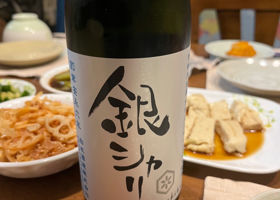
I had it with sashimi medallions, and it was indeed the perfect sake to complement the sashimi!
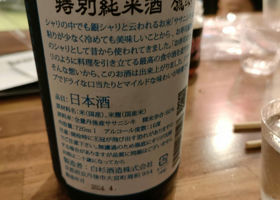
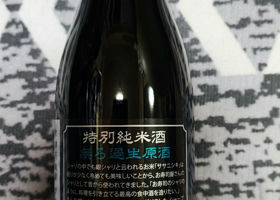
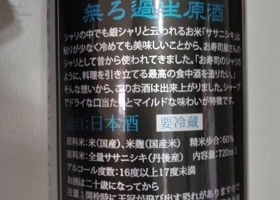
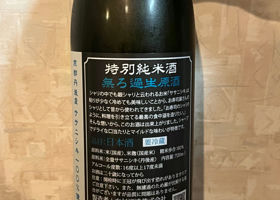
This sake is said to be made without using sake rice, but only rice for eating.
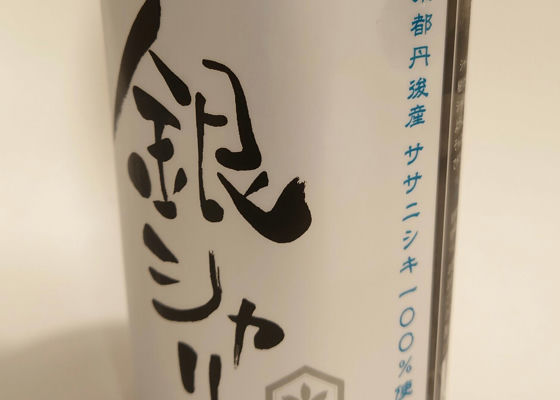
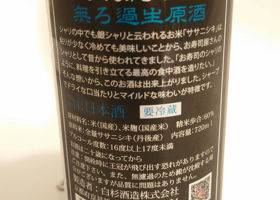
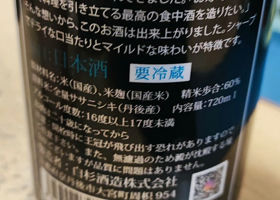
It is made from 100% Tango-produced Sasanishiki rice, polished to 60%, and is this year's freshly squeezed, unpasteurized sake.
The taste is fresh, banana-like, and lush.
The taste is fresh, banana-like, and lush, with a slightly dry mouthfeel that also has a gassy, petit flavor.
Tonight's entrée was Japanese food, including assorted sashimi, which went perfectly with this sake and was delicious.
Unfiltered, unfiltered nama sake, Sasanishiki, 60%, 16-17%, grape-like aroma, tangy on the palate, juicy like an unfiltered nama sake, but sharp on the palate. The aroma is like grapes, the mouthfeel is tangy, and the taste is sharp, although it has a juicy flavor like unfiltered nama sake.
The sake rice is rice rice Sasanishiki. It was recommended to me by the owner of the sake shop I usually go to. It is tangy and spicy at first, and then a mildly sweet taste spreads in the mouth. It was delicious. 1,650 yen.
Extremely personal taste: ⭐️⭐️⭐️3/5
It's a good sake, full and classic 😊.
Anyway, I was curious about this sake because it was made from the edible rice Sasanishiki.
When I was a child growing up in Akita, there was no "Akita Komachi" and the best rice was Sasanishiki. I don't think it is sold much in supermarkets now, but I was happy when I could eat Sasanishiki as a child, so I remember the nostalgia when I hear the name 🥹.
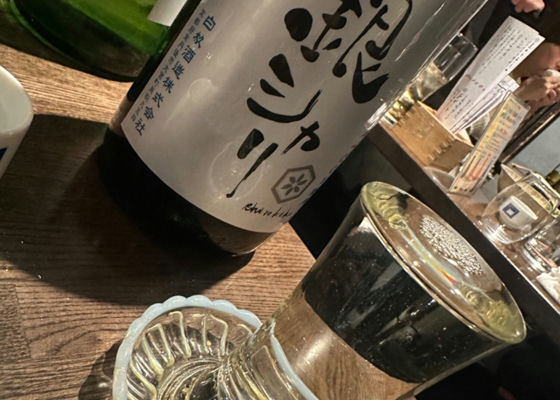
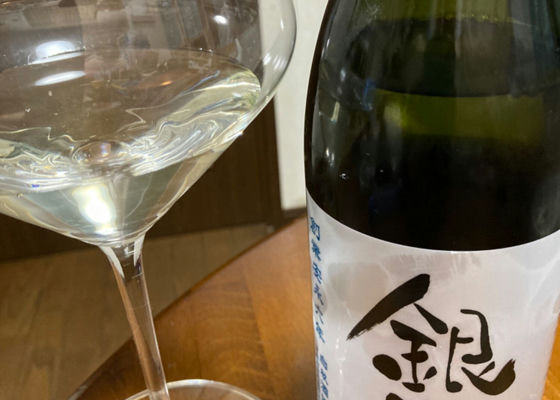
The sake is a little cloudy, though it may vary from one individual to another.
The aroma is surprisingly fruity and gorgeous.
The mouthfeel is slightly slightly carbonated, with a classic, robust rice flavor and sharp, bitter acidity👍.
The bitter sharpness and dryness makes it easy to go on to the next cup 👌.
The crisp and light feeling of cooked Sasanishiki may be the reason for the sharpness.
It's been a long time since I've had a good old-fashioned Sasanishiki 🥹.
(Rice: Sasanishiki from Kyotango, Polishing ratio: 60%, Alcohol percentage: 16.2%)


 酒造りに使う米を食用米に限定して美酒造りに挑んでいる蔵元杜氏がいます。京都府京丹後市にある白杉酒造の代表取締役SAKETIMES | 日本酒をもっと知りたくなるWEBメディア
 白杉酒造株式会社(京都府京丹後市)は、食用米「にじのきらめき」と酵母7種類で醸した日本酒「NIJIIRO(にじSAKETIMES | 日本酒をもっと知りたくなるWEBメディア