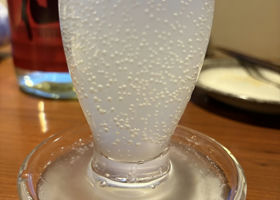
Melon! I also feel a fine effervescence.
I also feel sweet but also tangy and crisp.
The best!
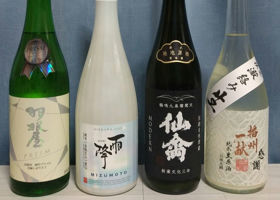
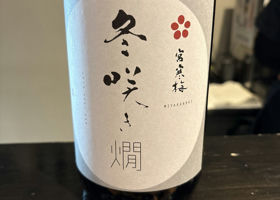
Miyakanbai, which I had longed for, was also good. I want to try it cold next time.
2025-087
drinking at home
This time of year, there are many light nigori and ogara-mari, and I have a hard time deciding what to drink.
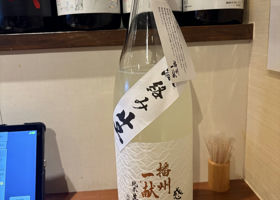
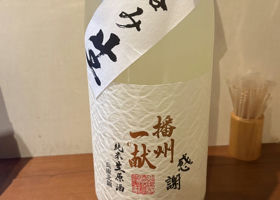
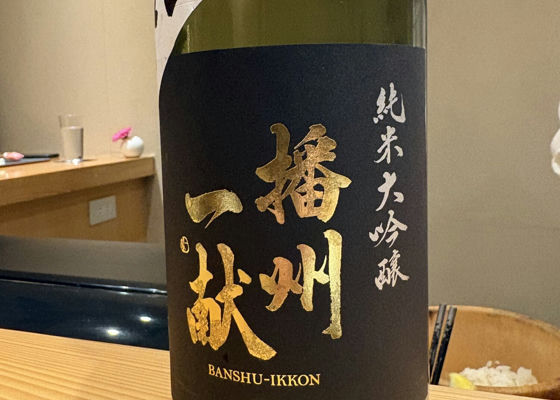
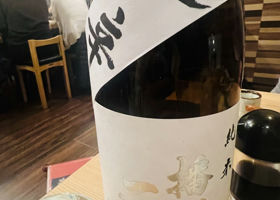
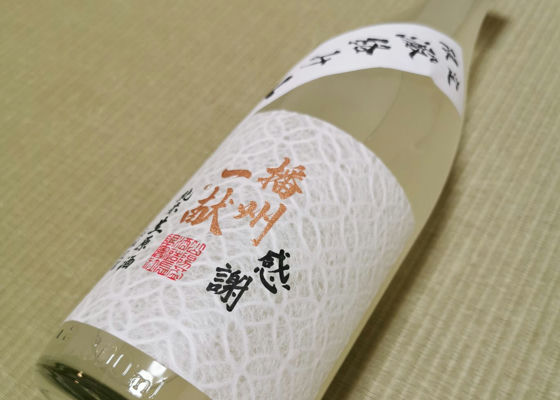
Here is the one I chose.
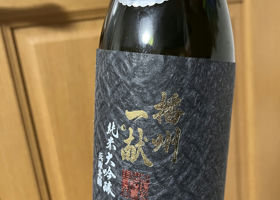
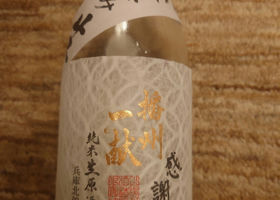
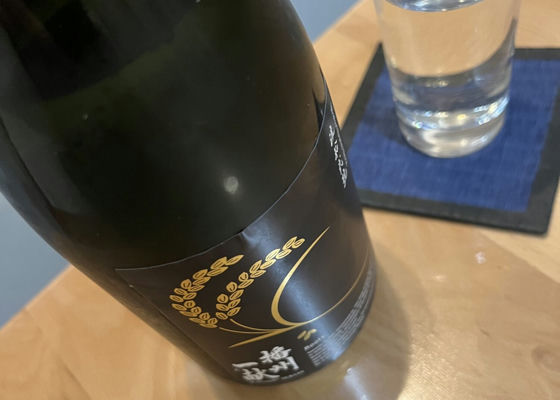
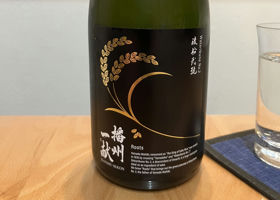
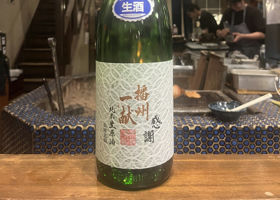
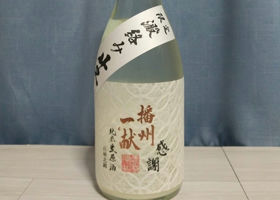
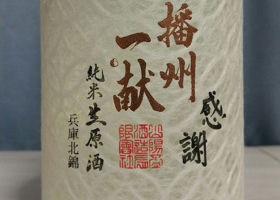
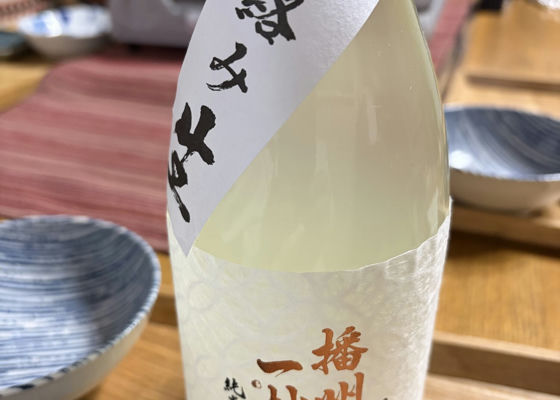
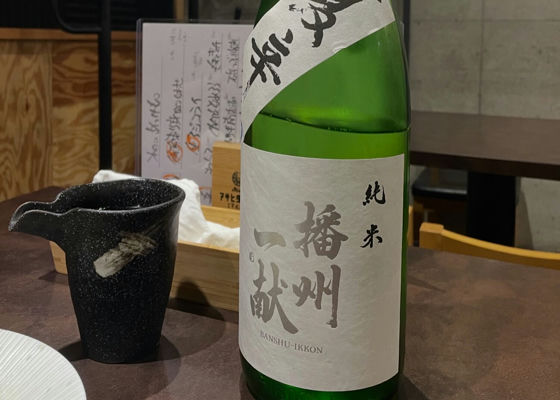
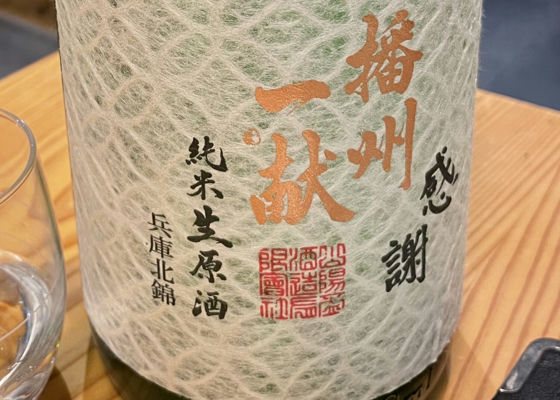
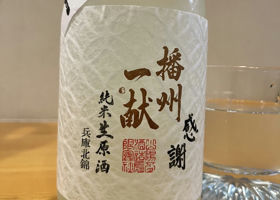
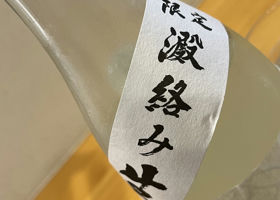
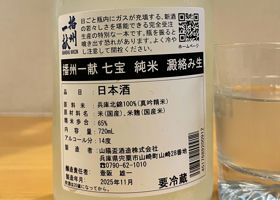
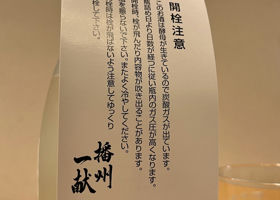
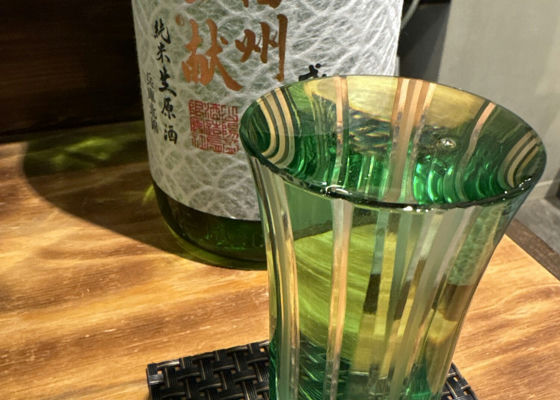
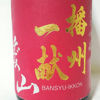
It is a Banshu Issen Orikarami. It has a great "shwashuwashi" feeling, and the sweetness is moderate and refreshing. It was like a dry sparkling wine, and I drank it in no time.
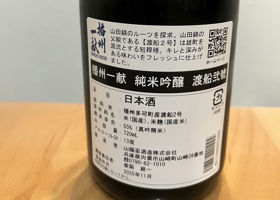
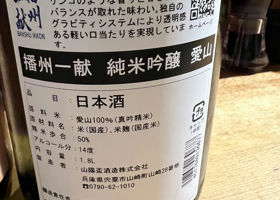
Banshu Ikkyo is made from Watabune No. 2, the father of Yamadanishiki.
It has a white grape-like aroma with a slight, gentle sweetness. The spiciness comes in later and has a crisp and sharp outline. It has a fresh and lush taste, and has a nice sharpness. The slightly low alcohol content of 13 degrees Celsius makes it very easy to drink and keeps the sake flowing.
.
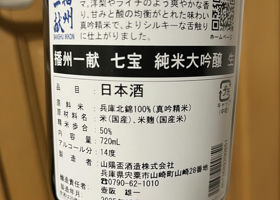
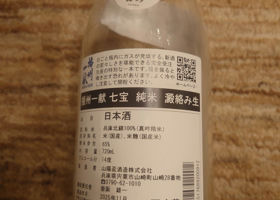
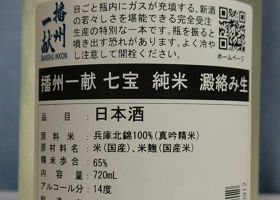
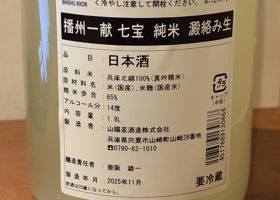
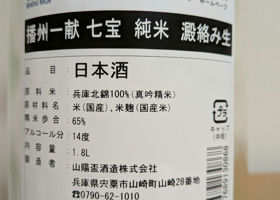
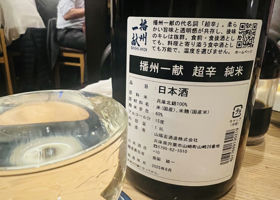
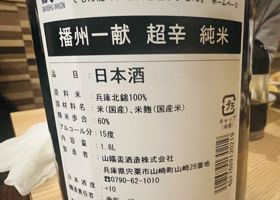
Raw material rice Hyogo-Kitanishiki
Polishing ratio 65
Alcohol content 14%.
We got it at the nearby Sake Sento Horiichi!
It has a freshness that is very strong!
Fresh and fruity,
Nice freshly squeezed chili too.
Strong acidity and a bit of bitterness, not silky!
The sharpness is there and the aftertaste is weak.
4.5 stars
A very highly carbonated, sweetened and mildly sweetened melon juice. Delicious. It's young - you can feel the greenness. It's light, sweet, tasty, and smooth. Good flow of flavors. 90 points
Sweetness: 2.7
Acidity: 3.3
Dryness:2.5
Hinted aroma:3

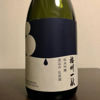
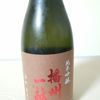
 「播州一献」の銘柄で知られる、江戸末期の天保8年(1837年)に創業した兵庫県の山陽盃酒造。そんな歴史のある酒SAKETIMES | 日本酒をもっと知りたくなるWEBメディア
 兵庫県を代表する山田錦の産地 山陽盃酒造がある兵庫県南西部の宍粟市(しそうし)山崎町は、山崎藩の旧城下町。戦国SAKETIMES | 日本酒をもっと知りたくなるWEBメディア