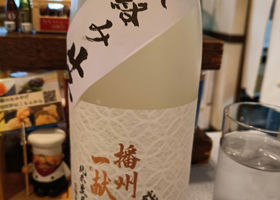
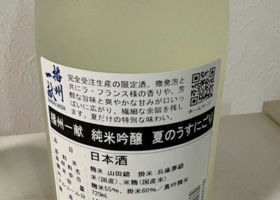
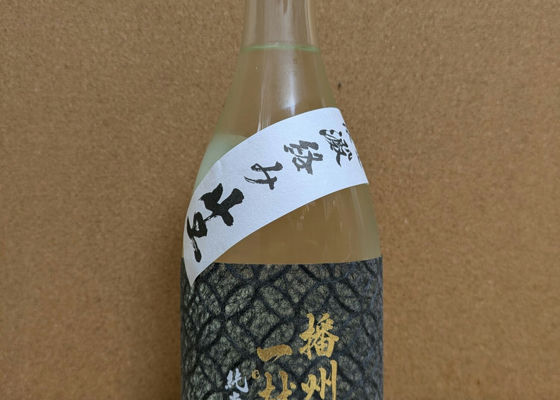
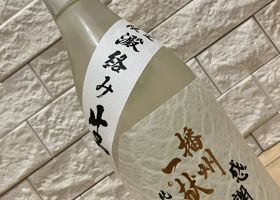
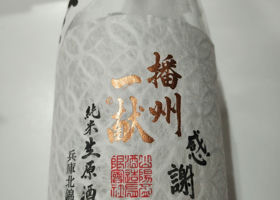
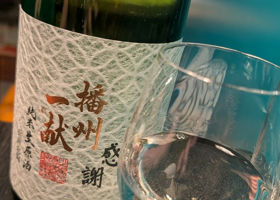
Locally distributed product as well as nigori
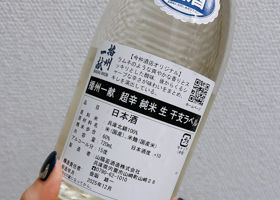
Fresh and fruity. Muscat-like sweetness.
Quite modern, unlike the image on the label. Delicious, not much different from the hi-jozo hi-ire that we drank before.
I think people would be surprised if this were sold nationwide.
Drinking out for 2 weeks in a row and not decreasing my inventory so I'll drink after the year-end party😅.
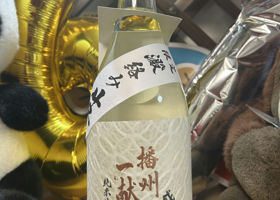
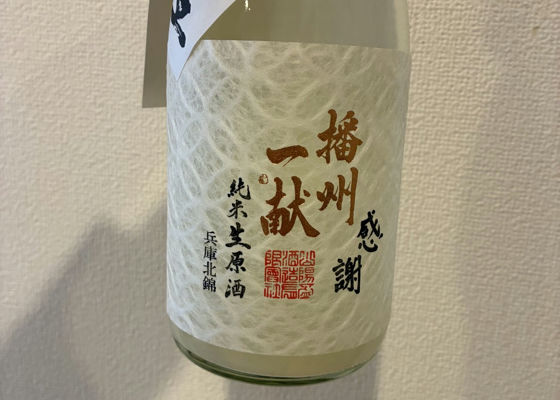
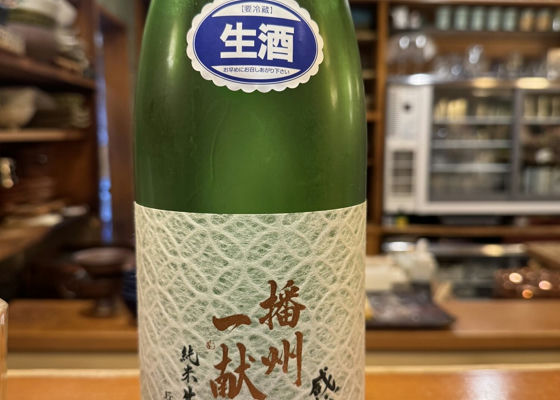
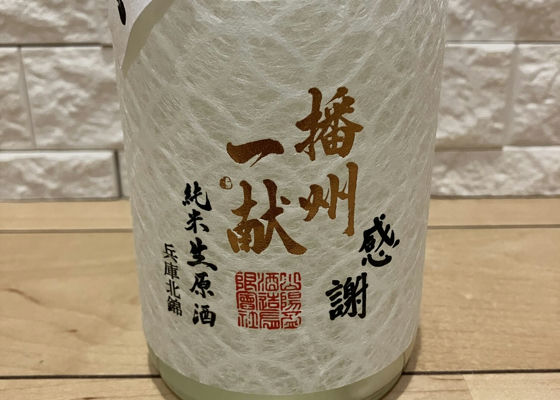
Banshu Issen, locally distributed.
The fizziness is weak and the rice flavor is strong.
It's a different type from the Banshu Ikkenten I've had so far, but even though it's a honjozo, it doesn't have any alsophagy.
It is a little spicier than other Banshu Ichiken that I have had.
It became easier to drink after 2 days, but I was a little bothered by the alky taste that did not bother me when the bottle was opened.
There's a slight meloniness.
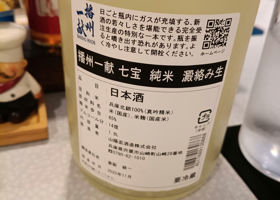
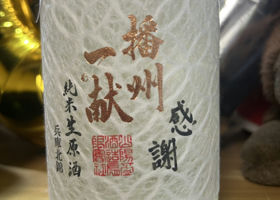
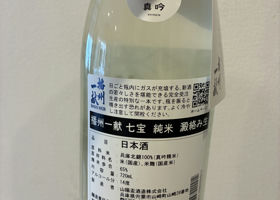
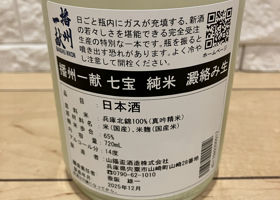
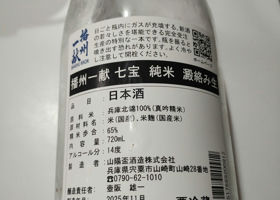
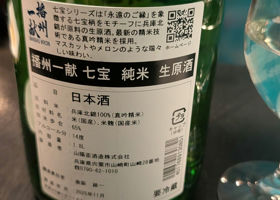
Banshu Issen Shichiho Junmai Unfiltered Orikarami 720ml
100% Hyogo-kita-Nishiki rice (Shinagin-polished rice)
Polishing ratio 65
Alcohol content: 14%.
Saturday was windy, but the temperature rose to 21℃.
We harvested 5 cardboard boxes of daikon radishes, turnips, and Nikka-daikon radishes, and delivered them to a coffee shop we know in order to serve them at a children's cafeteria.
We had a one-pot dish for dinner. The Chinese cabbage is now ready to eat all at once, and it looks like the one-pot meal will continue for a while.
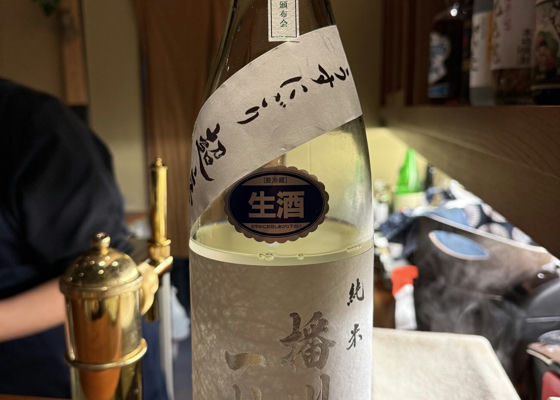
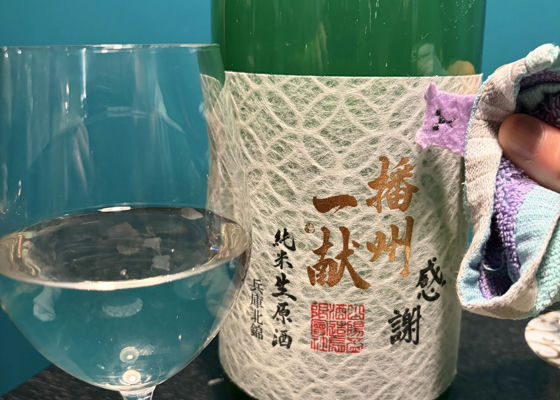
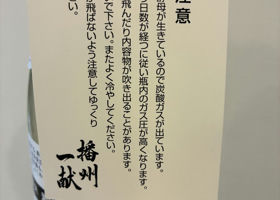
We decided to drink Banshu Issen Oorigarami sake. The ritual of opening and closing the bottle was done twice, and the sake was poured into a bowl.
The top clear liquid smelled a little like cemedine ( ;) ).
I immediately mixed it with ori and it disappeared: ✌️
It's a little dry, maybe, but it's delicious 😋.
The Tateyama mountain range at about 3pm was beautiful. ⛰️
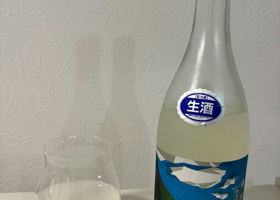
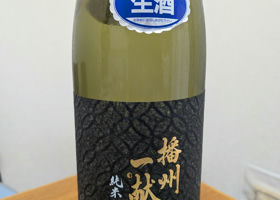
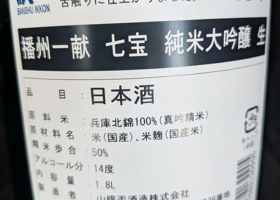
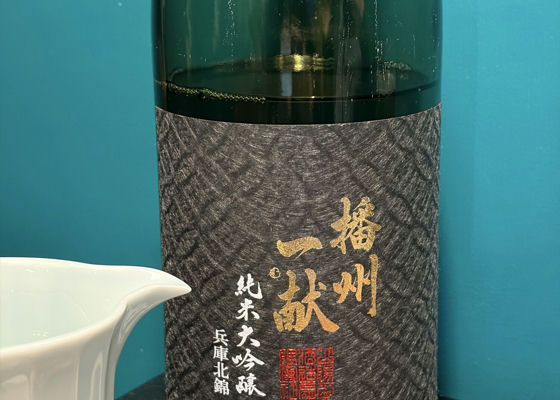
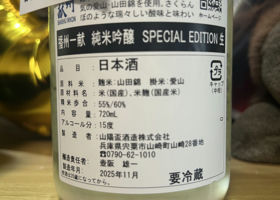
Banshu Issen Shippo Junmai Daiginjo Hyogo Kitanishiki Nama
Rating 4.4
Rice: 100% Hyogo-Kitanishiki (Shin-Gin milled rice), Polishing ratio: 50%, Alcohol content: 14%.
The Shippo series is a series of draft sake made from Hyogo Prefecture's Hokanishiki, which the brewery is particular about. The fruity aroma is reminiscent of pear, mango, and lychee, and the balance of sweetness and acidity is pleasantly harmonious. The silky texture is impressive. The rich flavor unique to nama-shu coexists with the lightness typical of junmai-daiginjos, resulting in a refined taste.
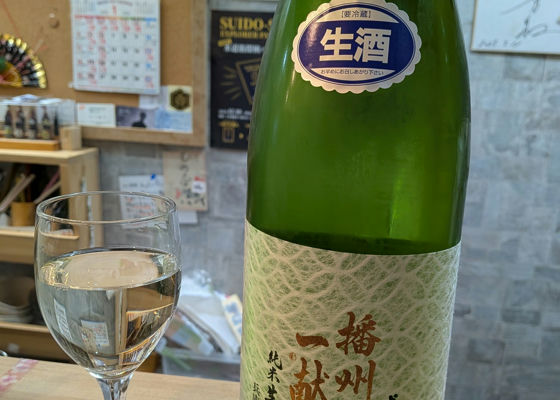
Banshu Issen Shippo Junmai Unrefined Unrefined Unrefined Unrefined Unrefined Unrefined Unrefined Unrefined Unrefined Unrefined Unrefined Unrefined
Rating 4.4
Rice: Hyogo Kitanishiki, Polishing ratio 65%, Alcohol 14%.
The freshness of the new sake has a full-bodied flavor due to the lees entanglement. You can also enjoy the feeling of tight gassiness. It has a fresh melon soda-like taste.
Banshu Issen Shippo Junmai Unfiltered Nama Sake
Rated 4.4 - 4.3
Rice used: "Hyogo-Kitanishiki" from Hyogo Prefecture, polished 65%, 15% alcohol by volume.
The softness of this sake expresses the freshness of new sake. The aroma is moderately gorgeous, and the taste is beautifully balanced between catchy sweetness, acidity, and sharpness. The use of Hyogo Prefecture-grown Kita-Nishiki rice polished by Shin-Gin milling (a milling method that efficiently removes protein by shaving the rice in the direction of its thickness) gives it a freshness and clarity like that of a Shine Muscat, with a gassy, freshness that is typical of new sake as it is pressed.