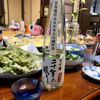
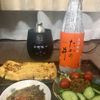
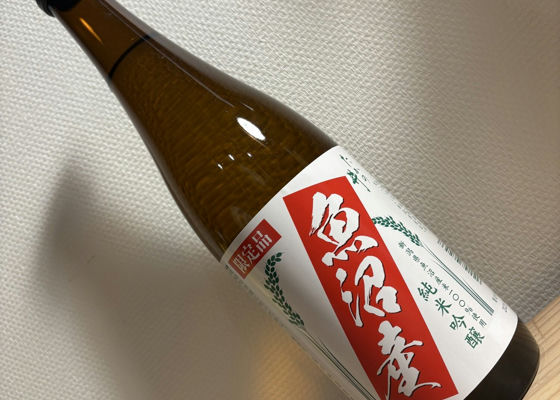
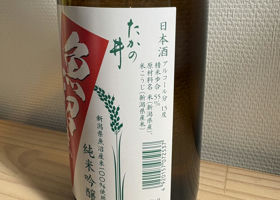
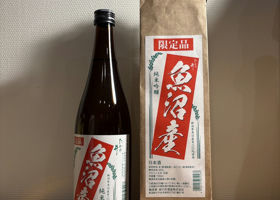
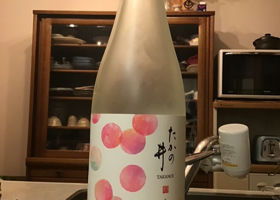
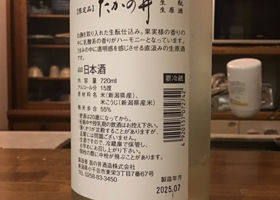
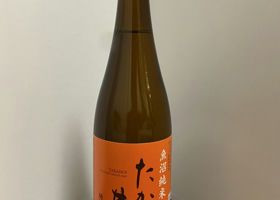
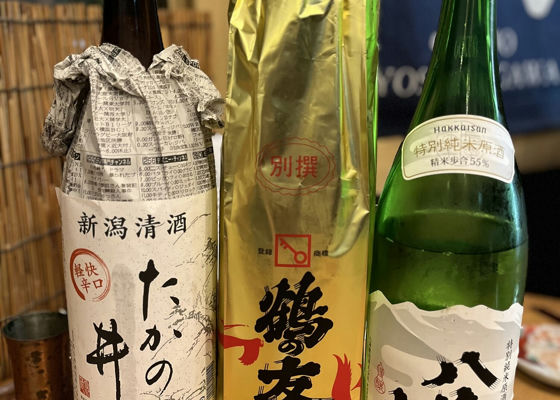
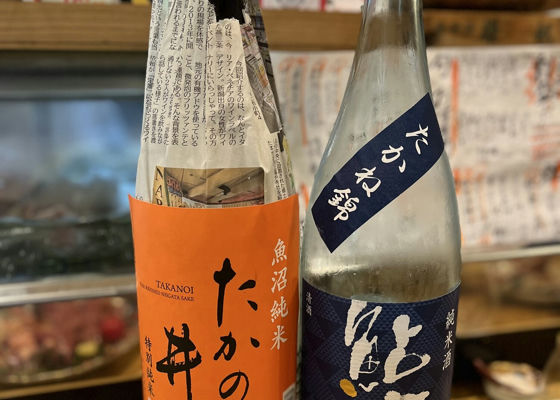
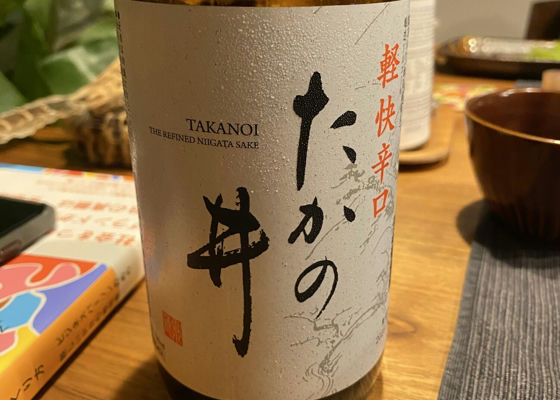
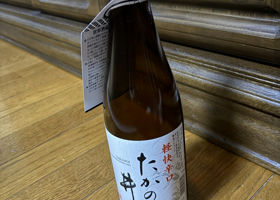
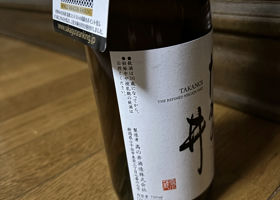
This is also the first sake I have ever had.
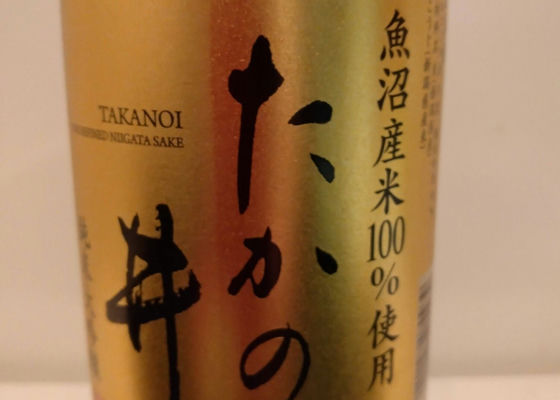
I picked it up because the words "Uonuma-grown" seemed to indicate that they are particular about their rice.
I was surprised by the taste, which exceeded my imagination.
It was fresh, fruity, sweet, and gassy, with almost no acidity and a hint of bitterness in the back.
After taking a sip, I decided to repeat the experience.
It is a limited edition, but I wonder if I can buy it again during the year-end and New Year vacations.
Purchased at Japan Meat Yoshioka store.
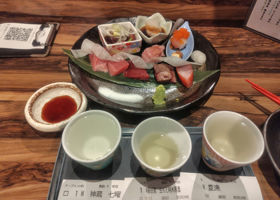
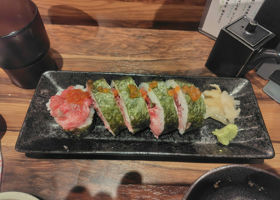
A quick trip to Kyoto, at Honmaguro Ginjo Kuroudo
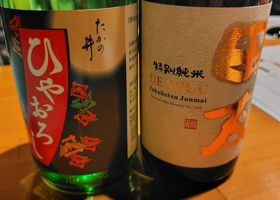
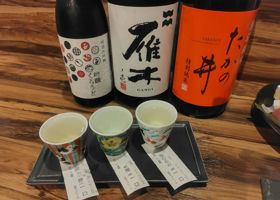
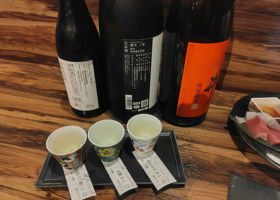
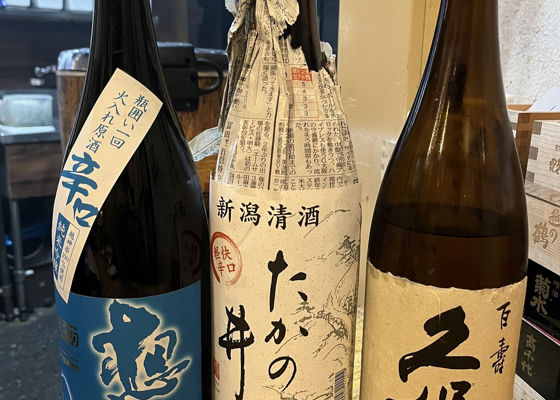
Re-ordered a 3-sake drinking comparison, this time with only sake that was new to me.
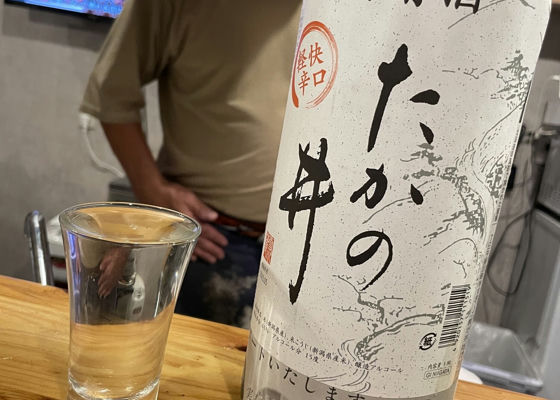
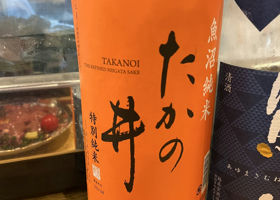
Takanoi
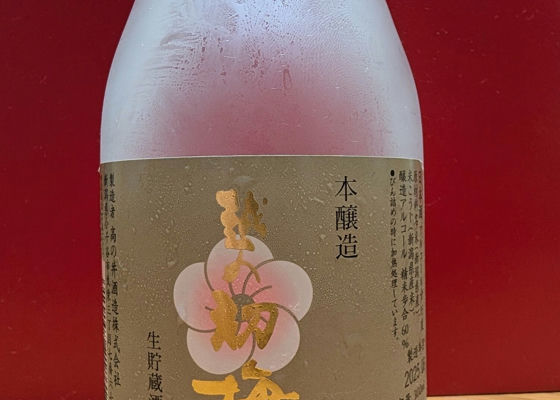
GANKI
GINJOKURAUDO
We started with "Takanoi" first.
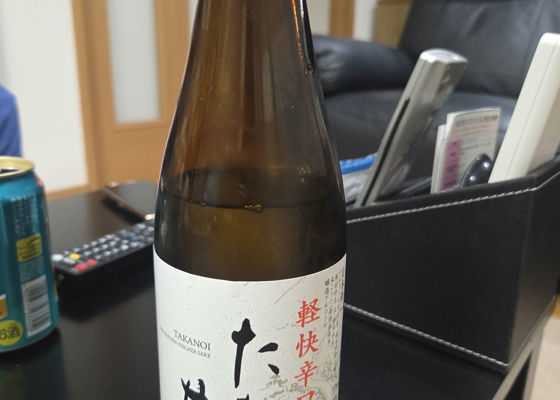
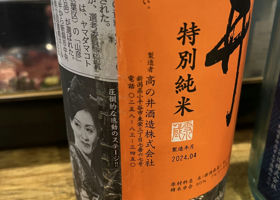
Takanoi Special Junmai
A clean aroma, a refreshing taste, mild sharpness, and a lingering aftertaste.
Mild flavor, similar to "Yukio" 🤔.
★★★★
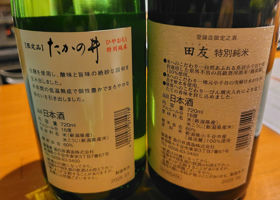
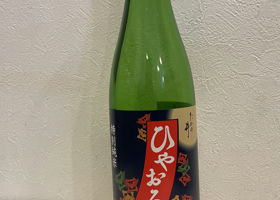
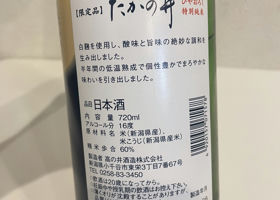
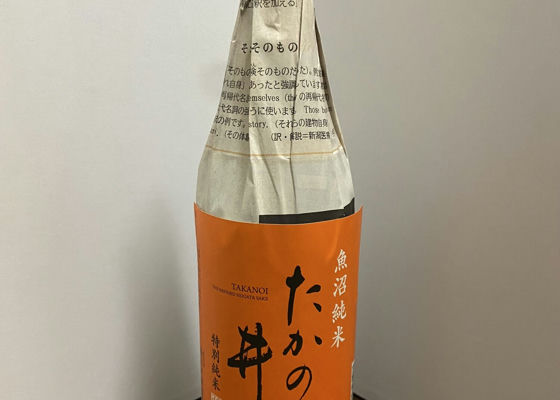
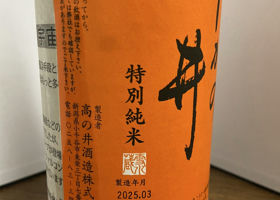
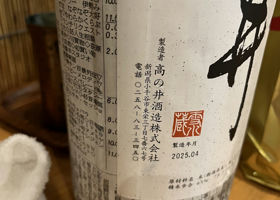
Takanoi
Special Junmai Hiyoroshi
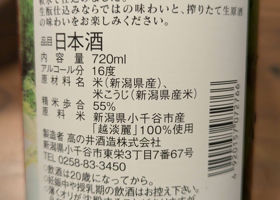
Polishing ratio 60% (alcohol 16%)
Sake degree ±3.4
Ingredient rice: Gohyakumangoku, common rice
Niigata Prefecture
At an industrial supermarket. Purchased it without any expectation.
It is sweet compared to the sake degree.
Price 1300 yen (720ml) 2025/10/31
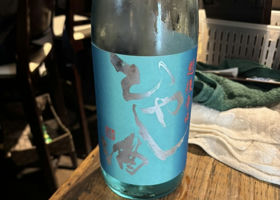
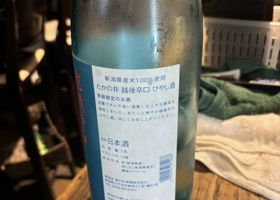
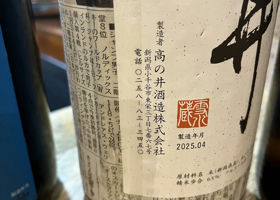
My first impression was that it was more mellow than Niigata's "light" image. I wondered what would happen when I turned over the newspaper, but I didn't expect to find the same label on it.
I guessed it would be Gohyaku Mangoku, although it is not written on the label. It has a refined, clean, but soft, rice cake-like sweetness that only Gohyaku Mangoku can produce, and it flows from the tip of the tongue down the throat.
It is a little different from "light and dry," with a firm richness and a sense of alcohol, and in keeping with the mountainous climate of Ojiya, it would go well with wild vegetables and meat dishes such as Echigo pork. For fish, it would be better with river food than sea food.
Green bamboo, Japanese honeysuckle, freshly pounded rice cakes, apricot bean curd, lime