
SakenowaRecord your sake experiences and discover your favorites
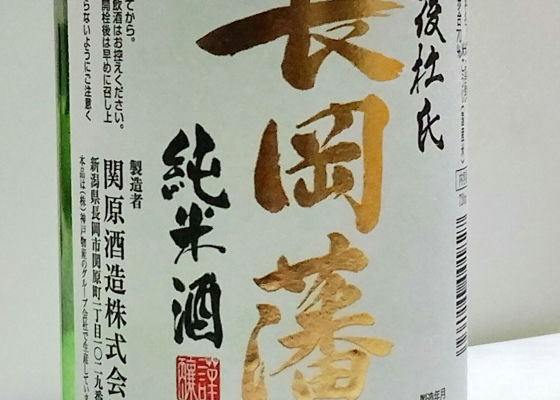
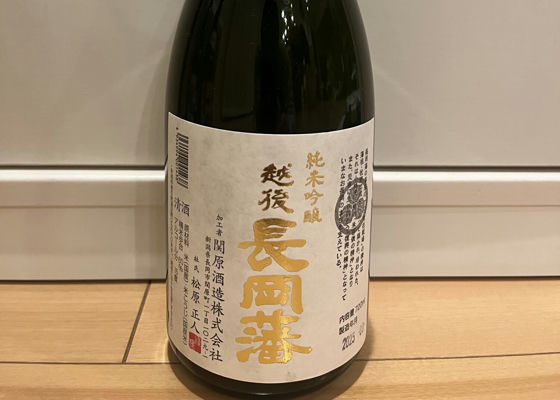
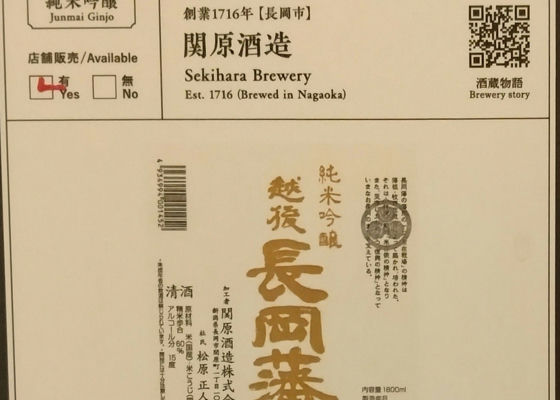
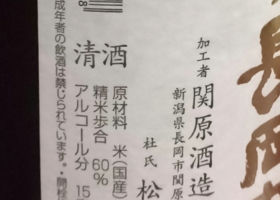
越後長岡藩Echigonagaokahan
Flavor Tags ®
Tags generated from flavor analysis of user comments.
Popular Comments
Brands from Sekihara Shuzo
GunkiEchigonagaokahan
Similar Brands
We analyze the flavors based on everyone's comments and select similar brands.
ShochikubaiSimilar Characteristics
大黒正宗Similar Characteristics
Kuromatsu HakushikaSimilar Characteristics
Location
1-chōme-1029-1 Sekiharamachi, Nagaoka, NiigataOpen in Google Maps
Timeline
まーくん
On the palate, it has a slight sweetness, but there is no feeling of lingering on the palate. At first, I had it as a cold sake, and as the temperature gradually increased, I felt the acidity started to come out. It is probably not my first time drinking this sake, so I would like to compare my previous impression with it by myself.
Japanese>English

くまさま
Third cup
No color.
Banana aroma, a little weak.
Aftertaste is good.
My tongue is getting numb by now.
Japanese>English
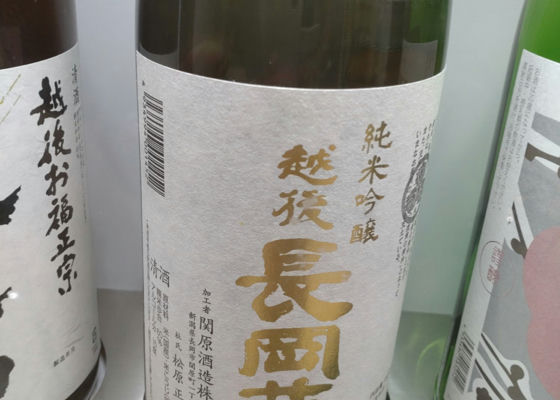

ヒロダイ
At the World Buffet.
Japanese>English

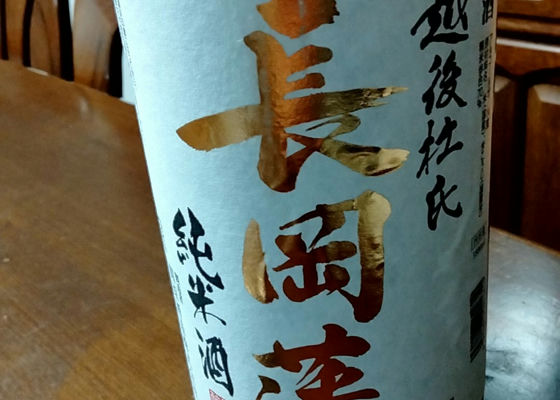
でーくー
This doesn't work for me.
It doesn't work for me.
Japanese>English

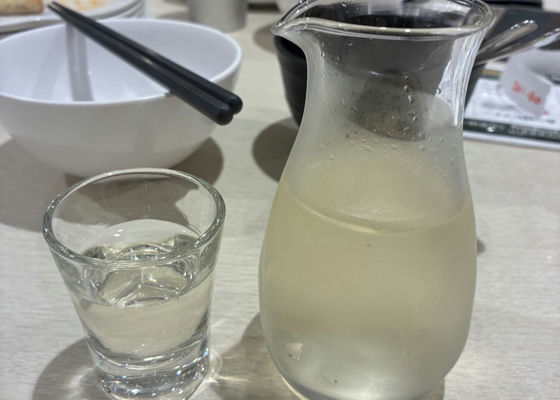
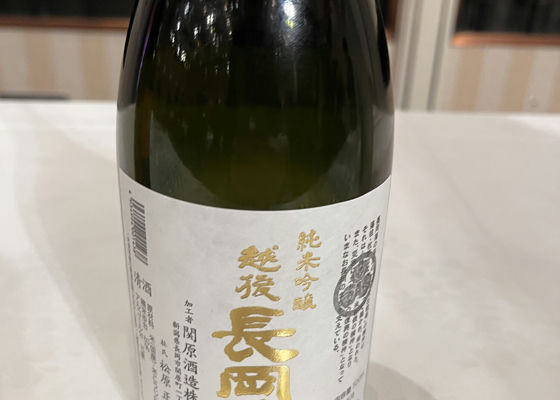
WOM
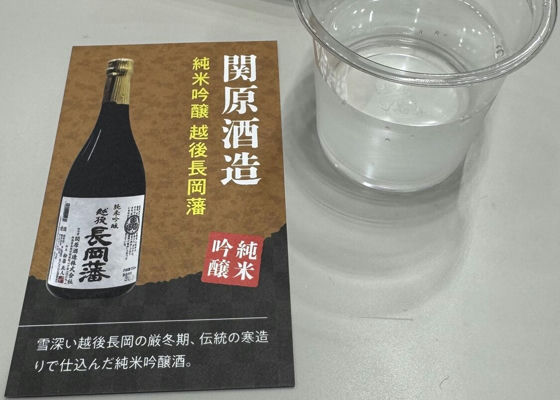
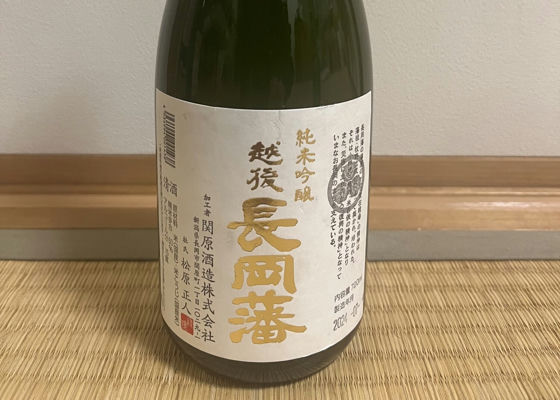
The Nagaoka Sake Festival, No. 5. It's getting more and more suspicious. This is Sekihara Sake Brewery, another first for us. It is a long-established brewery founded in the Kyoho era in Edo, and while it used to be a major manufacturer in China, it insists on cold brewing and the Echigo Toji technique. I thought Kubota and Hakkaisan were Niigata sake, but there is no difference.
It has a firm, ricey flavor, as one would expect from the Nagaoka domain, which is a rice-producing region. The gentle ginjo aroma also shines.
Japanese>English

まーくん
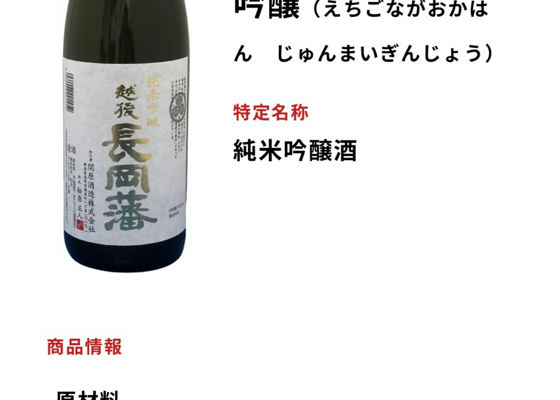
In the mouth, you will first taste the sweet taste of rice. After that, a gorgeous ginjo taste spreads in the mouth. It is a delicious sake with a slightly different feel from the light, dry Niigata-style sake.
Japanese>English
コバヤシ
SAKE POST Item
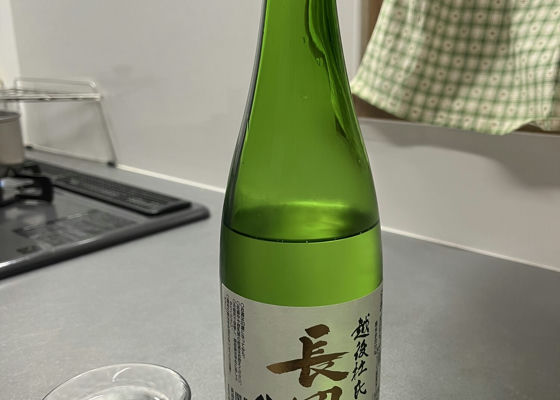
This sake has a gorgeous aroma of rice, a clean taste, and is easy to drink with no peculiarities and a clean, crisp taste.
Japanese>English
のりやま
This sake was offered at my mother-in-law's funeral (Shinto). A few days passed, and my wife and I drank it with dinner.
At first sip, I thought, "Is it too strong?" But when I continued to drink it, I found it was actually easy to drink.
Japanese>English
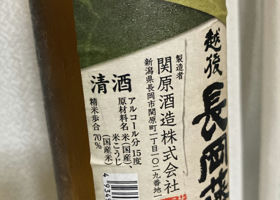
Ishipy
Clear and dry. The slight bitterness is delicious with the dry taste.
Japanese>English
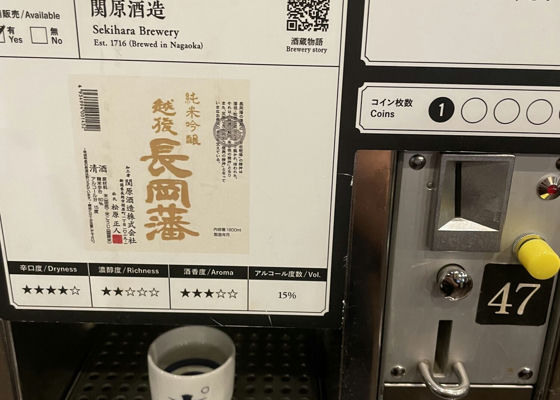
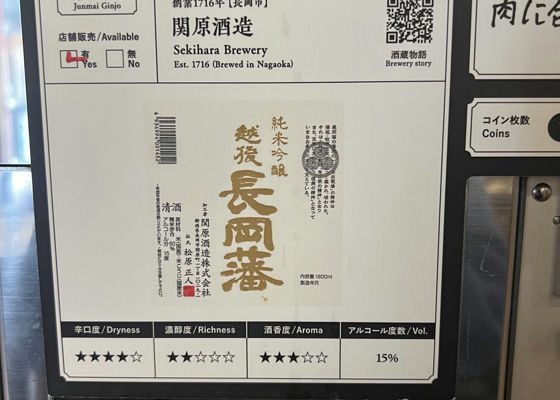

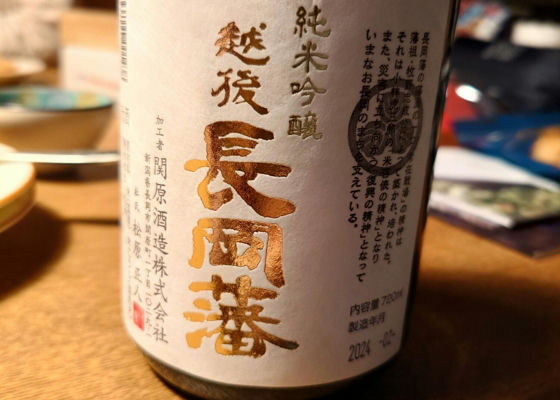
ろっきぃ
Hometown Taxes!
Easy to drink.
Niigata is indeed a great place to live.
Japanese>English
dorankdoragon
Refreshing aroma 🎵
Smooth and refreshing taste✨
Sake with a touch of umami but with a spicy feel 🍶.
Japanese>English