SakenowaRecord your sake experiences and discover your favorites
千歳盛Chitosezakari
Flavor Chart®
A chart created from flavor analysis of user comments.

Flavor Tags ®
Tags generated from flavor analysis of user comments.
Popular Comments
Similar Brands
We analyze the flavors based on everyone's comments and select similar brands.
DewazakuraSimilar Characteristics
Location
Nakahanawa-29 Hanawa, Kazuno, AkitaOpen in Google Maps
Timeline

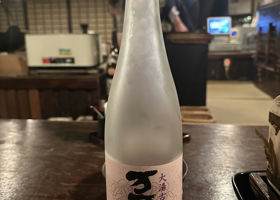
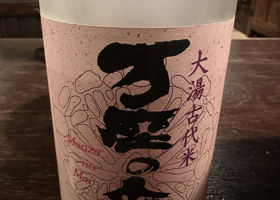
Chitosezakari大湯古代米 万座の舞
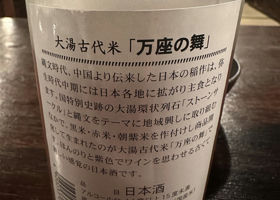
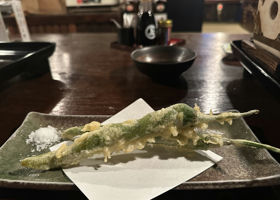
かずひろ
Red Ancient Rice Fruity Sake
Akita vegetables and
Japanese>English

Chitosezakari大吟醸 坑道熟成酒地底の神秘
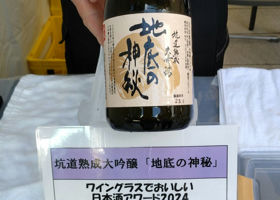
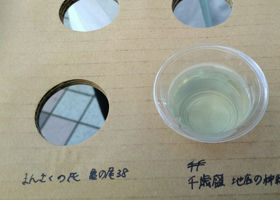
ochi
Sake in Akita in Akita
The 9th glass: Chitose-mori
This is the only aged sake we drank this time.
It was aged for three years in a mine, and we were curious to see what it tasted like.
The result was not to my taste, but I learned a lot.
It has a complex flavor, and its aroma and taste are like a heavy red wine, but surprisingly, it has a clean aftertaste.
It also has acidity, but I prefer the acidity of Marufei and Sengoku over the aged acidity.
It has won the "Best Sake in a Glass of Wine" award, so it must be a favorite for those who like it.
The color is also different from the others, a deep yellow.
Japanese>English
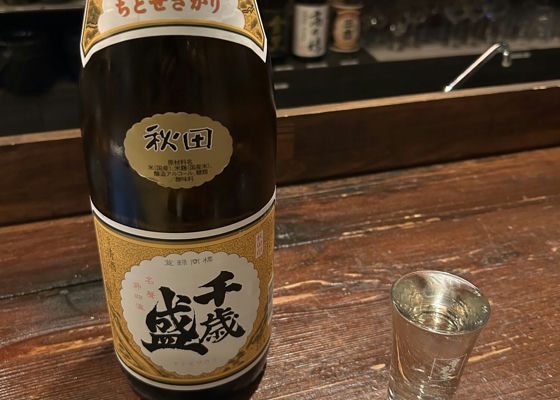
よっち
At Namahage, Ginza
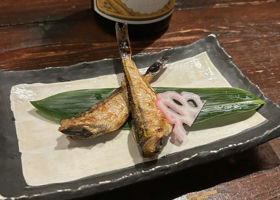
Delicious light smoky taste
Hatahata San-Go-Hachi Yaki (2 males)
Japanese>English
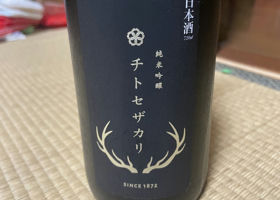
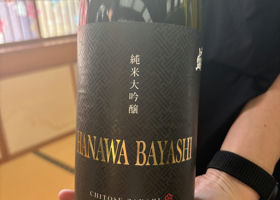
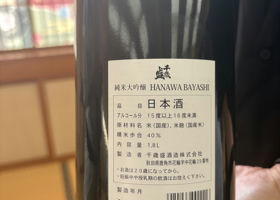
Brubeck
Hago tasted Hanawa sake.
When I first drank it, I felt it was a light and clear sake, but as time went by, I felt its full flavor gradually developed.
It was a truly delicious sake, with a softly blooming flavor.
Japanese>English

Qh3PvBpPHU
Relatively floral but with a clean aftertaste
Japanese>English
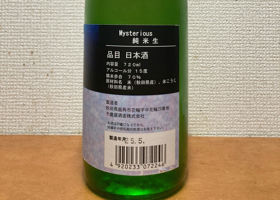
いーじー
Purchased at the annual North Tohoku Antenna Shop's Akita Sake Tasting and Sale every three months.
This time it was a special summer sake!
I had a hard time deciding between Hiraizumi and Chitose-mori, but I chose Chitose-mori, which is limited to 300 bottles and has been available for a long time!
Cold sake
Ripe pear aroma
Slightly bodied.
The unique sweetness of rice spreads on the palate.
Sourness lingers on the tongue in the aftertaste.
After 2 days of drinking, the taste has become more rounded.
Japanese>English

Ogata
キレあり

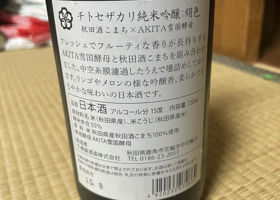
Chitosezakariチトセザカリ純米吟醸
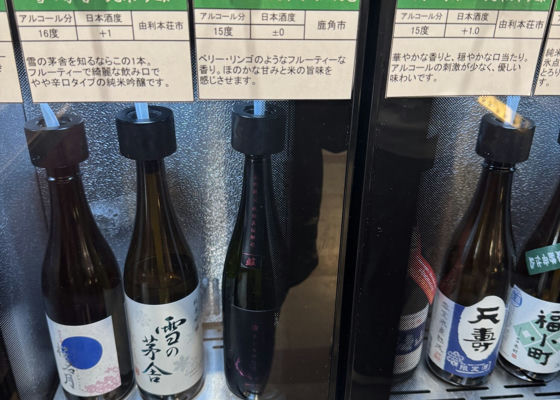
3GAwKwm5YK
Chitosezakari Junmai Ginjo Peach Color
The description says it has a fruity aroma like berries and apples, but I couldn't detect it.
It is lighter and easier to drink than one-cup wines, but has a bitter aftertaste.
I don't like the taste.
Japanese>English
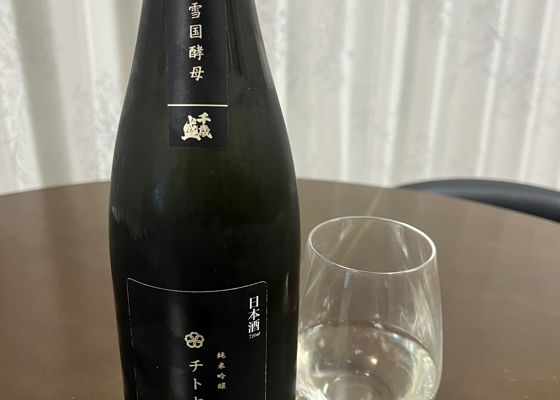
あーくん
Sake rice: Akita Sake Komachi ✖️ Junmai Ginjo with snow country yeast. Purchased at Odate-Noshiro Airport on the way back from a business trip. It has a clean, refreshing sweetness typical of Akita. You don't see this sake in Tokyo, but there are still some strong local brands that you haven't seen yet.
Japanese>English

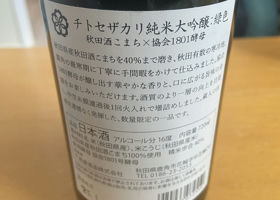

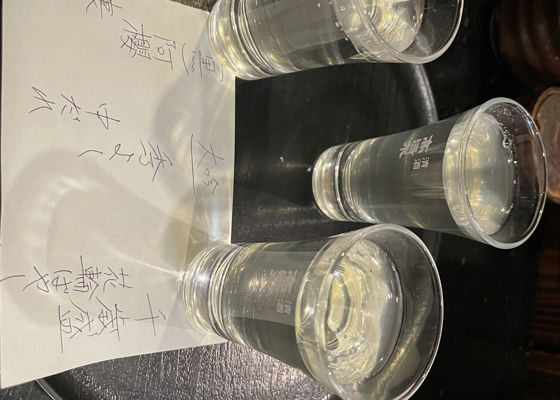
松井 英章
Sweet and easy to drink\(^o^)/.
Japanese>English
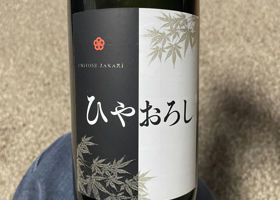
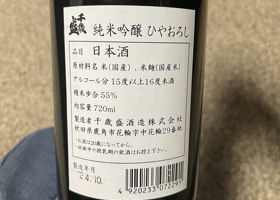
ナイトロ
Caramelized ripeness typical of hiyaoroshi, a little peculiar.
Japanese>English
みるみる
Hot sake. It was delicious.
Japanese>English
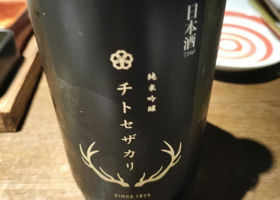
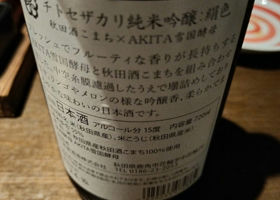
dai
Fruity and juicy! A very easy drinking sake.
Japanese>English