Timeline
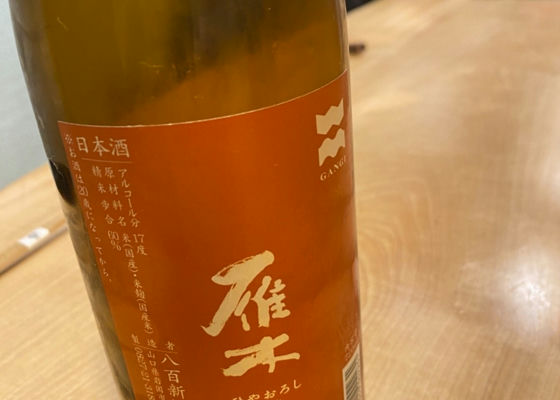
SADashing summer sake. Juicy, refreshing and sweet. Very tasty!
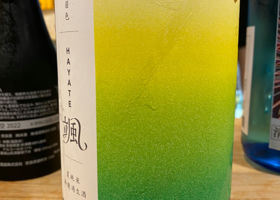
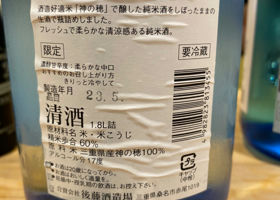
Ingredients: Kami no Ho (Mie Prefecture) 60
Alcohol 17%.
Sake degree
Acidity
Yeast used SAA summer sake with slightly lower alcohol content. It is a summer sake but has a rather robust and unique flavor.
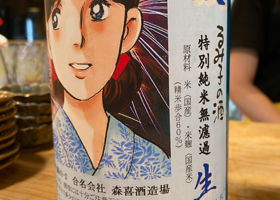
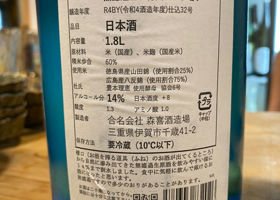
Rice: Yamadanishiki produced in Tokushima Prefecture
Kake rice: Hachitan-Nishiki produced in Hiroshima
Rice polishing 60%, yeast: Kyokai No. 6
Alcohol level 14
Sake meter degree +8
Acidity 1.4 SAAn easy-to-drink summer sake with low alcohol content. The sweetness and mellow aroma characteristic of Morinokaze can be fully appreciated.
Rice used: 70% polished rice from Akitsuho, Nara Prefecture
Alcohol content 11
Yeast used: Kyokai No. 7 series
Sake meter Not disclosed
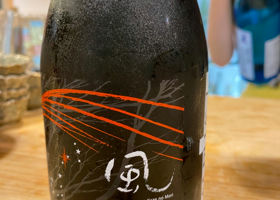
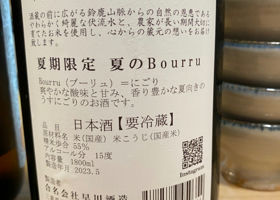
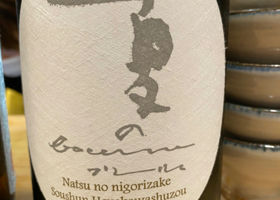
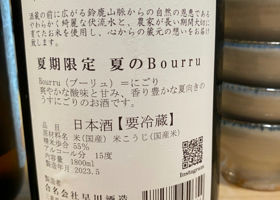
Acidity (undisclosed) SAA summer sake from Hayakawa Shuzo, famous for Tamitsu. Anyway, the taste is sharp and well-balanced. It is also delicious! It tastes completely different from Tamitsu, but it is impressive.
Rice used: Koji rice: Kami no Ho (God's ears) Kake rice: Koshihikari produced in Mie Prefecture
Alcohol 15 degrees
Polishing ratio Koji rice:55% Kake rice:60
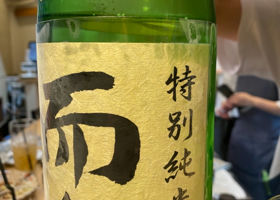
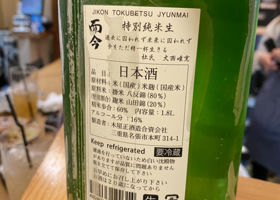
Yeast used: Mie yeast MK-7 SAStable Jikin. Everything is well-balanced and delicious!
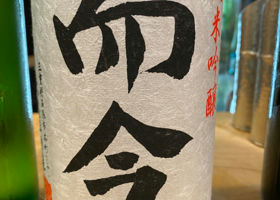
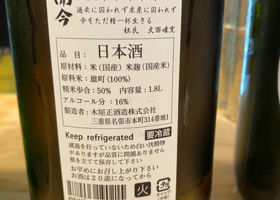
Ingredients: 50% Omachi (Okayama Prefecture)
Alcohol 16%.
Sake degree +1
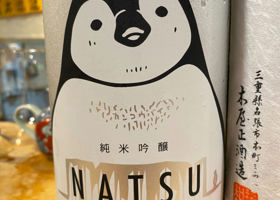
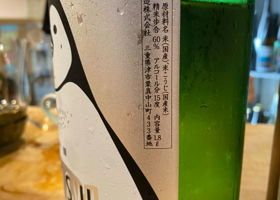
Acidity 1.6 SASlightly sparkling summer sake. Fresh, juicy and light.
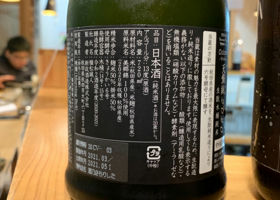
Ingredients: rice, rice malt
Polishing ratio: 60% (domestic rice)
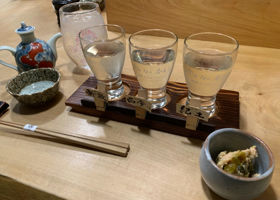
Alcoholic Beverage: 15% abv. しんしんSYThe Second Comparison of Three Types of Sake at Ise City
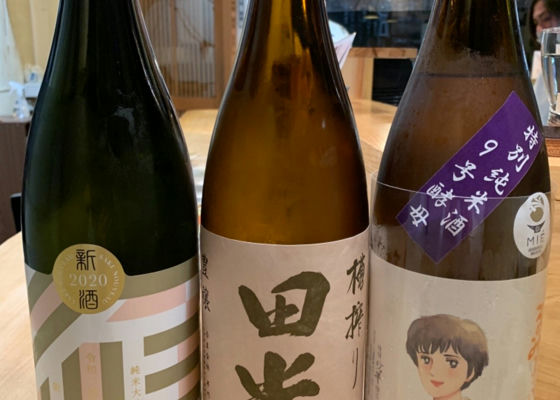
Sake of Mie Prefecture
I was allowed to drink this sake!
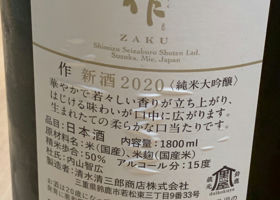
Junmai Daiginjo
Yum!
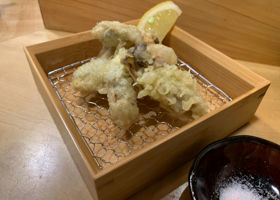
Pair it with oyster tempura!
Yunnan
2020, new sake from Saku, brewed with new rice! As is typical for Saku, we keep the freshness of the freshly pressed sake and fire it up. You can enjoy the fresh taste for a long time because there is less change compared to raw sake. しんしんSYI didn't know I could drink Shinsei-san in a 3 kinds of drinking contest.
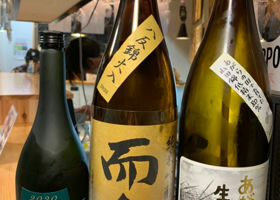
We were told that we can choose from Viridian, Cosmos, and NO.6 S.
It's been a while since I've had a Viridian.
The acidity is a little higher than the other three.
I'll enjoy Oise-san while savoring the characteristics of each 😋.
knowledge
This sake is made with Misoshiki, a high quality sake rice from Akita. The rice is polished to 50% using flat polishing method, which shows the potential of "Misoshiki" the most. "This is the polished rice that shows the best potential of Misoshiki. It is also a product whose quality has been improving in recent years, partly because the majority of the planting area has switched to pesticide-free cultivation. It has a full flavor right after pressing, but it also has the ability to age for a long time, comparable to Ash Earth.
Misoshiki
Year of birth[Registration year]: 2002 (Heisei 14)
Place of birth[Registered prefecture]: Akita Prefecture
Average yield: about 4.5~6 bales per hectare
Main growing area in Shinsei: Kawabe Unyo district, Akita City
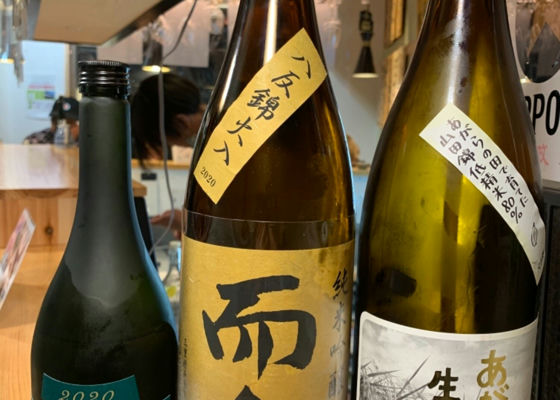
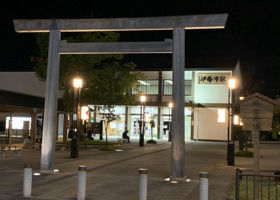
しんしんSYI visited Ise City in Mie Prefecture.
We stopped by a shop that let us drink sake!
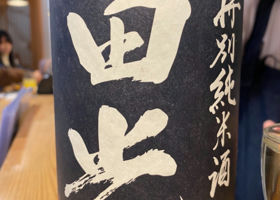
The recommended 3 kinds of sake were Shinsei, Jikin and Kido!
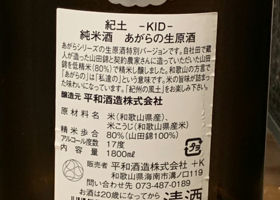
Kido was my first time to drink Agara Junmai Nama Genshu!
The alcohol content is high at 17 degrees!
The best part
Skepticism
The brewers and the rice growers in Wakayama have put their heart and soul into this sake.
The sake of Agara (us).
"The name "Kido" comes from the name of the climate of Kishu.
Agara" represents the climate of Kishu the most, and is made from Yamada-Nishiki grown in our own rice fields and Yamada-Nishiki from Wakayama Prefecture.
The flavor of the rice is brought out by storing it raw at ice temperature. The fresh acidity of the raw rice is perfectly blended with the flavor of the rice.
It has a full-bodied, rich flavor with a clean, light acidity that is very Kido-like.
You can feel the texture of the rice more clearly in this one than in the regular Kido series.
It can be served cold, of course, but its deep flavor will also expand when it is heated.
Rice used: Yamadanishiki Polishing: 80%. RecommendedContentsSectionView.title