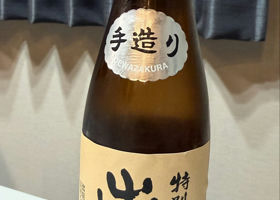
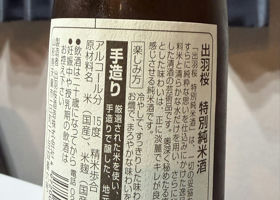
I'm holding out for the year-end and New Year's holidays when I'd like to get my sake fever up for Christmas.
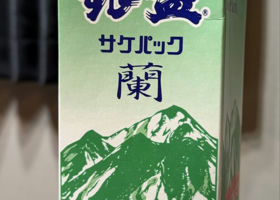
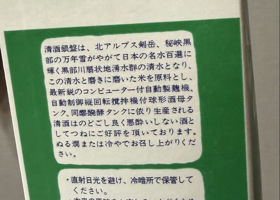
This is a good, cosy brand sold at a local supermarket that costs in the 500-yen range for 2 gou of sake.
I wonder if it is cheap because the rice polishing ratio is 75%.
Even so, it is refreshing to drink and has the umami of rice that is typical of junmai sake.
It is a very good sake for everyday drinking.
I have fond memories of drinking this sake in Sendai when I was a college student, mistaking it for a Miyagi sake.
It is moderately dry, has a delicious flavor, and is easy to drink.
I like this sake because I can buy it cheaply at the local supermarket.
After my grandfather passed away, I took over a bottle of sake that had been kept as a regular sake.
To be honest, as a sake novice, I had an image that sake packets were not tasty and would give me a bad taste, but that image was overturned.
It was moderately dry and did not interfere with the meal.
Sure, after a few more bottles of sake from other well-known breweries, I was a bit bothered by the tangy taste, but this quality in a mass-produced sake is a real effort, I thought. I think so.
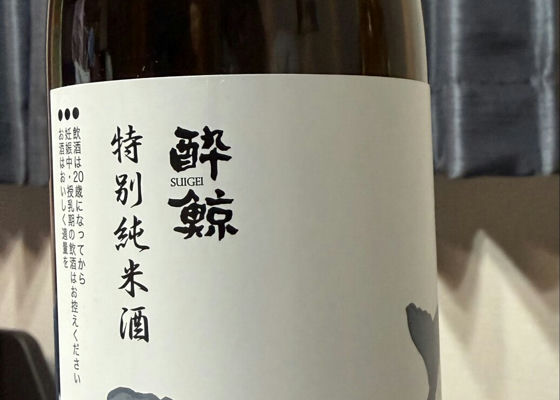
The fact that the rice polishing ratio is not written on the label is inversely chic.
I wish I could have had this kind of conversation with my grandfather before he died.
Personally, I think this sake will always have a special place in my heart.
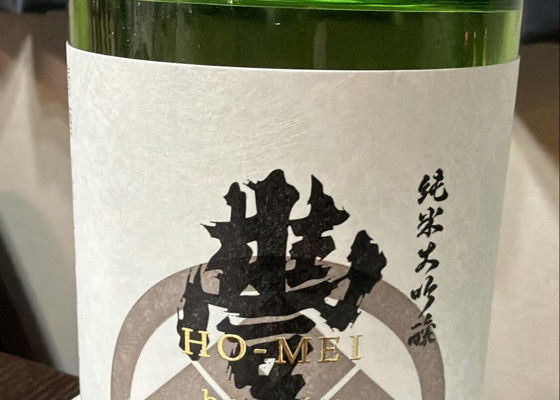
Sake studied at a tavern specializing in Kochi Prefecture.
The unique acidity seems to divide tastes.
Personally, I love it.
Other people have said that the umami flavor is weak, but I think that is understandable, but I think it is a combination with the food.
After opening the package and letting it sit in the refrigerator for about a week, the sweetness and umami increased tremendously.
It would be amazing if the toji and brewery had calculated this much.
 しんちゃそ
しんちゃそ